Like
Share
멍실장
반려동물 치약 선택 가이드

Guide to Choosing Pet Toothpaste

Oral HealthQ&AMeongsiljang Veterinary Advisory Board

Pet toothpaste is formulated completely differently from human toothpaste. We’ve outlined the key criteria for choosing a safe, ingestible product that’s free of fluoride and xylitol.

What Is Pet Toothpaste?
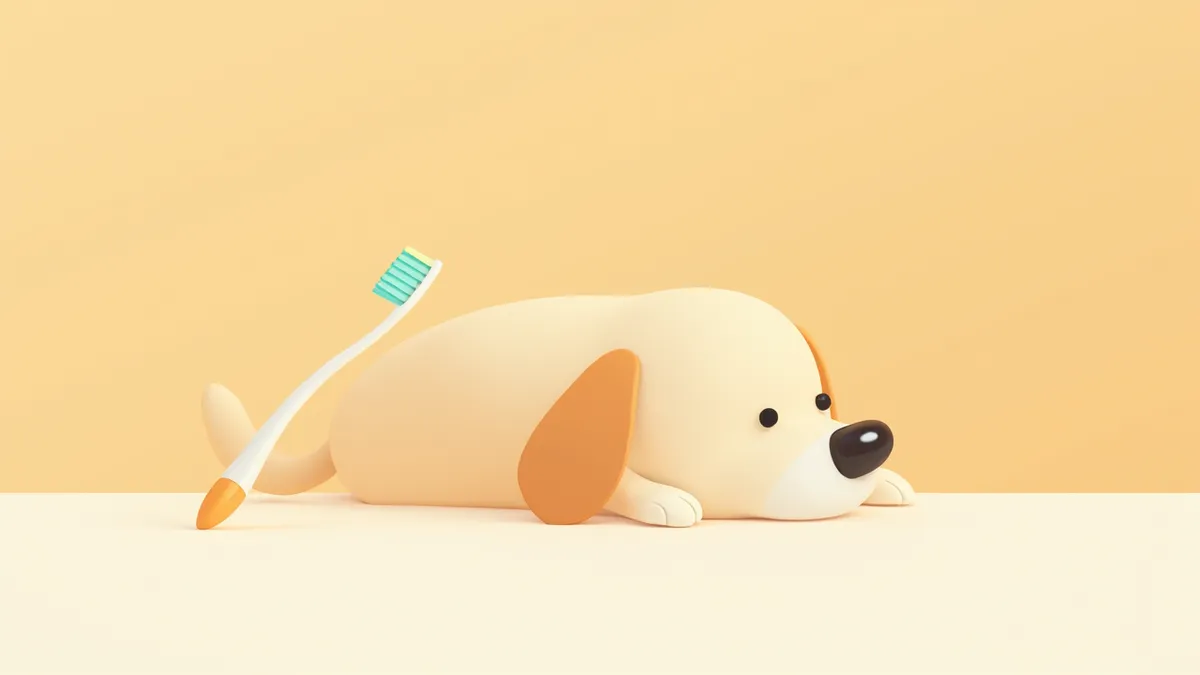
A table with pet-specific toothpaste and a finger toothbrush placed on it
Pet toothpaste is a specialized oral hygiene product for dogs and cats, formulated without fluoride or foaming agents to ensure safety if swallowed. The most critical point to remember is that you should never use human toothpaste. Since pets cannot rinse their mouths and inevitably swallow the paste, the fluoride in human toothpaste can irritate their stomachs, leading to vomiting and diarrhea. Additionally, xylitol, a common sweetener in sugar-free human products, is toxic to dogs and can cause life-threatening hypoglycemia and acute liver damage. Therefore, always check for the "for pets only" label and carefully review the full ingredient list when choosing a product.

Why You Should Never Use Human Toothpaste

Human toothpaste is formulated with the assumption that it will be spat out and rinsed away after brushing. However, dogs and cats cannot spit or rinse, so they swallow almost all of it. According to veterinary toxicology data, the fluoride in human toothpaste can cause gastrointestinal irritation, vomiting, and diarrhea relatively quickly after ingestion. The foaming surfactants can also irritate pets. In particular, xylitol, an ingredient found in some sugar-free toothpastes, is a deadly toxin for dogs that can cause hypoglycemia and acute liver damage (liver necrosis).

Human Toothpaste vs. Pet Toothpaste

ItemHuman toothpastePet toothpaste
FluorideContainsDoes not contain
XylitolSome containDoes not contain
Foam (surfactant)HighAlmost none
FlavorMint/peppermintChicken, beef, malt
Rinsing neededRequiredNot needed
Swallowing safetyDangerousSafe

Swallowing safety is the most important criterion when choosing a pet toothpaste.

Ingredient Checklist for Choosing a Good Toothpaste
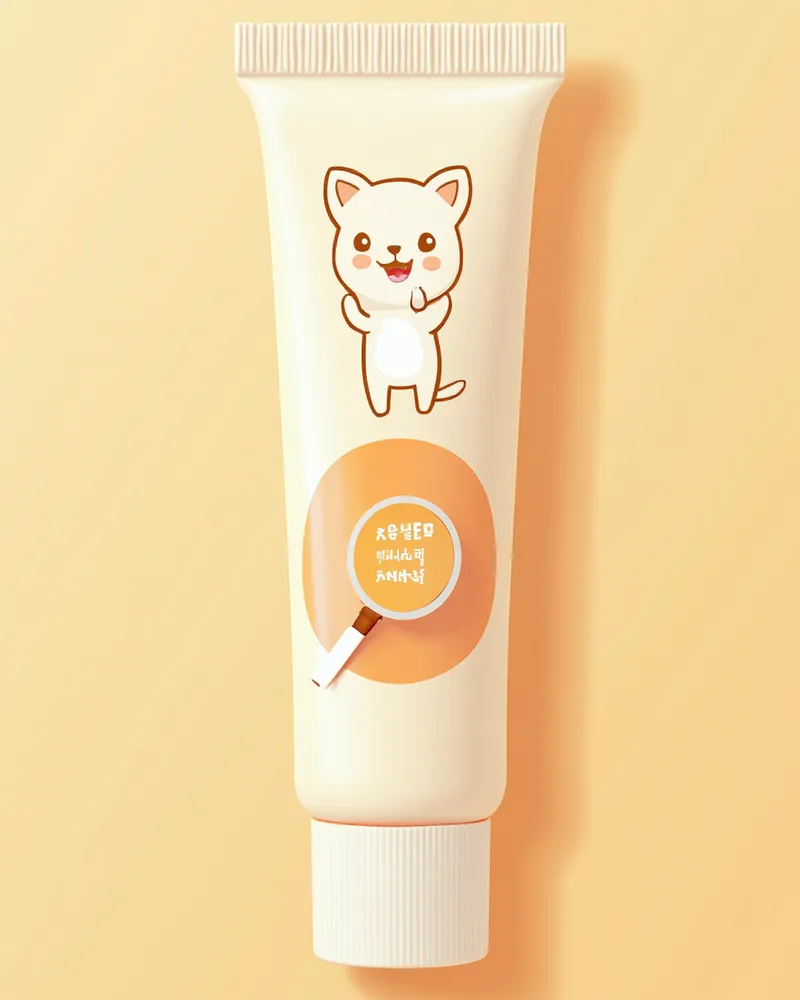
Check the ingredient list for the following keywords. The most reliable approach is to include beneficial ingredients and avoid harmful ones.
Enzymes: Products containing enzymes such as glucose oxidase and lactoperoxidase are used for plaque management. However, some pet oral care products may lack sufficient scientific evidence to support manufacturers’ claims, so it’s best to consult your veterinarian before choosing one.
Chlorhexidine: This is an antibacterial ingredient that can help inhibit bacterial growth and can be used appropriately under veterinary guidance.
Coenzyme Q10: While it is known to be associated with gum health, there is currently limited veterinary evidence supporting its use in pet toothpaste.
Fluoride: Always confirm that it is “not included.”
Xylitol: Toxic to dogs; always confirm that it is “not included.”
An ingredient label for pet toothpaste that prominently highlights the absence of fluoride and xylitol.

Ingredients to Absolutely Avoid

Xylitol, fluoride, high-concentration alcohol, artificial colors, and excessive fragrances should never be included in pet toothpaste. Xylitol, in particular, is toxic to dogs and can cause two serious conditions: hypoglycemia and acute liver necrosis. The clinical outcome depends on the amount ingested and the timing of treatment, so contact your veterinarian immediately even if only a small amount has been consumed. Never use human sugar-free toothpaste as a substitute. However, other sugar alcohols such as sorbitol, maltitol, and erythritol have not been shown to cause the same toxicity in dogs as xylitol. Always avoid products containing xylitol in the ingredient list, and when in doubt, consult your veterinarian or choose a product certified specifically for pets for the safest option.

How to Use Toothpaste Correctly
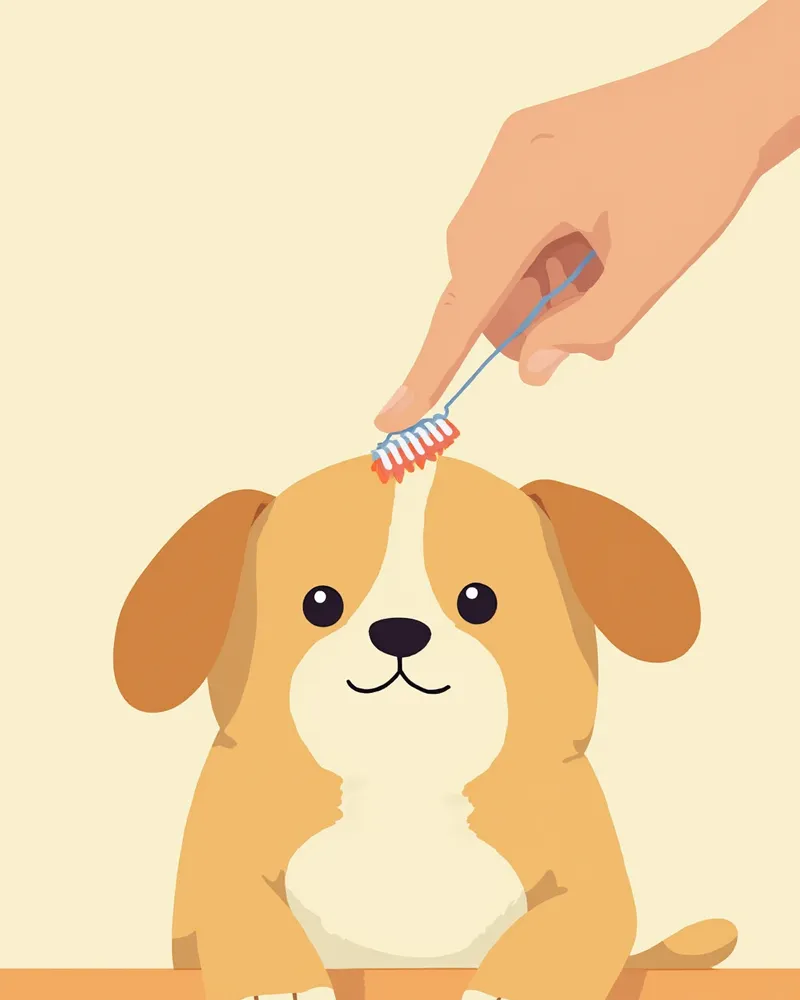
It’s best not to start brushing your pet’s teeth with a toothbrush right away. Instead, gradually help them get used to the process by following these steps:
Step 1: Apply a small amount of toothpaste to your finger and let your pet lick it off their lips (to get used to the taste).
Step 2: Use a finger toothbrush to gently massage the gums around the front teeth.
Step 3: Gradually expand to the canine and molar teeth.
Step 4: Switch to a regular pet toothbrush.
Regular brushing helps reduce tartar and gingivitis, so it’s ideal to brush once a day, or at least three times a week consistently. There’s no need to rinse with water after brushing.
Gently brushing your dog's front teeth with a finger toothbrush

Can Dogs and Cats Use the Same Toothpaste?

While the basic principles are the same, you should choose products with different flavors and formulations for each species. Dogs tend to accept flavors like chicken, beef, and peanut butter, whereas cats are highly sensitive to smell and often reject anything that isn’t fish or liver-based. When selecting toothpaste for cats, we recommend products formulated with low-irritant ingredients. Since oral tolerance varies by individual, monitor your cat for any adverse reactions during initial use, and consult your veterinarian if you notice any concerning symptoms. Even if a package is labeled as suitable for both dogs and cats, always verify that the product is specifically safe and palatable for cats.

Toothpaste Alone May Not Be Enough

Once tartar has hardened, toothpaste and a toothbrush alone won’t remove it. Toothpaste is effective only for preventing plaque buildup. If your pet’s gums are red and swollen, they have severe bad breath, or they chew on only one side of their mouth, it may be time for a dental cleaning. We recommend annual veterinary dental checkups and discussing general anesthesia for scaling if needed.

Reviewed by a veterinarian

Dr. Tony — Punnawat Phongkittirak

Dr. Tony — Punnawat Phongkittirak

Veterinarian

A veterinarian who majored in veterinary medicine at Khon Kaen University, Thailand, and completed the IVSA program at North Carolina State University in the United States. Drawing on clinical experience at animal hospitals, he works in the pet healthcare field and is dedicated to building a digital care environment that connects pet parents with veterinarians.

Frequently Asked Questions

Is it really okay if my pet swallows toothpaste?
Yes, pet-specific toothpaste is formulated to be safe if swallowed in small amounts. However, ingesting large quantities—such as eating the entire contents of the tube at once—can cause diarrhea, so please store it out of your pet’s reach.
How can I start brushing my pet’s teeth if they hate it?
Please take two to three weeks to gradually help your pet get used to the taste of the toothpaste. Start by applying a small amount to your finger and letting your pet lick it off their lips. Repeat positive reinforcement with praise and treats to reduce any resistance. Putting a toothbrush in their mouth right away can cause trauma.
Can I just use oral sprays or dental chews instead of toothpaste?
While these products are helpful as supplementary aids, they can’t fully replace toothpaste and a toothbrush. Physical brushing remains the most effective way to remove plaque. Use sprays and dental chews as convenient backups on busy days, but we recommend brushing your pet’s teeth at least three times a week.
Can puppies and kittens use toothpaste too?
You can begin the "taste adaptation" phase using a mild enzymatic toothpaste once your pet is over three months old. During the teething period (4–6 months), when the gums are particularly sensitive, avoid vigorous brushing and instead gently clean the teeth with a gauze towel or a finger brush.
Wouldn’t it be okay to use children’s toothpaste meant for humans?
No, many children’s toothpastes contain fluoride or xylitol, and their foaming agents can irritate pets. Always look for products labeled “for pets” and check the full ingredient list.

Share

Related Guides

References

[1] Rawlings, J.M., Gorrel, C., Markwell, P.J. (1998). Effect on canine oral health of adding chlorhexidine to a dental hygiene chew. J. Vet. Dent. 15(3): 129–134.

[2] Logan, E.I. (2006). Dietary influences on periodontal health in dogs and cats. Veterinary Clinics of North America. Small Animal Practice 36, 1385–1401.

[3] 100 Top Consultations in Small Animal General Practice - Calculus, gingivitis and periodontal disease chapter

This information is based on veterinary literature and does not replace diagnosis or treatment. Please consult a veterinarian for specific health concerns.

Metapet Co., Ltd. | CEO: Park Sung-yong | Business Reg. No. 417-88-02562 | Seoul, South Korea | Customer Center

How to Choose Pet Toothpaste: Safe, Fluoride-Free Guide | Meongsiljang