Like
Share
멍실장
강아지 고양이 항히스타민제 사용법과 부작용 총정리

A Comprehensive Guide to Antihistamine Use and Side Effects in Dogs and Cats

ImmunityQ&AMeongsiljang Veterinary Advisory Board

We’ve compiled a comprehensive guide based on veterinary resources, covering the types of antihistamines used for dogs and cats, proper administration methods, and important side effects to watch for.

Are Antihistamines Safe for Pets?
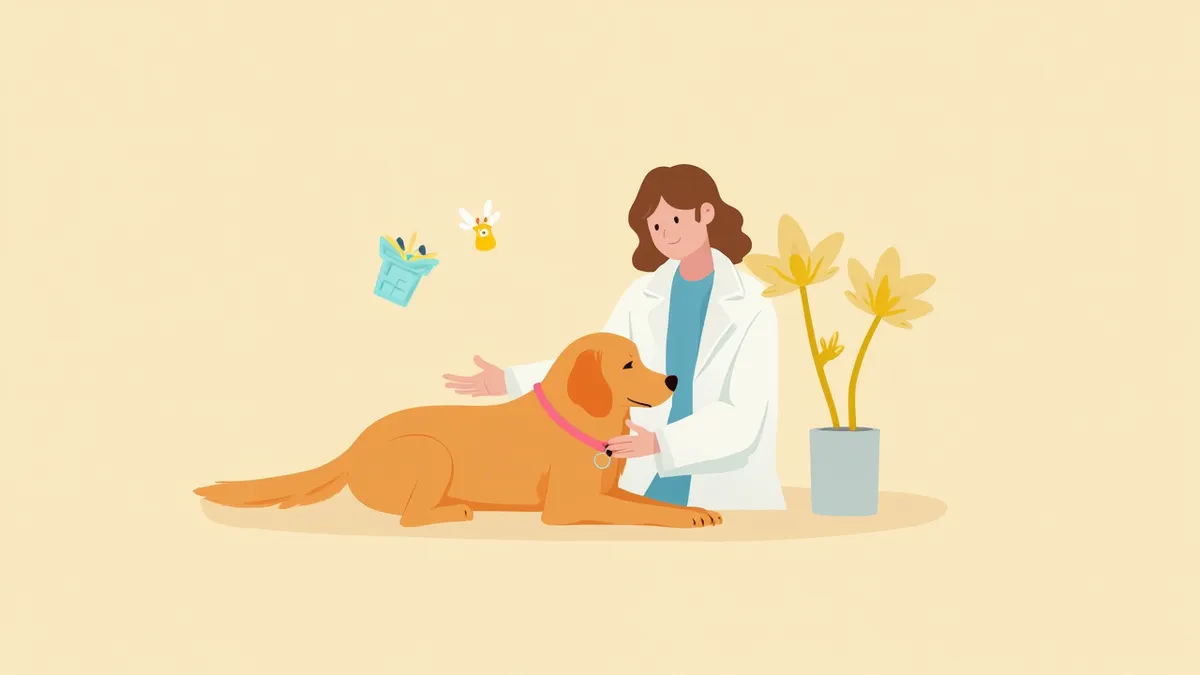
A veterinary clinic scene where a veterinarian is examining a Golden Retriever and explaining the medication.
Antihistamines are medications that block histamine, the substance responsible for allergic reactions, helping to reduce symptoms such as itching, sneezing, and skin rashes. The most important point is that you should never administer human antihistamines to your pet without veterinary guidance. Always obtain a prescription from your veterinarian and confirm the correct dosage based on your pet’s weight before administration. Even if the active ingredient in a veterinary-prescribed antihistamine is the same as in human formulations, the dosage and formulation are completely different.

What Symptoms Are Treated with Antihistamines?

Antihistamines are used to treat a variety of allergy-related symptoms. Here are some common cases where veterinarians prescribe them:
Atopic dermatitis: Used to relieve chronic itching caused by environmental allergies (such as dust mites and pollen)
Insect bite reactions: Helps quickly reduce swelling or hives after being stung by bees or bitten by mosquitoes
Adjunct therapy for food allergies: Used alongside dietary management to help suppress itching symptoms
Preventive administration for allergy flare-ups: Antihistamines are more effective at blocking histamine when given consistently before an allergic reaction begins. Preventive dosing is often recommended before allergy season or exposure to known triggers

Comparison of Commonly Prescribed Antihistamines

ItemCetirizineDiphenhydramineChlorpheniramine
Main useRelieve skin itchingAcute allergy and sedative effectRelieve itching and rhinitis
Degree of drowsinessRelatively lowRelatively highModerate
Route of administrationOral (by mouth)Oral, injectionOral
Use in dogsPossiblePossiblePossible
Use in catsPossiblePossible in small amounts (veterinary confirmation required)Possible

The dose is individually determined by the veterinarian based on body weight and health status

Proper Administration Methods

The effectiveness of antihistamines varies significantly depending on how they are administered. According to veterinary dermatology textbooks, consistent, preemptive administration before an allergic reaction begins yields better results.
Administer consistently: For optimal efficacy, give the medication daily for the duration prescribed by your veterinarian, rather than only when itching occurs.
Give after meals: Administering on an empty stomach can cause vomiting, so it is best to give the medication after your pet has eaten.
Avoid combination medications: Never give human cold medicines containing pseudoephedrine or acetaminophen, as these are strictly prohibited.
Maintain regular intervals: To keep drug levels stable in the body, adhere strictly to the prescribed dosing schedule.
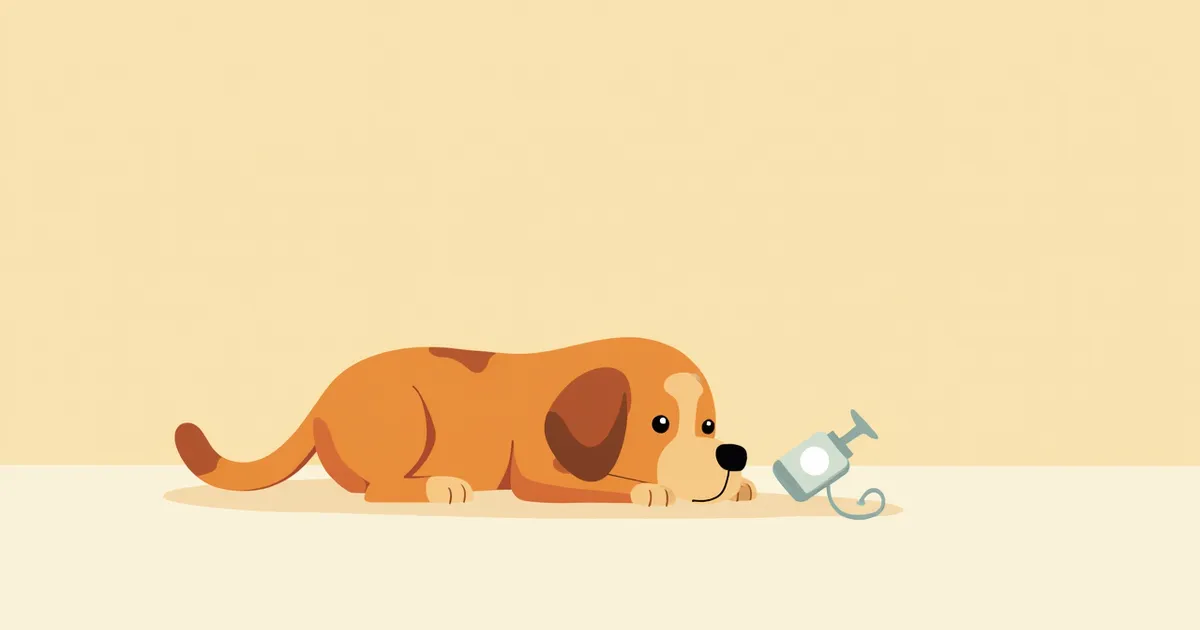
A small puppy trying to eat medicine placed next to its food bowl.

Do Not Administer Human Medications Without Caution

Some human antihistamines sold at pharmacies contain ingredients that can be used for pets, but combination products are very dangerous. In particular, pseudoephedrine, acetaminophen, and xylitol (a sweetener) found in cold medicines and comprehensive allergy medications can cause poisoning even in small amounts. Always consult your veterinarian and use only single-ingredient products.

Antihistamine Side Effects Checklist
Antihistamines are generally safe medications, but they can cause side effects. Please contact your veterinarian if you notice any of the following symptoms:
Drowsiness and lethargy: These are common with first-generation drugs like diphenhydramine. If severe, your vet may consider switching medications.
Vomiting and diarrhea: These often occur when the medication is given on an empty stomach. Administering it after meals can help reduce these symptoms.
Changes in appetite: Appetite may increase or decrease. These changes are usually temporary.
Hyperexcitability (in cats): Cats may exhibit excitement rather than drowsiness.
Excessive drooling: Medications with a strong bitter taste can trigger excessive drooling in cats.
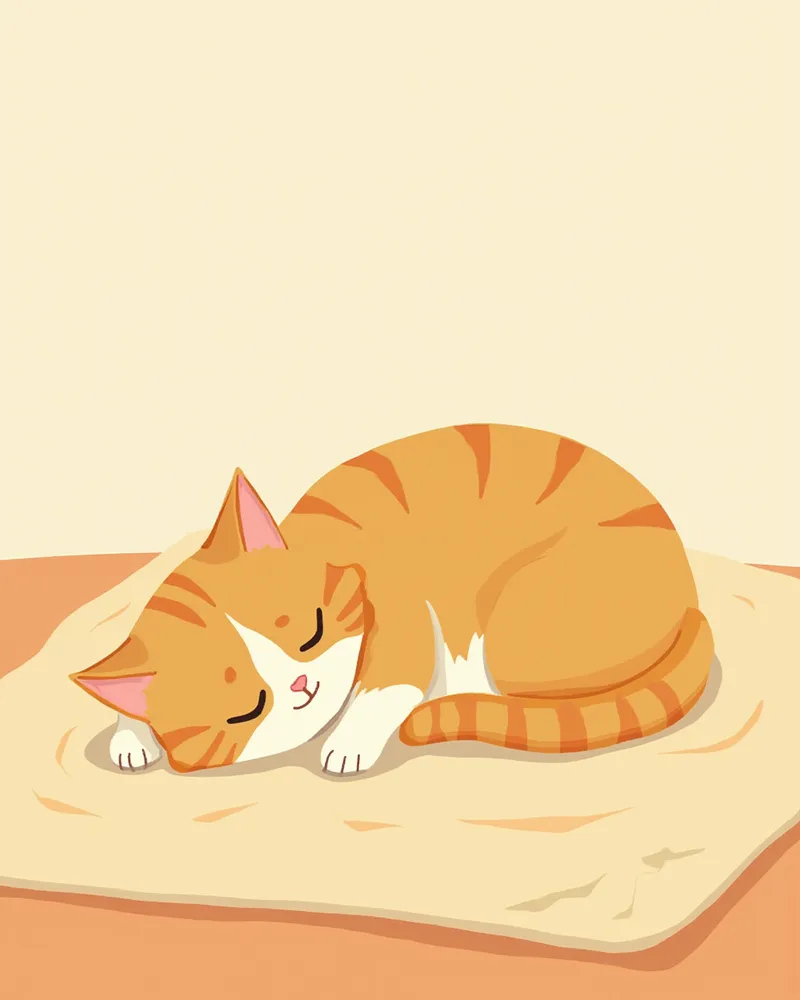
A cat lying on a blanket with a sleepy expression.

When Antihistamines Alone Are Not Enough

Antihistamines alone often fail to provide sufficient relief from itching. According to veterinary dermatology literature, the effectiveness of antihistamines in alleviating pruritus varies significantly among individual animals and tends to be more effective in cases of mild pruritus. In such situations, veterinarians may recommend additional treatments.
Essential fatty acid supplementation: Providing omega-3 and omega-6 fatty acids together can enhance the effects of antihistamines.
Use of medicated shampoos: These help strengthen the skin barrier and prevent bacterial infections.
Immunomodulatory drugs: For severe atopic dermatitis, veterinarians may prescribe additional immunomodulatory medications.
A white puppy being bathed with medicated shampoo at a veterinary clinic.

Cats May React Differently to Medications

Cats metabolize medications differently than dogs—for example, they have a limited ability to perform glucuronidation—so even the same antihistamine can produce different effects. In particular, some antihistamines like hydroxyzine may cause overexcitement or behavioral changes (such as excessive affection) in cats rather than drowsiness. Conversely, diphenhydramine tends to have a strong sedative effect and its bitter taste can make administration difficult. Some liquid formulations also contain alcohol, so always use the specific formulation recommended by your veterinarian.

Reviewed by a veterinarian

Dr. Tony — Punnawat Phongkittirak

Dr. Tony — Punnawat Phongkittirak

Veterinarian

A veterinarian who majored in veterinary medicine at Khon Kaen University, Thailand, and completed the IVSA program at North Carolina State University in the United States. Drawing on clinical experience at animal hospitals, he works in the pet healthcare field and is dedicated to building a digital care environment that connects pet parents with veterinarians.

Frequently Asked Questions

Can I give my dog human cetirizine?
While veterinarians may prescribe cetirizine as a single-ingredient medication, the dosage for pets is significantly different from that for humans. Always confirm the appropriate weight-based dose with your veterinarian before administering it. Never use combination products containing additional active ingredients.
Is it safe to give antihistamines to my pet every day?
In some cases, long-term administration under veterinary prescription is necessary. This is particularly effective for chronic conditions like atopic dermatitis, where consistent use is beneficial. However, regular liver and kidney function tests are recommended.
I gave my pet an antihistamine, but they’re still scratching. Is it not working?
Antihistamines alone may not sufficiently relieve itching. Discuss with your veterinarian about complementary approaches such as essential fatty acid supplementation, medicated shampoos, or switching to a different class of medication.
My dog is very drowsy after taking an antihistamine. Is this normal?
First-generation antihistamines (such as diphenhydramine) commonly cause drowsiness as a side effect. If the drowsiness is severe enough to interfere with daily activities, your veterinarian may switch your pet to a less sedating medication like cetirizine, so please let them know.
It’s tough to give my cat antihistamines. Are there any good methods to make it easier?
Cats are sensitive to bitter tastes and often spit out their medication. It’s best to mix it with a small amount of wet food or learn proper pill-administration techniques from your veterinarian. In some cases, compounding pharmacies can create customized formulations with added flavoring.

Share

Related Guides

References

[1] Jim E. Riviere, Mark G. Papich, Handbook of Veterinary Pharmacology, Chapter 3: Autacoids and Their Antagonists

[2] Hilary Jackson, Rosario Marsella, BSAVA Manual of Canine and Feline Dermatology, 4th Edition, Antihistamine Therapy Section

[3] Susan Little, The Cat: Clinical Medicine and Management, 2nd Edition, Table 25.3: Commonly Used Antipruritic Drugs for Atopic Cats

[4] Lesley G. King, Textbook of Respiratory Disease in Dogs and Cats, Chapter 32, Table 32-1: Doses of Drugs Used to Treat Respiratory Diseases

This information is based on veterinary literature and does not replace diagnosis or treatment. Please consult a veterinarian for specific health concerns.

Metapet Co., Ltd. | CEO: Park Sung-yong | Business Reg. No. 417-88-02562 | Seoul, South Korea | Customer Center

Antihistamines for Dogs & Cats: Use and Side Effects Guide | Meongsiljang