
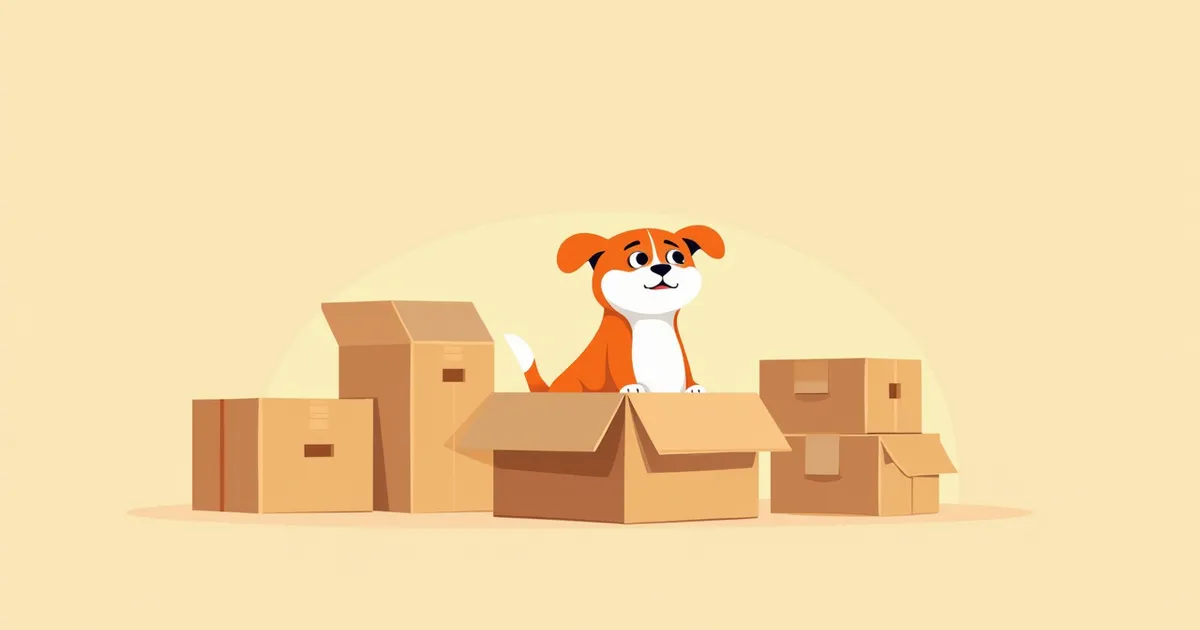
If Your Dog Is Anxious After Moving — How to Reduce Environmental Change Stress
Moving or changing environments can cause stress in dogs. Here’s a summary of key questions and coping strategies that pet owners should know.
Dog Moving and Environmental Change Stress Is a Behavioral Issue That Varies Depending on the Owner and Environment.
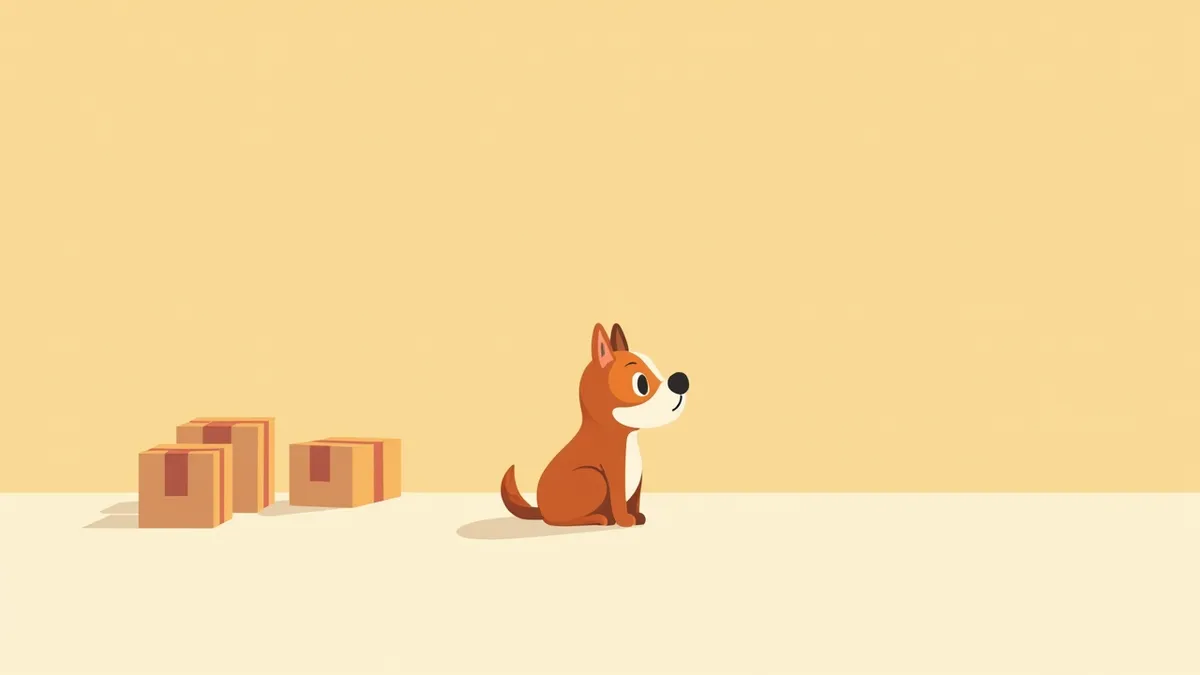
The Main Causes of Moving Stress Are Environmental Uncertainty and the Disruption of Daily Routine.
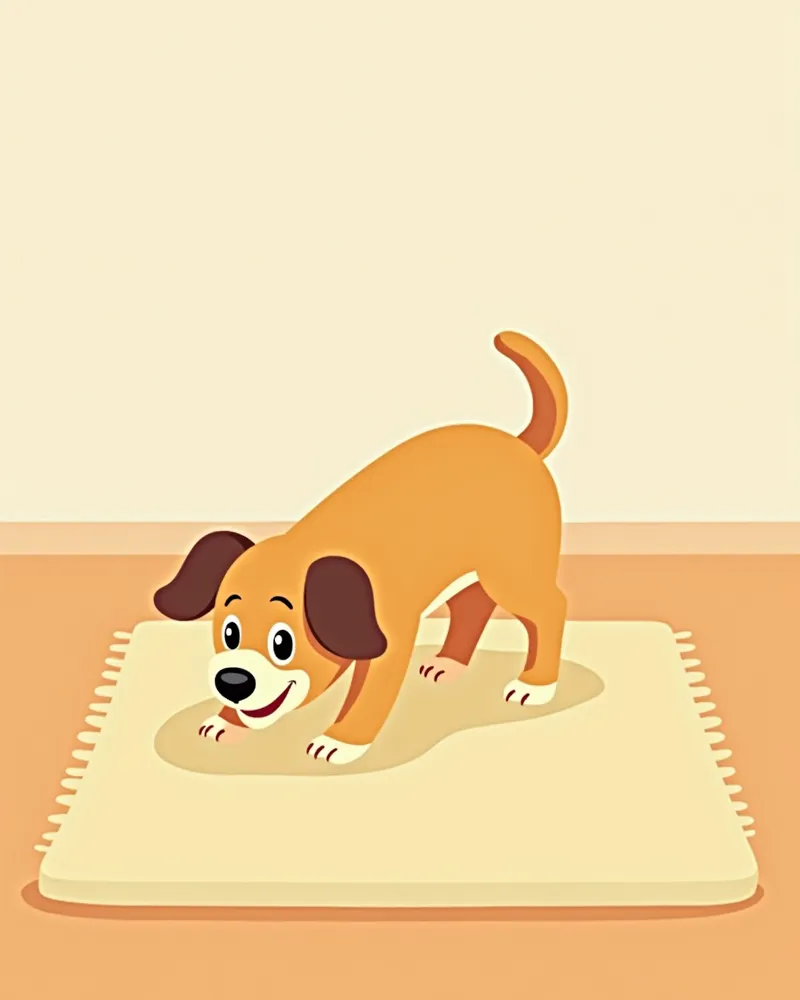
Identify the Main Signs of Moving Stress.
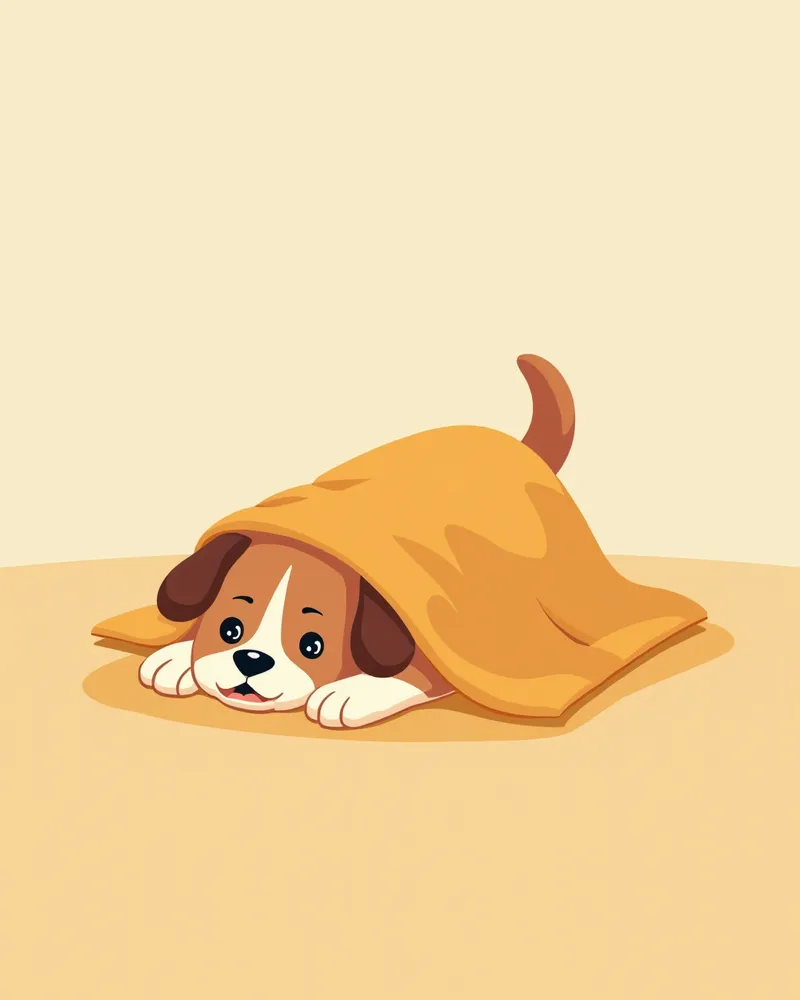
When Immediate Veterinary Visit Is Necessary
If your dog persistently refuses food or shows physical symptoms like vomiting or diarrhea, it’s a good idea to consult with a veterinarian. Dogs that are unwell may become more anxious and defensive, so if you notice a sudden change in behavior, it’s important to first check for underlying medical causes such as pain or illness.
Coping Strategies Before and After Moving Should Be Prepared Step by Step.
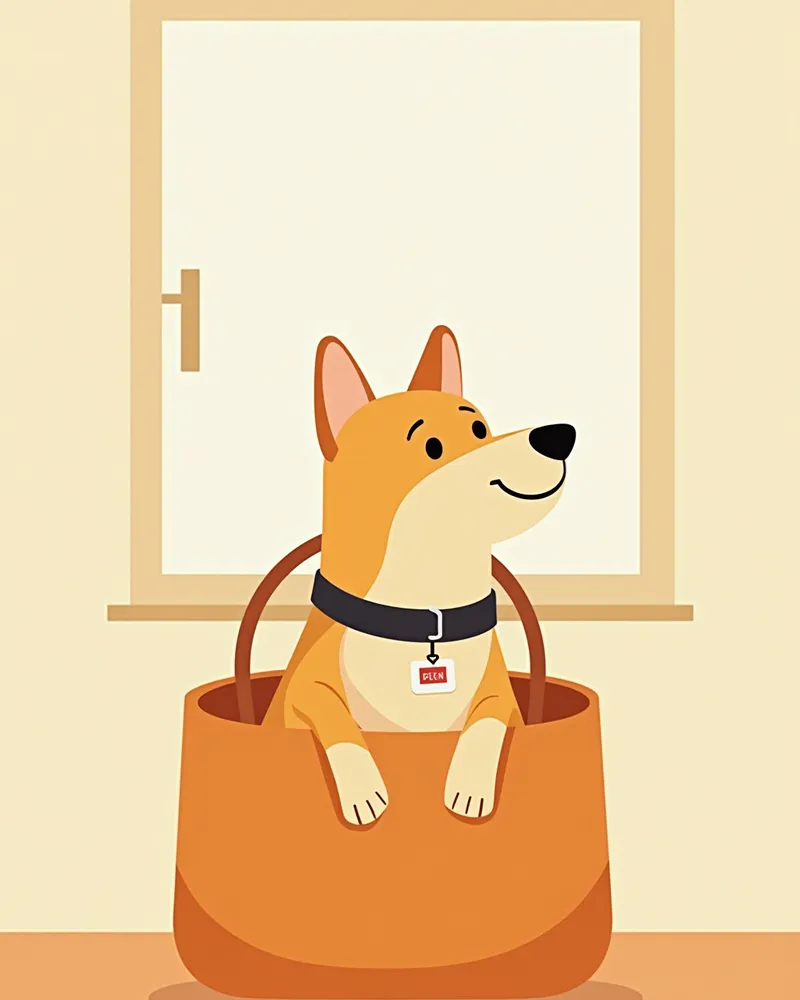
Management Methods for Restoring Daily Routine After Moving
Comparison Table of Coping Strategies Before, During, and After Moving
| Item | Key Actions | Precautions | Effect |
|---|---|---|---|
| 2 weeks before moving | Move personal items in advance | Make the new home's scent familiar | Maintain daily routines |
| Moving day | Isolate the dog and keep it calm | Keep walk and mealtimes consistent | Minimize noise and movement |
| 1 week after moving | Begin restoring the routine | Provide a safe space | No excessive interference |
| 2 weeks to 1 month after moving | Encourage exploring the new environment | Diversify walking locations | Secure regular play time |
Moving stress manifests differently depending on the dog's temperament and experiences, so observe your own dog's reactions and adjust accordingly.
Caution: Repeated Stress Can Lead to Behavioral Problems
If your dog continues to show behaviors such as decreased appetite, changes in elimination habits, or increased aggression after moving, it’s a good idea to consult a veterinarian or a veterinary behaviorist. Early recognition of anxiety symptoms and their triggers is crucial, and when needed, combining behavior modification techniques with medication can help improve your dog’s quality of life.
Reviewed by a veterinarian

Dr. Tony — Punnawat Phongkittirak
VeterinarianA veterinarian who majored in veterinary medicine at Khon Kaen University, Thailand, and completed the IVSA program at North Carolina State University in the United States. Drawing on clinical experience at animal hospitals, he works in the pet healthcare field and is dedicated to building a digital care environment that connects pet parents with veterinarians.
Reviewed 2026-06-01
Frequently Asked Questions
What should you prepare in advance for your dog before moving?
What should I do with my dog on moving day?
What should I do if my pet hasn’t settled in after a week of moving?
My dog has lost its appetite after moving. What should I do?
How long does it take for a dog to adjust to a new home after moving?
Share
Related Guides
7 Behavioral Enrichment Strategies for Mental Stimulation Recommended by Veterinarians
Top 5 Calming Supplements for Dogs and Cats in 2026
L-Theanine Effects and Calming Support
Why does my dog bark and bite at strangers? — Causes and when to start correction
Is Your Dog Depressed After Losing a Companion? — Signs of Grief and Recovery Care
Can dogs and children live together safely? — How to prevent dog bites
My cat keeps repeating the same behavior — Is this repetitive behavior disorder normal?
What is feline behavioral enrichment? — A guide to creating a stress-reducing environment
Guide to Telemedicine (Remote Veterinary Care)
Guide to Safe Storage of Pet Food and Treats
References
[1] Anderson, K.H., Yao, Y., Perry, P.J. et al. (2022). Case distribution, sources, and breeds of dogs presenting to a veterinary behavior clinic in the United States from 1997 to 2017. Animals 12(5): 576.
[2] Introduction to Animal Behavior and Veterinary Behavioral Medicine, Chapter 15. Springer, 2023.
[3] The Dog Care Handbook, Things I Wish My Vet Had Told Me, 2024 Edition. Penguin Random House.