
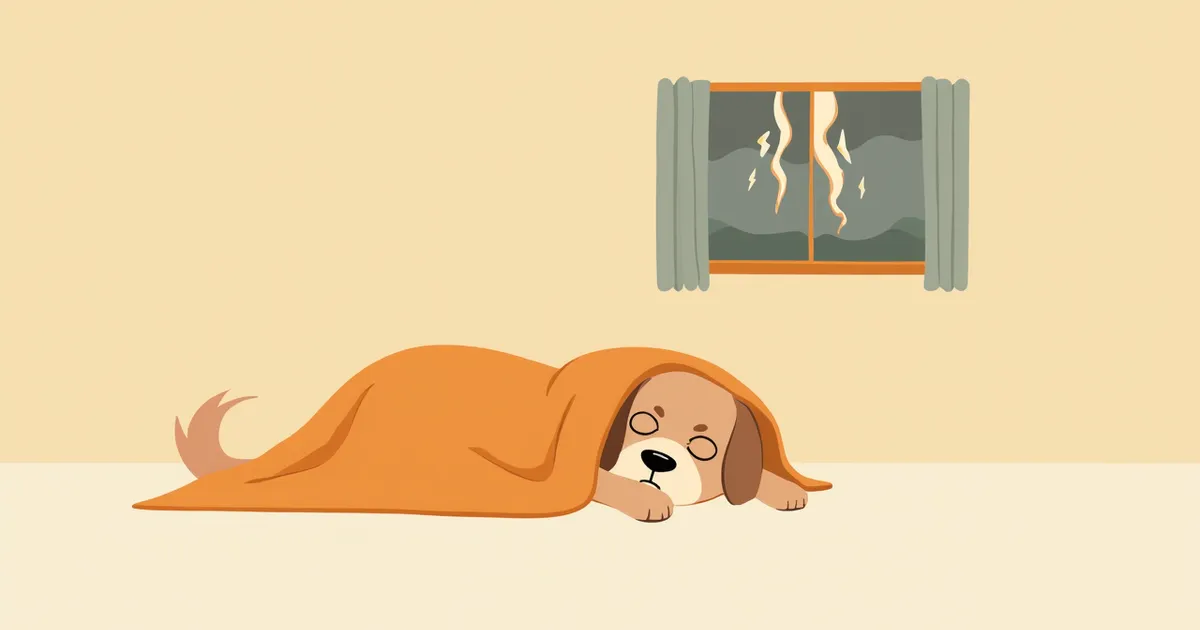
What is thunderstorm phobia in dogs? — Why are they afraid and how to calm them down
Thunderstorm phobia in dogs is a behavioral disorder characterized by an excessive fear response to sudden noises. Knowing the right way to handle it can significantly reduce your dog’s stress.
Thunderstorm phobia in dogs is a behavioral issue that varies depending on the owner and environment
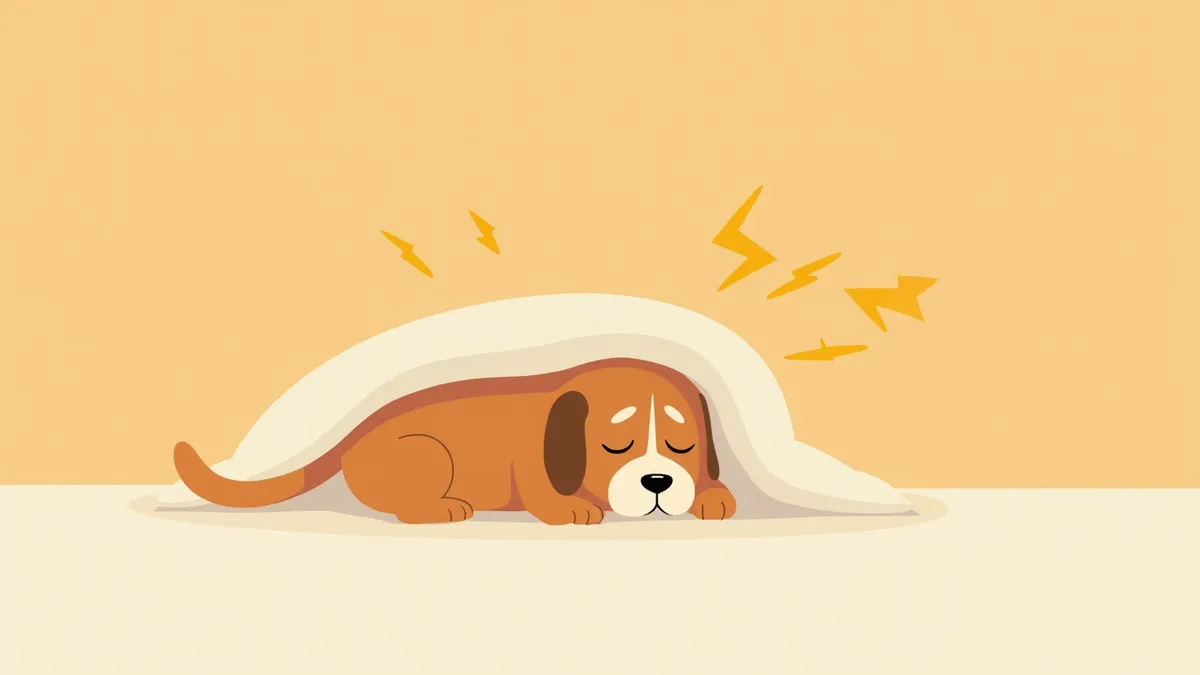
The causes of thunderstorm phobia involve a complex interplay of biological instincts and environmental factors

Identify the main symptoms and behavioral signals
Cases requiring immediate veterinary care
If your dog reacts severely to thunderstorms with difficulty breathing, excessive panting and lip-licking, rapid heartbeat, fainting, or sudden collapse, seek veterinary care immediately. Difficulty breathing, in particular, is an emergency sign requiring prompt medical intervention and may indicate that extreme stress has escalated into a physiological crisis.
Apply coping methods and management strategies step by step

Comparison of coping methods for mild, moderate, and severe cases
| Item | Main Symptoms | Recommended Response | Support Needed |
|---|---|---|---|
| Mild | Trembling, hiding | Block noise + provide a calm space | Owner's presence, environmental management |
| Moderate | Persistent barking, house soiling | Environmental management + gradual behavior modification training | Behavior specialist consultation recommended |
| Severe | Fainting, respiratory distress, aggression | Veterinarian-prescribed medication + concurrent behavioral therapy | Joint management by veterinarian and behavior specialist |
You should adjust your response strategy based on symptom severity. If it's a sudden change, first rule out medical causes such as pain, and taking appropriate action early can prevent worsening.
Tips for long-term management and prevention

Caution: Incorrect handling can worsen symptoms
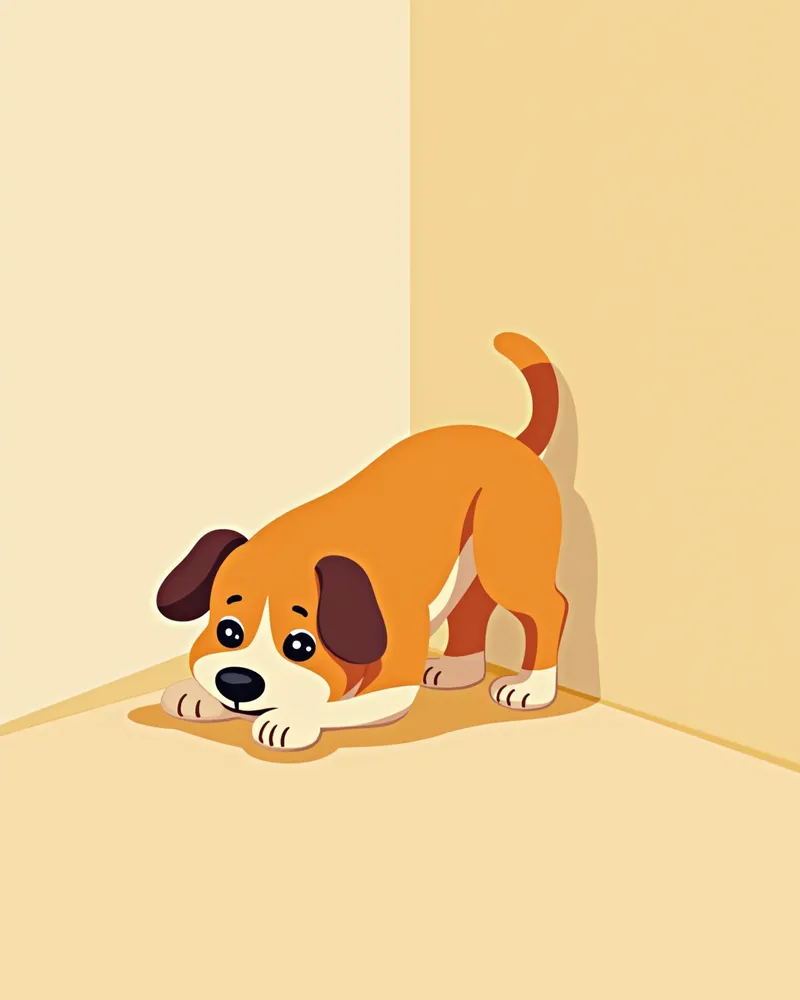
When your dog is experiencing intense fear, do not force them to confront the noise by blocking their escape with a leash or confining them in a tight corner. Preventing escape can intensify their fear and may lead to defensive aggression. Instead, allow your dog to hide in a safe space of their own choosing, and calmly stay by their side. Maintaining your own composure is the most effective approach.
Reviewed by a veterinarian

Dr. Tony — Punnawat Phongkittirak
VeterinarianA veterinarian who majored in veterinary medicine at Khon Kaen University, Thailand, and completed the IVSA program at North Carolina State University in the United States. Drawing on clinical experience at animal hospitals, he works in the pet healthcare field and is dedicated to building a digital care environment that connects pet parents with veterinarians.
Reviewed 2026-06-01
Frequently Asked Questions
Can thunderstorm phobia in dogs be treated?
How do you conduct simulated thunderstorm training?
Are calming wraps really effective?
When should medication treatment begin?
What should you do if your dog reacts to thunder?
Share
Related Guides

7 Behavioral Enrichment Strategies for Mental Stimulation Recommended by Veterinarians
Top 5 Recommended Cognitive Supplements for Cats in 2026

Top 5 Calming Supplements for Dogs and Cats in 2026
Fluoxetine (Prozac) Behavioral Medication Guide
How to Use Famotidine (Hydroferan) for Stomach Acid Control
Why Use Benazepril for Dogs? — Heart and Kidney Protection Effects and Precautions

What is Omeprazole for Dogs and Cats? — Effects of the Acid-Suppressing Medication and Precautions
What is Enalapril? — A Dog Heart Medication: Is It Really Necessary for Your Pet?

Ondansetron: The Ultimate Guide to a Potent Antiemetic for Dogs and Cats
Carprofen (Rimadyl) Pain Reliever Guide
References
[1] Cottam, N., Dodman, N.H., and Ha, J.C. (2013). The effectiveness of the anxiety wrap in the treatment of canine thunderstorm phobia: an open-label trial. J. Vet. Behav. 8: 154–161.
[2] Takahashi LK, Nakashima BR, Hong H, Watanabe K. The smell of danger: a behavioral and neural analysis of predator odor-induced fear. Neurosci Biobehav Rev 2005;29(8):1157–67.
[3] Hewson, C.J., Luescher, U.A., and Ball, R.O. (1999). The use of chance-corrected agreement to diagnose canine compulsive disorder: an approach to behavioral diagnosis in the absence of a 'Gold Standard'. Can. J. Vet. Res. 63 (3): 201–206.