Like
Share
멍실장
고양이 경구 예방약(이소옥사졸린 계열) 자주 묻는 질문 Q&A — 보호자가 꼭 알아야 할 핵심

Frequently Asked Questions (FAQ) on Feline Oral Preventives (Isoxazoline Class) — Key Information for Pet Owners

Infection/ParasitesQ&AMeongsiljang Veterinary Advisory Board

Feline oral preventives (isoxazoline class) are medications that effectively prevent external parasites. Here’s a summary of the key information pet owners should know.

What are feline oral preventives (isoxazoline class)?

Forms of oral preventive medications for cats
Isoxazoline-based oral preventatives for cats effectively repel major external parasites such as fleas and ticks. Once administered orally, the medication becomes active in the body, paralyzing the parasites' nervous systems and ultimately killing them. A single dose provides approximately one month of continuous protection, making administration convenient. It is essential to use the correct dosage based on your cat's weight and to administer the medication under veterinary guidance for safety. Always measure your cat's weight and check their health status before giving the medication.

Which parasites are these medications effective against?
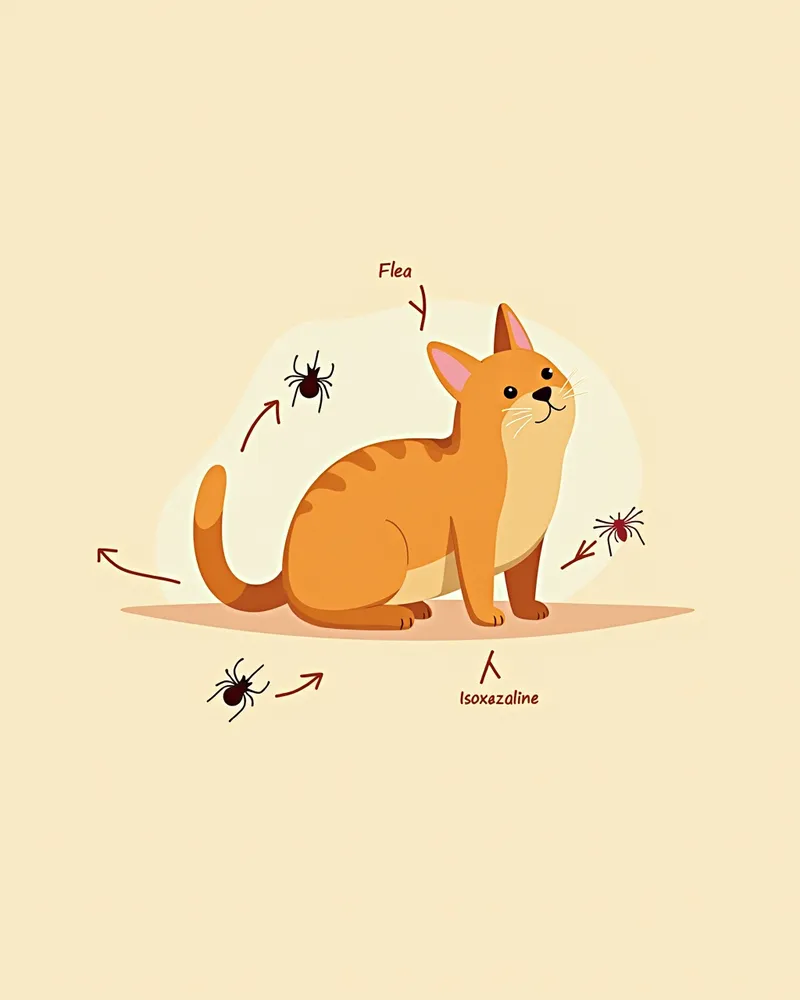
Isoxazoline-class medications offer excellent protection against major external parasites such as fleas and ticks. These drugs work by blocking chloride channels (GABA and glutamate receptors) in the nervous systems of arthropods like insects and ticks, paralyzing and ultimately killing the parasites. Because they have minimal effect on the receptors of mammals such as humans and cats, they are relatively safe. After oral administration, the medication is rapidly absorbed and distributed throughout the body, reaching parasites as they feed on blood. A single dose provides continuous protection for approximately one month, so regular administration every four weeks is typically recommended. It is important to use the correct dosage based on your cat’s weight, and for safety, be sure to review the precautions before use and consult with your veterinarian.
Parasites targeted by isoxazoline-class medications

How should this medication be administered?

This medication is administered orally, typically on a regular schedule of once every four weeks (approximately one month). It is essential to use the exact dosage prescribed by your veterinarian based on your cat’s weight. Before each dose, confirm your cat’s current weight and overall health status, and strictly follow your veterinarian’s instructions. The drug is rapidly absorbed into the body after oral administration. Since the method of administration may vary depending on the specific product, always refer to the product instructions and your veterinarian’s guidance for the most accurate approach. Keeping a record of administration dates can also be helpful.
How to Administer Medication to Cats

What are the main side effects of this medication?

Common side effects of this medication include vomiting, drooling, diarrhea, and loss of appetite. Although rare, neurological symptoms such as seizures, ataxia, muscle tremors, and disorientation may occur. These neurological signs are more frequently observed with overdoses exceeding the therapeutic dose, but they can also appear at therapeutic doses in animals with a history of seizures, warranting extra caution. Symptoms may manifest immediately after administration or be delayed by several hours. Closely monitor your cat for any behavioral changes after dosing, and if any abnormal signs appear, discontinue use immediately and consult your veterinarian. If a side effect is suspected, bring a detailed record of the medication administration to your veterinary clinic for evaluation.
Symptoms of drug side effects in cats

Contraindications for this medication

Cats that have previously shown adverse reactions (side effects) to this medication should avoid taking it. Additionally, cats with a history of seizures (convulsions) or neurological disorders may experience neurological side effects even at therapeutic doses, so caution is advised. Always consult your veterinarian before administering the medication, and stop use immediately if any unusual symptoms occur during treatment.

What precautions should be taken when administering this medication?

Medications must be dosed precisely according to your cat’s body weight, as overdosing can increase the risk of neurological side effects and pose serious dangers. After administration, carefully monitor your cat for any changes in behavior. If you notice any abnormal symptoms such as vomiting, diarrhea, lethargy, ataxia (loss of coordination), or seizures, stop giving the medication immediately and consult your veterinarian. Cats with a history of seizures require especially close observation. Adverse reactions may not appear immediately but can develop several hours later, so it is important to keep a close watch on your cat throughout the day of administration. Always follow your veterinarian’s instructions when giving medication, and it is recommended to keep a record of the dosing schedule. It is also important to assess your cat’s overall health status before administering any medication.
Monitoring your cat’s condition after administering medication

Comparison table of isoxazoline-class medications

ItemDuration of ActionMajor Side EffectsCases Requiring Caution
Provitide1 monthVomiting, diarrheaAvoid if there was a previous adverse reaction
Flavotide1 monthDrowsiness, decreased appetiteUse caution if there is a history of seizures (convulsions)
Isotide1 monthConvulsions, ataxiaUse caution if there is seizure or neurological disease

Cats with a history of seizures (convulsions) or neurological disease, or that have shown adverse reactions before, must be consulted with a veterinarian before administration.

What pet owners should monitor when administering this medication

Carefully monitor your cat’s behavior after administering medication. If you notice any abnormal symptoms such as vomiting, diarrhea, lethargy, ataxia, or seizures, stop the medication immediately and consult your veterinarian. Adverse reactions may appear not only right after dosing but also several hours later, so pay close attention on the day of administration. Cats with a history of seizures are at higher risk for neurological side effects and require even more vigilant monitoring. Always use the correct dose based on your cat’s weight, and strictly follow your veterinarian’s instructions. Keeping a record of dosing schedules can be helpful. Check your cat’s health status before giving the medication, and postpone administration if any abnormalities are detected.
Caregiver checklist after administering medication

Reviewed by a veterinarian

Dr. Tony — Punnawat Phongkittirak

Dr. Tony — Punnawat Phongkittirak

Veterinarian

A veterinarian who majored in veterinary medicine at Khon Kaen University, Thailand, and completed the IVSA program at North Carolina State University in the United States. Drawing on clinical experience at animal hospitals, he works in the pet healthcare field and is dedicated to building a digital care environment that connects pet parents with veterinarians.

Frequently Asked Questions

Does this medication need to be given every day?
No, this medication is typically administered once every four weeks (approximately one month). Adhering strictly to this dosing schedule is essential to maintain consistent preventive efficacy.
Can I give my pet food right after administering this medication?
The way you administer medication varies by product. For some oral medications, giving them with food can actually help with absorption, so the most reliable approach is to follow the product instructions and your veterinarian's guidance.
Can cats with a history of seizures (convulsions) take this medication?
Cats with a history of seizures or neurological disorders may experience neurological side effects even at therapeutic doses, so they should be used with caution. Additionally, if your cat has previously shown adverse reactions to this medication, avoid administering it and always consult your veterinarian before use.
Does this medication need to be continued into next year?
Yes, parasites can be present year-round, so it's a good idea to consult with your veterinarian and maintain a consistent prevention schedule.
What should I do if my cat gets sleepy after taking medication?
Drowsiness may be a temporary side effect. However, if it persists or worsens, or if accompanied by symptoms such as loss of coordination, tremors, or seizures, consult your veterinarian immediately. Avoid making your own judgment and closely monitor your pet’s condition.

Share

Related Guides

References

[1] Plumb's Veterinary Drug Handbook, 9th Edition. 2022. Wiley-Blackwell.

[2] American Association of Feline Practitioners (AAFP). Feline Parasite Control Guidelines. 2021.

[3] Veterinary Clinical Pharmacology and Therapeutics. 2020. Edited by J. A. M. H. van der Velden. Elsevier.

This information is based on veterinary literature and does not replace diagnosis or treatment. Please consult a veterinarian for specific health concerns.

Metapet Co., Ltd. | CEO: Park Sung-yong | Business Reg. No. 417-88-02562 | Seoul, South Korea | Customer Center

Feline Oral Preventives (Isoxazoline): Owner FAQ | Meongsiljang