
Vision Care for Senior Dogs (Lighting & Slip Prevention)
Here are some tips for creating a safe indoor environment for senior dogs with declining vision. We’ll share practical steps you can take right away, including adjusting lighting, using non-slip mats, and rearranging furniture.
What Is Vision Care for Senior Dogs?
Why Do Senior Dogs Lose Their Vision?
Caregiver Checkpoints by Stage of Vision Loss
| Item | Early stage | Middle stage | Late stage |
|---|---|---|---|
| Behavioral changes | Hesitates in dark places | Starts bumping into furniture | Freezes in unfamiliar places |
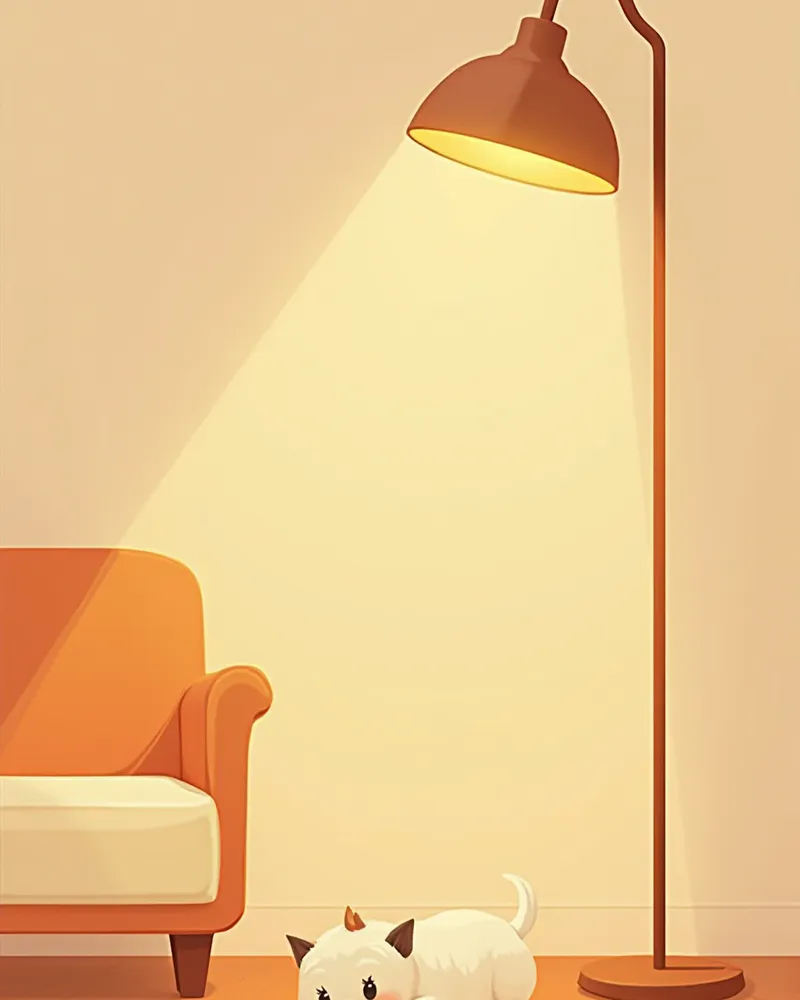
| Lighting needed | 1–2 indirect night lights | Constant lights in living room & hallway | Soft constant lighting throughout |
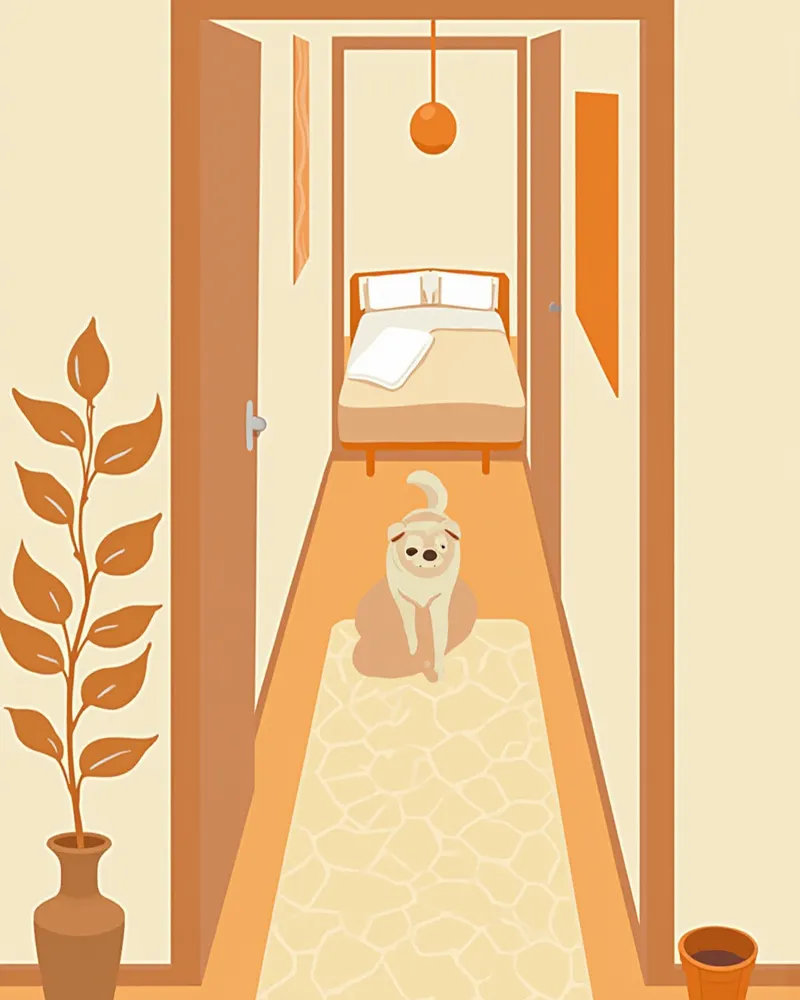
| Floor measures | Mats along main pathways | Mats across the whole living room | Non-slip flooring throughout the home |
| Recommended actions | Annual eye exam | Exam every 6 months | Keep environment & scents unchanged |
Getting an accurate assessment of the eye condition from a veterinarian comes first
Adjust Your Home Lighting Like This
Go to the Vet Immediately for These Signs
Sudden complete loss of night vision, sudden blurring in one eye, persistent squinting or keeping the eyes closed, or a cloudy white appearance of the pupil rather than a blue tint may indicate an acute condition. In particular, glaucoma can cause optic nerve damage within hours, so do not wait to observe overnight; instead, visit a veterinary clinic with ophthalmology services within 24 hours. Sudden vision loss is also an emergency.
Slip Prevention Is Half of Vision Care
Furniture Placement and Walking Paths Must Be 'Fixed'
Breed-Specific Vision Care Points
Labrador Retrievers and Golden Retrievers are at risk for hereditary eye conditions such as cataracts and retinal dysplasia, making regular ophthalmic examinations especially important. Miniature Schnauzers are associated with rod-cone dysplasia, a form of progressive retinal atrophy (PRA); night blindness, characterized by initial vision loss in dim light, can be an early sign, so vigilance is necessary. Brachycephalic breeds like Shih Tzus and Pugs are prone to dry and injured corneas, requiring the use of artificial tears and careful cleaning around the eyes. Collie breeds, including Border Collies, have been reported to be associated with hereditary retinal diseases such as progressive retinal atrophy (rod-cone dysplasia) and retinal pigment epithelial dystrophy (RPED). Keeping a record of fundus examinations from a young age can greatly assist with eye care in their senior years.
Reviewed by a veterinarian

Dr. Tony — Punnawat Phongkittirak
VeterinarianA veterinarian who majored in veterinary medicine at Khon Kaen University, Thailand, and completed the IVSA program at North Carolina State University in the United States. Drawing on clinical experience at animal hospitals, he works in the pet healthcare field and is dedicated to building a digital care environment that connects pet parents with veterinarians.
Reviewed 2026-04-27
Frequently Asked Questions
My senior dog’s eyes have become cloudy. Does he need surgery right away?
Is it better to leave the lights on in the house at night?
It seems like they’ve lost most of their vision. Is it still okay to continue taking them for walks?
Are there any supplements that can help protect vision?
My senior dog suddenly started bumping into walls and seems anxious. What should I do?
Share
Related Guides
Top 5 Dog Tear Supplements Recommended for 2026
What is Lutein? Effects on Dog Eye Health

The Best Canine Uveitis Management Products and Selection Criteria: A Comprehensive Guide
Complete Guide to Managing Anticonvulsants for Dogs — Key Points for Owners
Feline Skin Cancer (Squamous Cell Carcinoma) in White Cats — Sun Exposure and Prevention Guide
Did Your Dog Drink Alcohol? — Signs of Alcohol Poisoning and When to Go to the Vet
When to Let Go of Our Dog with End-Stage Cancer — Hospice Care and the Euthanasia Decision
End-Stage Kidney Failure in Cats — Symptoms and Euthanasia Decision Guide
Tick-Borne Disease Checklist — What to Check After Your Dog’s Walk
Cats and Essential Oil Diffusers — Why Inhalation Alone Causes Liver Damage
References
[1] Maggs DJ, Miller PE, Ofri R. Slatter's Fundamentals of Veterinary Ophthalmology, 6th ed., Elsevier, 2018
[2] Ettinger SJ, Feldman EC, Côté E. Textbook of Veterinary Internal Medicine: Diseases of the Dog and the Cat, 8th ed., Elsevier, 2017
[3] Fischer CA. Geriatric ophthalmology. Vet Clin North Am Small Anim Pract. 1989;19(1):103–123
[4] Côté E. Clinical Veterinary Advisor: Dogs and Cats, 3rd ed., Elsevier Mosby, 2015