Like
Share
멍실장
강아지 발톱 관리 방법 자주 묻는 질문 Q&A — 보호자가 꼭 알아야 할 핵심

Dog Nail Care FAQ — Key Points Every Owner Must Know

Lifestyle & Age CareQ&AMeongsiljang Veterinary Advisory Board

Proper nail care is essential for your dog’s healthy gait and for preventing skin issues. Learn the right ways to maintain their nails regularly and important precautions to keep in mind.

Why is dog nail care important?
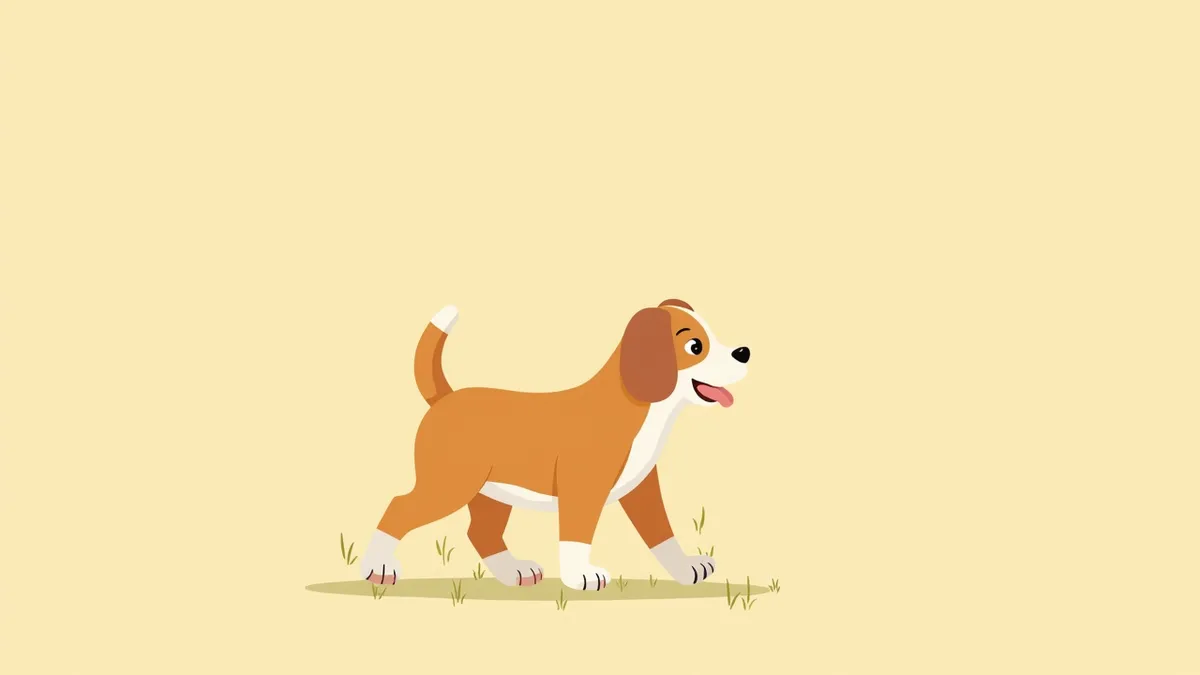
A photo of a puppy walking on grass, with its nails visible.
Proper nail care is essential for maintaining your dog’s healthy gait and paw health. Overgrown nails can alter walking posture, and if they curve excessively, they may press into or even penetrate the paw pads, causing pain and injury. Therefore, it’s important to regularly check your dog’s paws and nails. - Nail Length: Trim the nails when the tips touch the ground, and maintain an appropriate length to prevent overgrowth. - Gait Stability: Severely curved nails that press against the paw pads can cause pain. - Paw Health: Excessively long nails can continuously compress the paw pads and surrounding tissues, increasing the risk of inflammation or infection. Regular, thorough checks of the nails, paw pads, nail beds, and spaces between the toes are key habits that enhance your dog’s quality of daily life.

How often should you trim your dog's nails?
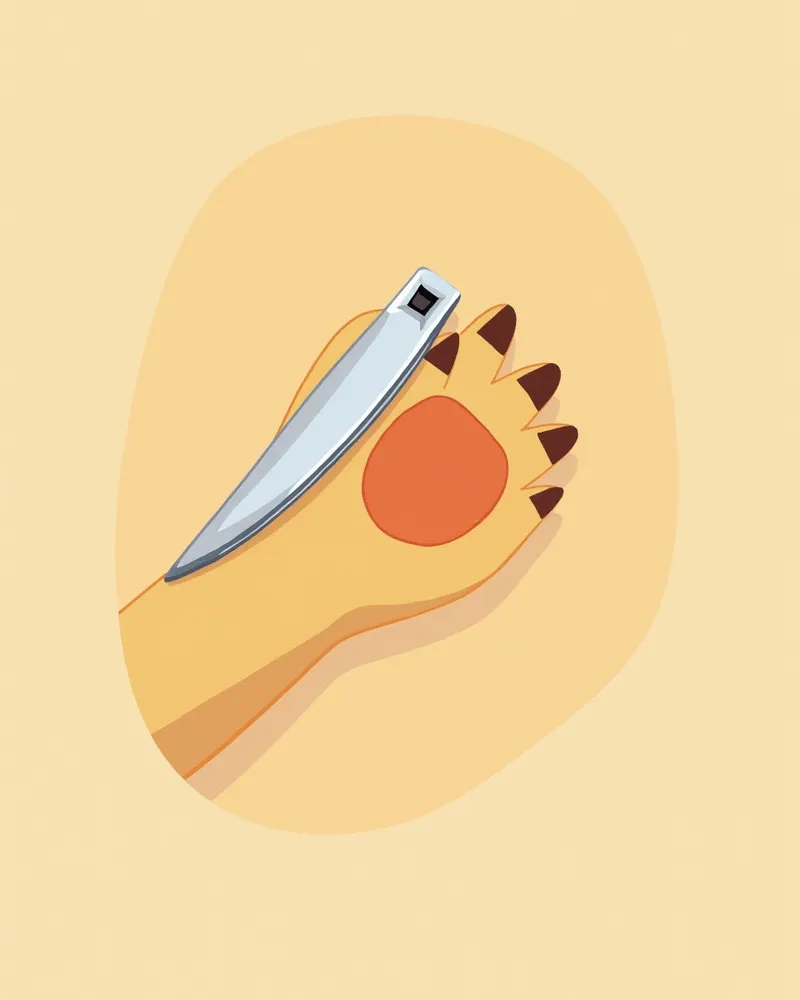
While a dog’s nails may wear down naturally in environments where they walk frequently, dogs with low activity levels or those that only walk on soft surfaces may not experience enough wear, causing their nails to grow long. In such cases, regular checks and maintenance are essential. It’s safest to trim the nails when they become long enough to touch the ground or start curling. - Check frequency: For dogs with thick fur or low activity levels, it’s recommended to check their paws and nails about once a week. - When to trim: It’s best to trim the nails early if they start curling or touching the paw pads. - Over-trimming risks: Cutting too deep can damage the blood vessels inside the nail (the quick). Damage to the quick can lead to permanent nail deformities, so it’s safer to trim small amounts at a time with precision. - Risks of neglect: Overgrown nails can dig into the paw pads, causing pain and mobility issues. Regular nail care is the first step in maintaining your dog’s health.
A photo of a hand holding a tool for trimming a dog's nails.

Which nail trimming tool should you choose?
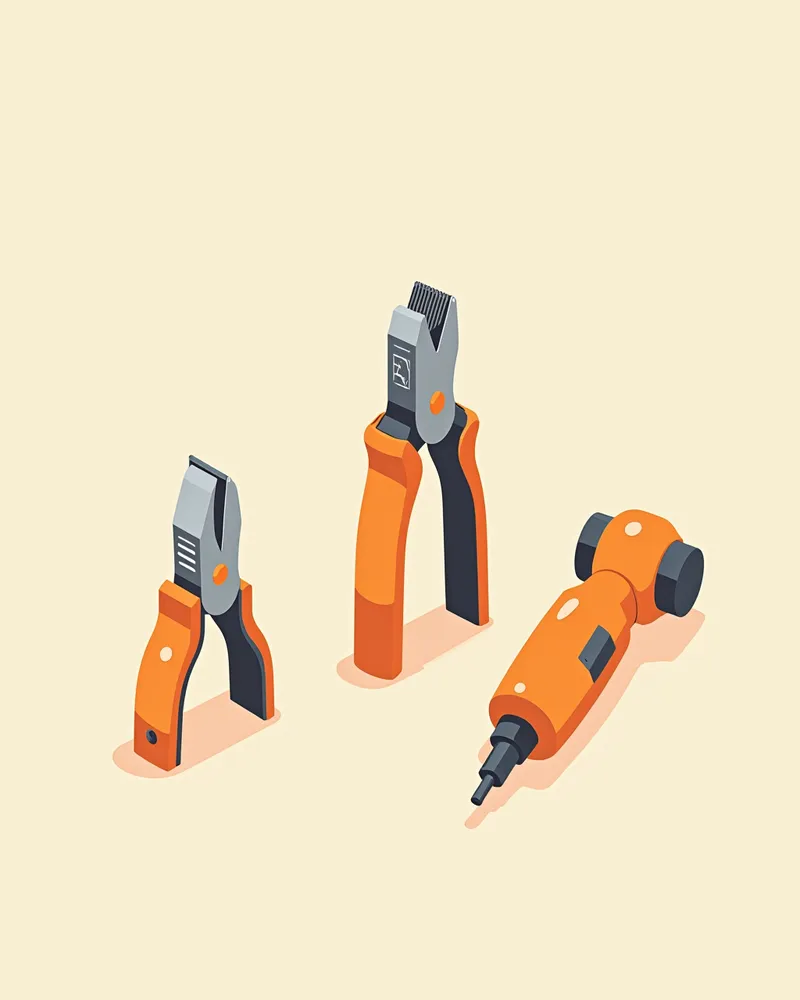
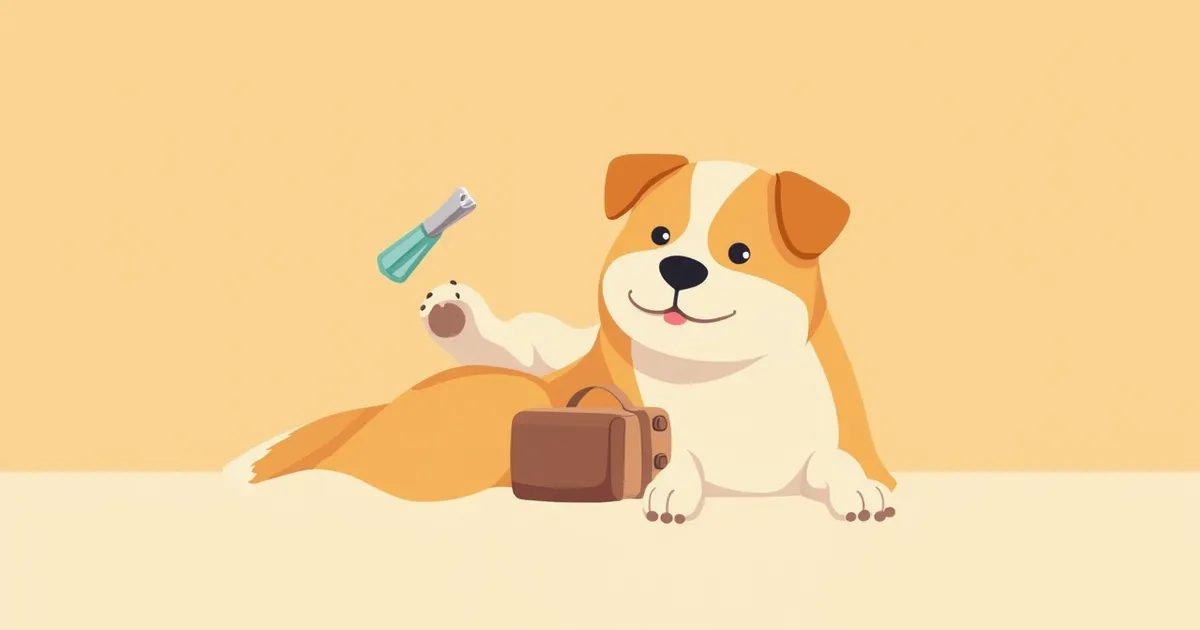
Dog nail clippers come in three main types: scissor-style, guillotine-style, and rotary grinders. - Scissor-style clippers: These offer high precision, making them ideal for small dogs or those with thin nails. - Guillotine-style clippers: With their comfortable handles, these provide stability and are recommended for beginners. - Rotary grinders: Fast and precise, these are favored by many pet owners. - Choosing the right tool: It’s important to select a tool based on your dog’s size and your own comfort level. - Preparation before use: Always keep your tools clean and sharp. Using dull or inappropriate tools can cause injury or damage to your dog’s nails.
Three types of nail clippers: scissor-style, guillotine-style, and electric

What to do if your dog's nail bleeds during trimming?
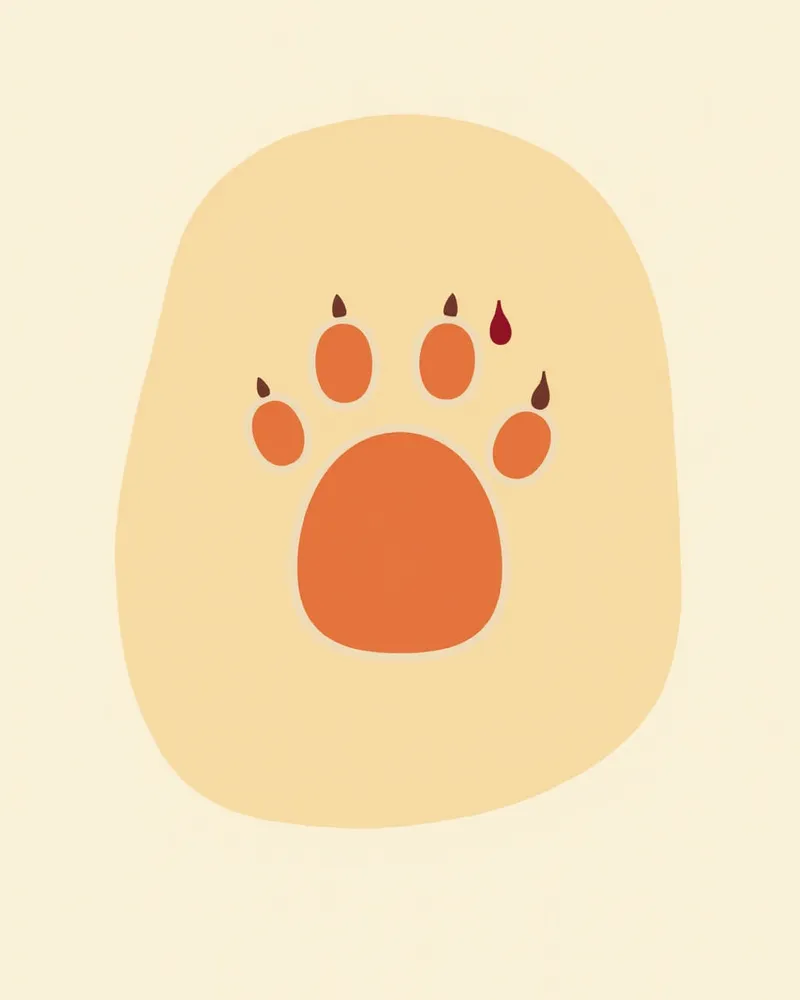
Don’t panic if your pet’s nail bleeds during trimming. It’s likely that you’ve nicked the blood vessel inside the nail (the quick). - Immediate action: First, clean the nail to clearly see the bleeding area, then gently press the tip of the nail with clean gauze or a cotton swab to apply pressure. - Use a styptic agent: Apply styptic powder, liquid, or a styptic sponge to the bleeding spot while maintaining gentle finger pressure. The bleeding usually stops within a few minutes. - Duration of pressure: Light pressure for a few minutes is typically sufficient to stop the bleeding; avoid pressing too hard. - Persistent bleeding: If the bleeding doesn’t stop after a few minutes of pressure, wrap a bandage around the area to maintain compression. If it continues, contact your veterinarian. - Prevention: Trim the nails in small increments to avoid cutting into the quick. In bright light, the blood vessel is often visible in light-colored nails, allowing for safer trimming.
A photo showing a puppy's nail bleeding.

Comparison of Nail Trimming Tools

ItemAdvantagesDisadvantagesRecommended For
Scissor-type toolHigh precision, suitable for small nailsSmall handle makes control difficultSmall dogs, beginners
Scissor-type clipperHandle provides stabilitySlightly difficult for small nailsMedium dogs, beginners
Pen-type clipperFast cutting, high accuracyMay strain the fingersAdult dogs, experienced owners
Rotary grinderQuiet and smooth cutting, suitable for long nailsStressful for dogs sensitive to noiseHighly active dogs, experienced owners

Tool selection should match the dog's size, nail shape, and the owner's dexterity and experience. Avoid tools that crush or compress the nail as they may cause discomfort, and with rotary tools it is important to learn how to use them and start slowly.

Caution: Take Immediate Action if Bleeding Occurs During Trimming

When trimming your pet’s nails, you may accidentally cut the quick (the blood vessel matrix inside the nail). If bleeding occurs, first clean the nail thoroughly, then apply pressure to the tip with gauze or a cotton swab, and use a hemostatic powder or solution. If the bleeding doesn’t stop after a few minutes of pressure, wrap the area with a bandage to maintain pressure. If bleeding persists, please visit a veterinary clinic.

5 Essential Tips for Nail Care

Trimming your dog’s nails isn’t just a routine task—it’s an opportunity to build trust. Start by gently touching their nails to help them get used to the sensation. - Desensitization: Gently handle your dog’s nails and offer positive rewards to reduce anxiety. - Quiet environment: Choose a calm, quiet space, proceed slowly, and closely observe your dog’s reactions. - Small increments: For safety and comfort, trim only small amounts at a time. - Regular checks: Inspect nails regularly; if they become curved or touch the ground, address it immediately. - Reward system: Providing treats during or after trimming helps create positive associations. Consistent practice is key.
A photo of a puppy gently touching its owner’s hand while sitting quietly.

Reviewed by a veterinarian

Dr. Tony — Punnawat Phongkittirak

Dr. Tony — Punnawat Phongkittirak

Veterinarian

A veterinarian who majored in veterinary medicine at Khon Kaen University, Thailand, and completed the IVSA program at North Carolina State University in the United States. Drawing on clinical experience at animal hospitals, he works in the pet healthcare field and is dedicated to building a digital care environment that connects pet parents with veterinarians.

Frequently Asked Questions

How long does it take to trim a dog’s nails?
At first, it may take about 5 to 10 minutes, but with repeated practice, you'll become more comfortable and can complete it within 2 to 3 minutes. Taking your time and proceeding calmly is the safest approach.
What should I do if my pet’s nails are too long?
If your pet’s nails are too long, it’s safer to trim them gradually in small increments every two to three days rather than cutting off too much at once. This step-by-step approach helps you adjust the length safely and comfortably.
Where should I buy nail clippers?
You can purchase these products at pet specialty stores, online retailers, or from veterinarian-recommended brands. It is important to choose tools that are the right size and shape for your pet.
How can I help my dog who dislikes having their nails trimmed?
Start by gently touching your pet’s nails and offering rewards to help them get used to it. Gradually and repeatedly practicing the trimming process will help reduce their tension.
Are electric grinders safe?
Once you learn the proper way to use it and start slowly, it can be used safely. For dogs that are sensitive to noise, it’s best to begin in a quiet environment.

Share

Related Guides

References

[1] American Veterinary Medical Association. (2022). Guidelines for Routine Preventive Care in Dogs. AVMA Press.

[2] The Cat, Clinical Medicine and Management, 2nd Edition. (2021). Chapter 8: Preventive Health Care for Cats. Elsevier.

[3] Plumb's Veterinary Drug Handbook, 9th Edition. (2023). Wiley-Blackwell.

This information is based on veterinary literature and does not replace diagnosis or treatment. Please consult a veterinarian for specific health concerns.

Metapet Co., Ltd. | CEO: Park Sung-yong | Business Reg. No. 417-88-02562 | Seoul, South Korea | Customer Center

5 Common Questions About Dog Nail Care | Meongsiljang