
Like
Share
멍실장
강아지 벼룩 알레르기 피부염 자주 묻는 질문 Q&A — 보호자가 꼭 알아야 할 핵심

Dog Flea Allergy Dermatitis FAQ — Key Information Every Pet Owner Should Know

Infection/ParasitesQ&AMeongsiljang Veterinary Advisory Board

Flea allergy dermatitis in dogs is a skin condition caused by an allergic reaction to flea bites. Here’s a summary of the key information every pet owner should know.

What is flea allergy dermatitis in dogs?

Red rashes and itching on your dog’s back and hind legs due to flea allergy
Flea allergy dermatitis in dogs is a skin condition caused by an allergic reaction to proteins in flea saliva. When fleas bite and feed on blood, these proteins enter the dermis, triggering an overactive immune response that leads to itching, inflammation, and rashes. This isn’t just a simple flea infestation—it’s an allergic reaction at its core. In particularly sensitive dogs, even a few bites or exposure to flea feces that are barely visible can cause severe symptoms. While owners may easily overlook this, it can lead to self-inflicted injuries from scratching and licking, potentially resulting in long-term skin damage and secondary infections.

Why can even a single flea trigger a severe reaction?
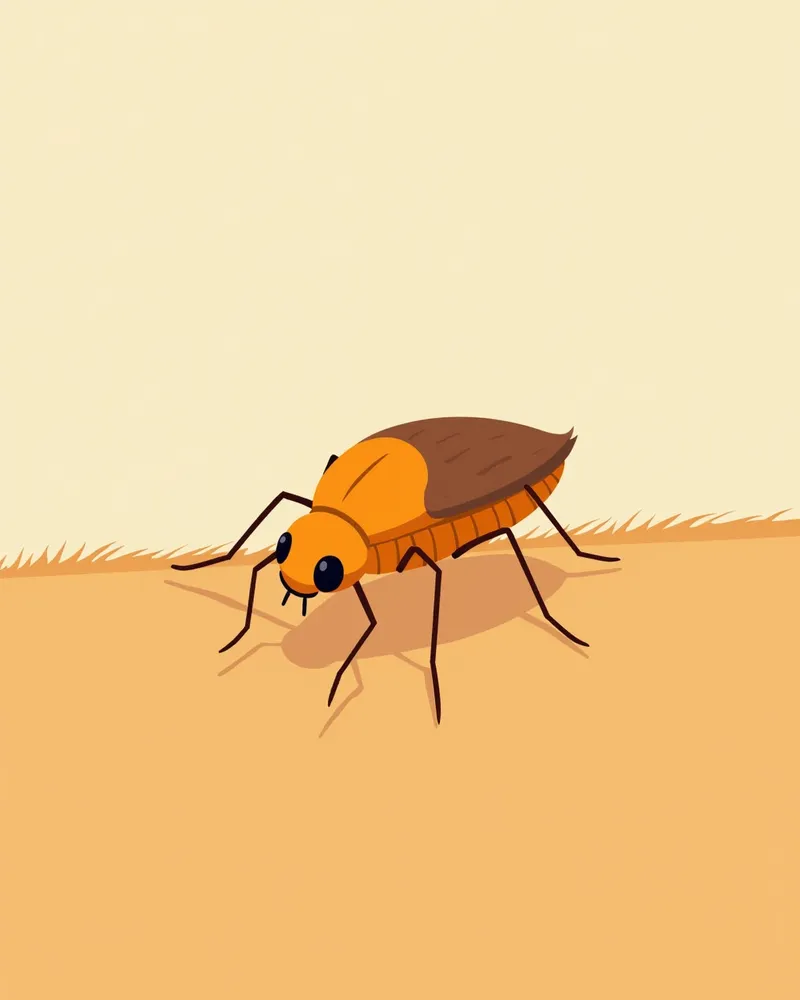
Flea allergy dermatitis in dogs is a condition caused by an allergic reaction to proteins found in flea saliva. - Allergen: Even a single flea’s saliva contains enough allergen to trigger a response. When these proteins penetrate the skin, the immune system overreacts, leading to itching, rashes, and hair loss. - Severity of Reaction: The key culprit is not the mere presence of fleas, but the components of their saliva. Therefore, symptoms can persist even if no fleas are visible. - Diagnostic Challenge: Because of this, it can be difficult to determine whether the symptoms are due to flea allergy based on clinical signs alone. Early detection and accurate diagnosis are essential for effective treatment.
A flea clinging to a dog’s fur and biting its skin

What are the main symptoms?

The main symptoms of flea allergy dermatitis in dogs include persistent itching, skin rashes, hair loss, and inflammation. - Itching: Itching is especially severe on the back of the hind legs, the base of the tail, and the rump. - Repetitive behaviors: Dogs often scratch or lick repeatedly, which can cause the skin to peel and lead to wounds. - Skin changes: In severe cases, the skin may become thickened or discolored, a condition known as lichenification. - Diagnostic confusion: Even if fleas are not visible, persistent itching can be mistaken for other skin conditions. Early detection is important.
A puppy scratching its hind legs, with flaky, peeling skin.

Symptoms requiring an immediate vet visit

If your dog’s skin is severely flaking, oozing pus, or emitting an odor, or if they seem restless and are scratching constantly throughout the day, it’s important to visit the vet right away. These symptoms often indicate a secondary bacterial infection. Delaying treatment can lead to more severe skin damage and make recovery more difficult.

How is it diagnosed?

Veterinarians make a diagnosis by comprehensively evaluating symptoms, medical history, and the presence of fleas. - Symptom Analysis: Carefully check for itching, hair loss, and skin damage. - Diagnostic Tests: Skin or blood tests can help confirm whether an allergic reaction is present. - Environmental Assessment: Even if no fleas are visible, flea allergy dermatitis should be suspected if symptoms persist. - Diagnostic Criteria: An accurate diagnosis is made by considering both symptoms and environmental factors. - If in Doubt: Early examination is essential to ensure timely treatment.
A veterinarian examining a puppy's skin under magnification.

What are the treatment methods?

Treatment focuses on two main goals: eliminating fleas and relieving symptoms. - Flea elimination: Regular use of flea control products and thorough environmental cleaning are essential. In fact, completely eradicating fleas is the cornerstone of effective treatment. - Symptom relief: If itching and inflammation are severe, your veterinarian may prescribe medications such as glucocorticoids (steroids), oclacitinib, lokivetmab, or cyclosporine, tailored to your pet’s condition. - Individualized care: The choice of medication and dosage will vary depending on your pet’s weight and overall health status. - Ongoing management: Flea control must continue even after symptoms have subsided. - Treatment duration: Because individual responses vary widely, regular veterinary check-ups are necessary.
A veterinarian applying flea control medication to a puppy

Key tips for prevention

Preventing flea allergy dermatitis in dogs starts with flea removal and environmental management. - Regular control: Use flea control products regularly to break the flea life cycle. - Environmental cleaning: Frequently clean your dog’s bed, toys, and indoor spaces. - Comprehensive management: Since fleas can survive for long periods in the environment, the entire home must be managed. - Preventive effectiveness: Prevention is far more effective than treatment. - Ongoing care: Prevention is not a short-term measure but should become a daily habit.
A puppy lying on a clean bed, with cleaning tools nearby.

Comparison of major flea control products

ItemDuration of EffectMethod of UsePrecautions
Bravecto12 weeksOral administrationDose according to body weight
Capstar24 hoursOral administrationImmediate effect
Spot-on4 weeksApply to skinCaution with water exposure

Your veterinarian will recommend based on body weight and condition.

Reviewed by a veterinarian

Dr. Tony — Punnawat Phongkittirak

Dr. Tony — Punnawat Phongkittirak

Veterinarian

A veterinarian who majored in veterinary medicine at Khon Kaen University, Thailand, and completed the IVSA program at North Carolina State University in the United States. Drawing on clinical experience at animal hospitals, he works in the pet healthcare field and is dedicated to building a digital care environment that connects pet parents with veterinarians.

Frequently Asked Questions

Can flea allergy dermatitis develop even if fleas aren’t visible?
Yes, even if you don't see fleas, the allergens in their saliva can cause dermatitis. Fleas stay on the pet for only a short time, so they're often hard to spot.
What should I do if my pet’s itching persists even when there are no fleas?
If itching persists, flea allergy dermatitis should be suspected. Consult a veterinarian for diagnosis and begin flea control and treatment.
Can you completely eliminate fleas from your home?
Thoroughly cleaning your home and using flea control products on both your dog and the environment can effectively eliminate fleas. However, because fleas can survive for extended periods in the environment and have diverse life stages, repeated treatments are necessary.
What should I do if my pet experiences side effects from medication?
If you suspect side effects, do not stop the medication on your own; consult your veterinarian first. Some medications have broad effects, and abrupt discontinuation can cause problems, so dosage adjustments or changes should be made under veterinary guidance. The type and severity of side effects may vary depending on the medication used and the individual animal.
Which product should I choose for prevention?
Use the product recommended by your veterinarian based on your pet’s weight and living environment. Also consider how long the effects last and how convenient it is to use.

Share

Related Guides

References

[1] BSAVA Manual of Canine and Feline Dermatology, 4th Ed, 2003

[2] Thiemann T, Fielden LJ, Kelrick MI. Water uptake in the cat flea Ctenocephalides felis. Journal of Insect Physiology, 2003

[3] Shaw SE, Kenny MJ, Tasker S et al. Pathogen carriage by the cat flea Ctenocephalides felis in the United Kingdom. Veterinary Microbiology, 2004

This information is based on veterinary literature and does not replace diagnosis or treatment. Please consult a veterinarian for specific health concerns.

Metapet Co., Ltd. | CEO: Park Sung-yong | Business Reg. No. 417-88-02562 | Seoul, South Korea | Customer Center

Dog Flea Allergy Dermatitis Q&A: 5 Key Questions and Answers | Meongsiljang