

FAQ on Managing Dogs During Winter Cold Waves and Preventing Hypothermia — Key Points Pet Owners Must Know
We’ve compiled essential questions and answers that pet owners should know about managing their dogs during winter cold waves and preventing hypothermia. Check out practical tips to protect your dog’s health against temperature fluctuations.
Key Points Pet Owners Must Know for Managing Dogs During Winter Cold Waves and Preventing Hypothermia
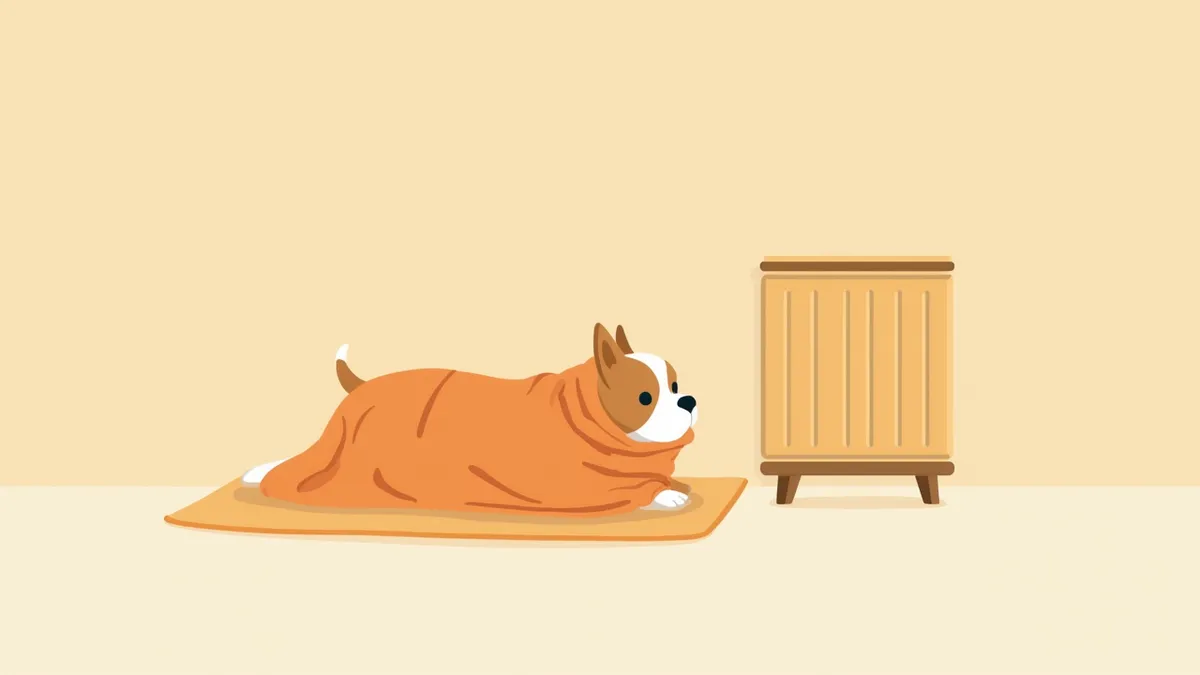
Why Are Dogs Vulnerable to Hypothermia in Winter?

5 Early Signs of Hypothermia

Situations Requiring Immediate Veterinary Care
If your dog loses consciousness, experiences persistent severe tremors, or develops irregular breathing, seek veterinary care immediately. Severe hypothermia can lead to cardiac arrest and seriously impair the function of all major organs. In such cases, avoid rapidly raising body temperature with hot objects; instead, gently wrap your dog in a blanket or use your hands to provide warmth. Keep your dog as calm and stable as possible until you reach the clinic.
Step-by-Step Guide to Handling Winter Cold Waves
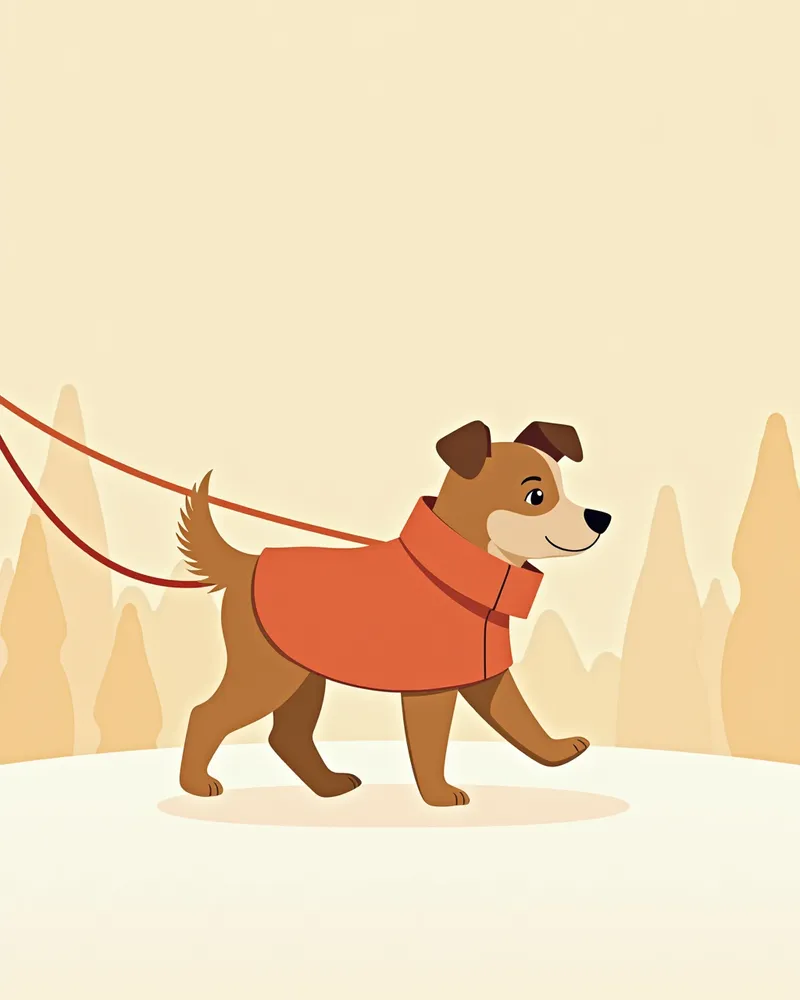
Caution! Incorrect Responses Can Lead to Greater Risks
If you suspect your dog has hypothermia, quickly warming them with hot water or an electric heater can cause blood vessels to dilate rapidly, putting extra strain on the heart. Additionally, bathing in hot water can make it even harder for your dog to regulate their body temperature. The safest approach is to raise their temperature gradually, so simply wrapping them in a warm blanket is sufficient.
Practical Tips for Preventing Hypothermia at Home

Comparison Table of Methods for Handling Winter Cold Waves in Dogs
| Item | Method | Effectiveness | Precautions | Recommended breeds |
|---|---|---|---|---|
| Wearing cold-weather clothing when going out | High | Protects ankles and torso | If too tight, may cause breathing difficulty | Small breeds, thin-coated breeds |
| Using a heated indoor bed | Medium | Maintains body temperature | Electric beds require electrical safety checks | Senior dogs, dogs with difficulty regulating body temperature |
| Shortening outdoor time | Medium | Reduces heat loss | Adjust according to the dog's response | All breeds |
| Wrapping in a warm blanket after going out | High | Immediate body temperature recovery | No hot objects | All breeds |
Each method is most effective when used together. Choose according to your dog's characteristics.
Reviewed by a veterinarian

Dr. Tony — Punnawat Phongkittirak
VeterinarianA veterinarian who majored in veterinary medicine at Khon Kaen University, Thailand, and completed the IVSA program at North Carolina State University in the United States. Drawing on clinical experience at animal hospitals, he works in the pet healthcare field and is dedicated to building a digital care environment that connects pet parents with veterinarians.
Reviewed 2026-06-29
Frequently Asked Questions
Is it okay for my dog to go outside on a cold day?
What should you do at home if you suspect your pet is suffering from hypothermia?
Why do dogs shed their fur during the winter?
Are senior dogs at greater risk during the winter?
Is it normal for my dog to shiver on a cold day?
Share
Related Guides

Top Recommendations and Selection Criteria for Cat FIV and FeLV Testing
Top Microchip Implantation Management Recommendations for Dogs and Key Selection Criteria

Complete Guide to Choosing, Comparing, and Managing the Best Heartworm Preventives for Dogs

Dog Echinococcus FAQ — Key Information Every Owner Must Know

Frequently Asked Questions on Drug Resistance in Dog Parasite Preventives — Key Information Pet Owners Must Know

Cat Tapeworm (Tapeworm) Frequently Asked Questions Q&A — Key Information Pet Owners Must Know

Cat Fecal Parasite Testing Methods FAQ — Key Information Every Pet Owner Should Know

Frequently Asked Questions on Eliminating Fleas from Your Indoor Cat’s Environment — Key Information Every Pet Owner Should Know

Cat Ear Mites FAQ — Key Information Every Owner Should Know

Dog Tooth Fracture FAQ — Key Information Every Pet Owner Should Know
References
[1] Brodeur, A., Wright, A., & Cortes, Y. (2017). Hypothermia and targeted temperature management in cats and dogs. J. Vet. Emerg. Crit. Care, 27, 151–163.
[2] Stoppler, M.C. (2022). Frostbite. eMedicineHealth. https://www.emedicinehealth.com/frostbite/article_
[3] Small Animal Critical Care Medicine, 3rd Ed. (2023). Chapter 10: Thermal Regulation and Cold Injury Management.