
Like
Share
멍실장
고양이 회충 자주 묻는 질문 Q&A — 보호자가 꼭 알아야 할 핵심

Cat Roundworm FAQs — Essential Information for Pet Owners

Infection/ParasitesQ&AMeongsiljang Veterinary Advisory Board

Cat roundworms are parasites that can also pose a risk to humans. We’ve compiled the essential information pet owners need to know, including symptoms, prevention methods, and when treatment is necessary.

What Are Cat Roundworms?

The appearance of roundworms parasitizing a cat's intestines
Feline roundworms are intestinal parasites primarily belonging to the Toxocara genus. These parasites are especially common in kittens and can hinder growth by depriving them of essential nutrients within the intestines. - Transmission: Kittens can become infected through their mother’s milk shortly after birth. - Resilience: Thanks to their thick, durable shells, roundworm eggs can survive for years in soil or sand, making environmental contamination a significant risk factor. - Asymptomatic shedding: Infected cats may shed eggs without showing any symptoms, making regular veterinary check-ups essential. - Zoonotic potential: Humans can also become infected, with the risk being particularly high for young children who touch contaminated soil or put unwashed hands in their mouths.

How Are Roundworms Transmitted?

Feline roundworms are primarily transmitted through contact with contaminated soil or sand, or via the mother cat’s milk. - Transmission route: Eggs enter the cat’s mouth when it licks soil or grooms contaminated objects. - Environmental resilience: Thanks to their thick shells, roundworm eggs can survive in soil for years, posing an infection risk even after outdoor activities. - Spread potential: If a cat brings contaminated soil on its paws or fur after playing outside, it can introduce the parasites into the home. - Key prevention measures: Proper management of the litter box, wiping paws after outdoor exposure, and regular deworming are essential. - Important note: Infected cats may shed eggs without showing any symptoms, so a healthy appearance alone is not a guarantee of being parasite-free.
A cat licking contaminated soil

What Are the Main Symptoms of Roundworm Infection?

The most common signs of roundworm infection in cats include persistent diarrhea, recurrent vomiting, weight loss, and a distended abdomen. - Growth retardation: In kittens, growth may be stunted and activity levels often decrease. - Visceral migration: Some roundworms migrate beyond the intestines to the lungs or liver, potentially causing respiratory symptoms or liver dysfunction. - Asymptomatic infection: Many cases show no obvious symptoms, making regular fecal testing essential. - Importance of early detection: Early diagnosis allows for easier treatment and helps prevent complications, so routine veterinary check-ups are crucial.
A young cat with a distended belly due to roundworm infection

Signs Requiring Immediate Veterinary Attention

If your cat is experiencing severe diarrhea, persistent vomiting, significant abdominal distension, or appears lethargic and collapsed, consult a veterinarian immediately. These symptoms may indicate that roundworms are causing an intestinal blockage or have caused severe damage to the intestines. This condition is especially dangerous in young kittens.

How Is Roundworm Infection Treated?
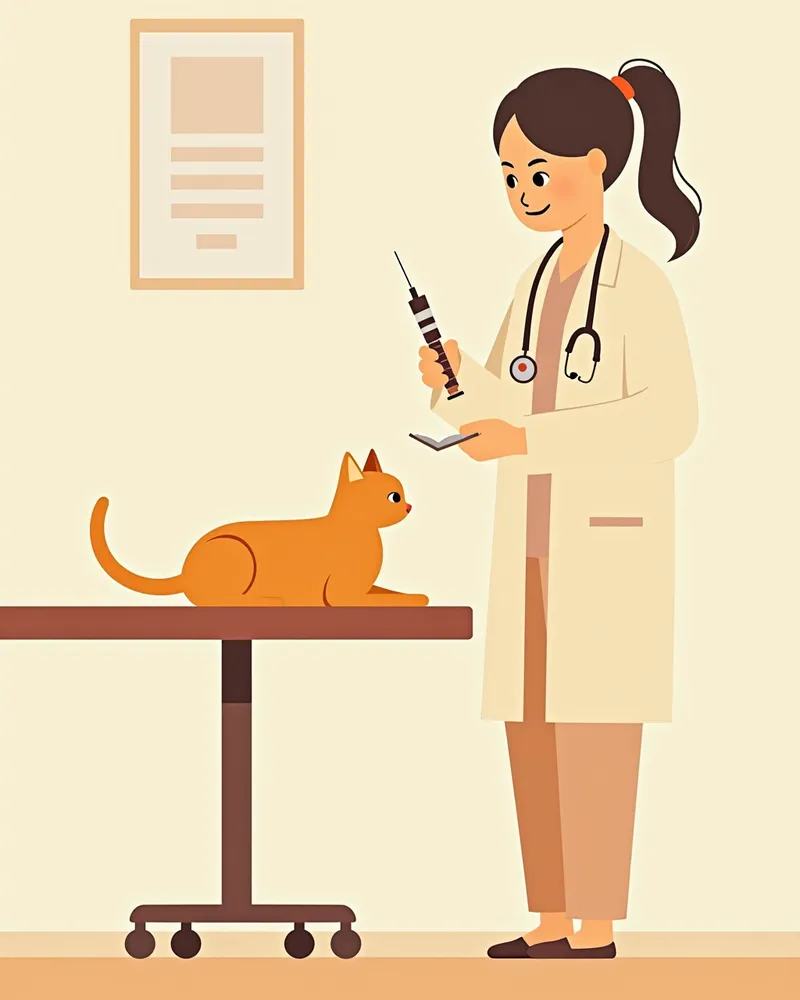
Roundworm treatment is carried out using deworming medications prescribed by a veterinarian. - Key medications: Common options include pyrantel pamoate, fenbendazole, and milbemycin (or moxidectin). - Dosing schedule: Depending on the medication, a single dose may be sufficient, or repeat doses every 2–3 weeks may be recommended. Regular check-ups are necessary during the treatment period. - Confirming treatment efficacy: A fecal exam should be performed after treatment to confirm that the eggs have been eliminated. - Preventing reinfection: Environmental cleaning and regular deworming remain important even after treatment. - Precautions: Stopping treatment simply because symptoms have disappeared increases the risk of reinfection.
A veterinarian administering deworming medication to a cat

Comparison Table of Deworming Medications

ItemRange of EffectDosing IntervalPrecautions
Pyrantel pamoateRoundworms, hookwormsRepeat dosing as directed by the veterinarianConsult a veterinarian during pregnancy or lactation
FenbendazoleRoundworms, tapeworms (Taenia)Administer as directed by the veterinarianRelatively safe but requires a prescription
Milbemycin (or moxidectin)Roundworms, hookworms, whipwormsSingle dose (re-dose if necessary)Use a cat-specific formulation

A veterinarian prescribes according to body weight and condition. Always consult before administering.

Practical Tips for Prevention

Preventing roundworms in cats hinges on regular deworming and proper environmental management. - Deworming schedule: Kittens require more frequent treatment, while adult cats should generally be dewormed every three months. However, monthly deworming is recommended for cats that hunt or go outdoors. - Environmental cleaning: Clean areas where your cat plays daily, and replace litter frequently. - Use a dedicated cat litter box: Always manage soil or sand in a litter box designated exclusively for your cat to minimize contamination. - Post-outdoor care: After playing outside, wipe your cat’s paws and remove any dirt from their fur. - Behavioral modification: If your cat has a habit of licking soil, implement training to correct this behavior. Prevention is far more important than treatment.
Cat owners who clean their cat’s litter box

Caution: Roundworms Can Also Infect Humans

Cat roundworm eggs can also infect humans. Young children are especially at risk if they touch contaminated soil or put their hands in their mouths without washing them first. The parasites can migrate to the eyes or brain, causing serious damage, so it’s important to keep your cat’s environment clean at all times.

Reviewed by a veterinarian

Dr. Tony — Punnawat Phongkittirak

Dr. Tony — Punnawat Phongkittirak

Veterinarian

A veterinarian who majored in veterinary medicine at Khon Kaen University, Thailand, and completed the IVSA program at North Carolina State University in the United States. Drawing on clinical experience at animal hospitals, he works in the pet healthcare field and is dedicated to building a digital care environment that connects pet parents with veterinarians.

Frequently Asked Questions

Can cat roundworms be transmitted to humans?
Yes, cat roundworm eggs can also infect humans. The risk is especially high for young children who come into contact with contaminated soil.
When should deworming medication be administered?
For kittens, start administering every two weeks from three weeks of age. For adult cats, administer every three months (or monthly for cats that hunt or go outdoors). Always follow your veterinarian’s recommended schedule and dosage.
How are roundworms diagnosed?
Roundworm eggs can be detected through a fecal test. Early detection is possible with regular check-ups.
If roundworms are detected, is treatment absolutely necessary?
Yes, roundworms can impair intestinal function and, in severe cases, cause internal organ damage or growth retardation. Immediate treatment is necessary.
Can I prevent roundworms at home?
Yes, you can effectively prevent it by regularly administering deworming medication, keeping the environment clean, practicing good hand hygiene, and wiping your pet’s paws after outdoor activities.

Share

Related Guides

References

[1] Plumb's Veterinary Drug Handbook, 9th Edition, 2022

[2] Clinical Medicine of the Dog and Cat, 4th Edition, 2020

[3] The Cat, Clinical Medicine and Management, 2nd Edition, 2019

This information is based on veterinary literature and does not replace diagnosis or treatment. Please consult a veterinarian for specific health concerns.

Metapet Co., Ltd. | CEO: Park Sung-yong | Business Reg. No. 417-88-02562 | Seoul, South Korea | Customer Center

5 Essential Questions About Cat Roundworms: Key Facts You Must Know | Meongsiljang