Like
Share
멍실장
망상적혈구 카운트 (빈혈 분류)

What Are Reticulocyte Counts? — The Key Test to Determine the Cause of Anemia in Pets

ImmunityQ&AMeongsiljang Veterinary Advisory Board

Reticulocytes are young, newly formed red blood cells. Their count helps determine whether anemia is regenerative or non-regenerative, making it the first step in identifying the underlying cause.

What Is a Reticulocyte Count?

Comparison image of reticulocytes and mature red blood cells under a microscope
Reticulocytes are young red blood cells that have just been produced in the bone marrow and released into the bloodstream. What’s truly significant is that this single value helps divide the causes of anemia into two major categories. An elevated reticulocyte count indicates regenerative anemia (due to hemorrhage or hemolysis), while a low count points to non-regenerative anemia (stemming from bone marrow issues). As the first crucial step in identifying the underlying cause, this is the initial test we perform whenever anemia is suspected.

Why Is Anemia Classified Using This Value?

When bone marrow is healthy, it responds to anemia by producing large numbers of young red blood cells, causing a sharp rise in the reticulocyte count in the blood. Conversely, if the bone marrow is damaged or its production is suppressed, the reticulocyte count does not increase, even in severe anemia. In short, this value acts as a traffic light indicating whether the bone marrow is responding appropriately. Because the treatment approach varies significantly depending on the underlying cause, proper classification is essential.

Regenerative vs. Non-Regenerative Anemia Comparison

ItemRegenerative anemiaNon-regenerative anemia
ReticulocytesIncreased (>80,000/μL in dogs)Normal or decreased
Main causesHemorrhage, hemolysis (IMHA, etc.)Bone marrow disease, chronic inflammation, renal failure
Bone marrow responseNormal (actively producing)Reduced or failed
Treatment directionRemove cause, transfusion, immunosuppressionTreat underlying disease, bone marrow exam
PrognosisVaries by causeGenerally more challenging

Reference values may differ by species and laboratory.

How to Interpret the Values

Don’t rely solely on the reticulocyte percentage. In severe anemia, the total red blood cell count drops, so even if the absolute number of young red blood cells remains unchanged, the percentage can appear artificially high. Therefore, veterinarians always interpret this alongside the absolute reticulocyte count or corrected values. In dogs, an absolute count exceeding approximately 80,000/μL indicates a regenerative response, though the exact upper limit of the reference range may vary slightly depending on the laboratory and equipment. Cats have two types of reticulocytes, so the aggregate form is used to assess recent bone marrow activity. However, the precise threshold for cats can also vary by breed and laboratory. If results are ambiguous, retesting over several days helps establish a trend. It takes at least 3–4 days for the bone marrow to respond to acute hemorrhage or hemolysis by increasing reticulocyte production, so a response may not be visible during this initial period.
An image of a veterinarian reviewing blood test results with a pet.

When Additional Testing Is Needed Immediately

Non-regenerative anemia, where reticulocyte counts don’t rise despite severe anemia, often has diverse and serious underlying causes. Chronic kidney disease, bone marrow tumors, infectious diseases (including immune-mediated ones), and endocrine disorders may be lurking. If there’s no improvement after 3–4 days, a bone marrow aspirate or additional serum tests may be necessary, so please follow your veterinarian’s guidance closely.

Common Causes of Regenerative Anemia
Regenerative anemia means that red blood cells are being lost or destroyed. There are two main causes: - Hemorrhage: This occurs when blood escapes from the body or into body cavities, such as from trauma (e.g., car accidents, arterial bleeding), gastrointestinal ulcers or bleeding, or rupture of hemorrhagic tumors (e.g., splenic hemangiosarcoma). - Hemolysis: This refers to the destruction of red blood cells within the body, with immune-mediated hemolytic anemia (IMHA) being the most common example. IMHA is a condition in which the immune system attacks the body's own red blood cells. It can be primary (idiopathic), with no clear underlying cause, or secondary, occurring alongside another underlying disease. Not all hemolysis is immune-mediated; non-immune causes can also lead to red blood cell damage and destruction, such as metal poisoning from substances like zinc.
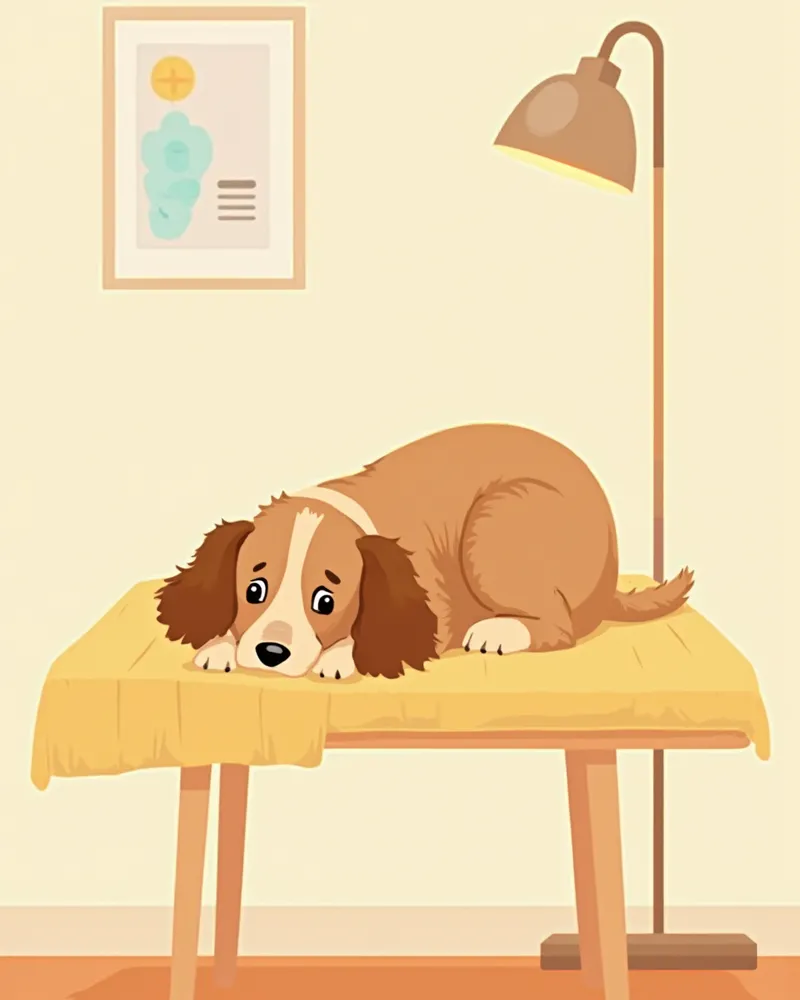
A Cocker Spaniel having its gums examined by a veterinarian

Common Causes of Non-Regenerative Anemia

Non-regenerative anemia occurs when the bone marrow fails to produce enough red blood cells. The main causes include: - Anemia of chronic inflammation: This is common with long-standing infections or inflammation. - Chronic kidney disease: This leads to a deficiency of the hormone erythropoietin. - Precursor-targeted immune-mediated anemia (PIMA): The body's immune system attacks immature red blood cells. - Bone marrow diseases: These include tumors and myelofibrosis. Treatment varies significantly depending on the underlying cause.

Signs Pet Owners Can Observe at Home

There are clues pet owners can notice even before blood tests. - Gum color: If the gums look pale or yellow instead of pink, it may signal anemia or jaundice. - Energy level: The pet pants and tires easily with minimal activity. - Heart rate: The heart beats faster than usual. - Urine color: Dark brown or red urine may indicate hemolytic anemia. If you notice any of these changes, please visit your veterinarian for a blood test.
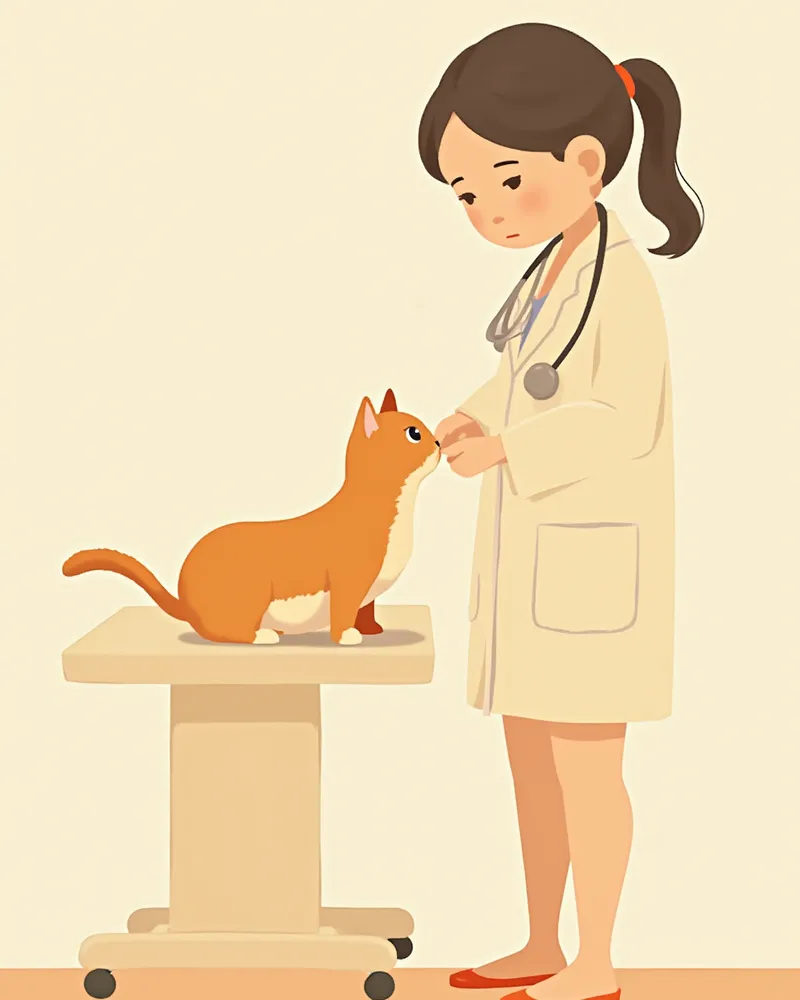
An image of a veterinarian checking a cat's gum color

Interpretation Is Slightly Different for Cats

Cats have two forms of reticulocytes: aggregate and punctate. Aggregate reticulocytes reflect recent acute responses, while punctate reticulocytes persist in the bloodstream longer than aggregate ones. An elevated punctate count may indicate that the bone marrow has been stimulated for at least the past 7 to 10 days. Therefore, to assess only the most recent response, you should check the aggregate reticulocyte count. Additionally, cats can develop non-regenerative anemia due to various causes, including bone marrow suppression, chronic inflammation, and endocrine disorders. If anemia is detected, it is advisable to perform blood tests and additional examinations to identify the underlying cause.

Reviewed by a veterinarian

Dr. Tony — Punnawat Phongkittirak

Dr. Tony — Punnawat Phongkittirak

Veterinarian

A veterinarian who majored in veterinary medicine at Khon Kaen University, Thailand, and completed the IVSA program at North Carolina State University in the United States. Drawing on clinical experience at animal hospitals, he works in the pet healthcare field and is dedicated to building a digital care environment that connects pet parents with veterinarians.

Frequently Asked Questions

Do I need to request a reticulocyte count separately?
Many veterinary clinics automatically include a complete blood count (CBC) as part of their basic blood tests. However, depending on the equipment used, a manual blood smear may be required separately. If you suspect your pet has anemia, your veterinarian will guide you through the necessary tests.
Even though the test results are normal, my puppy still seems lethargic.
Anemia isn’t the only cause of lethargy. Heart, liver, and kidney diseases, as well as endocrine disorders, can produce similar symptoms. If reticulocyte counts are normal, anemia is unlikely, but additional tests are still recommended.
Will regenerative anemia resolve on its own?
The underlying cause must be addressed for improvement. If there is bleeding, the source of hemorrhage needs to be controlled; if there is hemolysis, immunosuppressive therapy is required to halt the destruction of red blood cells. A positive bone marrow response simply indicates that the marrow is functioning well—it does not mean that treatment is unnecessary.
Should we schedule follow-up exams every few days?
We typically follow up every three to five days. It takes three to four days for the bone marrow’s response to acute hemorrhage or hemolysis to become evident in the blood, so a single check can be misleading. Your veterinarian will determine the appropriate monitoring schedule based on your pet’s condition.
Is a bone marrow examination always necessary for non-regenerative anemia?
Not necessarily. First, we rule out kidney, inflammatory, infectious, and endocrine issues through blood and imaging tests. We consider bone marrow aspiration or biopsy when the cause is unclear or when there’s no response to treatment.

Share

Related Guides

References

[1] Notes on Canine Internal Medicine, 4th Ed - Immune-mediated Haemolytic Anaemia (IMHA)

[2] Fundamentals of Veterinary Clinical Pathology, 3rd Edition - Precursor-targeted Immune-mediated Anemia (PIMA)

[3] Clinical Medicine of the Dog and Cat, 4th Ed - Nonregenerative Anemia

This information is based on veterinary literature and does not replace diagnosis or treatment. Please consult a veterinarian for specific health concerns.

Metapet Co., Ltd. | CEO: Park Sung-yong | Business Reg. No. 417-88-02562 | Seoul, South Korea | Customer Center

Reticulocyte Counts: The Key Test for Anemia in Pets | Meongsiljang