

When is Total Hip Replacement Needed for Dogs, and What Is the Recovery Like?
We’ve put together a practical guide for owners of dogs with end-stage hip dysplasia, covering everything from candidates for total hip replacement, the surgical procedure, recovery time, and success rates, to how it differs from femoral head ostectomy.
What Is Total Hip Replacement?
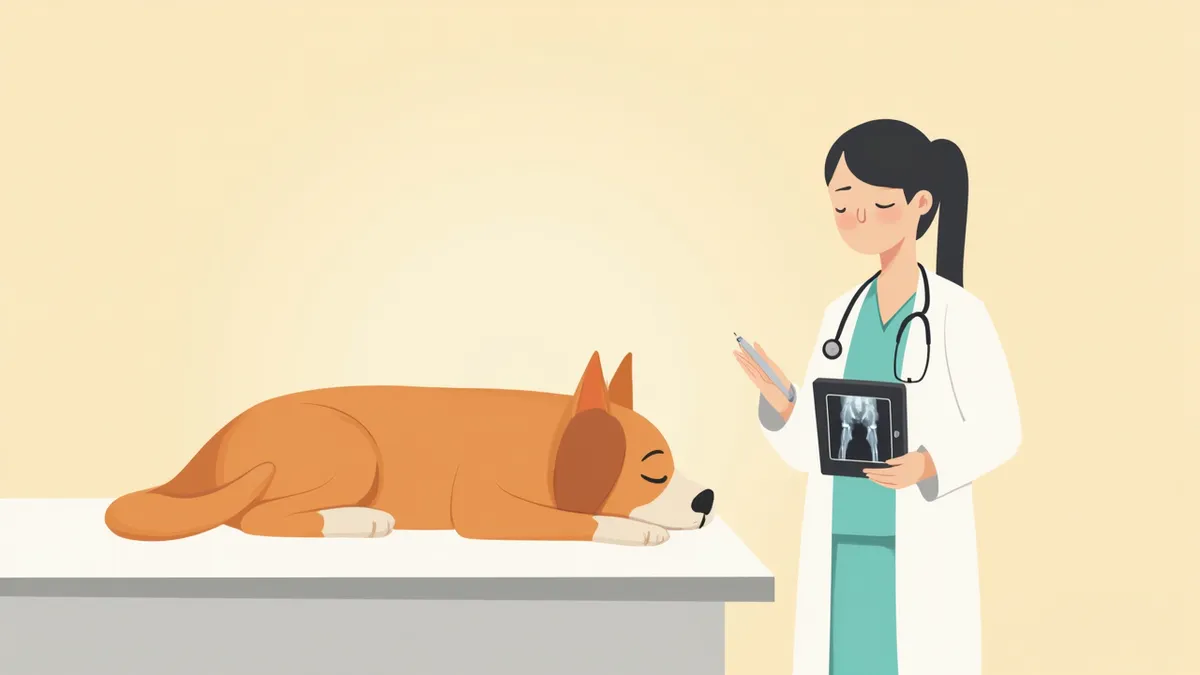
Which Dogs Need This Surgery?
How Does It Differ From Femoral Head Ostectomy (FHO)?
Total Hip Replacement vs. Femoral Head Ostectomy Comparison
| Item | Total hip replacement | Femoral head ostectomy |
|---|---|---|
| Restoration of joint function | Near-normal level | Formation of a false joint (pseudoarthrosis) |
| Suitable body weight | Mainly medium and large dogs | Mainly small and lightweight dogs |
| Surgical difficulty | Very high | Moderate |
| Recovery period | 3–6 months | 6–12 weeks |
| Success rate | High when performed by an experienced specialist | Good in small, lightweight dogs |
| Need for rehabilitation | Essential | Essential |
The correct choice requires a veterinary surgical specialist's judgment based on body weight, age, and joint condition.
How Is the Surgery Performed?
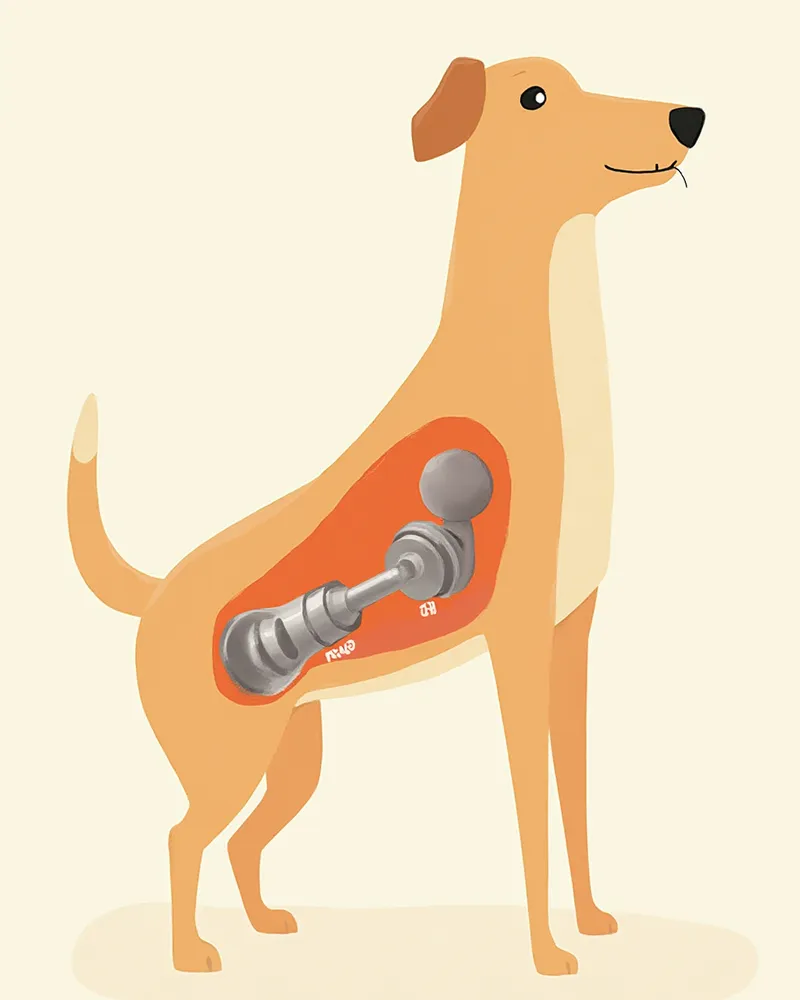
Complication Risks to Check Before Surgery
Although rare, there are some complications you should be aware of. The most common include infection, dislocation, implant loosening, femoral fracture, and sciatic nerve damage. The risk of complications depends on the surgical team’s experience, as well as the patient’s weight, age, and overall health, so it’s important to discuss individual risks with your veterinarian. Before surgery, blood tests and cardiac evaluations are performed to assess anesthesia risk, and preventive antibiotics are administered to reduce the chance of surgical site infection. Your veterinarian will explain the specific risks based on your pet’s weight, age, and overall condition. If both hips require surgery, it is generally recommended to wait until one side has fully recovered before proceeding with the other.
Post-Operative Recovery and Rehabilitation
How to Choose a Hospital and Understand Costs
Reviewed by a veterinarian

Dr. Tony — Punnawat Phongkittirak
VeterinarianA veterinarian who majored in veterinary medicine at Khon Kaen University, Thailand, and completed the IVSA program at North Carolina State University in the United States. Drawing on clinical experience at animal hospitals, he works in the pet healthcare field and is dedicated to building a digital care environment that connects pet parents with veterinarians.
Reviewed 2026-04-26
Frequently Asked Questions
Will my pet be able to run around like before after surgery?
Up to what age can a pet undergo surgery?
Do artificial joints last a lifetime?
Is it possible to operate on both hips at the same time?
Is there any alternative to surgery?
Share
Related Guides
Top 5 Patellar Support Braces for Dogs — Stage-by-Stage Size Guide

Curcumin Efficacy and Anti-inflammatory/Joint Support

Top 5 Recommended Joint Supplements for Dogs in 2026
How Often Should Senior Dogs Visit the Vet for Check-ups? — Recommended Visit Intervals by Age

How to Adjust Exercise Intensity for Senior Cats — Guidelines for Indoor Activities to Protect Joints

How to Adjust Exercise Intensity for Senior Dogs

When to Switch Senior Cat Food — A Step-by-Step Guide to Reducing Digestive Burden

Complete Guide to Stages 1–4 of Feline Cognitive Dysfunction Syndrome in Senior Cats

Why Does My Dog Bark and Get Excited? — Causes and Management of Reactive Behavior

How to Choose the Right Dog Puzzle Toy for Your Pup
References
[1] Textbook of Veterinary Orthopaedic Surgery, Chapter 9: Coxofemoral Joint Disorders
[2] Clinical Medicine of the Dog and Cat, 4th Ed — Hip Dysplasia
[3] The Dog Care Handbook: Things I Wish My Vet Had Told Me — Hip Dysplasia