Like
Share
멍실장
제한 성분 사료(LID) 선택

How to Choose a Limited-Ingredient Diet (LID)

DigestiveQ&AMeongsiljang Veterinary Advisory Board

Here’s a clear breakdown of what limited-ingredient diet (LID) foods are, when they’re the right choice, and how to select and use them safely.

What Is a Limited-Ingredient Diet (LID)?

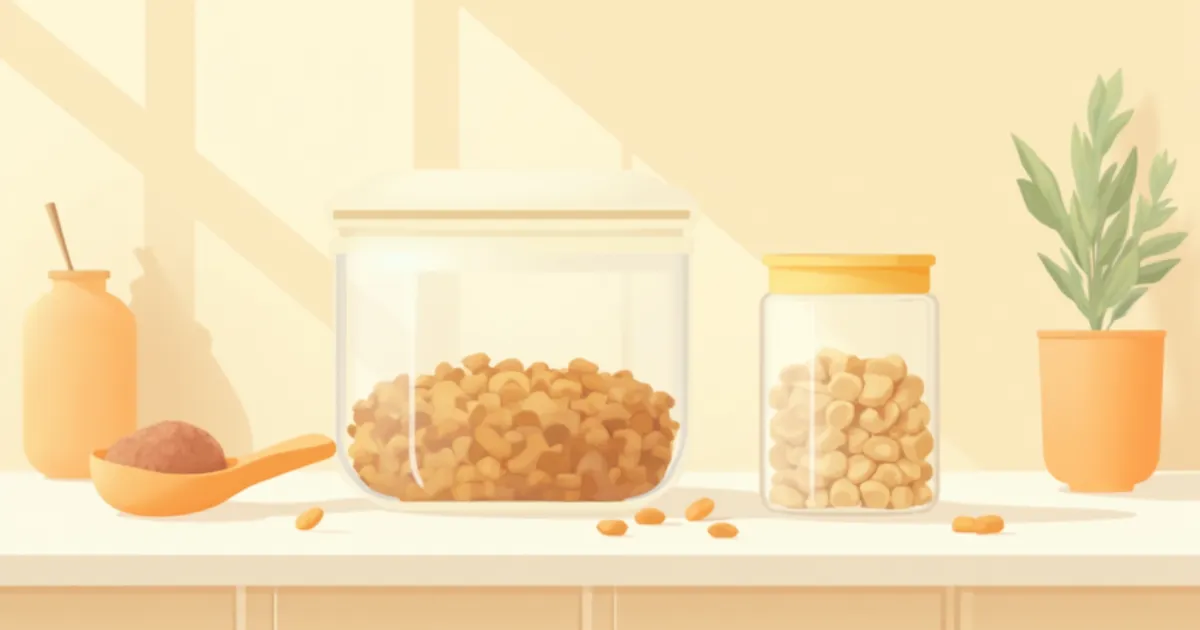
Image of a limited-ingredient diet formulated with a single protein source
Limited Ingredient Diets (LIDs) are specialized foods that minimize ingredients by using only a single protein source and a single carbohydrate source. The key principle is to reduce exposure to potential trigger ingredients. This diet is primarily recommended for pets suspected of having food allergies or chronic diarrhea, and its simpler ingredient list makes it easier to identify problematic components compared to standard commercial diets. However, not every sensitive pet will improve on an LID, so it should be selected in consultation with a veterinarian.

Which Pets Need It?

LID is not a diet that every pet needs to eat. You might consider it if your pet experiences any of the following: - Recurring itching or ear inflammation: When skin issues keep coming back due to food allergies - Chronic soft stools or diarrhea: A sensitive digestive system that gets upset every time you change food - Frequent vomiting: When your pet vomits in response to certain proteins - Tear stains or excessive paw licking: Signs of chronic inflammation with no clear cause If your veterinarian has recommended an elimination diet trial, LID can be the first step.

Comparison: Regular Food vs. Limited-Ingredient Diet (LID)

These two products differ in their ingredient composition and intended purpose. Let’s compare them side by side in a table for easy reference.

Comparison of Regular Food and LID

ItemRegular foodLimited ingredient diet (LID)
Protein typesBlend of 2–5 types1 type (e.g., duck)
Carbohydrate typesBlend of 2–4 types1 type (e.g., sweet potato)
Main purposeEveryday nutritionIdentifying the cause of allergies/reducing digestive burden
Price rangeModerate1.5–2 times higher
Recommended forHealthy general petsPets suspected of food allergy/chronic diarrhea

An LID is a food tried for a set period for diagnostic purposes and then evaluated.

4 Things to Check When Choosing an LID
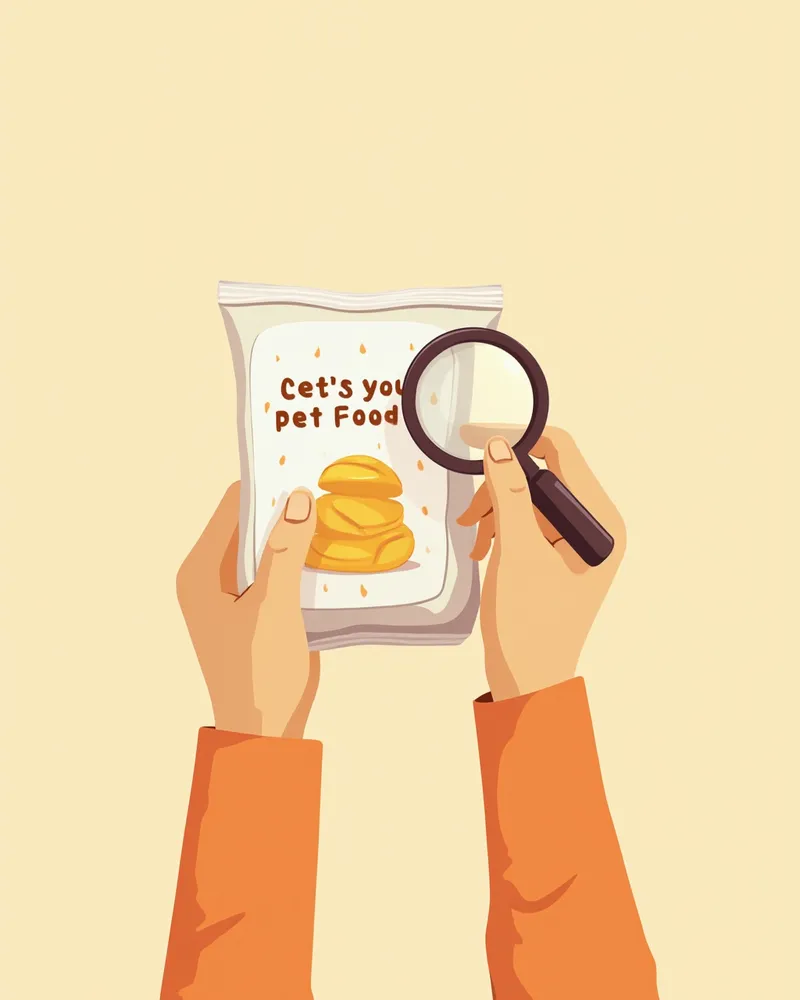
Don’t rely solely on the “LID” label on the front of the packaging. There are specific criteria to verify whether a food is truly limited-ingredient. - Single protein source: Look for a single protein listed, such as “duck only,” rather than a blend like chicken and duck. - Single carbohydrate source: Choose a food with just one carbohydrate ingredient, not a mix of rice, potato, and oats. - Novel protein: Proteins your pet hasn’t eaten before (such as duck, kangaroo, or salmon) are preferable. - Watch for cross-contamination: If the packaging states “produced on the same line,” trace amounts of other proteins may be present. It’s important to get into the habit of reading the ingredient list directly.
An image of a pet owner’s hand checking the ingredient list on a pet food label.

Stop Self-Trialing LID and Visit the Vet in These Cases

Because Limited Ingredient Diets (LID) function as a dietary trial, using them as a standalone diagnostic tool without veterinary guidance can be risky. If you encounter any of the following situations, stop self-diagnosing and seek veterinary care immediately: - Diarrhea or vomiting persists for more than 24 hours. - Skin rashes spread or begin to ooze. - There is no change in symptoms after consistently feeding the LID for at least 4–6 weeks (note that dogs often require 8–12 weeks, so consult your veterinarian before deciding to discontinue the diet). - Sudden weight loss or lethargy occurs. Skin and gastrointestinal symptoms resembling food allergies can also be caused by other types of allergies (such as environmental or contact allergies), parasites (like fleas or mites), or bacterial and yeast (Malassezia) infections. Therefore, it is difficult to determine the cause based solely on the results of a dietary trial; these differential diagnoses must be evaluated together to reach an accurate diagnosis.

How to Switch to an LID
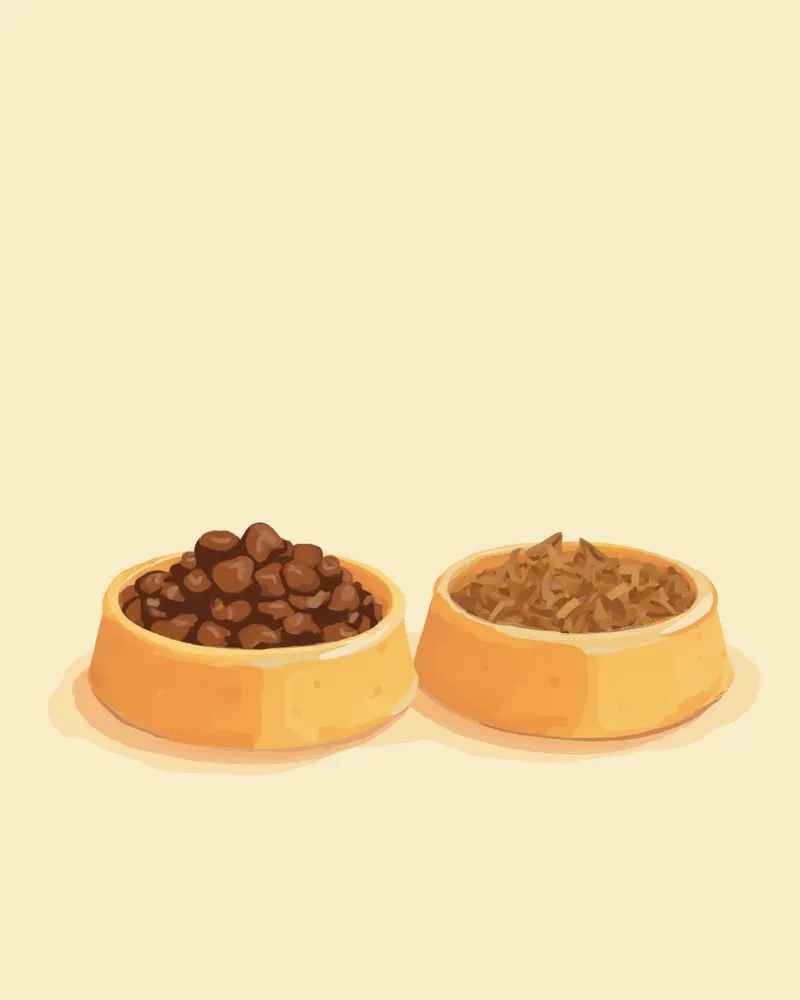
Switching your dog’s food all at once can upset their stomach, even with a high-quality limited-ingredient diet (LID). The standard approach is to gradually mix in the new food over 7 to 10 days. - Days 1–3: 75% current food + 25% LID - Days 4–6: 50% current food + 50% LID - Days 7–9: 25% current food + 75% LID - Day 10 onward: 100% LID During this trial period, you must strictly control all other items your dog consumes—including treats, chews, toothpaste, and even medication coatings—to ensure a true elimination diet trial. It is recommended to wait at least 8 to 12 weeks of consistent feeding before evaluating the results. While some dogs may show initial improvement within 4 to 6 weeks, many require the full 8 to 12 weeks. Therefore, it is important to consult your veterinarian to determine the appropriate trial duration, even if symptom changes seem slow.
An image showing the gradual transition by mixing the current food with LID.

Cats Require a Different Approach Than Dogs

Feline LID diets require extra caution compared to canine ones. Cats have strict nutritional needs, making it difficult to achieve balance with a single ingredient alone, and maintaining a strict elimination diet can be challenging. - Single protein source, but nutritional balance is essential: Look for the "Complete & Balanced" label. - Ensure adequate hydration: Feeding only dry LID food may reduce water intake, so encourage drinking habits separately. - Prevent access to other foods: If you have multiple cats, they may sneak-eat other foods, rendering the diet trial ineffective. Keep feeding areas separate. - Watch for prolonged food refusal: Cats are at risk of hepatic lipidosis (fatty liver disease) if they lack sufficient energy and protein for an extended period. If your cat consistently refuses the new LID, consult your veterinarian promptly. If your cat refuses the new LID, do not force fasting. Instead, consult your veterinarian to try a different protein source.

Common Misconceptions About LIDs

We’ve clarified some common points of confusion for pet owners. - "LID doesn’t automatically mean a better diet": For healthy pets, a standard diet may offer better nutritional balance. - "Organic or natural doesn’t equal LID": These terms may simply be marketing labels for premium products. - "Once on an LID, you can stay on it forever": After a food trial, your pet may be able to return to a regular diet. - "An LID guarantees 100% allergy resolution": Environmental and contact allergies are separate issues.

Reviewed by a veterinarian

Dr. Tony — Punnawat Phongkittirak

Dr. Tony — Punnawat Phongkittirak

Veterinarian

A veterinarian who majored in veterinary medicine at Khon Kaen University, Thailand, and completed the IVSA program at North Carolina State University in the United States. Drawing on clinical experience at animal hospitals, he works in the pet healthcare field and is dedicated to building a digital care environment that connects pet parents with veterinarians.

Frequently Asked Questions

Do I need to give LID to my pet for its entire life?
Not necessarily. Once the offending protein is identified through a dietary trial (lasting at least 8–12 weeks), you can return to a regular diet while avoiding that specific ingredient. However, some pets with chronic allergies may need to stay on limited-ingredient or hydrolyzed protein diets long-term.
What’s the difference between LID and hydrolyzed diets?
LID diets use a single novel protein in its intact form, while hydrolyzed diets break down proteins into small fragments that are unlikely to trigger an immune response. Veterinarians often recommend hydrolyzed diets first for elimination diets, and LID (single novel protein) diets are chosen as an alternative when pets refuse hydrolyzed diets or when they are difficult to use.
Is it okay to give treats along with the medication?
During the elimination diet trial, you must also feed treats made from the same single protein source. Even one treat containing a different protein can render the test results meaningless. We recommend using freeze-dried single-meat treats or pieces of the prescribed diet instead.
I switched my pet’s food, but their stool has become even softer.
During the first 1–2 weeks of transitioning, your pet is in an adjustment period, so you may notice temporarily soft stools. However, if this persists for more than three weeks or is accompanied by bloody stools or vomiting, the current limited-ingredient diet (LID) is not suitable for your pet. You should switch to an LID with a different protein source or consult your veterinarian.
Are grain-free and LID (Limited Ingredient Diet) the same thing?
They’re different. Grain-free diets simply exclude grains, while limited-ingredient diets (LID) use a single protein and a single carbohydrate source. Grain-free food isn’t automatically suitable for every pet; it’s important to choose based on each pet’s individual health status and your veterinarian’s recommendations.

Share

Related Guides

References

[1] Fascetti AJ, Delaney SJ. Applied Veterinary Clinical Nutrition, 2nd Ed, Chapter 8: Commercial and Home-Prepared Diets

[2] Ettinger SJ, Feldman EC. Textbook of Veterinary Internal Medicine, Chapter on Adverse Reactions to Food

[3] Little SE. The Dog Care Handbook, Things I Wish My Vet Had Told Me, Chapter on Nutrition

This information is based on veterinary literature and does not replace diagnosis or treatment. Please consult a veterinarian for specific health concerns.

Metapet Co., Ltd. | CEO: Park Sung-yong | Business Reg. No. 417-88-02562 | Seoul, South Korea | Customer Center

How to Choose a Limited-Ingredient Diet (LID) for Pets | Meongsiljang