Like
Share
멍실장
고양이 링웜(곰팡이성 피부염) 증상과 치료

Feline Ringworm (Fungal Dermatitis): Symptoms and Treatment

Skin & CoatQ&AMeongsiljang Veterinary Advisory Board

I’ve compiled a comprehensive guide on feline ringworm, covering its causes, primary symptoms, diagnostic methods, treatment process, and home environmental management, all based on veterinary textbooks.

What is Feline Ringworm?

A cat sitting on the examination table at a veterinary clinic
Feline ringworm is a fungal infection that affects the hair and skin. Despite its name, it is not caused by parasites; rather, it is a fungal infection that feeds on the keratin found in hair and skin. While it is not life-threatening and is fully treatable, it is a zoonotic disease that can be transmitted to humans, making prompt action essential. Without treatment, the infection can easily spread to other animals and family members, so seeking veterinary care is far safer than waiting for it to resolve on its own. If you suspect your cat has ringworm, visiting a veterinarian immediately is the best course of action.

Causes and Transmission Routes of Ringworm

Most cases of ringworm in cats are caused by a fungus called Microsporum canis. This fungus grows by feeding on the keratin found in hair and skin. It can be transmitted through direct contact with an infected animal or indirectly via contaminated items such as blankets, brushes, and bedding. Cats living in multi-cat environments (such as catteries) or those participating in cat shows are known to be at higher risk of infection. Additionally, Persian cats are known to be more susceptible to ringworm. Cats with compromised health or skin conditions may be more prone to infection, so it is important to be mindful of contact with other cats and the management of shared items.

Ringworm Suspected Symptoms Checklist

If you notice any of the following signs, ringworm may be a possibility:
Circular hair loss: The most characteristic symptom is round, coin-shaped patches of hair loss.
Dandruff and scaling: White dandruff or flaky skin often appears around the affected areas.
Crusting and redness: The skin at the infection site may become red or develop crusts.
Itching: While many cases are not itchy, severe itching can lead to increased scratching.
Nail changes: Although rare, the nails may become brittle, split, or uneven.
Symptoms often begin on the face, ears, or front legs.
A veterinarian examining a cat's face and ears.

Veterinary Diagnostic Methods

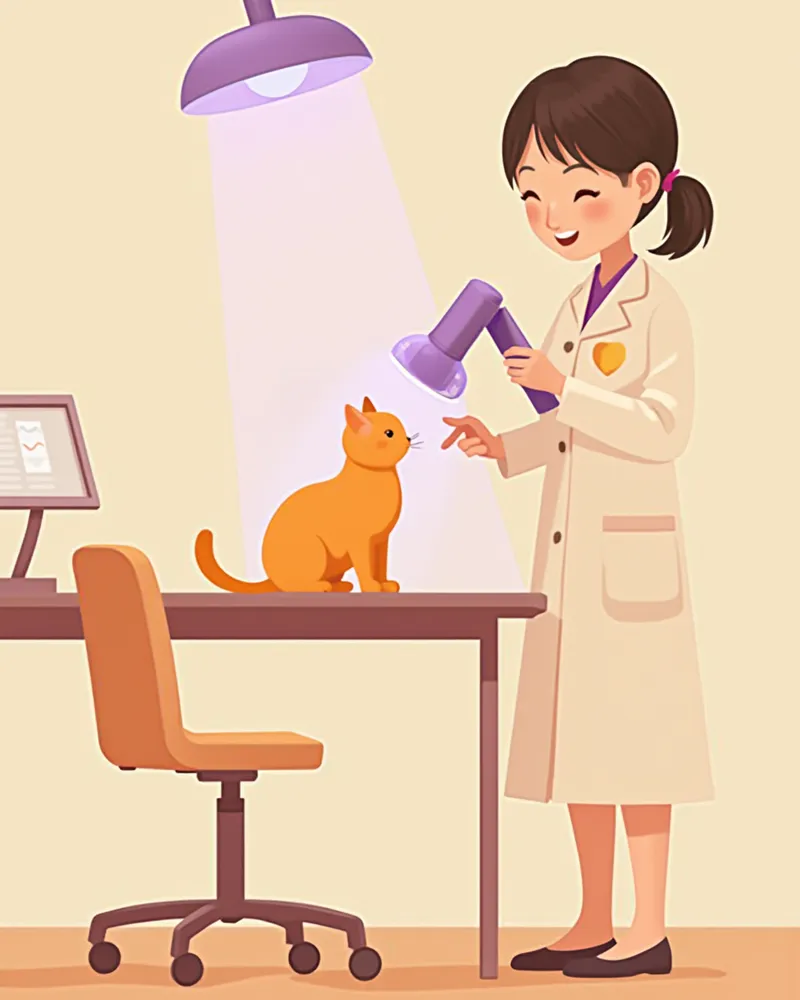
If ringworm is suspected, your veterinarian can confirm the diagnosis through several tests. The first step is usually a Wood’s lamp examination. When exposed to special ultraviolet light, hairs infected with Microsporum canis will fluoresce green. However, the Wood’s lamp is not a definitive diagnostic test on its own; it serves as an aid to identify abnormal hairs for further culture and microscopic examination. Since the absence of fluorescence does not completely rule out infection, this test alone is insufficient for a definitive diagnosis. Therefore, samples of hair or skin are collected for fungal culture, which is the gold standard for diagnosing ringworm. Because culture results take time to develop, please follow your veterinarian’s guidance. Microscopic examination of the hair to directly observe hyphae or spores may also be performed alongside these tests.
A veterinarian examining a cat's skin with a Wood's lamp.

It Can Be Transmitted to Humans

Ringworm is a common zoonotic infection. If you don’t wash your hands after handling an infected cat, the fungus can spread to your skin. Extra caution is especially important for children, elderly individuals, and family members with weakened immune systems. Until treatment is complete, always wash your hands after touching your cat, and avoid direct skin contact with the infected areas.

Ringworm Treatment Methods
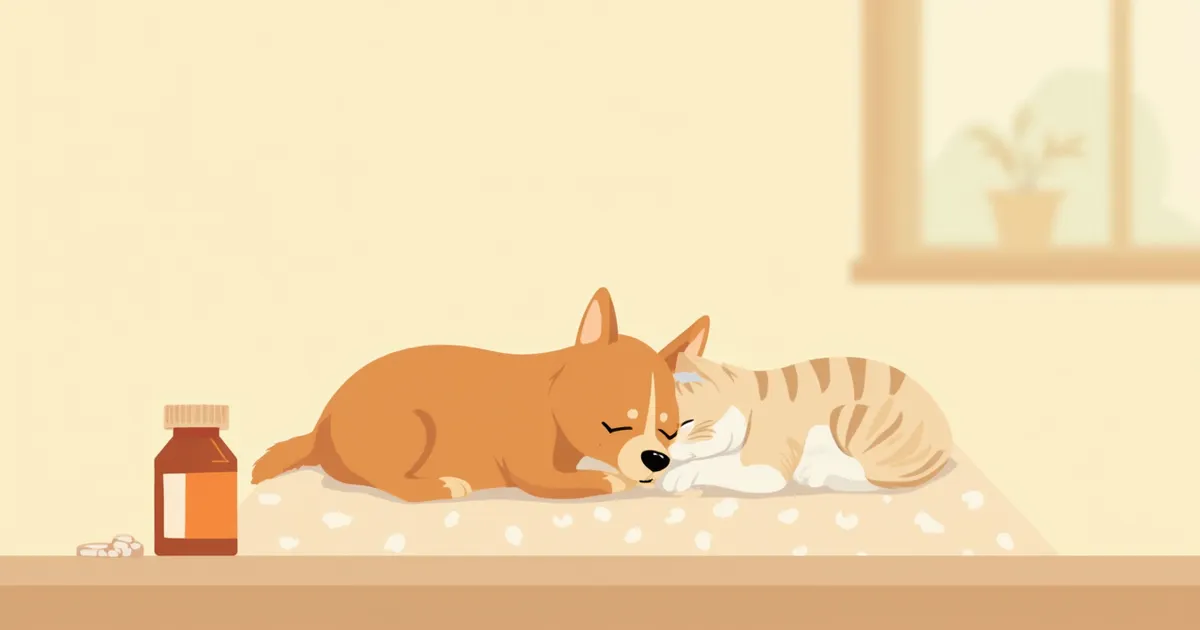
Ringworm treatment is broadly divided into topical and oral medications.
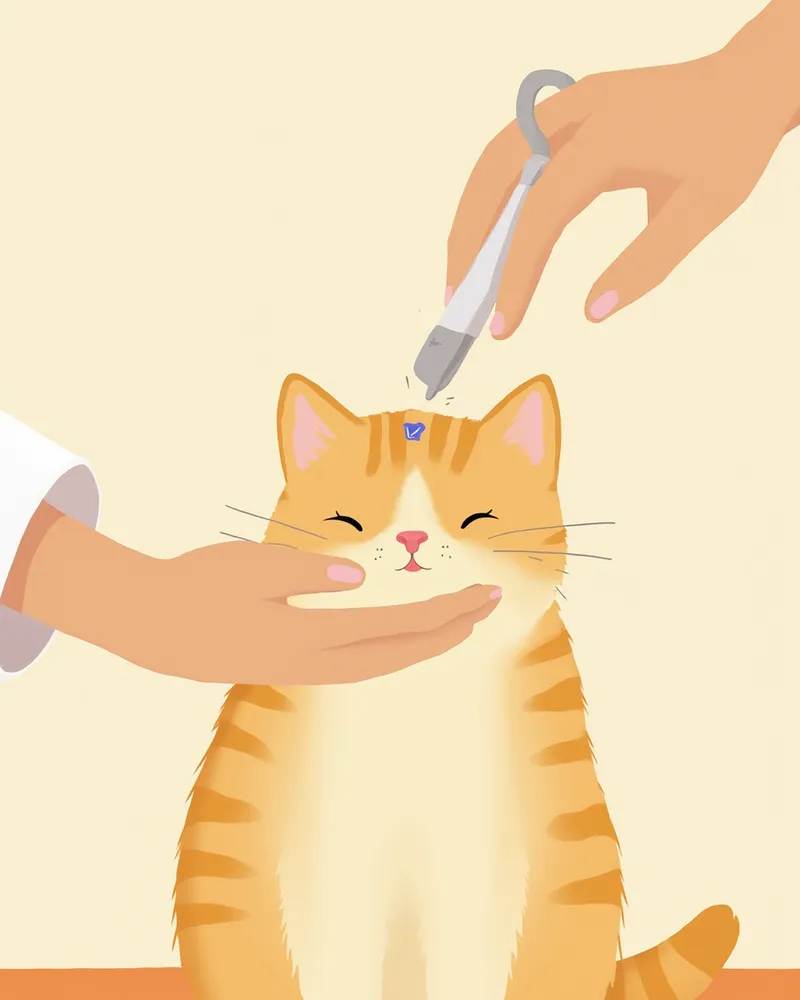
Topical treatment: Antifungal medicated shampoos or ointments are applied regularly to the infected areas. Topical therapy is recommended for all infected pets, as it helps shorten the treatment period and reduce environmental contamination.
Oral medication treatment: For confirmed ringworm cases, systemic antifungal oral medication should be used in combination with topical therapy, regardless of the extent of the infection, unless contraindicated. This is because topical treatment alone is often insufficient to fully eliminate the fungus within the hair follicles. Your veterinarian will determine the appropriate medication and dosage based on your cat’s weight and overall condition.
Treatment duration varies by individual, but therapy should continue until consecutive fungal culture tests return negative results. Stopping medication prematurely increases the risk of recurrence, so please strictly follow your veterinarian’s instructions.
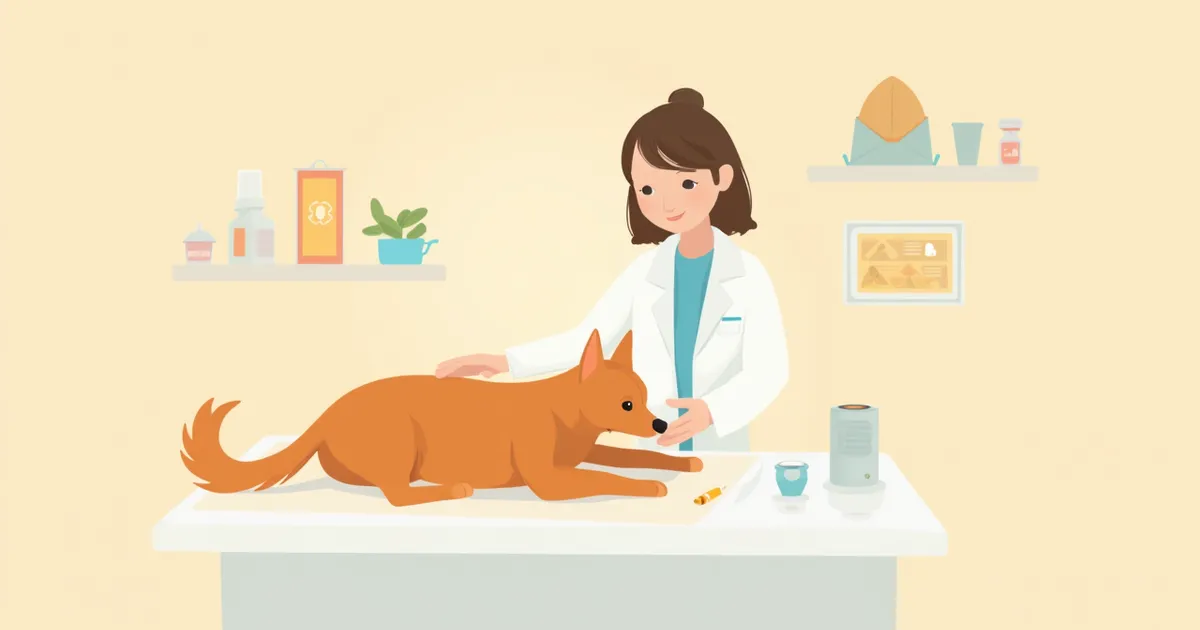
A veterinarian applying a topical medication to a cat

Home Environmental Management is Key

Ringworm spores can survive in the environment for a significant period, so environmental management is essential alongside treatment.
Isolation: Keep the infected cat separated from other pets during the treatment period.
Washing: Wash bedding, blankets, and clothing in hot water, and use a dryer if possible.
Disinfection: Wiping floors and furniture with diluted bleach (a 10:1 ratio of water to bleach) is effective.
Vacuuming: Since the fungus can adhere to fur and dander, frequently vacuum carpets and floors.
Neglecting environmental management can lead to reinfection even after treatment is complete.

Do Not Stop Treatment Even If Symptoms Disappear

Even if the hair appears to be growing back and the skin looks clear, the fungal infection may not be completely eradicated. Treatment should continue until consecutive negative results are obtained from fungal culture tests to prevent recurrence. Stopping medication prematurely can cause symptoms to return, so it is essential to follow your veterinarian’s instructions.

Reviewed by a veterinarian

Dr. Tony — Punnawat Phongkittirak

Dr. Tony — Punnawat Phongkittirak

Veterinarian

A veterinarian who majored in veterinary medicine at Khon Kaen University, Thailand, and completed the IVSA program at North Carolina State University in the United States. Drawing on clinical experience at animal hospitals, he works in the pet healthcare field and is dedicated to building a digital care environment that connects pet parents with veterinarians.

Frequently Asked Questions

Can ringworm in cats be transmitted to humans?
Yes, ringworm is a zoonotic infection. If you handle an infected cat and don’t wash your hands afterward, you may develop a round, red rash on your skin. Please take extra precautions if there are children or immunocompromised family members in the household.
How long does it take to treat ringworm?
Treatment duration varies from pet to pet. Because a cure is only confirmed when consecutive fungal culture tests return negative results, treatment must continue based on test outcomes even if symptoms appear to improve. For the safest approach, consult your veterinarian to determine the exact endpoint of therapy.
What should I do if one cat in a multi-cat household gets ringworm?
Immediately isolate the infected cat, and have any other cats living in the same household examined at a veterinary clinic. Even if they show no symptoms, they may still be carrying the pathogen. Please disinfect all shared bedding and supplies.
Can ringworm heal on its own?
Ringworm is a treatable condition that can be fully cured with proper care. While healthy cats often respond well to treatment, a fungal culture test is necessary to confirm that the infection has completely cleared. Most importantly, because ringworm can continue to spread to other animals and people during the untreated period, it is much safer to seek treatment rather than waiting for it to resolve on its own.
How should I bathe a cat with ringworm?
It’s best to bathe your pet using a medicated shampoo prescribed by a veterinarian. Regular shampoos won’t eliminate the fungus. After bathing, be sure to wash the towel used in hot water and disinfect the bathroom.

Share

Related Guides

References

[1] Hill P., Dermatophytosis, 100 Top Consultations in Small Animal General Practice, Wiley-Blackwell

[2] BSAVA Manual of Canine and Feline Dermatology, 4th Edition, British Small Animal Veterinary Association

[3] Clinical Medicine of the Dog and Cat, 4th Edition

This information is based on veterinary literature and does not replace diagnosis or treatment. Please consult a veterinarian for specific health concerns.

Metapet Co., Ltd. | CEO: Park Sung-yong | Business Reg. No. 417-88-02562 | Seoul, South Korea | Customer Center

Feline Ringworm (Fungal Dermatitis): Symptoms & Treatment | Meongsiljang