
What is Canine Hypothyroidism? — Do They Need Lifelong Medication? Key Q&A
Canine hypothyroidism is a chronic condition caused by hormonal imbalance, making early detection and proper management essential. Here’s a summary of key information every pet owner should know.
What is Canine Hypothyroidism?
What Causes Hypothyroidism?
What Are the Main Symptoms?

Signs Requiring Immediate Veterinary Visit
If your dog suddenly becomes severely lethargic, experiences a very slow heart rate, or has difficulty breathing, seek veterinary care immediately. These symptoms may indicate that hypothyroidism has progressed to a severe stage.
How Is an Accurate Diagnosis Made?
How Is It Treated?
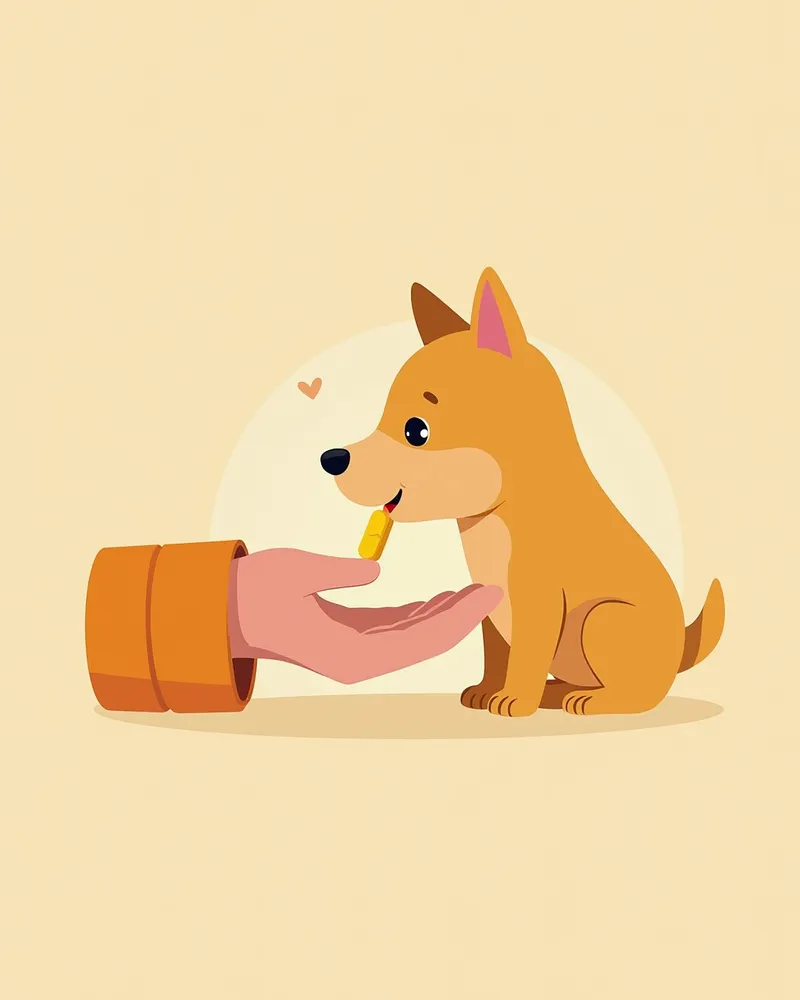
Daily Management Tips
Treatment Comparison: Medication vs. Surgery vs. Diet
| Item | Medication Therapy | Surgical Treatment | Dietary Therapy |
|---|---|---|---|
| Speed of Effect | Improvement within days to months (lifelong use) | Not a treatment for hypothyroidism | No effect on its own |
| Cost | Relatively inexpensive | High | Medium |
| Risk of Side Effects | Thyrotoxicosis possible with overdose | Hormone deficiency worsens with thyroid removal | Low particular risk |
| Continuity | Consistent lifelong administration | Not recommended | Supplementary management |
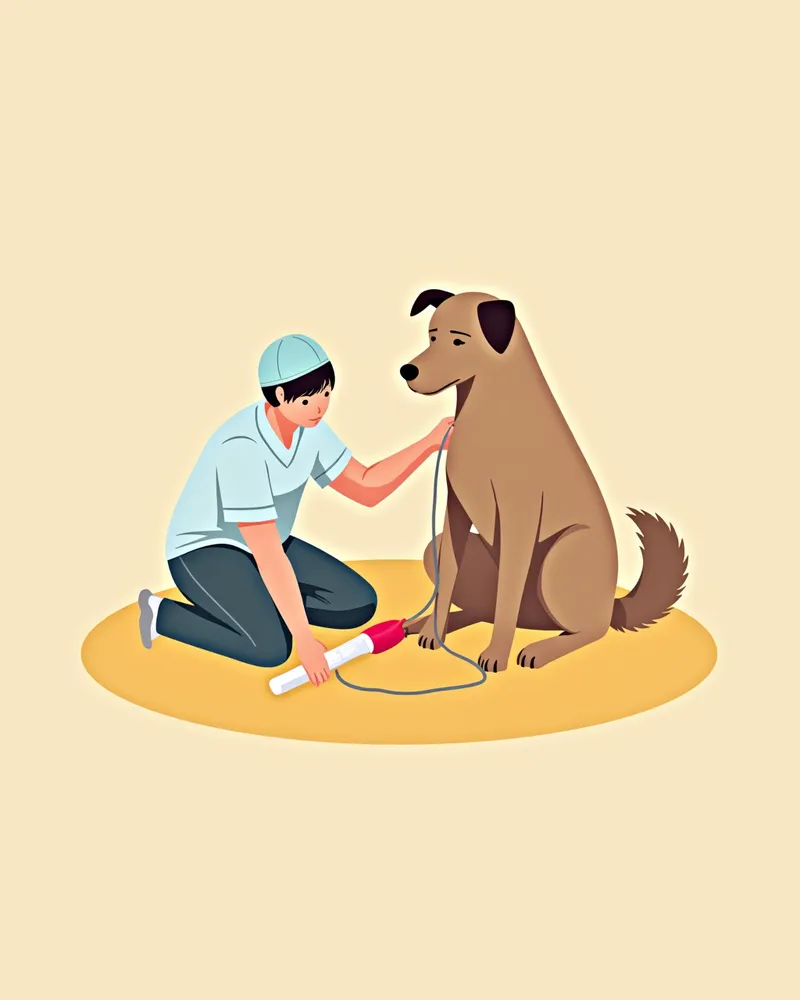
The standard treatment for hypothyroidism is medication therapy with lifelong administration of levothyroxine (thyroid hormone) supplements. Surgery (thyroid removal) actually makes hormones even more deficient, so it is not a treatment for this disease, and it cannot be cured with diet alone.
Precautions: Things to Note When Taking Medication
Supplements work best when given at the same time every day. Since taking them with other medications can interfere with absorption, be sure to consult your veterinarian if your pet is on any other drugs. Most importantly, never stop the medication or adjust the dose on your own, as this can cause hormone levels to drop again and worsen symptoms.
Reviewed by a veterinarian

Dr. Tony — Punnawat Phongkittirak
VeterinarianA veterinarian who majored in veterinary medicine at Khon Kaen University, Thailand, and completed the IVSA program at North Carolina State University in the United States. Drawing on clinical experience at animal hospitals, he works in the pet healthcare field and is dedicated to building a digital care environment that connects pet parents with veterinarians.
Reviewed 2026-06-01
Frequently Asked Questions
Is canine hypothyroidism hereditary?
Will the symptoms return if I stop the medication?
How should I adjust my pet’s diet?
Is the timing of medication administration important?
How often should regular check-ups be done?
Share
Related Guides

Top 5 Prescription Dog Foods for Diabetes Recommended by Veterinarians — Blood Sugar-Stabilizing Food Comparison
7 Key Products for Managing Feline Hypercalcemia Recommended by Veterinarians and Selection Criteria
7 Key Points for Canine Thyroid T4 Testing by Veterinarians — From Timing to Result Interpretation

Feline Brain Tumors: How Do They Start? — How to Recognize Early Signs
What Are Feline Adrenal Tumors? From Warning Signs to Treatment Timing
Feline Intra-abdominal Tumors: Benign or Malignant? — Differential Diagnosis and Owner Checkpoints
Dog Portosystemic Shunt Surgery: Is It Necessary? — Key Q&A on Cost, Recovery, and Prognosis
Is My Dog Always Lethargic? — Symptoms and Causes of Portosystemic Shunt (PSS) Q&A
Is a liver biopsy necessary for dogs? — From the procedure to cost and risks
When to Administer SAMe and Milk Thistle for Dogs: Effects and Selection Points
References
[1] Peterson ME, et al. (2005) Canine Hypothyroidism: Diagnosis and Management. Journal of Veterinary Internal Medicine, 19(3), 385–393.
[2] Feldman EC, Nelson RW. (2013) Canine Hypothyroidism: A Comprehensive Review. Veterinary Clinics of North America: Small Animal Practice, 43(2), 245–262.
[3] American College of Veterinary Internal Medicine. (2020) Guidelines for the Diagnosis and Management of Canine Hypothyroidism. ACVIM Consensus Statement.