
The Ultimate Guide to Dog Body Proportions and Standards
A dog’s body proportions, determined by the balance between body length and height, serve as an indicator of both breed standards and overall health. Here’s a clear overview of normal proportion ranges and breed-specific variations.
What Are Dog Body Proportions?
Where Exactly to Measure Body Length and Height
Breed-Specific Standard Body Proportions (Body Length:Height)
| Item | Standard ratio | Characteristics |
|---|---|---|
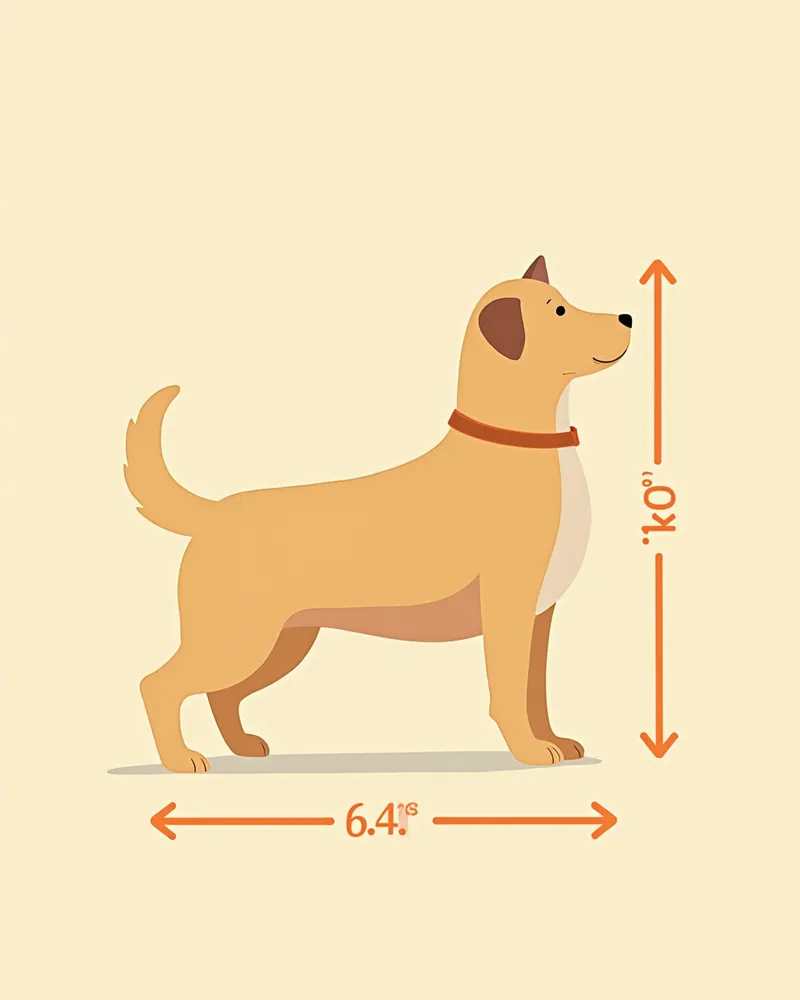
| Square build | 10:10 (1:1) | Balanced types such as Poodle, Boxer, Doberman |
| Slightly long build | 11:10 | Active types such as Golden Retriever, Labrador |
| Long build | 12:10 to 13:10 | Chondrodystrophic breeds such as Corgi, Dachshund |
| Chondrodystrophy caution | Body length greatly exceeds height | Increased risk of intervertebral disc disease |
General classification based on FCI (Fédération Cynologique Internationale) breed standards
Health Signals Revealed by Proportions
Seek Immediate Veterinary Care for These Proportional Changes
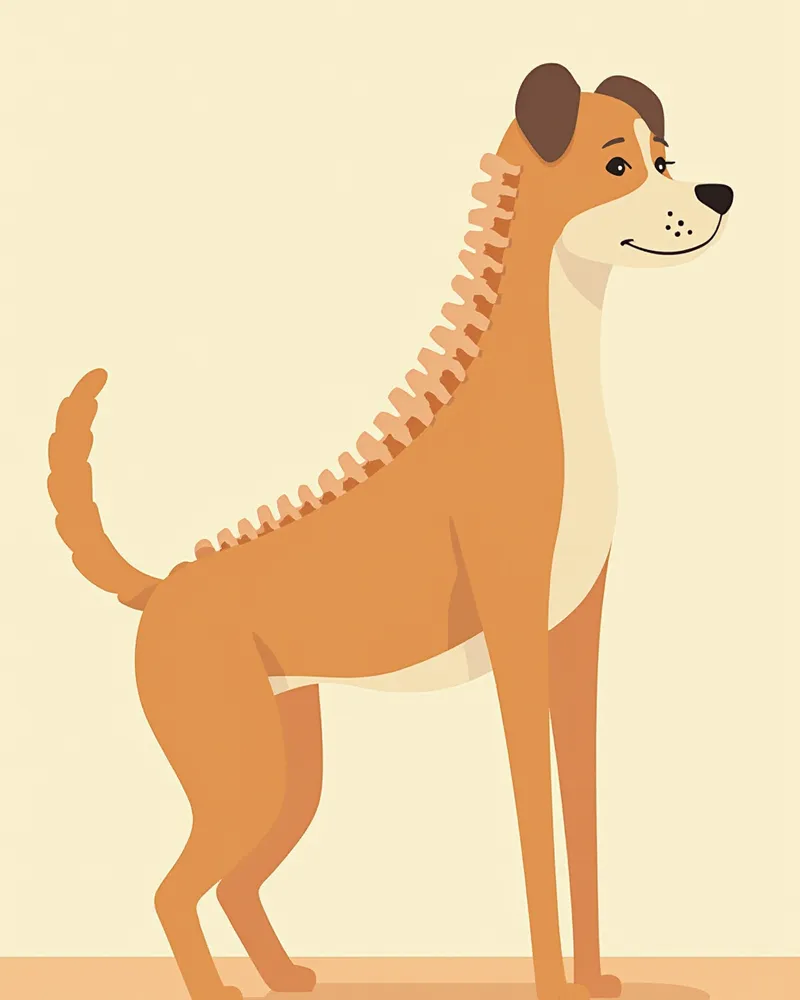
Seek veterinary care within 24 hours if you notice any of the following signs: a sudden hunched back and vocalization of pain when touched; walking with one leg lifted and asymmetrical shoulder height; or a distended, sagging abdomen with rapid breathing over several days, which may indicate ascites or heart disease. In chondrodystrophic breeds such as Dachshunds and Corgis, sudden hindlimb paralysis is a disc emergency. Delays in treatment significantly reduce the likelihood of recovery.
Management Tips for Maintaining Healthy Proportions
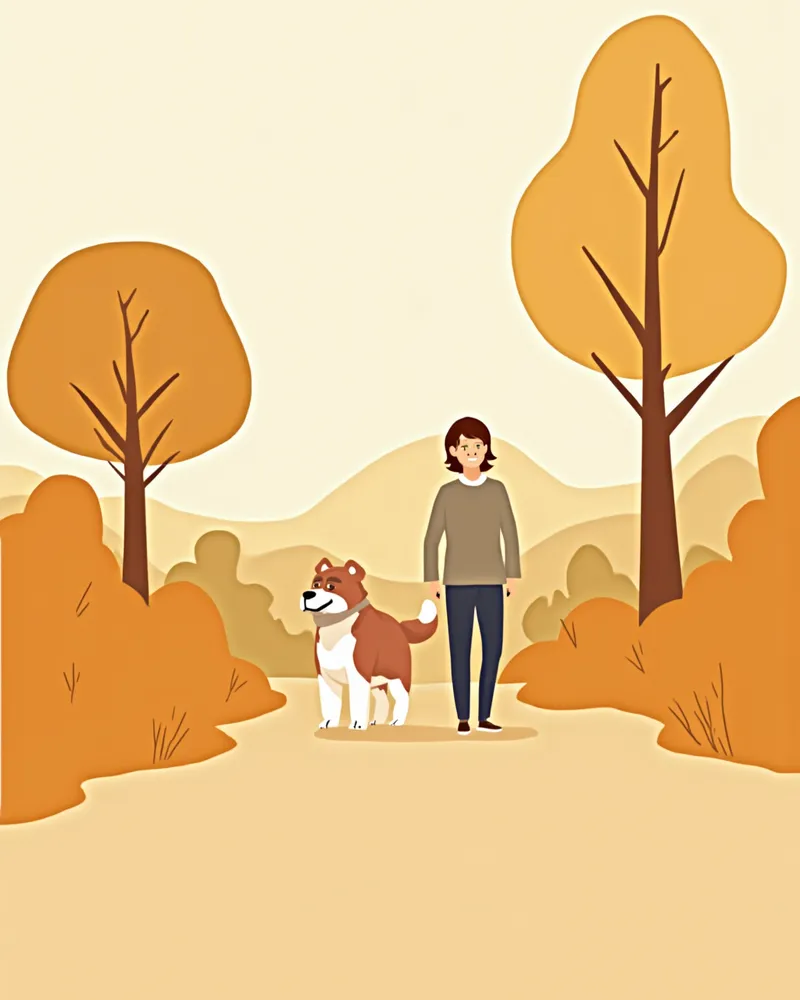
Different 'Normal' Standards by Breed
What Owners of Chondrodysplastic Breeds Must Know
Chondrodysplastic breeds with short legs and long bodies, such as Dachshunds, Welsh Corgis, and Basset Hounds, are known to have a significantly higher risk of intervertebral disc problems compared to other breeds. To prevent them from jumping off sofas, provide steps for safe access, and always support both their chest and hindquarters with two hands when picking them up. Since obesity places additional strain on the joints and spine, maintaining a healthy weight is the most important factor.
Reviewed by a veterinarian

Dr. Tony — Punnawat Phongkittirak
VeterinarianA veterinarian who majored in veterinary medicine at Khon Kaen University, Thailand, and completed the IVSA program at North Carolina State University in the United States. Drawing on clinical experience at animal hospitals, he works in the pet healthcare field and is dedicated to building a digital care environment that connects pet parents with veterinarians.
Reviewed 2026-04-27
Frequently Asked Questions
Until what age does a puppy’s body proportion change?
Can you check the ratio from the photo?
Does a deviation from the standard ratio always indicate a problem?
Is it dangerous if a dog's body length is significantly longer than its height?
My senior dog has started to develop a hunched back. Is this normal?
Share
Related Guides
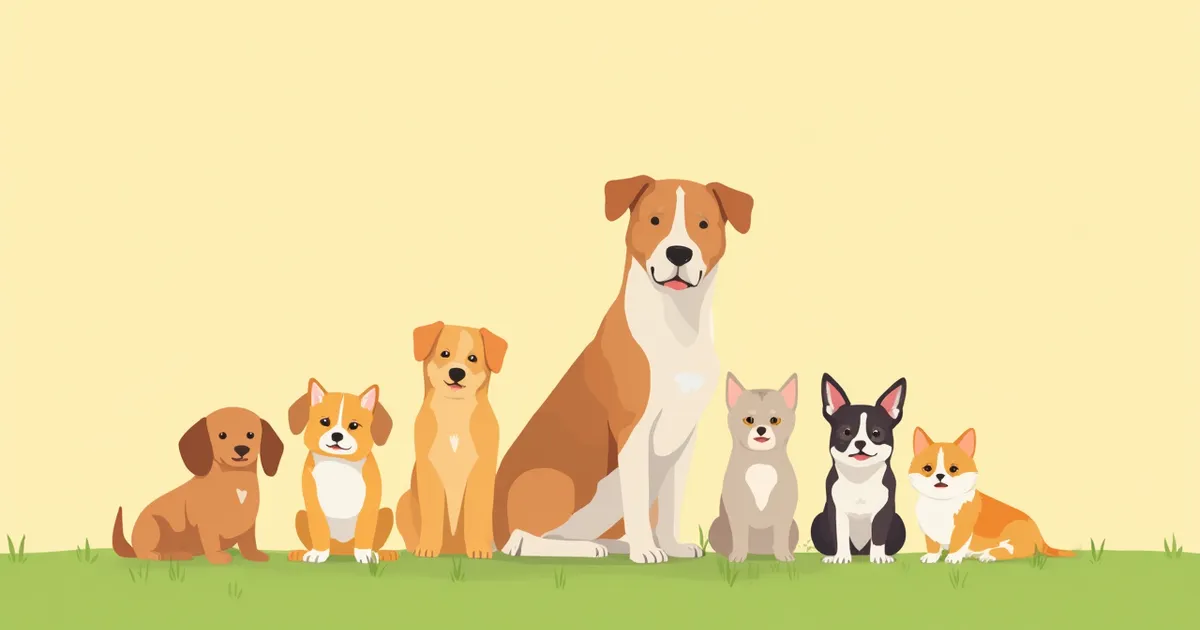
Top 7 Short-Legged Dog Breeds

Primary vs. Secondary Veterinary Hospitals: A Comparison
5 Easy-to-Raise Cat Breeds for First-Time Owners — Grooming Difficulty Comparison
Meaning and Behavioral Signals of the Play Bow

What Is My Cat Feeling Right Now? — Reading Emotional Signals Through Ear Position
What Does a Cat’s Purr Mean? — Meanings and Types by Situation
How to Objectively Assess Your Pet’s Condition Using Quality of Life (QoL) Scales for Dogs and Cats
How to Assist with Grooming Deficits in Senior Cats
Canine Pemphigus (Autoimmune Skin Disease) Guide
Complete Guide to Canine Autoimmune Polyarthritis: Symptoms and Treatment
References
[1] Asher, L., Diesel, G., Summers, J.F., McGreevy, P.D. and Collins, L.M. (2009). Inherited defects in pedigree dogs. Part 1: Disorders related to breed standards. Veterinary Journal 182, 402–411.
[2] FCI (Fédération Cynologique Internationale) Breed Standards Database, 2024
[3] Sharkey, L., Gjevre, K., Hegstad-Davies, R. et al. (2009). Breed-associated variability in serum biochemical analytes in four large-breed dogs. Vet. Clin. Pathol. 38: 375–380.