Like
Share
멍실장
강아지 체중·비만 예방 관리 자주 묻는 질문 Q&A — 보호자가 꼭 알아야 할 핵심

Canine Weight and Obesity Prevention Management FAQ — Key Points Every Pet Owner Should Know

Lifestyle & Age CareQ&AMeongsiljang Veterinary Advisory Board

Canine obesity can lead to a variety of health issues, including diabetes and joint diseases. We’ve compiled essential weight management tips and prevention strategies that every pet owner should know.

Canine Weight and Obesity Prevention Management Is the Start of a Healthy Life
A veterinarian measuring a puppy's weight
Managing your dog’s weight is about more than just the numbers on the scale; it’s a cornerstone of long-term health. Excess weight puts strain on joints, weakens heart function, and increases the risk of diabetes. - Create a weight management plan: The most effective approach is to work with your veterinarian to develop a customized diet and exercise plan. - Dietary control: Choose high-protein, low-fat, high-fiber foods and manage calories systematically. It’s important to regulate treats by distributing their calories evenly throughout the day. - Build exercise habits: Consistently engage in at least 30 minutes of walking and play each day. Consistency is key. Monitor changes promptly through regular weigh-ins and body condition assessments.

The Key to Weight Management Is 'Body Condition Assessment'
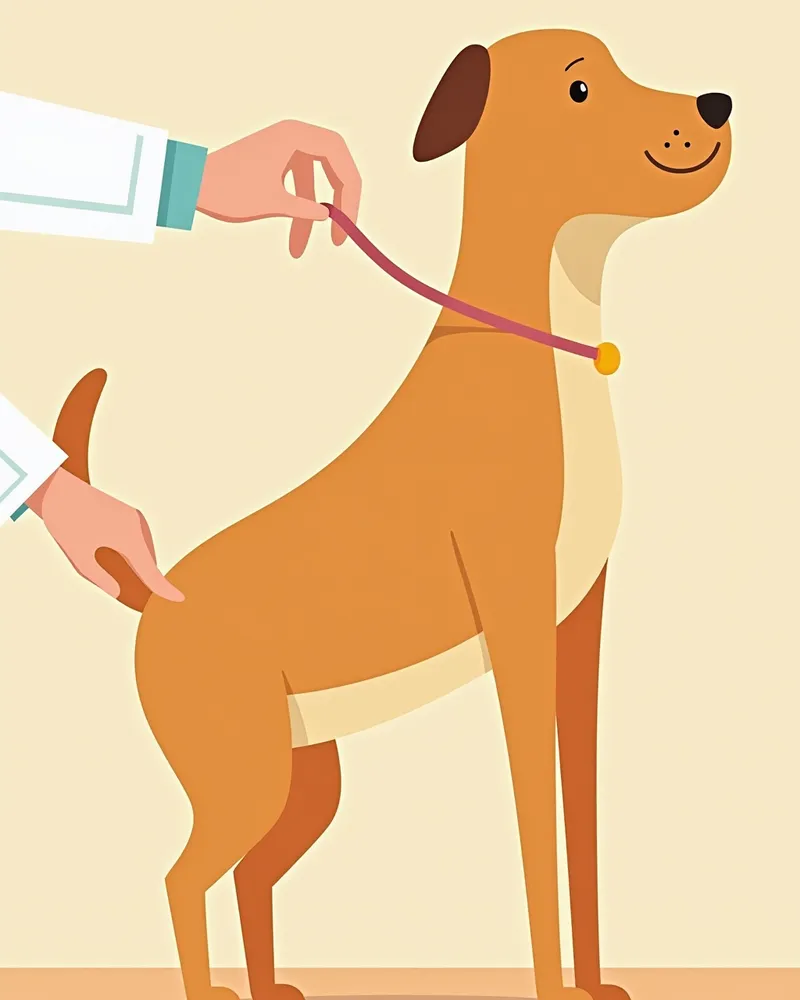
A dog’s weight is more than just a number—it reflects their body condition. Using the widely accepted 9-point Body Condition Score (BCS) system in veterinary medicine allows for a more accurate assessment. A score of 4 to 5 is ideal, 6 to 7 indicates overweight, and 8 or higher is classified as obese. Each point above the ideal score corresponds to an approximate 10–15% increase in body weight. Check your dog’s belly and ribcage by hand: if you can’t easily feel the ribs or if there’s a thick layer of fat on the abdomen, your dog is likely overweight. Regular body condition assessments help you detect weight changes early and take action. It’s important to work with your veterinarian to ensure your dog’s BCS remains within the healthy range.
A veterinarian gently palpating a puppy’s ribcage and backline to assess its body condition.

5 Key Elements of Canine Weight Management

The key elements of managing your dog’s weight are as follows. To prevent weight gain, it is essential to control food intake and establish an exercise plan. In particular, it is important to accurately understand the calorie content of pet food and create a meal plan that takes calorie distribution into account. Additionally, you should monitor changes through regular weight measurements and body condition assessments.
Portion Control: Calculate portions to ensure they do not exceed the daily recommended amount.
Treat Limitation: Avoid high-calorie treats and choose calorie-efficient options instead.
Exercise Planning: Include at least 30 minutes of walking and play activities each day.
Weight Measurement Routine: Weigh your dog at the same time every week.
Veterinary Consultation: Seek immediate advice if you notice significant changes in weight.
A puppy playing in the park

Dietary Control Methods for Obesity Prevention

Dietary management to prevent obesity in dogs goes beyond simply reducing the amount of food they eat. - Choose high-protein, low-fat, high-fiber foods: This combination helps maintain muscle mass and increases satiety. - Avoid excessive carbohydrates: Excess carbs are easily converted into body fat. - Carefully read pet food labels: Accurately check calorie, protein, and fat content. - Limit treats according to caloric guidelines: It’s best to separate treat times from meal times and choose options that offer good caloric efficiency. - Use veterinarian-recommended products: These ensure safety and nutritional balance. - Establish a consistent feeding schedule: Feeding at the same time each day makes weight management easier. However, it’s most important to adjust portions based on your dog’s individual activity level and health status.
A dining table set with high-protein dog food and treats

Immediate Veterinary Visit Required If Weight Increases Rapidly or Activity Level Decreases

If your dog’s weight increases noticeably over a short period or their activity level drops sharply compared to usual, it could be a sign of a sudden illness. Endocrine disorders such as hypothyroidism or Cushing’s disease, heart disease, and cancer can also cause weight changes, so these should be considered as well. In particular, if rapid weight gain is accompanied by loss of appetite, severe lethargy, difficulty breathing, or weakness, consult your veterinarian immediately, as appropriate diagnostic tests may be needed to identify the underlying cause.

Practical Exercise Plan for Weight Loss
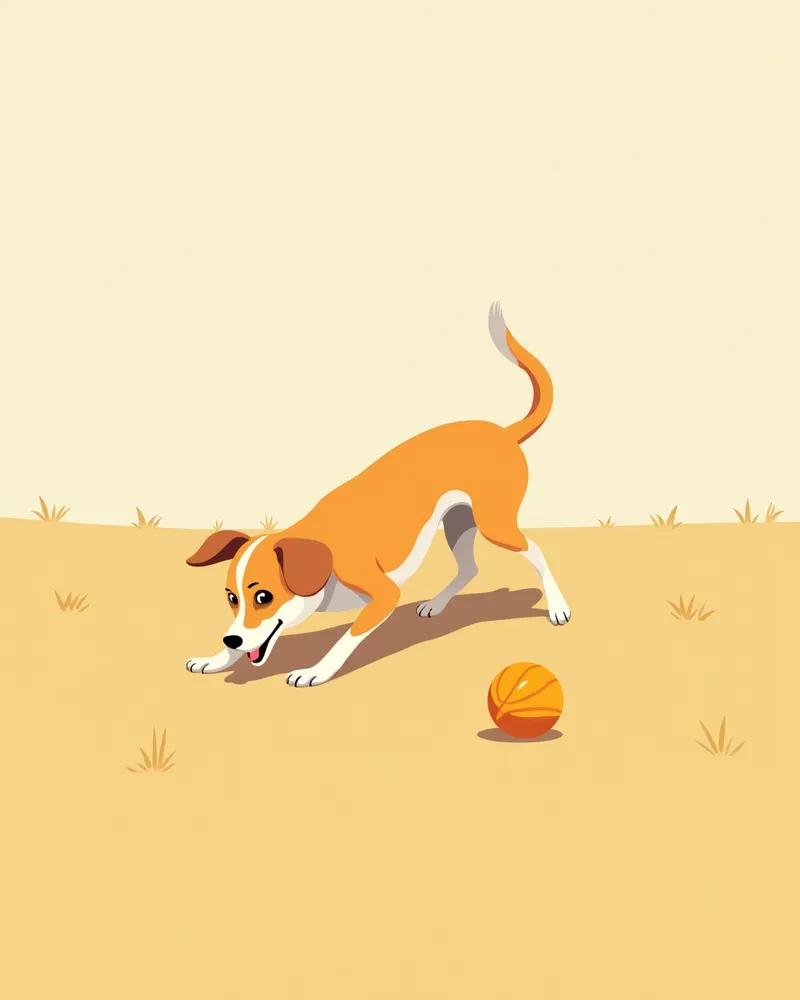
Exercise for weight loss should be systematic and consistent. Adjust the intensity based on your dog’s age, health status, and degree of weight change. Aim for at least 30 minutes of walking and playtime on at least five days a week, and you can include over an hour of activity on weekends if needed. Activities like fetch and obstacle training help strengthen muscles and burn fat. Make sure your dog drinks plenty of water before and after exercise. Consistency is key to success, so try to establish a regular routine.
A puppy playing with a ball in the backyard.

Comparison Table of Canine Weight Management Methods

ItemEffectivenessPreparation TimeSustainability
Portion ControlHighLowHigh
Snack RestrictionMediumLowLow
Establishing an Exercise PlanHighMediumHigh
Weight Measurement RoutineMediumLowHigh

Portion control and an exercise plan are the most effective and sustainable methods.

4 Common Mistakes Made by Pet Owners

Common mistakes pet owners make when managing their dog’s weight include giving treats too frequently or overfeeding commercial pet food. Some also ignore weight changes or disregard veterinary advice. Weight management is not a short-term goal but a lifelong habit, and consistency is key.
Overfeeding treats: Many owners give more than one or two treats per day.
Ignoring portion sizes: Owners often exceed the recommended amounts on the packaging.
Insufficient weight monitoring: Weighing the dog only once or twice a week.
Avoiding veterinary consultations: Visiting the clinic only when no changes are observed.
A pet owner giving their dog too many treats.

Reviewed by a veterinarian

Dr. Tony — Punnawat Phongkittirak

Dr. Tony — Punnawat Phongkittirak

Veterinarian

A veterinarian who majored in veterinary medicine at Khon Kaen University, Thailand, and completed the IVSA program at North Carolina State University in the United States. Drawing on clinical experience at animal hospitals, he works in the pet healthcare field and is dedicated to building a digital care environment that connects pet parents with veterinarians.

Frequently Asked Questions

How do you measure a dog's weight?
Weigh your pet on a scale at the same time each day for consistency. Aim to do this once or twice a week. For more accurate results, pair these weigh-ins with a Body Condition Score (BCS) assessment.
Why is it important to limit the calories in treats?
Treats can be a major contributor to weight gain if overfed. Their calories should be factored into your pet’s total daily intake, and it’s important to work with your veterinarian to create an appropriate calorie distribution plan.
How much exercise should my pet get?
For adult dogs, we recommend at least 30 minutes of walking and playtime each day, but it’s important to adjust this based on your dog’s individual health and age. Gradually increasing activity levels is the best approach.
What should I do if my pet’s weight loss is progressing slowly?
Reevaluate your pet’s diet and exercise routine, and consult with your veterinarian. An ideal weight loss rate is 1–2% per week. A personalized plan may be necessary.
What kind of food is good for preventing obesity?
A diet high in protein, low in fat, and rich in fiber is ideal, and using a veterinarian-recommended product is the safest choice. Maintaining nutritional balance and controlling calorie intake are key.

Share

Related Guides

References

[1] Burkholder WJ. Use of body condition scores in clinical assessment of the provision of optimal nutrition. J Am Vet Med Assoc 2000;217(5):650-4.

[2] Robertson ID. The association of exercise, diet and other factors with owner-perceived obesity in privately owned dogs from metropolitan Perth, WA. Preventive Veterinary Medicine 2003;58(1—2):75-83.

[3] The Dog Care Handbook, Things I Wish My Vet Had Told Me. 2022. Page 123-125.

This information is based on veterinary literature and does not replace diagnosis or treatment. Please consult a veterinarian for specific health concerns.

Metapet Co., Ltd. | CEO: Park Sung-yong | Business Reg. No. 417-88-02562 | Seoul, South Korea | Customer Center

Dog Weight & Obesity Prevention: 5 FAQs for Owners | Meongsiljang