Like
Share
멍실장
강아지 행동 풍부화 전략 자주 묻는 질문 Q&A — 보호자가 꼭 알아야 할 핵심

What Is Behavioral Enrichment for Dogs? Practical Strategies to Reduce Problem Behaviors

Brain & CognitionQ&AMeongsiljang Veterinary Advisory Board

Behavioral enrichment for dogs is a strategy that designs the environment to safely satisfy your dog’s natural instincts to explore and hunt. We’ve compiled five types of enrichment—food, cognitive, sensory, physical, and social—along with frequently asked questions from pet owners, all grounded in veterinary behavioral science.

What Is Behavioral Enrichment for Dogs?
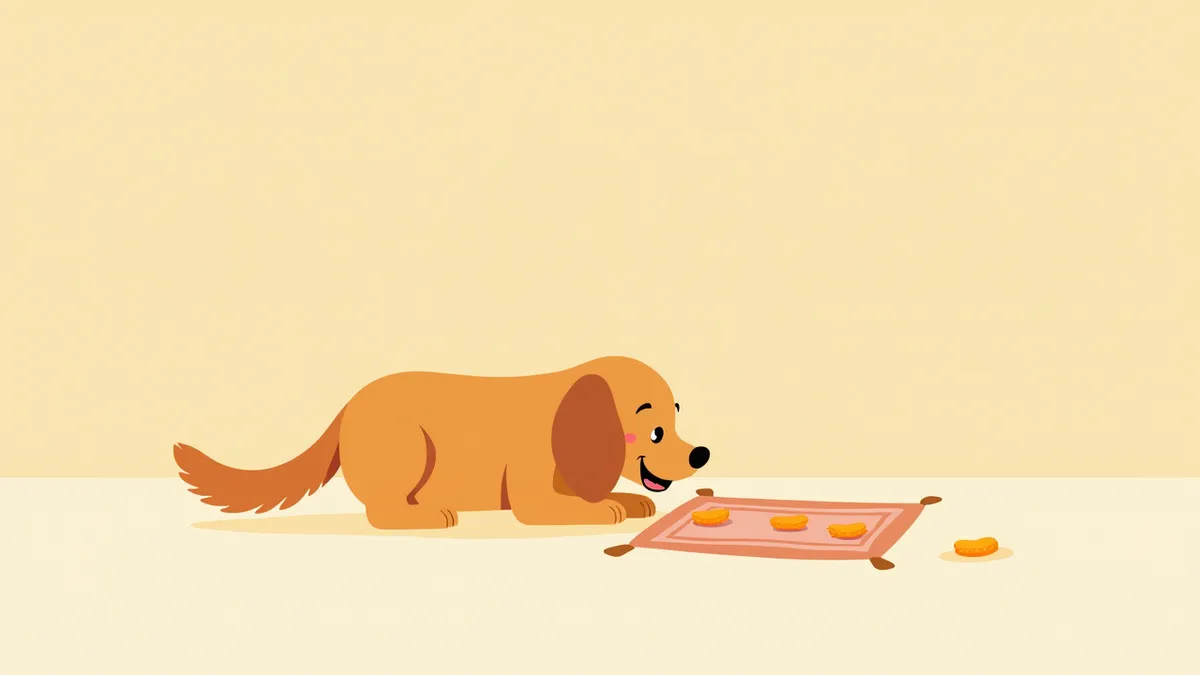
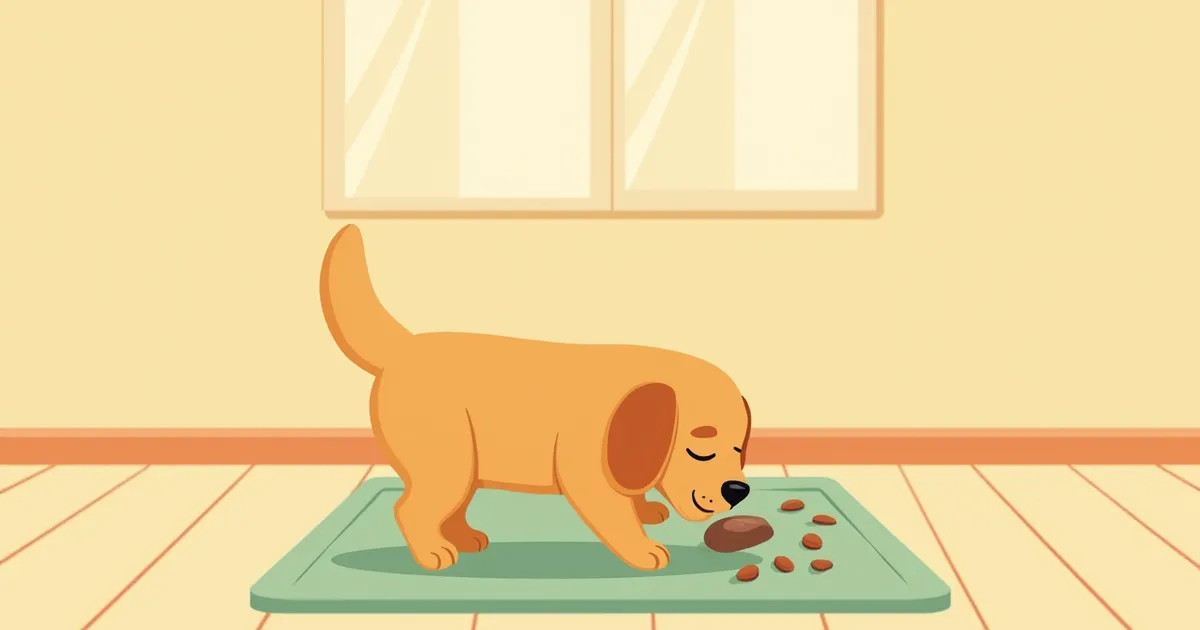
A golden retriever exploring a hidden treat snuffle mat
Behavioral enrichment is a strategy that intentionally designs environments and activities to allow dogs to safely express their innate instincts for exploration, foraging, and social interaction. In veterinary behavioral science, enrichment is broadly categorized into environmental and social enrichment, with recommendations including mentally and physically stimulating activities such as puzzle feeders, varied walks, and play. Insufficient stimulation and restricted environments can increase stress, whereas environmental enrichment and training are recognized as effective tools for reducing stress in animals under human care. Consistent enrichment fosters problem-solving skills, encourages exploration and independence, and supports emotionally stable behavior.

Why Is Behavioral Enrichment Essential?

Dogs have an innate drive to express normal behaviors such as foraging, exploring, and engaging in social interactions. When confined to a low-stimulation environment like indoors, they may be unable to fully express these natural behaviors, leading to accumulated stress. Veterinary behavior textbooks explain that environmental enrichment and training can help reduce stress in animals under human care and alleviate repetitive behaviors (stereotypies) associated with insufficient foraging opportunities. For high-energy dogs, physical exercise like walks alone may not be enough; it’s beneficial to combine it with cognitive and sensory stimulation, such as puzzle feeders and scent-based exploration. Tailor the type and intensity of enrichment to your dog’s temperament, breed, and lifestyle.

A Quick Comparison of the Five Types of Enrichment

ItemExample ActivitiesDifficultyMain Benefits
Food EnrichmentPuzzle feeders, snuffle mats, Kong stuffingEasyCognitive stimulation, prevents fast eating
Cognitive EnrichmentClicker training, name recognition, nose workModerateImproves focus and confidence
Sensory EnrichmentExploring various scents, walks in grassy fieldsEasyStress relief
Physical EnrichmentTug play, balance boardModerateImproves strength and coordination
Social EnrichmentMeeting dog friends, playtime with the ownerModerateStrengthens sociability and bonding

Difficulty is from the owner's perspective. Try starting with the type your dog responds well to.

How to Start Food and Cognitive Enrichment at Home
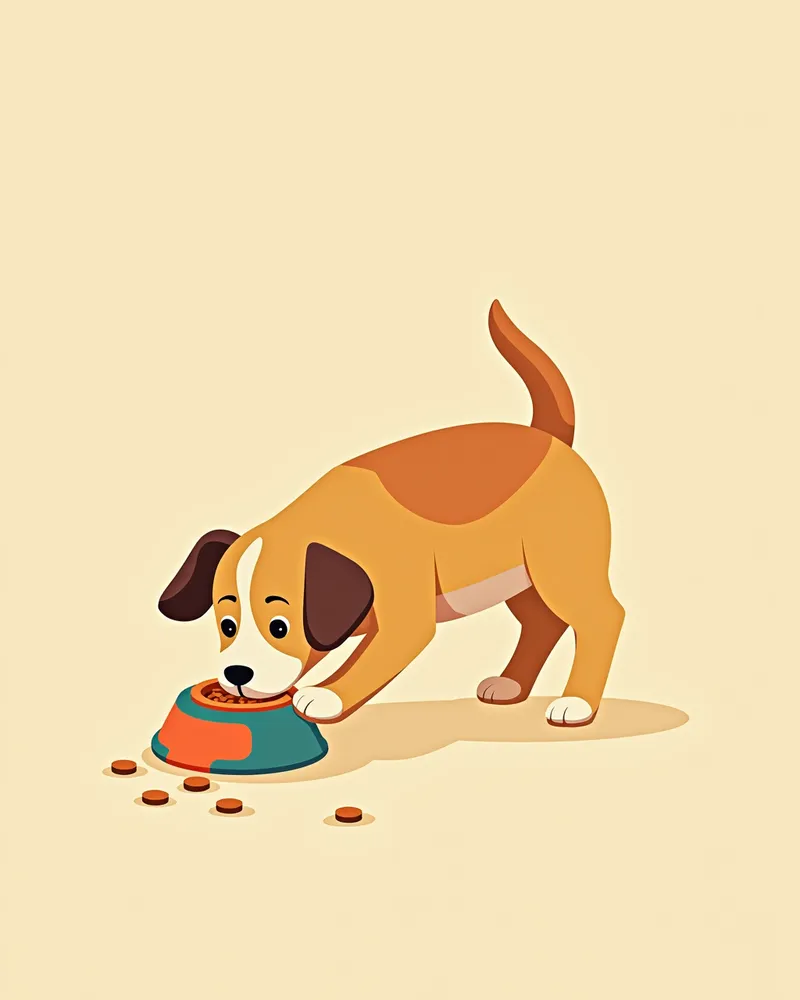
Puzzle Feeders: Instead of simply placing kibble in a bowl, use puzzle toys to dispense the food. These toys mimic natural foraging behaviors, providing both physical and mental stimulation. Start with easy difficulty levels and gradually increase the challenge as your dog becomes more comfortable.
Snuffle Mats: These are scent-based exploration toys where treats are hidden between layers of fabric. You don’t need to buy expensive products—you can easily make your own using recycled boxes, plastic bottles, or cloth.
Nosework: Hide treats in various spots around your home and encourage your dog to search for them using the “find” command. Foraging and scent-based activities stimulate problem-solving skills, promote normal behaviors, and provide beneficial mental stimulation for your dog’s brain.
A focused dog eating kibble from a puzzle feeder

Mistakes That Can Lead to Counterproductive Results

Giving your dog a toy that’s too difficult from the start can lead to frustration, causing them to develop an aversion to the toy altogether. Repeating the same activity every day reduces stimulation and diminishes effectiveness. The key to enrichment items is rotating three to four different options to maintain novelty and keep your dog engaged.

How to Practice Physical and Social Enrichment
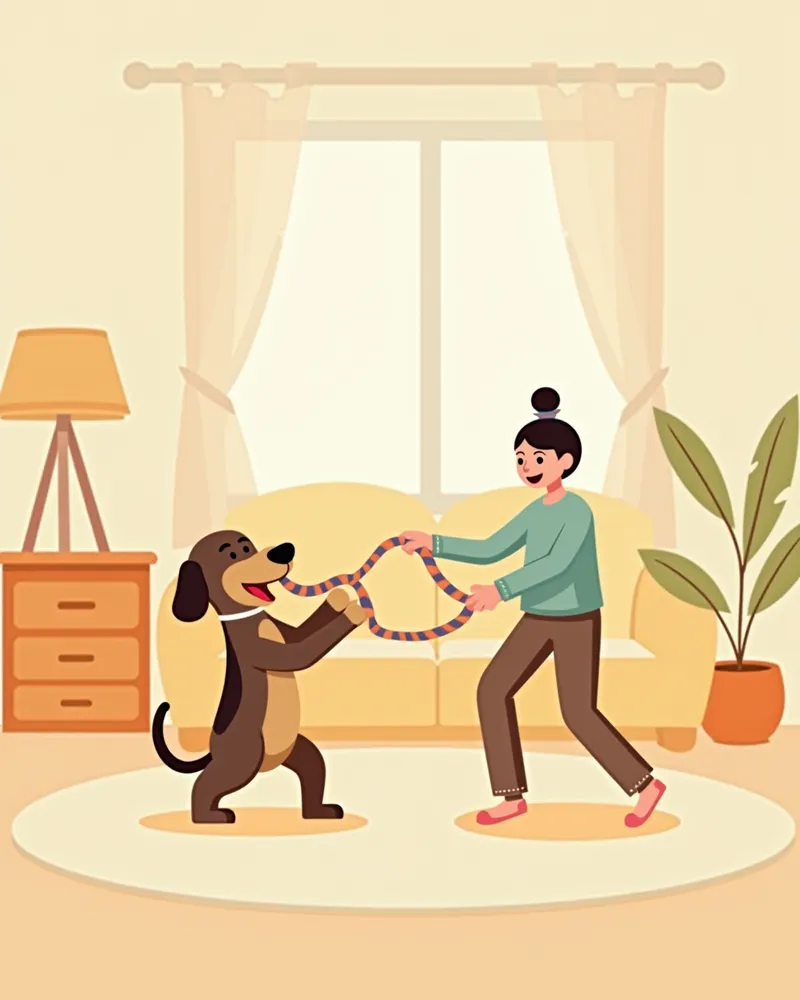
Tug-of-war: This game involves pulling on a rope toy together. Practicing the “drop it” command during play reinforces good behavior through positive reinforcement.
Balance disc: This is a form of physical enrichment that trains balance on an unstable surface. It can be used as an active exercise to provide both physical activity and stimulation.
Meeting friends: Start with brief, one-on-one meetings with dogs your pet already knows. Being in a space with multiple unfamiliar dogs can actually cause stress.
Social interactions with you, such as playing, training, and petting, are themselves powerful forms of social enrichment that help strengthen the bond between you and your pet.
A puppy enjoying tug-of-war with its owner

SMART x 50 — Reducing Problem Behaviors with 50 Praises a Day
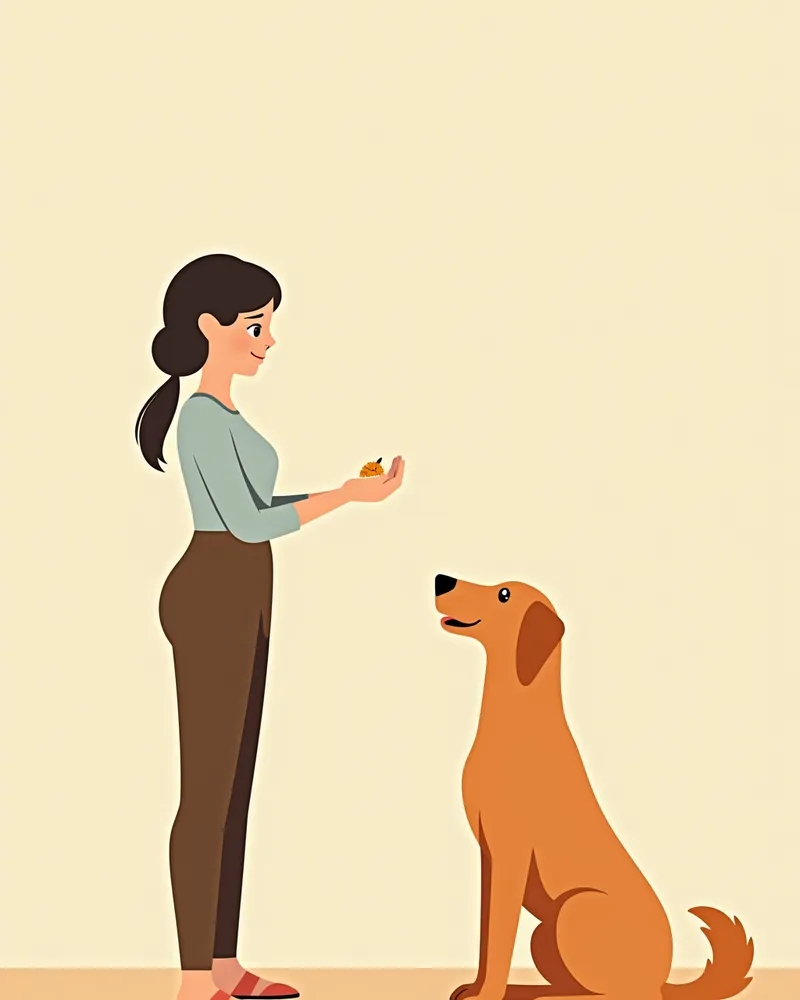
SMART x 50, developed by veterinary behavior expert Kathy Sdao, is a method that involves practicing See, Mark, and Reward Training 50 times a day. Catch your dog in the moment they exhibit desirable behaviors, such as sitting quietly or refraining from jumping on people, and immediately mark the behavior with a clicker or a verbal marker like "Good!" followed by a treat. Focusing on reinforcing good behaviors is far more effective than trying to suppress problematic ones. You can start right away by using one meal's worth of kibble (approximately 50 pieces) as SMART tokens for the day.
A puppy receiving treat rewards through positive reinforcement training

Enrichment Intensity Varies by Breed

Working breeds such as Border Collies, Malinois, and Huskies were bred for labor and have high energy levels, so physical exercise alone is often insufficient; it’s best to provide ample cognitive and olfactory stimulation as well. On the other hand, for less active breeds, excessive physical stimulation can be overwhelming, so prioritize olfactory enrichment and food-based enrichment. The key is to tailor the type and intensity of enrichment to each individual dog, taking into account their temperament, breed, and lifestyle.

Reviewed by a veterinarian

Dr. Tony — Punnawat Phongkittirak

Dr. Tony — Punnawat Phongkittirak

Veterinarian

A veterinarian who majored in veterinary medicine at Khon Kaen University, Thailand, and completed the IVSA program at North Carolina State University in the United States. Drawing on clinical experience at animal hospitals, he works in the pet healthcare field and is dedicated to building a digital care environment that connects pet parents with veterinarians.

Frequently Asked Questions

How much enrichment activity should my pet have each day?
There’s no single “right” amount of time. Rather than long, marathon sessions, it’s more effective to keep training short and sweet—ending before your dog loses interest—and repeat frequently. Aim for daily, consistent practice, adjusting based on your dog’s focus and responsiveness.
Can I use a puzzle feeder every day?
While you can use the same toys, your pet will quickly get used to them if you only use the same ones every day. Rotate between 3-4 different toys or occasionally introduce new puzzle toys to keep things fresh. It's also important to gradually increase the difficulty level.
Can nose work help aggressive dogs?
Yes, it can help. Activities like environmental enrichment and olfactory exploration are known to be useful tools for reducing stress in animals. They can be especially beneficial when aggression stems from stress or over-arousal. However, if the aggression is severe, it’s important to consult a veterinary behavior specialist first.
Do senior dogs also need enrichment activities?
Yes, it's necessary. For senior dogs with reduced physical activity, cognitive stimulation becomes even more important for maintaining brain function. You can adjust by lowering the difficulty level and providing shorter, more frequent sessions.
What should I do if my dog isn’t interested in enrichment toys?
Start by lowering the difficulty or increasing the reward value (e.g., using chicken pieces instead of kibble). Each dog has its own preferences, so try different approaches—such as scent-based or play-based methods—and focus on the ones that elicit the best response.

Share

Related Guides

References

[1] Bain, M.J. & Stelow, E. Veterinary Guide to Preventing Behavior Problems in Dogs and Cats. Wiley-Blackwell, 2024.

[2] Horwitz, D.F. & Mills, D.S. (Eds.). BSAVA Manual of Canine and Feline Behavioural Medicine, 2nd ed. British Small Animal Veterinary Association, 2009.

[3] China, L., Mills, D.S., and Cooper, J.L. (2020). Efficacy of dog training with and without electronic collars vs. a focus on positive reinforcement. Front. Vet. Sci. 7: 508.

[4] Fukuzawa, M. and Hayashi, N. (2013). Comparison of 3 different reinforcements of learning in dogs (Canis familiaris). J. Vet. Behav. Clin. Appl. Res. 8: 221–224.

This information is based on veterinary literature and does not replace diagnosis or treatment. Please consult a veterinarian for specific health concerns.

Metapet Co., Ltd. | CEO: Park Sung-yong | Business Reg. No. 417-88-02562 | Seoul, South Korea | Customer Center

What Is Behavioral Enrichment for Dogs? Cut Problem Behavior | Meongsiljang