Like
Share
멍실장
강아지 자일리톨 응급 — 저혈당과 간 손상 예방하는 법

Is it okay if my dog eats xylitol? — Emergency signs of hypoglycemia and liver damage

Emergency/ToxicityQ&AMeongsiljang Veterinary Advisory Board

Xylitol poisoning in dogs is a medical emergency in which artificial sweeteners found in sugar-free gum, toothpaste, and similar products stimulate the pancreas, causing hypoglycemia within 30 minutes and liver damage within 24 to 72 hours. If you suspect your dog has ingested xylitol, the most important step is to take them directly to a 24-hour veterinary clinic immediately.

The real reason why xylitol poisoning in dogs is so dangerous

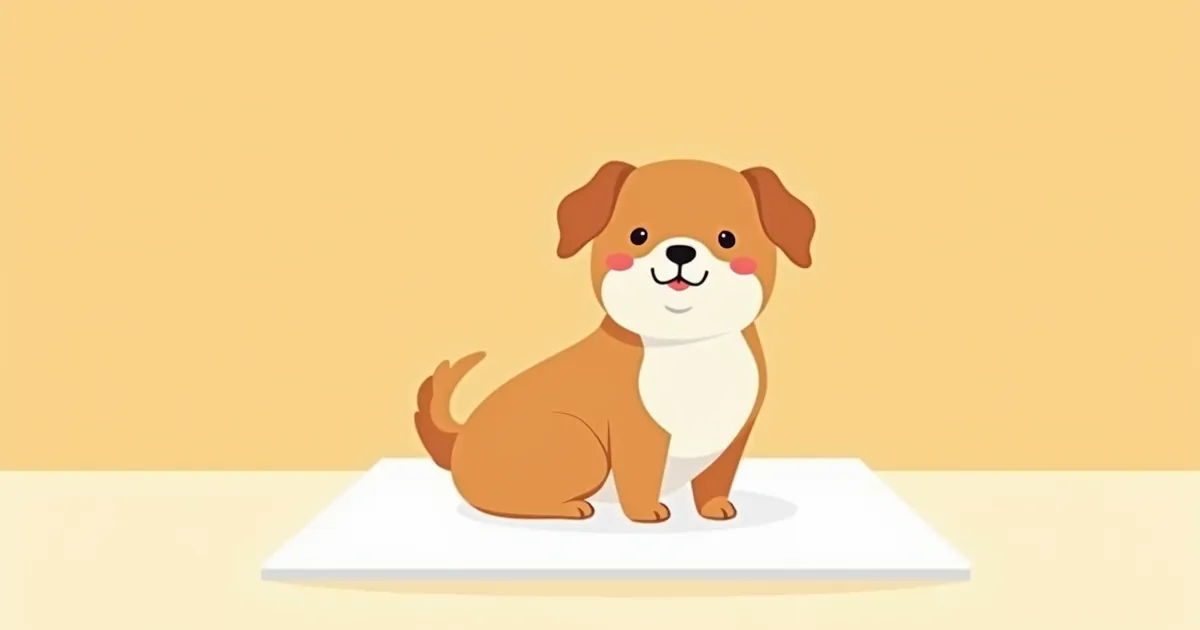
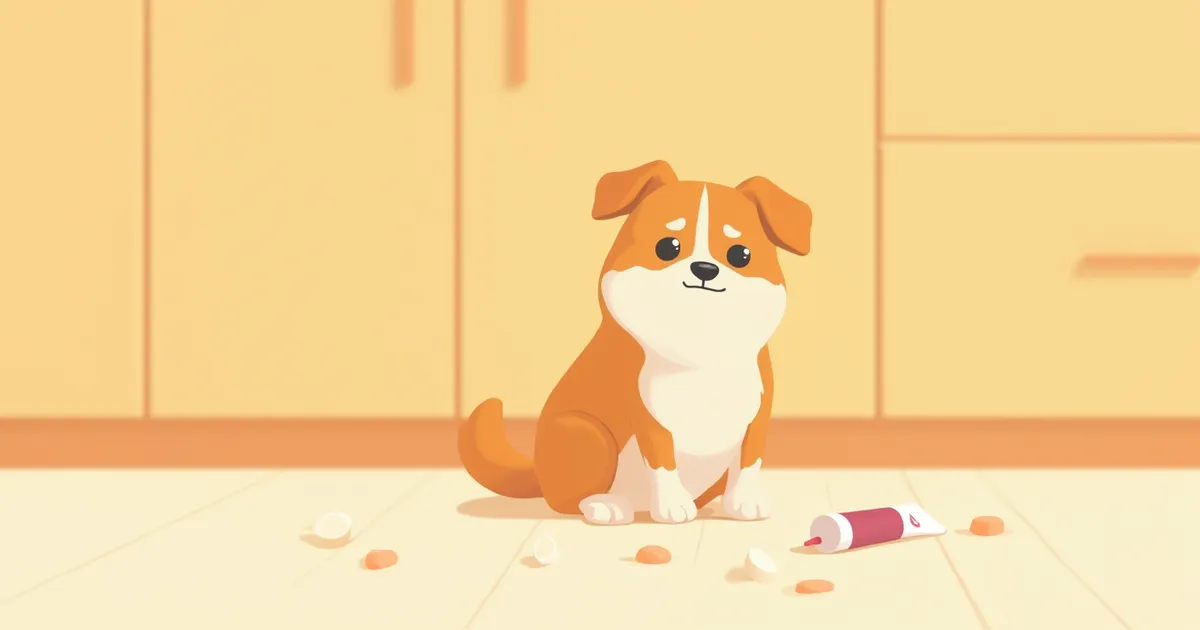
A small puppy sitting next to a piece of sugar-free gum dropped on the living room floor
Xylitol poisoning in dogs is a medical emergency caused by this artificial sweetener, commonly found in sugar-free gum, toothpaste, and syrups. It strongly stimulates the pancreas to release excessive insulin, leading to hypoglycemia and acute liver damage (hepatic necrosis). Time is of the essence. After ingestion, initial signs like vomiting can appear within 15–30 minutes, and hypoglycemia can develop as quickly as two hours, potentially causing weakness, ataxia, and seizures. In cases of significant ingestion, liver cells can be damaged within 24–48 hours, progressing to acute liver failure. Sometimes, liver failure occurs immediately without preceding hypoglycemia. If you suspect exposure, go to a 24-hour veterinary hospital immediately. Never attempt to induce vomiting at home or wait to see if your dog improves. The speed of treatment initiation significantly impacts the prognosis.

Why is it so dangerous for dogs?

Xylitol is especially dangerous for dogs because it stimulates their pancreas to release a large surge of insulin. This insulin causes blood sugar levels to drop rapidly, leading to hypoglycemia, while simultaneously driving potassium into cells, which can result in hypokalemia. Hypoglycemia can develop as quickly as two hours after ingestion and may progress to lethargy, weakness, ataxia, and seizures. In cases of higher ingestion, direct damage to liver cells can occur alongside insulin-induced hypoglycemia, potentially leading to acute hepatic necrosis and liver failure. There is no established safe threshold for xylitol toxicity; the risk depends on the amount ingested and how quickly treatment begins. Fortunately, xylitol toxicity is specific to dogs; cats and ferrets are not affected.

How much is dangerous depending on weight?

Pet owners often wonder how much xylitol is dangerous. The bottom line is that there is no established "safe" amount of xylitol, so any ingestion should be treated as an emergency. Toxicity depends on the amount ingested and how quickly treatment begins. A single sugar-free gum piece typically contains 0.3–1 g of xylitol, which can be relatively more dangerous for small dogs even at the same dose. The table below provides a reference for converting sugar-free gum amounts based on body weight. Since exact xylitol content varies by product, if you suspect ingestion, prioritize contacting a veterinary clinic over calculating the dose yourself.

Xylitol toxic dose by weight

ItemHypoglycemia concern onset (estimated)Liver damage concern onset (estimated)Sugar-free gum equivalent (1 piece ≈ 1g)
3kg (small breed)300mg1.5gAbout 2 pieces
5kg (small breed)500mg2.5gAbout 3 pieces
10kg (medium breed)1g5gAbout 5 pieces
20kg (medium-large breed)2g10gAbout 10 pieces
30kg (large breed)3g15gAbout 15 pieces

The figures in the table are commonly cited estimated thresholds, and actual toxicity varies depending on the amount eaten and how quickly treatment begins. There is no established exact safe dose, so if you don't know the amount or suspect ingestion, don't calculate — contact a veterinary clinic first no matter what. The xylitol content per piece of gum also varies greatly from 0.3 to 1g by product.

Xylitol products hidden in everyday items
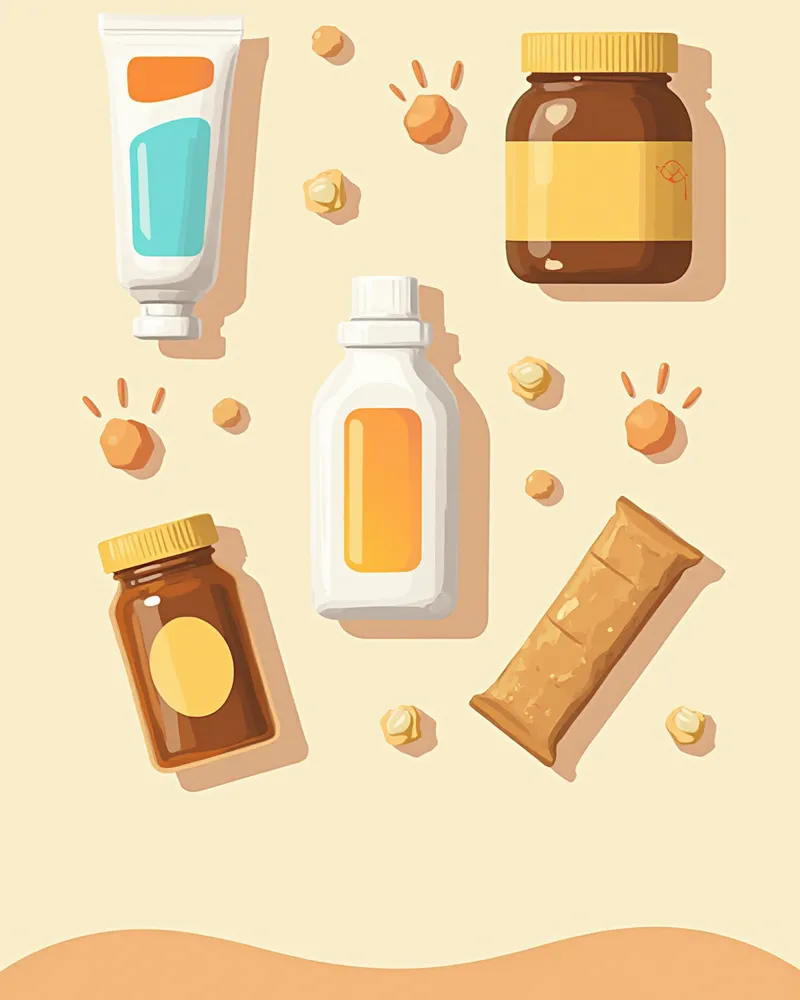
Xylitol is hidden in more everyday items than you might realize. Accidents often happen when owners accidentally spill something or when dogs rummage through bags and ingest it.
Sugar-free gum: This is the most common cause of accidental ingestion. A single piece can contain 0.3 to 1 gram of xylitol.
Sugar-free candies and mints: These are frequently found in diet and dental care products.
Human toothpaste and mouthwash: Using human toothpaste on dogs is dangerous.
Sugar-free syrups and medications: Xylitol is often present in children’s cough syrups and nasal sprays.
Sugar-free protein bars, cookies, and ice cream: These are commonly used in low-sugar diet foods.
Some peanut butters: Some products labeled "sugar-free" have added xylitol. Always check the label before giving peanut butter to your dog.
Everyday products that may contain xylitol, such as sugar-free gum, toothpaste, syrups, and peanut butter

If you see these signs, go to the emergency clinic immediately

Even if you’re not certain your pet ingested xylitol, head straight to a 24-hour veterinary clinic if you notice any of the following symptoms. Early signs like vomiting can appear within 15–30 minutes, while hypoglycemia symptoms may develop as soon as two hours after ingestion. Vomiting: The most common initial sign, typically occurring shortly after xylitol ingestion. Lethargy and stumbling: Indicates hypoglycemia, where the brain is deprived of glucose. Seizures or convulsions: A critical stage resulting from severely low blood sugar. Decreased consciousness or coma: Requires immediate intravenous glucose administration. Jaundice, bleeding (petechiae or black stools), and sudden weakness: Signs of liver damage that can emerge 24–48 hours after ingestion. Note that liver failure can sometimes occur immediately without preceding hypoglycemia.

5 steps of treatment at the emergency clinic
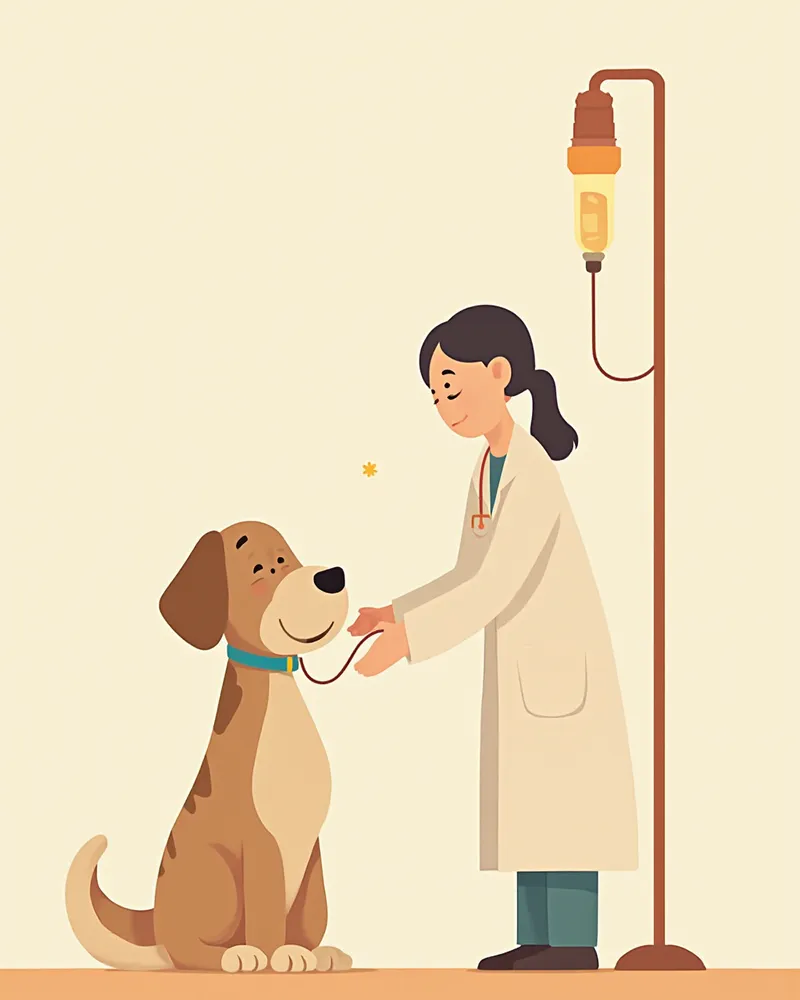
Once you arrive at the emergency clinic, the veterinarian will quickly proceed with the following steps. Knowing what to expect can help save valuable time.
1. Confirm ingestion details: The most critical information is what product was consumed, how much, and when. If possible, bring the product packaging with you.
2. Inducing vomiting or gastric lavage: This may be attempted if a short time has passed since ingestion. However, do not try to induce vomiting at home, as this significantly increases the risk of aspiration pneumonia.
3. Intravenous glucose administration: If hypoglycemia is confirmed, glucose fluids are administered to raise blood sugar levels. If hospitalization is not immediately feasible, applying honey or syrup to the gums can temporarily alleviate hypoglycemia.
4. Inpatient monitoring: Blood glucose levels are monitored for at least 8–10 hours, or up to 24–48 hours if hypoglycemia is present. Liver enzymes (such as ALT) are tested for 48 hours.
5. Liver protection treatment: If high-dose ingestion raises concerns about liver damage, medications such as SAMe or N-acetylcysteine may be added. If signs of bleeding tendency appear, vitamin K may also be administered. The veterinarian will determine the exact dosage based on your pet’s weight.
A veterinarian checking on a puppy receiving intravenous fluid therapy at an animal hospital.

What to do and what absolutely not to do if you suspect ingestion at home

If you suspect your pet has ingested it, don’t hesitate—act immediately. Improper handling can worsen the situation. What to do
Contact your vet right away: Call ahead on your way to the clinic so they can prepare for immediate treatment upon arrival.
Bring the product packaging: This helps confirm the xylitol content.
Note the time of ingestion: Treatment decisions change depending on whether it’s been 30 minutes, 1 hour, or 2 hours since ingestion.
What not to do
Induce vomiting at home with salt or hydrogen peroxide: This carries a high risk of aspiration pneumonia and gastrointestinal damage.
Wait it out thinking “it was only a small amount”: Even one piece of gum can be an emergency for small dogs.
Try to raise blood sugar with food or treats: Feeding a dog with decreased consciousness can block their airway.

Reviewed by a veterinarian

Dr. Tony — Punnawat Phongkittirak

Dr. Tony — Punnawat Phongkittirak

Veterinarian

A veterinarian who majored in veterinary medicine at Khon Kaen University, Thailand, and completed the IVSA program at North Carolina State University in the United States. Drawing on clinical experience at animal hospitals, he works in the pet healthcare field and is dedicated to building a digital care environment that connects pet parents with veterinarians.

Frequently Asked Questions

My dog ate one piece of sugar-free gum but seems fine. Should I still take him to the vet?
Yes, you should take your dog to the vet immediately. Initial signs like vomiting typically appear within 15–30 minutes, while hypoglycemia can develop as soon as two hours after ingestion. The period when your dog still seems fine is actually the critical window for intervention. There is no safe dose of xylitol, and smaller dogs are at greater risk, so even if no symptoms are present, contacting your vet right away to begin decontamination and blood glucose monitoring is the safest course of action. If hypoglycemia is confirmed, glucose will be administered.
My dog licked human toothpaste. Is it dangerous?
Human toothpaste containing xylitol can be dangerous. Although the amount ingested from a single lick is usually small, if your dog chewed and swallowed the tube, seek veterinary care immediately. Check the label for xylitol, sugar alcohol, or E967, and only use toothpaste specifically formulated for dogs.
Is it safe to give peanut butter as a treat?
Always check the label. While regular peanut butter is safe, some products labeled "low-sugar," "sugar-free," or "keto" may contain xylitol. Never feed your dog any product listing xylitol, sugar alcohol, or E967 in the ingredients. For a safe treat, offer only small amounts of unsweetened, unsalted regular peanut butter.
Will there be any aftereffects once my pet recovers in the emergency room?
With prompt treatment, most pets make a full recovery, and those who do typically experience no long-term aftereffects. The prognosis is good for cases of uncomplicated hypoglycemia with mild to moderate elevations in liver enzymes. However, the outlook can worsen if severe liver necrosis develops and treatment is delayed. Therefore, in cases of high-dose ingestion, it is important to recheck liver enzyme levels after discharge as directed by your veterinarian, and to avoid foods or medications that stress the liver during the recovery period.
Are cats also at risk from xylitol?
To date, cats are known to have minimal insulin overproduction in response to xylitol. However, since its safety has not been conclusively proven, avoid intentionally feeding it to your cat. In households with multiple cats and dogs, the safest approach is to store all xylitol-containing products out of reach, following the precautions recommended for dogs.

Share

Related Guides

References

[1] DuHadway M. et al., Blackwell's Five-Minute Veterinary Consult Clinical Companion: Small Animal Toxicology, 3rd Edition, Wiley-Blackwell, 2021

[2] Aldridge P., O'Dwyer L., The Dog Care Handbook: Things I Wish My Vet Had Told Me, Veloce Publishing, 2020

[3] Dunayer EK., Gwaltney-Brant SM., Acute hepatic failure and coagulopathy associated with xylitol ingestion in eight dogs, JAVMA, 2006

This information is based on veterinary literature and does not replace diagnosis or treatment. Please consult a veterinarian for specific health concerns.

Metapet Co., Ltd. | CEO: Park Sung-yong | Business Reg. No. 417-88-02562 | Seoul, South Korea | Customer Center

Is Xylitol OK for Dogs? Hypoglycemia & Liver Damage Signs | Meongsiljang