
Like
Share
멍실장
고양이 계절별 기생충 예방 전략 자주 묻는 질문 Q&A — 보호자가 꼭 알아야 할 핵심

Cat Seasonal Parasite Prevention Strategy FAQ — Key Information Every Pet Owner Should Know

Infection/ParasitesQ&AMeongsiljang Veterinary Advisory Board

We help you accurately understand the seasonal parasite risks for cats and develop effective prevention strategies. Here’s a summary of essential information every pet owner should know.

Why Is a Seasonal Parasite Prevention Strategy for Cats Important?

A cat wearing a seasonal preventive pendant
An effective seasonal parasite prevention strategy for cats requires a clear understanding of how risks change with parasite activity cycles and temperature fluctuations from spring through winter. Fleas, ticks, mites, and internal parasites can occur year-round indoors if conditions are favorable. Even indoor cats are at risk of flea and tick infestations, so prevention must be maintained consistently, regardless of the season. This approach safeguards your cat’s health and reduces the risk of zoonotic transmission to human family members. Prevention is more effective than treatment, involving lower costs and less stress, making it the recommended approach.

What Are the Parasite Risks for Cats in Spring?

Spring marks the time when rising temperatures trigger a significant increase in the activity of external parasites like fleas and ticks. Kittens are especially vulnerable to infection due to their weaker immune systems. Fleas reproduce rapidly in warmer environments, while ticks are active in grassy areas and rough vegetation, meaning even indoor cats can be exposed after their owners go outside. Since mite larvae are a seasonal threat associated with rough vegetation, limiting your cat’s access to such environments during high-risk periods can be helpful. Although ticks are most active as vectors in spring and summer, studies show they can be found on cats year-round, including in winter. - Fleas: Activity increases with warmer weather, causing itching and hair loss; flea allergy dermatitis is the most common allergic skin disease. - Ticks: Most active in spring and summer, they attach to fur, feed on blood, and can transmit pathogens. - Internal parasites: The risk of infection exists year-round, regardless of whether the cat lives indoors or outdoors. They parasitize the digestive tract and can cause diarrhea, loss of appetite, and weight loss. Early prevention is essential.
A cat sniffing spring flowers, with parasites floating around it

Key Points for Cat Parasite Prevention in Summer
Summer is the peak season for fleas, ticks, and mites, but parasites can also survive indoors. Cats that spend a lot of time outdoors are at especially high risk of tick bites. - Fleas: Require regular treatment; they reproduce rapidly in the fur. - Ticks: Active in grassy areas and under tree shade; they attach to the body and parasitize for extended periods. - Mites: Can survive indoors and cause dermatitis. - Internal parasites: Risk of infection exists year-round; check feces for parasites. Using preventive medications and regularly inspecting your cat’s coat are essential.
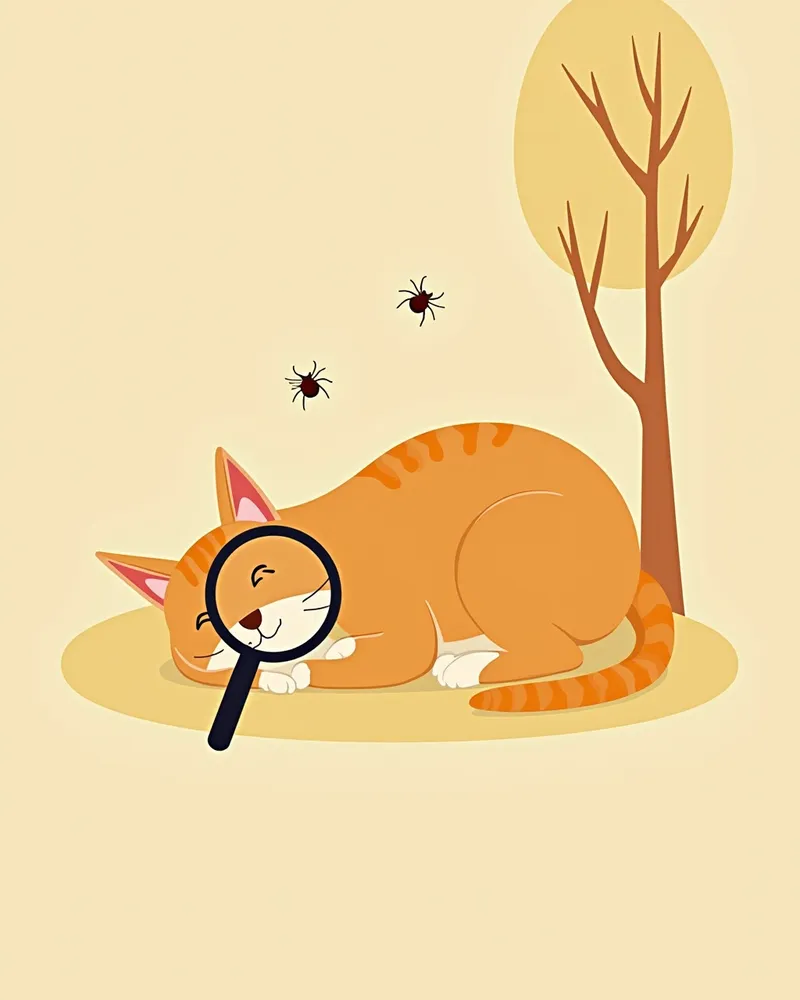
A cat resting in the shade of a tree, with parasites visible in its fur.

Cat Parasite Prevention Strategy in Autumn

Although parasite activity tends to decline in autumn, risks remain. Ticks become active on warmer days, attaching to fur and feeding on blood, while internal parasites can survive year-round, living in the stomach and causing digestive issues. Even indoor cats can become infected in autumn, so it’s important not to skip prevention. - Ticks: Active on warmer autumn days, they attach to fur and feed on blood. - Internal parasites: Can survive year-round, residing in the stomach and causing digestive problems. - Fleas: Indoor heating can support their reproduction, allowing them to thrive in your pet’s fur. Regular cleaning of your home environment and consistent use of preventive treatments are essential.
A cat sitting by the window in the autumn weather, with parasites on the floor.

Is Parasite Prevention Necessary for Cats in Winter?

It’s important to keep up with parasite prevention even in winter. Fleas can thrive in warm indoor environments, so even cats that live exclusively indoors are at risk. One study found ticks on cats year-round, including during the winter months. While pet owners and veterinarians may mistakenly believe that external parasite control is only necessary in warmer seasons, indoor cats may still require preventive measures. This is especially true in multi-cat households or other densely populated living situations, where the risk of infection persists throughout the year. Therefore, it’s crucial to consistently use preventive medications and maintain a clean indoor environment, even during the colder months.
A cat huddled near a heater with parasites visible on the floor

Comparison Table of Seasonal Parasite Prevention Strategies

ItemMajor ParasitesPrevention MethodsPrecautions
SpringFleas, ticks, internal parasitesStart year-round preventive use, check the furUse caution with newborns or immunocompromised cats
SummerFleas, ticks, mites, internal parasitesUse preventives (following each product's cycle), check after outdoor activityHigh risk for outdoor cats
FallTicks, internal parasitesContinue preventives, clean indoorsInternal parasites can survive year-round
WinterFleas, ticksContinue using preventives, manage the indoor environmentActivity possible due to heating

Use of preventives is recommended in all seasons, and indoor cats are also at risk of infection.

Signs That Require Immediate Veterinary Visit When Parasitic Infection Is Suspected

If your cat suddenly develops itching, hair loss, or a rash on its skin, there is a high likelihood of a parasitic infection. In particular, if you notice ticks attached to its body or see parasites in its feces, consult a veterinarian immediately.

Factors to Consider When Choosing a Parasite Preventive

Choosing the right parasite preventive for your cat depends on their age, weight, living environment, and the types of parasites they may be exposed to. For indoor cats, the focus is primarily on preventing fleas and internal parasites. Outdoor cats, on the other hand, require more emphasis on tick and mite prevention. - Weight-based dosing: Preventive medications must be used according to your cat’s weight to ensure effectiveness. - Parasite type: Protection against ticks and mites requires products containing specific active ingredients. - Application frequency: Most products are applied once a month, though some external parasite preventives may need to be used every two weeks. Always follow the label instructions and your veterinarian’s guidance. Deworming for internal parasites is generally recommended at least four times a year. - Consult a professional: Self-prescribing can be risky, so always consult with your veterinarian before starting any treatment.
A veterinarian holding a parasite preventive medication for cats.

Reviewed by a veterinarian

Dr. Tony — Punnawat Phongkittirak

Dr. Tony — Punnawat Phongkittirak

Veterinarian

A veterinarian who majored in veterinary medicine at Khon Kaen University, Thailand, and completed the IVSA program at North Carolina State University in the United States. Drawing on clinical experience at animal hospitals, he works in the pet healthcare field and is dedicated to building a digital care environment that connects pet parents with veterinarians.

Frequently Asked Questions

Do indoor cats also need parasite prevention?
Yes, indoor cats also need parasite prevention. One study found ticks on cats year-round, including during winter, so even indoor cats may require protection. Since fleas can thrive in warm indoor environments, year-round prevention is important.
Should I use parasite preventatives every month?
For safe and effective prevention, it’s best to use preventive medications regularly according to each product’s recommended schedule. While monthly application is common, some external parasite preventives are used every two weeks, so be sure to carefully check the label. For internal parasite deworming, it’s generally recommended at least four times a year.
Can parasite preventatives be harmful to cats?
When used at the correct dosage and as directed, it is relatively safe. However, improper use can lead to side effects, so it’s best to follow your veterinarian’s guidance. Cats may be more sensitive to certain medications than dogs, so it’s safest to avoid using any products not specifically approved for cats.
What should I do after parasites are detected?
After carefully removing the parasite, please consult your veterinarian. It’s important to confirm whether an infection has occurred and determine if further treatment or preventive measures are needed. Ticks, in particular, can transmit disease-causing pathogens, so prompt action is essential.
Will my pet get reinfected if I stop giving them parasite preventatives?
Yes, stopping preventive medication increases the risk of parasitic infection again. Fleas, ticks, and internal parasites can survive indoors year-round, so it’s important to maintain consistent prevention rather than discontinuing it seasonally.

Share

Related Guides

References

[1] Shoorijeh, S.J. et al. (2008). Seasonal frequency of ectoparasite infestation in dogs from Shiraz, Southern Iran. Turkish Journal of Veterinary and Animal Sciences, 32(4), 309–313.

[2] Pennisi, M.G. et al. (2013). Leishmaniosis in cats — ABCD guidelines on prevention and management. Journal of Feline Medicine and Surgery, 15(6), 485–492.

[3] BSAVA Manual of Canine and Feline Dermatology, 4th Ed. (2018). British Small Animal Veterinary Association.

This information is based on veterinary literature and does not replace diagnosis or treatment. Please consult a veterinarian for specific health concerns.

Metapet Co., Ltd. | CEO: Park Sung-yong | Business Reg. No. 417-88-02562 | Seoul, South Korea | Customer Center

Seasonal Parasite Prevention for Cats: Essential Q&A for Pet Owners | Meongsiljang