Like
Share
멍실장
강아지 탈수와 신장 손상 자주 묻는 질문 Q&A — 보호자가 꼭 알아야 할 핵심

Is Your Dog’s Dehydration a Risk to the Kidneys? — Signs You Must Not Miss

KidneyQ&AMeongsiljang Veterinary Advisory Board

Early detection is key to saving your dog’s life when it comes to dehydration and kidney damage. Here’s a clear guide to the symptoms, causes, and what you should do as a pet owner.

Dehydration and Kidney Damage in Dogs: A Serious Health Risk for Pet Owners
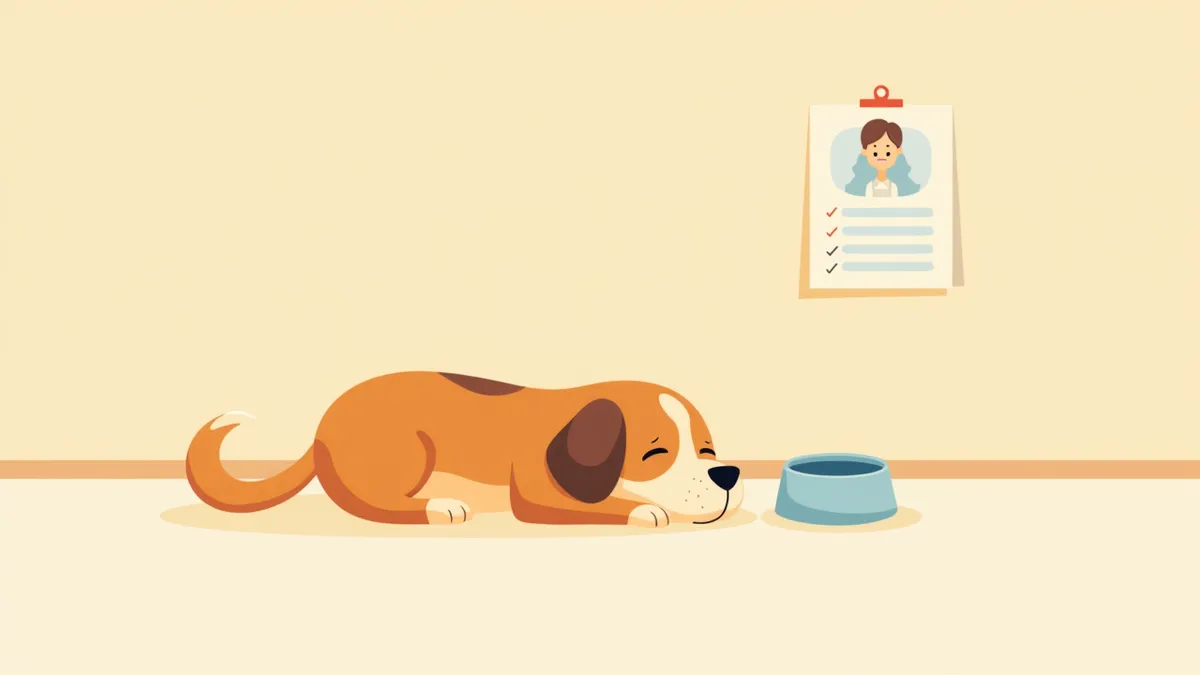
An image of a dehydrated puppy and a water bowl
Dehydration and kidney damage in dogs occur when kidney function declines due to insufficient fluid intake or exposure to toxic substances. Early symptoms are often subtle, making timely detection difficult, but the condition can be life-threatening. It is particularly common after prolonged outdoor exposure in hot weather or as a side effect of certain medications. Pet owners should closely monitor any changes in their dog’s behavior. Early intervention significantly improves survival rates, and prompt action is key to saving your dog’s life.

Identify the Main Causes of Dehydration and Kidney Damage
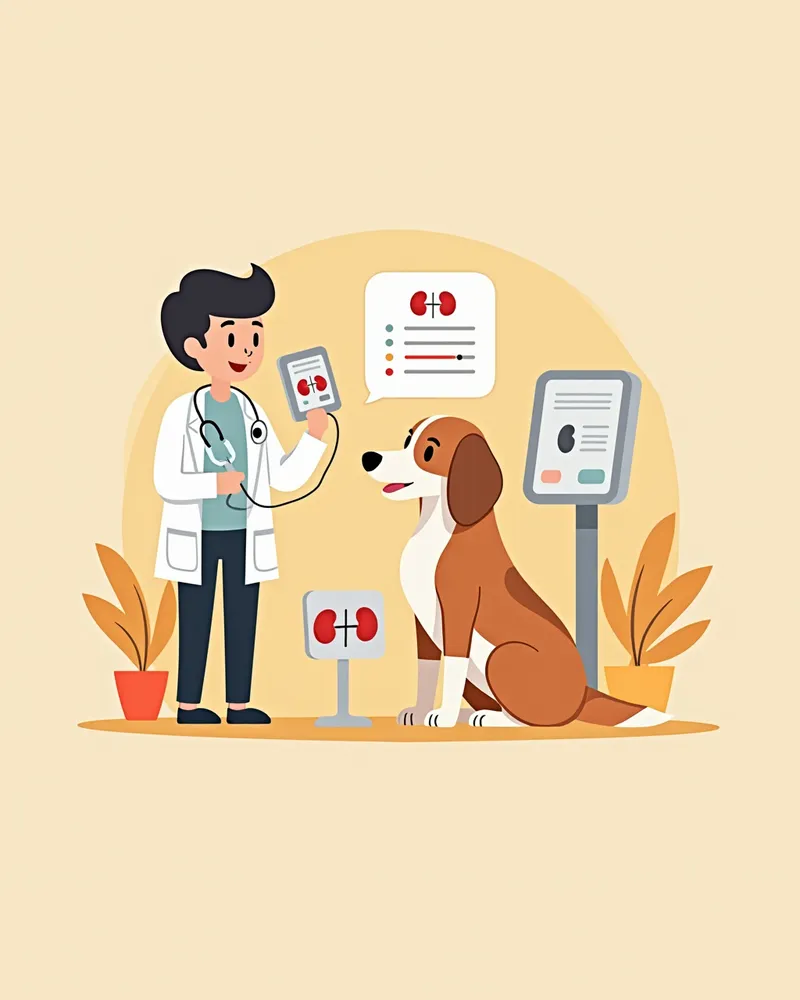
Dehydration and kidney damage in dogs often result from a combination of factors rather than a single cause. According to veterinary textbooks, the most common causes of acute kidney injury are nephrotoxic substances (such as certain medications and nonsteroidal anti-inflammatory drugs) and infections. Ischemia, which reduces blood flow to the kidneys due to low blood pressure or dehydration, is also a significant contributing factor. Prolonged exposure to high temperatures, along with fluid loss from severe diarrhea or vomiting, can further impair kidney function. Toxic substances like caffeine and chocolate also pose risks. Additionally, some cases are linked to genetic or congenital predispositions, making it important to understand breed-specific risk factors in advance.
Dog kidney function test image

5 Key Symptoms of Dehydration and Kidney Damage

- Excessive thirst: Your pet drinks water frequently and continues to do so repeatedly. This indicates that the kidneys are no longer able to properly retain fluids. - Decreased urination: The number of times your pet urinates in a day drops significantly, or they may stop urinating altogether. - Lethargy and shock: Your pet lies motionless and collapsed, with cold ears and nose. This is a sign of deteriorated blood circulation. - Vomiting and diarrhea: These are systemic symptoms that often accompany gastrointestinal issues and can worsen dehydration. - Abnormal breath odor: Your pet’s breath may smell bitter or like ammonia. This is a classic sign of declining kidney function.
Images of dehydration symptoms in puppies

Emergency Signs Requiring Immediate Veterinary Care

If your dog is unable to urinate at all or is unresponsive while lying down, you should seek immediate veterinary care. This may indicate that kidney function has nearly ceased, which can be life-threatening. Additionally, persistent vomiting or high fever requires urgent medical attention. If you're unsure about your dog's condition, it's safest to consult with a veterinarian first.

Key Diagnostic Tests
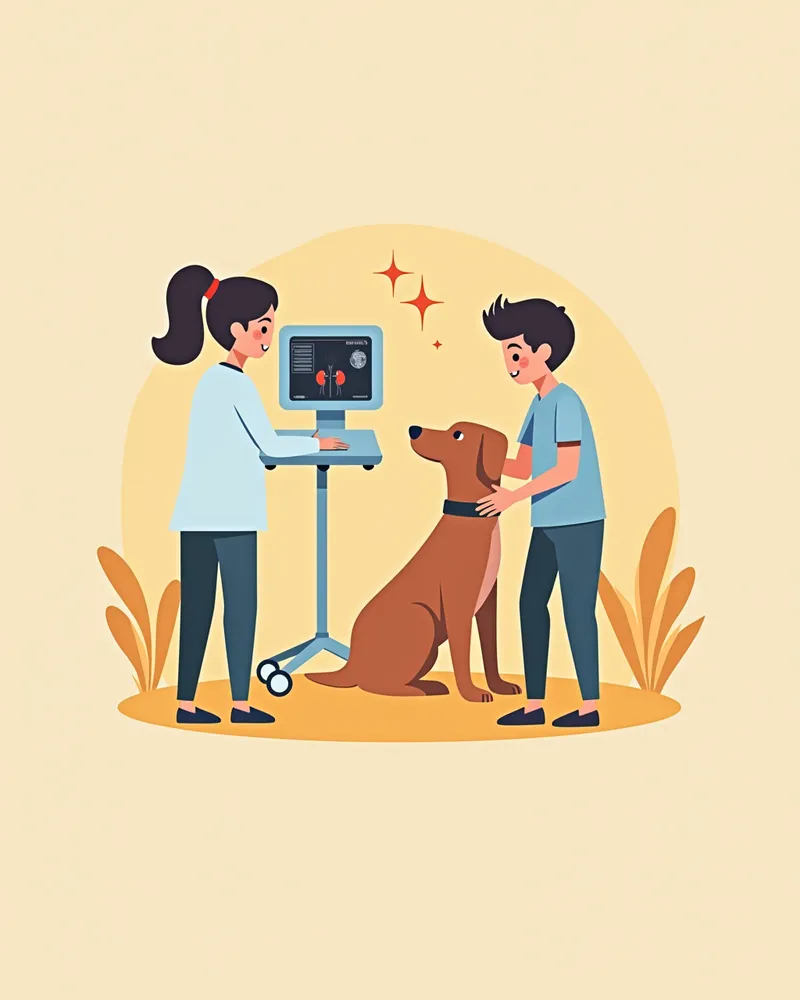
- Blood tests: Elevated creatinine and BUN levels suggest declining kidney function, serving as key diagnostic indicators for dehydration and renal damage. - Urinalysis: We check for low urine concentration and the presence of protein, which is crucial for assessing the kidney’s filtration capacity. - Ultrasound: This allows us to directly examine the size and structure of the kidneys. If abnormalities are detected, further testing will be necessary. - Cardiac evaluation: This may be performed alongside other tests to assess the strain on the heart caused by dehydration. - Comprehensive clinical assessment: We evaluate test results together with any changes in behavior. Early diagnosis significantly improves the chances of successful treatment.
Ultrasound images of a dog's kidneys

Treatment Steps and Management

- Fluid therapy: Intravenous fluids are administered to quickly correct dehydration. This is the first step in treatment. - Medication adjustment: Any medications that place a burden on the kidneys are discontinued immediately and adjusted under veterinary guidance. - Nutritional support: A special diet designed to reduce kidney workload is provided. This is essential for recovery. - Infection treatment: If an infection is the cause, antibiotics are administered. This is important for preventing complications. - Long-term management: Regular check-ups are necessary to monitor your pet’s condition even after recovery at the clinic. Ongoing care is required.
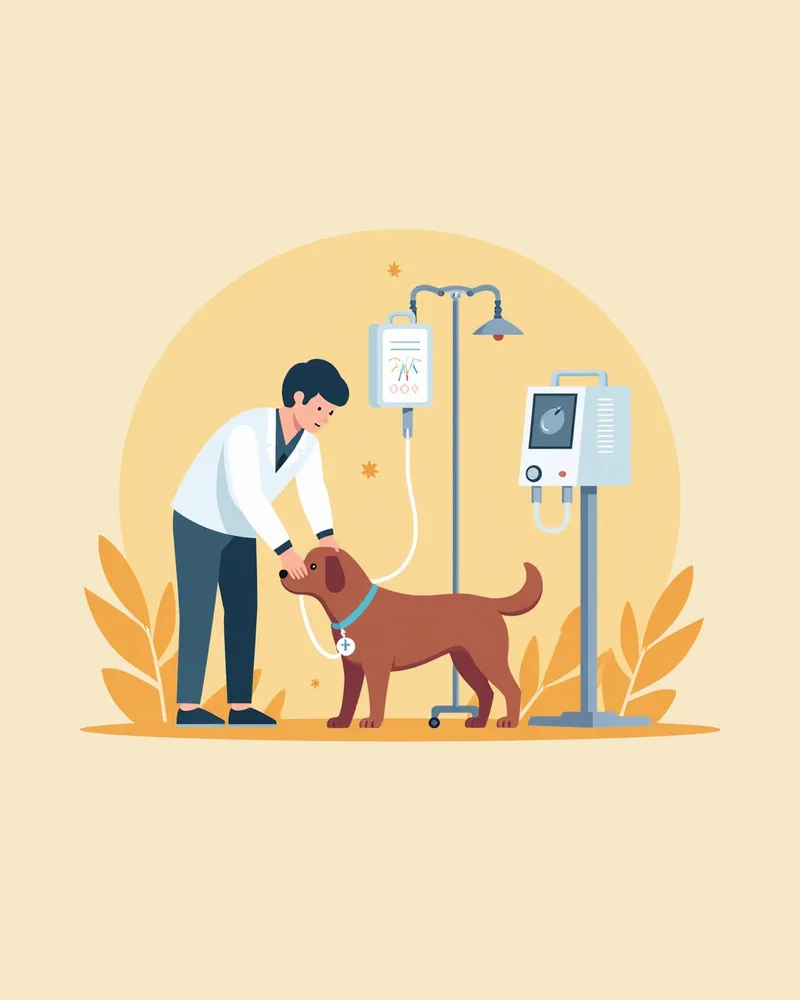
Image of a puppy receiving intravenous fluid therapy

5 Home Care Tips

- Always provide fresh water: Keep fresh water available at all times. Placing multiple water bowls around the house can encourage your pet to drink more. - Dietary management: Feed the special prescription diet recommended by your veterinarian. This helps reduce the workload on the kidneys. - Limit activity: Avoid excessive exercise during the recovery period. Rest is essential for healing. - Regular check-ups: Monitor your pet’s condition with blood tests every 1 to 3 months. Early detection is key. - Medication management: Administer all prescribed medications exactly as directed by your veterinarian. Incorrect dosing can worsen the condition.
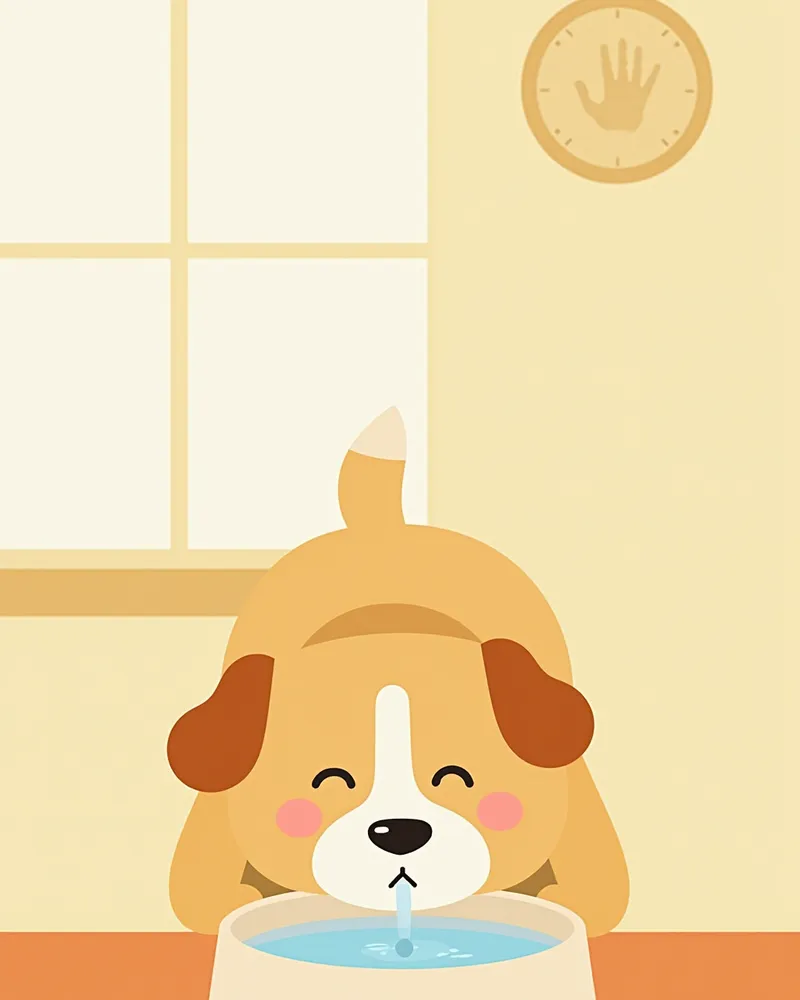
Home care tips for ensuring your dog drinks enough water

Caution: Some Breeds Are at Higher Risk for Kidney Damage

Some dogs are more susceptible to kidney disease due to genetic or congenital predispositions. In fact, several hereditary and familial kidney diseases have been reported, and congenital forms that appear at a young age are also known. Additionally, the risk of chronic kidney disease increases with age, making regular health check-ups essential. It is important for pet owners to understand the risk factors specific to their dog's breed and age in advance and to establish a system for early detection.

Reviewed by a veterinarian

Dr. Tony — Punnawat Phongkittirak

Dr. Tony — Punnawat Phongkittirak

Veterinarian

A veterinarian who majored in veterinary medicine at Khon Kaen University, Thailand, and completed the IVSA program at North Carolina State University in the United States. Drawing on clinical experience at animal hospitals, he works in the pet healthcare field and is dedicated to building a digital care environment that connects pet parents with veterinarians.

Frequently Asked Questions

Is my dog drinking a lot of water because it’s dehydrated?
Drinking more water than usual can be an early sign of dehydration. However, since other medical conditions can also cause this symptom, please consult your veterinarian if it persists.
What treatments does a veterinarian provide for dehydration?
We primarily administer intravenous fluids to restore fluid balance, and then identify the underlying cause to provide tailored treatment.
Can kidney damage be completely cured?
With early detection and appropriate treatment, some pets can make a full recovery. However, if the condition becomes chronic, ongoing management will be necessary.
Is there a way to prevent it?
The key to prevention is ensuring your pet has plenty of fresh water, avoiding outdoor activities during hot weather, scheduling regular veterinary check-ups, and keeping toxic substances securely out of reach.
Is it dangerous if my dog isn’t urinating?
This is very dangerous. Anuria, or the complete inability to urinate, can be an emergency signal that kidney function has nearly stopped. If your pet hasn't urinated for an extended period, you should go to the vet immediately.

Comparison of Symptoms and Management by Stage of Dehydration and Kidney Damage

ItemStageMain SymptomsManagementEmergency
MildFrequent water drinking, slightly decreased urinationProvide water, observeNoNo
ModerateFatigue, vomiting, decreased urinationConsult veterinarian, start fluid therapyNoWarning
SevereNo urination, collapse, high feverImmediate clinic visit, emergency fluid therapyYesYes

Refer to the stage-by-stage management methods and respond early.

Share

Related Guides

References

[1] Plumb's Veterinary Drug Handbook, 9th Edition, 2022

[2] Small Animal Critical Care Medicine, 3rd Edition, Langston & Eatroff, 2021

[3] The Cat and Dog Clinical Medicine and Management, 2nd Edition, 2020

This information is based on veterinary literature and does not replace diagnosis or treatment. Please consult a veterinarian for specific health concerns.

Metapet Co., Ltd. | CEO: Park Sung-yong | Business Reg. No. 417-88-02562 | Seoul, South Korea | Customer Center

Is Your Dog’s Dehydration a Kidney Risk? Signs You Must Not Miss | Meongsiljang