Like
Share
멍실장
강아지 고혈압과 신장 질환 자주 묻는 질문 Q&A — 보호자가 꼭 알아야 할 핵심

Will High Blood Pressure Damage Your Dog’s Kidneys? — Key Q&A for Pet Owners

KidneyQ&AMeongsiljang Veterinary Advisory Board

Early detection is crucial for managing high blood pressure and kidney disease in dogs. We’ve compiled the key questions and answers every pet owner should know.

High Blood Pressure and Kidney Disease in Dogs Are Important Health Issues for Pet Owners
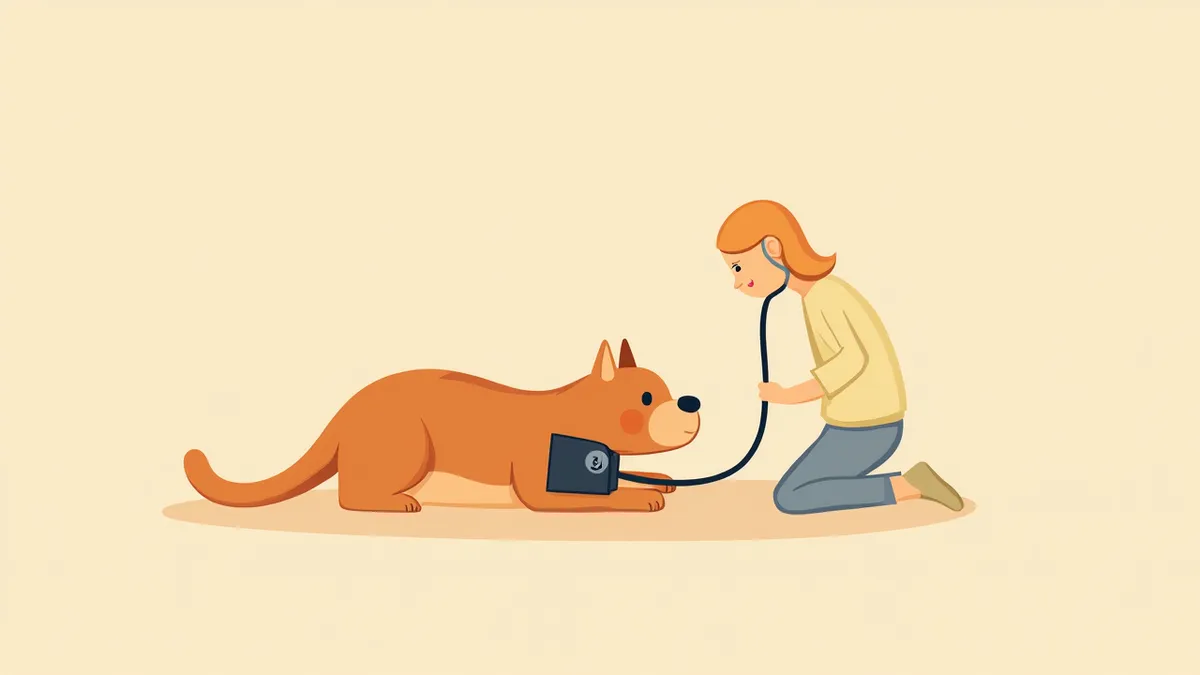
A scene of an elderly dog having its blood pressure measured by a veterinarian.
Early detection of high blood pressure and kidney disease in dogs significantly impacts survival rates and quality of life. These conditions are especially common in senior dogs, and because early symptoms are often subtle, they can easily be overlooked by pet owners. The kidneys play a key role in regulating blood pressure, so when their function declines, high blood pressure is more likely to develop. Conversely, high blood pressure can damage the blood vessels in the kidneys, further worsening kidney function. Because these two conditions can create a vicious cycle, regular veterinary check-ups are essential. The most important step is to work with your veterinarian to establish an early management plan.

Why Do High Blood Pressure and Kidney Disease Occur Together in Dogs?
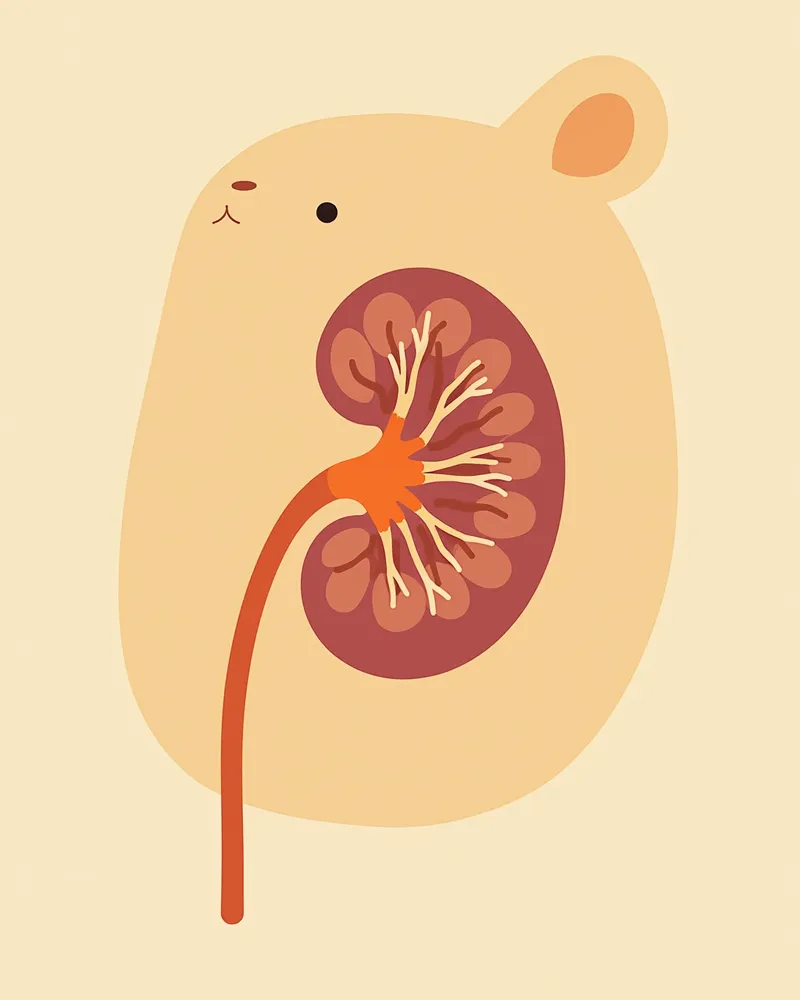
- Kidney function decline: When the kidneys don’t work properly, their ability to regulate blood pressure is impaired, making high blood pressure more likely. - Blood vessel damage: High blood pressure can compress and damage the blood vessels in the kidneys, further reducing kidney function. - Vicious cycle: These two conditions can worsen each other, making early detection crucial. - Need for regular check-ups: Early diagnosis is possible through blood and urine tests. - Timing of treatment initiation: It’s most effective to start management before symptoms appear. - Role of pet owners: Daily observation and collaboration with your veterinarian are key to successful treatment.
Anatomy of a dog’s kidneys and blood vessels, and the impact of high blood pressure on the kidneys

What Are the Main Symptoms of High Blood Pressure and Kidney Disease in Dogs?

In the early stages, high blood pressure and kidney disease in dogs often show few or no symptoms. However, as the condition progresses, the following signs may appear. If you notice any of these behaviors, be sure to consult your veterinarian.
Excessive thirst: Your dog may develop a habit of drinking water frequently.
Frequent urination: Your dog may urinate more often or produce larger volumes of urine. A dog that was previously house-trained may start urinating indoors or at night.
Weight loss: Muscle mass decreases, and your dog may lose weight.
Decreased appetite: Your dog may refuse treats or show a general lack of interest in food.
Lethargy: Your dog may appear weak and inactive throughout the day.
Vomiting and nausea: Signs of nausea or actual vomiting may occur.
Anemia and bad breath: The gums and the area around the eyes may become pale, and you may notice bad breath or oral ulcers.
A puppy drinking a lot of water

Signs That Require an Immediate Veterinary Visit

If your dog suddenly loses vision or goes blind, appears lethargic, shows neurological symptoms such as seizures, or experiences repeated severe vomiting, you should seek veterinary care immediately. These signs may indicate vision loss due to retinal damage from high blood pressure, damage to target organs such as encephalopathy or hemorrhage, or acute kidney injury.

How Is It Diagnosed?
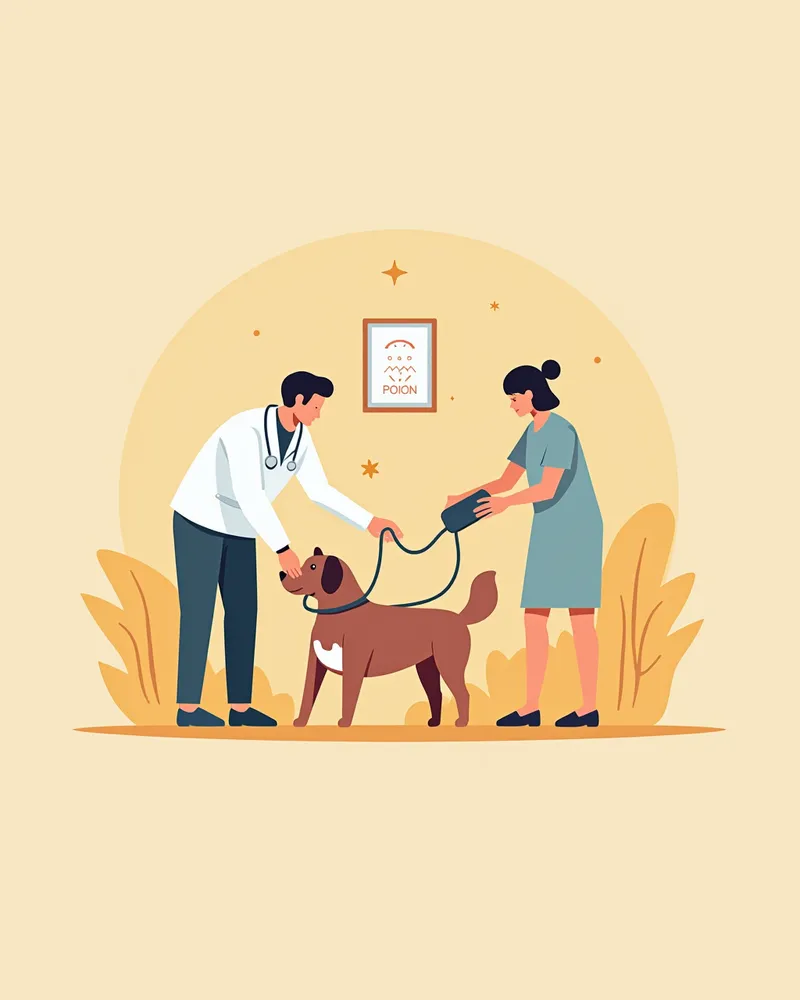
- Blood pressure measurement: Blood pressure is measured using a standardized method with a veterinary blood pressure monitor, such as a Doppler or oscillometric device. - Blood tests: Kidney function is evaluated by measuring serum creatinine, BUN, and SDMA levels. - Urinalysis: Proteinuria and urine specific gravity (USG) are measured to assess potential kidney damage. - Comprehensive diagnosis and monitoring: Performing both blood and urine tests and tracking changes in these values increases the likelihood of early detection. - Evaluation of comorbidities: If hypertension is confirmed, kidney disease should also be checked; conversely, if kidney disease is diagnosed, hypertension should be evaluated. - Immediate testing if symptoms are suspected: If signs such as increased thirst, increased urination, or weakness are observed, diagnostic testing should be performed immediately.
A scene of a veterinarian measuring a puppy's blood pressure.

What Are the Treatment Methods?

- Blood pressure management: Medications are used to keep blood pressure stable. - Kidney protection: Special diets help control protein and phosphorus intake. - Medication therapy: Supplements or medications are prescribed based on the level of kidney function decline. - Individualized treatment plans: Your veterinarian will create a customized plan based on your pet’s weight, age, and condition. - Consistent medication use: It's important to continue taking prescribed medications regularly without interruption. - Regular check-ups are essential: Blood and urine tests should be repeated regularly during treatment.
A puppy receiving medication from a veterinarian

Step-by-Step Management for High Blood Pressure and Kidney Disease

ItemMain symptomsMain measuresPrognosis
Early (mild)Intermittent thirst, increased frequency of urinationRegular checkups, start a low-phosphorus renal prescription dietGenerally good with early management
Intermediate (moderate)Weight loss, reduced appetite, vomitingAntihypertensive medication, control protein and phosphorus with a renal prescription dietProgression can be slowed with proper management
Late (severe)Lethargy, blindness, severe vomitingHospitalized treatment, consider renal replacement therapy (dialysis)Poor prognosis, shortened survival time

The prognosis varies greatly depending on the timing of treatment and the level of management. Early intervention is important.

Daily Management Tips Pet Owners Can Practice

Managing your dog’s high blood pressure and kidney disease requires consistent care at home. Please follow these guidelines closely:
Ensure adequate water intake: Always provide fresh, clean water.
Adhere to prescribed diet: Feed the special diet recommended by your veterinarian consistently.
Medication management: Administer medications exactly as scheduled.
Monitor weight: Record your dog’s weight weekly.
Maintain activity levels: Avoid strenuous exercise, but encourage light walks.
A kitchen scene with special dog food and water prepared.

Precautions: Be Aware of Drug Interactions

If your dog is being treated for high blood pressure or kidney disease, always consult your veterinarian before administering any other medications (such as anti-inflammatory drugs). Some medications can place additional strain on the kidneys.

Reviewed by a veterinarian

Dr. Tony — Punnawat Phongkittirak

Dr. Tony — Punnawat Phongkittirak

Veterinarian

A veterinarian who majored in veterinary medicine at Khon Kaen University, Thailand, and completed the IVSA program at North Carolina State University in the United States. Drawing on clinical experience at animal hospitals, he works in the pet healthcare field and is dedicated to building a digital care environment that connects pet parents with veterinarians.

Frequently Asked Questions

Should I change my dog’s food if they have high blood pressure?
Yes, it is recommended to transition to a prescription diet under veterinary guidance. This specialized food has controlled levels of phosphorus and protein, and is fortified with omega-3 fatty acids to help reduce the workload on the kidneys.
Do I need to give my pet blood pressure medication for the rest of their life?
In most cases, high blood pressure requires ongoing management. Stopping medication can cause blood pressure to rise again, so it's important to follow your veterinarian's instructions for continued treatment.
What should I do if my senior dog develops high blood pressure?
Early detection through regular check-ups, along with management using blood pressure-lowering medications and a kidney-prescription diet low in phosphorus, can help slow the progression of the disease when diagnosed early and consistently managed.
How should I give treats to my dog if it has kidney disease?
Please provide veterinarian-recommended kidney-friendly treats. Regular treats are high in phosphorus and protein, which can put a strain on the kidneys.
Are high blood pressure and kidney disease hereditary?
Certain breeds, such as the Shar-Pei, Basenji, Cairn Terrier, Bull Terrier, and Soft-Coated Wheaten Terrier, are known to have a genetic predisposition to congenital kidney disease. However, since environmental factors and lifestyle habits also play a significant role, regular check-ups and proper management are essential.

Share

Related Guides

References

[1] Langston, C.E. et al. (2023) Small Animal Critical Care Medicine, 3rd Edition. Elsevier.

[2] The Cat, Clinical Medicine and Management, 2nd Edition (2022). Elsevier.

[3] Plumb's Veterinary Drug Handbook, 9th Edition (2023). Wiley.

This information is based on veterinary literature and does not replace diagnosis or treatment. Please consult a veterinarian for specific health concerns.

Metapet Co., Ltd. | CEO: Park Sung-yong | Business Reg. No. 417-88-02562 | Seoul, South Korea | Customer Center

Will High Blood Pressure Damage Your Dog's Kidneys? Q&A | Meongsiljang