Like
Share
멍실장
강아지 진균성 호흡기 감염(아스페르길루스) 자주 묻는 질문 Q&A — 보호자가 꼭 알아야 할 핵심

Canine Fungal Respiratory Infection (Aspergillosis) FAQ — Key Information for Pet Owners

RespiratoryQ&AMeongsiljang Veterinary Advisory Board

Canine fungal respiratory infections caused by Aspergillus occur when airborne spores enter and infect the lungs or nasal passages, and they are particularly common in young dogs. Early detection and treatment are essential.

What is Canine Fungal Respiratory Infection (Aspergillosis)?
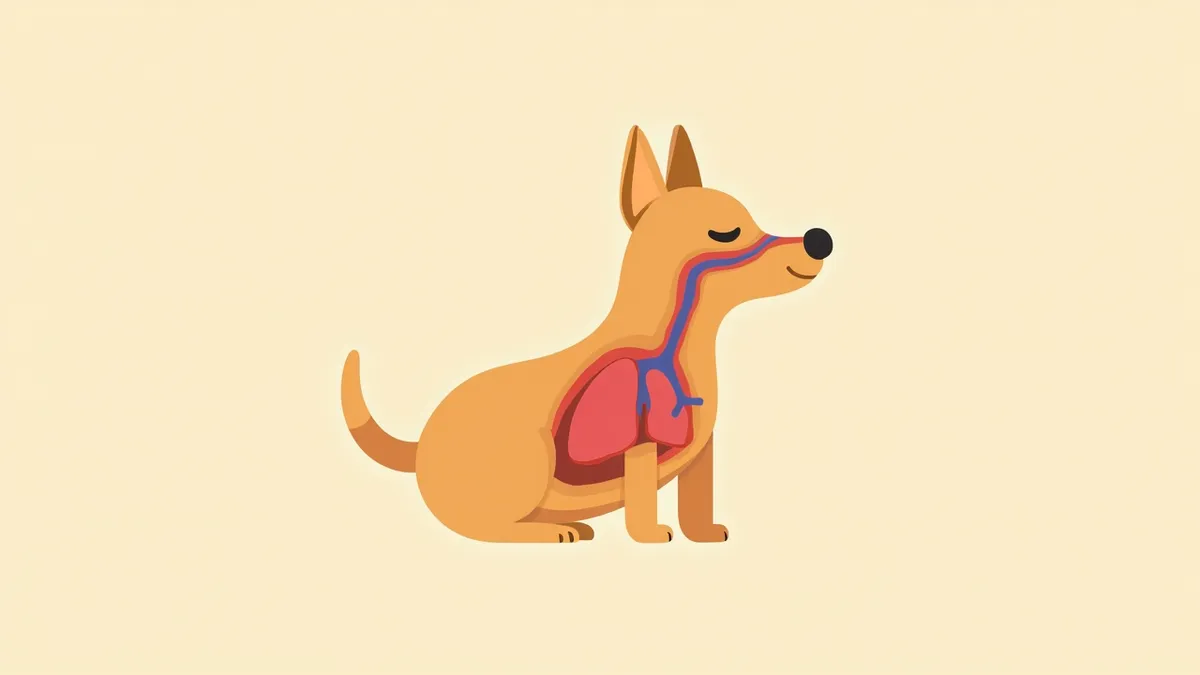
An anatomical illustration showing how Aspergillus spores invade a dog’s nose and lungs.
Canine fungal respiratory infection (aspergillosis) is an infectious disease caused by Aspergillus fumigatus spores, which float in the air and primarily colonize the nasal cavity and frontal sinuses, destroying tissue in the process. It most commonly affects young to middle-aged dogs and is relatively more frequently reported in mesaticephalic and dolichocephalic breeds with longer muzzles, such as Labrador Retrievers (mesaticephalic) and German Shepherds (dolichocephalic). Early signs often include changes in nasal discharge and sneezing, but as the condition progresses, it can lead to destruction of the nasal turbinates, accompanied by epistaxis (nosebleeds) and pain. The infection typically progresses slowly, and spread to the lungs or other systemic areas is rare; however, symptoms may be subtle, making early detection crucial. Because this condition is challenging to treat, early diagnosis and consistent management are key.

What are the main causes of this disease?

- Exposure to Aspergillus spores: The primary cause is exposure to *Aspergillus fumigatus* spores, which are commonly present in the air. - Damp and dusty environments: As a saprophytic fungus commonly found in soil, exposure risk increases in environments with soil, hay, or high dust levels. - Onset independent of systemic health: The condition most often occurs in dogs that are otherwise systemically healthy, and is believed to involve a localized immune response within the nasal cavity. - Breed predisposition: It is reported relatively more frequently in mesaticephalic and dolichocephalic breeds, which have longer snouts. - Increased environmental exposure: Poor ventilation and dusty spaces can increase spore exposure, making environmental management helpful.
A scene showing a puppy exposed to airborne Aspergillus spores while sniffing a damp pile of herbs.

What are the main symptoms of this disease?

- Nasal discharge and sneezing: Persistent mucous or blood-tinged (bloody) discharge accompanied by frequent sneezing; the color of the discharge may vary. - Nosebleeds (epistaxis): It is common to see blood coming from one or both nostrils. - Changes around the nostrils: The hair and skin at the nostril openings may become depigmented or erode, sometimes forming ulcers. - Pain and lethargy: As nasal tissues are destroyed, the pet may show signs of pain. In rare cases where the condition spreads systemically, weight loss and lethargy may also occur. - Behavioral changes: Due to nasal discomfort, your pet may frequently rub its nose or become less active. Because milder symptoms can make early detection difficult, careful observation is essential.
Brownish-green discharge flowing from a dog's nose

Signs Requiring Immediate Veterinary Visit

If your dog has persistent bloody discharge from one or both nostrils, severe sneezing or nasal pain, or visible sores around the nostrils, you should take them to the vet as soon as possible. This could indicate an infection that is destroying the tissues inside the nose, and although rare, it can become even more dangerous if it spreads throughout the body.

How is it diagnosed?

- Nasal endoscopy: This procedure allows us to directly visualize the nasal cavity to check for destruction of the nasal turbinates or the presence of grayish fungal plaques. - Plaque and discharge analysis: We collect plaques via endoscopy and perform cytology or fungal culture to determine if an Aspergillus infection is present. - Skull and nasal X-rays or CT scans: These imaging tests help us visually confirm whether the nasal turbinates have dissolved or disappeared and whether the infection has spread to the frontal sinuses. - Blood tests: These evaluate your pet’s overall health status and help rule out other potential diseases. - Tissue biopsy: If necessary, we may take a tissue sample from the affected area to confirm the diagnosis. Accurate diagnosis is achieved by interpreting multiple test results together rather than relying on a single test.
A veterinarian examining the inside of a dog's nose using an endoscope.

What are the treatment options?

- Antifungal therapy: Oral antifungal medications such as itraconazole are primarily used, and topical treatment (instillation) directly into the nose and sinuses may also be considered. Depending on the severity of the lesions, treatment can take several months to about a year. - Regular monitoring: During treatment, repeated imaging and blood tests are necessary to monitor the response to medication and liver function. - Surgery and local procedures: If the infection does not respond well to medication, procedures such as inserting a catheter into the frontal sinus to administer medication or removing infected tissue may be considered. - Medication adherence: Stopping medication or changing the dosage without veterinary guidance increases the risk of recurrence. - Environmental management: Maintaining a clean environment with reduced dust during treatment is helpful. Consistent care and cooperation are key to determining the outcome of treatment.
A puppy taking antifungal medication and a veterinarian preparing a prescription.

How to manage at home?

- Environmental hygiene: It is important to keep indoor air clean and reduce dust and humidity. - Use of air purifiers: Actively use air purifiers to reduce fine dust and spores. - Diet and hydration management: Provide a nutritionally balanced diet and ensure adequate water intake. - Medication management: Administer medication at the correct times and dosages as directed by your veterinarian. - Activity regulation: Avoid excessive exercise and allow your pet to rest in a comfortable environment. - Regular veterinary visits: Schedule periodic check-ups even during treatment.
A puppy resting comfortably in a clean, well-ventilated environment.

Mild vs. Moderate vs. Severe: Symptom and Response Comparison

ItemMain SymptomsTreatmentPrognosis
MildNasal discharge, occasional sneezingStart oral antifungal medicationGood
ModeratePersistent sneezing/runny nose, nosebleed, nasal painLong-term antifungal therapy + topical treatment + regular checkupsFair
SevereSevere nosebleed, nasal turbinate destruction, nostril ulcerationSurgery/topical procedures + antifungal therapyPoor

If symptoms worsen, an immediate hospital visit is needed.

Caution: Certain Breeds Are at Higher Risk

This infection is relatively commonly reported in dogs ranging from young to middle-aged, as well as in mesaticephalic breeds (e.g., Labrador Retrievers) and dolichocephalic breeds (e.g., German Shepherds), which have longer snouts. Because certain breeds may be predisposed due to their nasal anatomy, owners of these breeds should pay close attention to any nasal symptoms and ensure regular veterinary check-ups.

Reviewed by a veterinarian

Dr. Tony — Punnawat Phongkittirak

Dr. Tony — Punnawat Phongkittirak

Veterinarian

A veterinarian who majored in veterinary medicine at Khon Kaen University, Thailand, and completed the IVSA program at North Carolina State University in the United States. Drawing on clinical experience at animal hospitals, he works in the pet healthcare field and is dedicated to building a digital care environment that connects pet parents with veterinarians.

Frequently Asked Questions

My puppy is having blue discharge from its nose. Could it be Aspergillus?
Blue-tinged nasal discharge is not necessarily a classic sign of Aspergillus infection; it can also result from various other causes, such as inflammation, bleeding, or other fungal infections. Blue-tinged discharge is uncommon, and an accurate diagnosis requires examination by a veterinarian.
Can this disease be transmitted to humans?
Aspergillus infections do not spread directly from dogs to people. However, airborne spores can cause infections in individuals with weakened immune systems, such as those undergoing immunosuppressive therapy, so it is important to keep the environment around an infected dog clean.
How long does the treatment take?
The duration of antifungal treatment varies depending on the severity of the lesions and the response to therapy, typically ranging from several months to over a year. Even if symptoms disappear, do not stop the medication without your veterinarian’s guidance; a follow-up test is necessary to confirm complete recovery.
Can it be prevented?
Yes, reducing dust and moisture, and avoiding environments with lots of hay or dirt can lower the risk of infection. It’s especially important for owners of young dogs or certain breeds to focus on early prevention and regular check-ups.
Will giving the medication cause any side effects?
Antifungal medications can affect liver function, so it's important to monitor liver health through regular blood tests during treatment.

Share

Related Guides

References

[1] Textbook of Respiratory Disease in Dogs and Cats, 2023

[2] Canine and Feline Respiratory Medicine, 3rd Edition, Lisciandro et al., 2017

[3] Plumb's Veterinary Drug Handbook, 9th Edition, 2022

This information is based on veterinary literature and does not replace diagnosis or treatment. Please consult a veterinarian for specific health concerns.

Metapet Co., Ltd. | CEO: Park Sung-yong | Business Reg. No. 417-88-02562 | Seoul, South Korea | Customer Center

Canine Aspergillosis FAQ: Key Facts for Dog Owners | Meongsiljang