Like
Share
멍실장
고양이 복막 투석 자주 묻는 질문 Q&A — 보호자가 꼭 알아야 할 핵심

What is feline peritoneal dialysis? — When to start and how to manage it

KidneyQ&AMeongsiljang Veterinary Advisory Board

Peritoneal dialysis in cats is used as a renal replacement therapy when chronic kidney disease progresses. We’ve compiled the essential information every pet owner should understand.

What is feline peritoneal dialysis?
A veterinarian inserting a dialysis catheter into a cat's abdominal cavity
Feline peritoneal dialysis is a treatment used when kidney function has severely declined, involving the infusion of a specialized dialysis solution into the abdominal cavity to remove waste products and excess fluid. This process effectively eliminates toxins from the body and helps stabilize your cat’s overall condition. The infusion and drainage of the dialysis solution are repeated at set times each day, with the caregiver performing the procedure under the guidance of a veterinarian. Preventing infection during the dialysis process is the top priority, so all equipment and the working environment must be kept sterile. Regular check-ups and meticulous record-keeping enable the early detection of any abnormal signs. Although peritoneal dialysis requires long-term management, it plays a significant role in improving your cat’s quality of life.

When is peritoneal dialysis started?

Peritoneal dialysis is considered when chronic kidney disease has progressed to a moderate stage or beyond, making symptom control difficult with medication alone. It is particularly necessary when recurring loss of appetite, vomiting, dehydration, and electrolyte imbalances occur, indicating the need for renal replacement therapy. A veterinarian assesses suitability based on blood and urine test results, while also taking into account the cat’s overall health status. The timing for initiating dialysis is determined individually, depending on the cat’s symptoms and quality of life. Peritoneal dialysis is a crucial option for preventing a rapid decline in kidney function and maintaining quality of life. Starting at the appropriate time significantly improves treatment outcomes, so consistent communication with your veterinarian is essential.
A cat connected to peritoneal dialysis equipment

How to manage peritoneal dialysis at home?
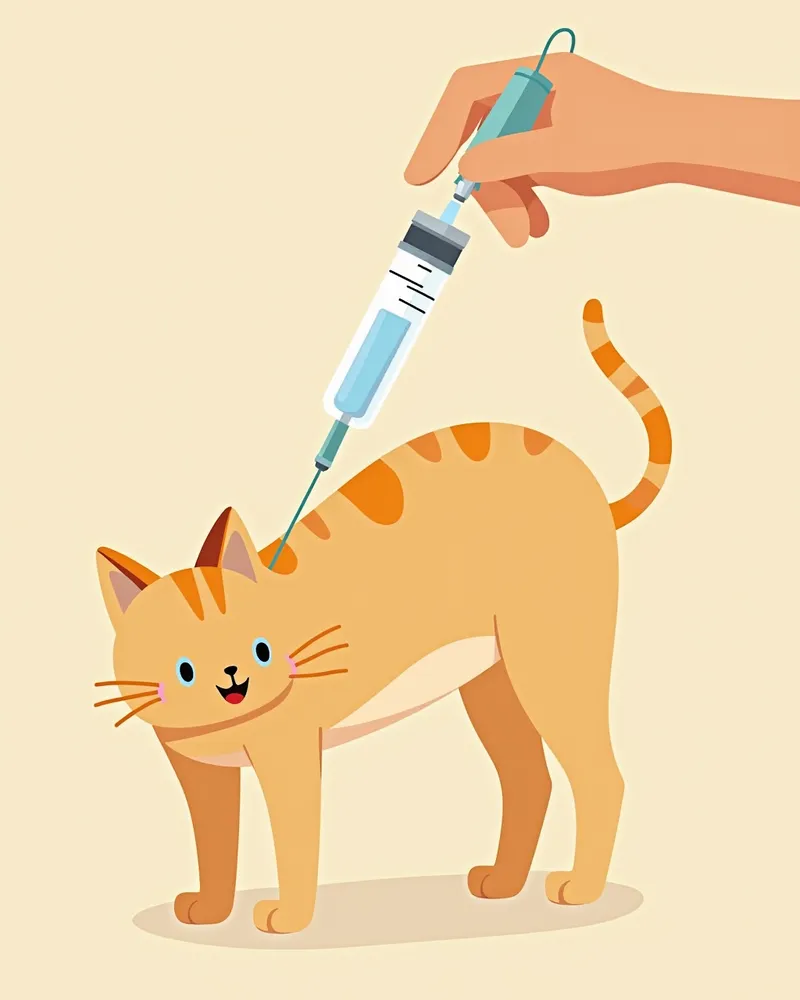
After receiving training from your veterinarian, you’ll administer the dialysis solution at a set time each day and drain it after a specified period. All tools must be kept sterile, and handwashing and hygiene around the dialysis catheter are absolutely essential. Thoroughly disinfect equipment before and after each session, and dispose of used fluids properly. Keep accurate daily dialysis records, and contact your veterinarian immediately if any abnormal symptoms appear. Consistently monitor your cat’s condition, and regularly consult with your vet to adjust the management plan as needed. Home care is a critical factor in your cat’s comfort and the success of the treatment.
The guardian administering peritoneal dialysis fluid to the cat.

What are the warning signs during peritoneal dialysis?
If the dialysate becomes cloudy or turns white, develops an odor, or if your cat shows signs of abdominal pain, peritonitis is highly likely. Fever, loss of appetite, vomiting, and abnormal effluent volume require immediate attention. Both significantly reduced and excessively high effluent volumes are warning signs. Because peritonitis can be life-threatening, visit a veterinary clinic immediately if these symptoms appear. It is crucial to establish an emergency contact system with your veterinarian in advance and to be familiar with emergency response procedures. Early detection and prompt action are key to successful treatment.
A cat showing signs of abdominal pain during peritoneal dialysis

Peritoneal dialysis vs. hemodialysis — Which is the right choice for cats?

ItemPeritoneal dialysisHemodialysis
Equipment requirementDialysis catheter and dialysate (no separate dialysis machine needed)Extracorporeal hemodialysis machine, dedicated hospital and vascular access required
Possible at homePossibleNot possible
Infection riskCatheter exit-site/dialysis tube infection, rarely peritonitisVascular access site infection
CostModerateHigh

In peritoneal dialysis, blood does not leave the body; the peritoneum is used as a natural dialysis membrane, so it can be performed at home with a relatively lighter burden on the caregiver, but aseptic management is key. Hemodialysis is only possible at specialized hospitals equipped with dedicated equipment.

Signs requiring immediate veterinary attention

If the dialysis fluid becomes cloudy or develops an odor, and your cat shows signs of fever, loss of appetite, lethargy, or abdominal pain, there is a high likelihood of peritonitis. This condition can be life-threatening, so please consult your veterinarian immediately.

What are the advantages and disadvantages of peritoneal dialysis?
The greatest advantage of peritoneal dialysis is that it minimizes stress for cats by allowing treatment at home using the peritoneum as a natural dialysis membrane, without drawing blood outside the body. This reduces the need for frequent visits to clinics with specialized equipment, enhancing the stability of your cat’s daily life. Additionally, therapy can be adjusted to align with your cat’s routine and natural rhythms. The main drawback is the need for consistent, meticulous hygiene management over the long term. In practice, the most commonly reported complication is leakage of dialysate around the catheter site. Although peritonitis is relatively rare, it can be life-threatening if it occurs. Therefore, strict hygiene is essential to prevent catheter exit-site infections and dialysate contamination. It is important to carefully weigh the pros and cons with your veterinarian, making a decision based on a comprehensive assessment of your capabilities as a caregiver and your cat’s condition.
A cat resting comfortably during peritoneal dialysis

What to prepare before starting peritoneal dialysis

Dialysis begins after the catheter insertion surgery and a recovery period. The veterinarian provides detailed guidance on the dialysis equipment, dialysate, and hygiene protocols, while the owner practices the procedure hands-on. It is essential to familiarize yourself in advance with emergency response procedures and the hospital’s contact system. All family members must agree to and cooperate with the treatment plan. It is important to comprehensively evaluate both the cat’s condition and the owner’s circumstances to determine the appropriate start time. Since the preparation process is a critical step that determines the success of the treatment, it must not be overlooked.
A caregiver practicing with a dialysis training model

Reviewed by a veterinarian

Dr. Tony — Punnawat Phongkittirak

Dr. Tony — Punnawat Phongkittirak

Veterinarian

A veterinarian who majored in veterinary medicine at Khon Kaen University, Thailand, and completed the IVSA program at North Carolina State University in the United States. Drawing on clinical experience at animal hospitals, he works in the pet healthcare field and is dedicated to building a digital care environment that connects pet parents with veterinarians.

Frequently Asked Questions

Does peritoneal dialysis cause pain in cats?
Since anesthesia is used during the catheter insertion, there is virtually no pain. Although cats rarely experience discomfort during the subsequent fluid instillation and drainage, abdominal pain can occur if an infection develops.
How many times a day should dialysis be performed?
The veterinarian determines the number of exchanges per day and the schedule based on the cat’s weight and condition. Dialysate is infused at set intervals, left in place for a specific duration (dwell time), and then drained. Consistent adherence to this routine is essential for effectiveness.
Where can I get dialysis fluid?
We use dialysate prescribed by a veterinarian. Dialysate is formulated to closely resemble normal serum composition, with concentrations of sodium, potassium, phosphorus, and other electrolytes adjusted according to the cat’s condition. Always follow your veterinarian’s instructions precisely for storage and preparation before use.
Does peritoneal dialysis need to be done for life?
In temporary cases like acute kidney injury, dialysis can be stopped once the condition improves. However, chronic kidney disease is a progressive condition with little hope for kidney function recovery, so many patients end up relying on dialysis for the rest of their lives. The decision to stop treatment should always be made by your veterinarian.
What should I do if my cat refuses dialysis?
At first, your pet may experience stress. Gradually train them using positive reinforcement and rewards. A veterinarian can also assist with behavior modification techniques.

Share

Related Guides

References

[1] Sykes JE, Sturges BK, Cannon MS, et al. Clinical signs, imaging features, neuropathology, and outcome in cats and dogs with central nervous system cryptococcosis from California. J Vet Intern Med. 2010;24(6):1427–1438.

[2] Polizopoulou ZS, Koutinas AF, Souftas VD, et al. Diagnostic correlation of CT-MRI and histopathology in 10 dogs with brain neoplasms. J Vet Med Ser A Physiol Pathol Clin Med. 2004;51(5):226–231.

[3] Rawlings CA, Mahaffey MB, Barsanti JA, et al. Use of laparoscopic-assisted cystoscopy for removal of urinary calculi in dogs. J Am Vet Med Assoc. 2003;222(6):759–761.

This information is based on veterinary literature and does not replace diagnosis or treatment. Please consult a veterinarian for specific health concerns.

Metapet Co., Ltd. | CEO: Park Sung-yong | Business Reg. No. 417-88-02562 | Seoul, South Korea | Customer Center

What Is Feline Peritoneal Dialysis? When to Start & How to Manage | Meongsiljang