
Medications and Foods to Never Give Your Cat — A Complete Guide to Nephrotoxic Substances
A cat’s kidneys are highly sensitive organs, and exposure to certain medications and substances can lead to acute kidney injury. Here’s a summary of the key information every pet owner should know.
Nephrotoxic Drugs and Substances Are a Serious Risk for Cat Owners
Why Are Cats More Vulnerable to Medications?
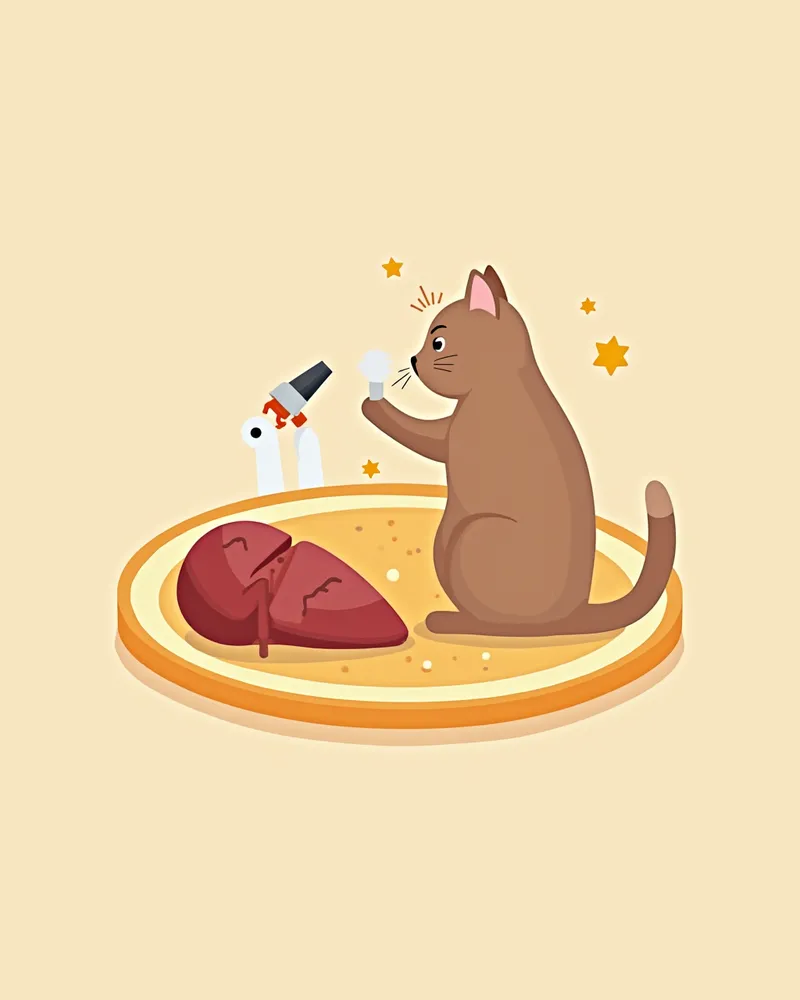
5 Common Nephrotoxic Substances
Main Symptoms of Acute Kidney Injury
Comparison of Risk Levels and Response Steps for Nephrotoxic Drugs
| Item | Risk level | Main damage | Immediate action |
|---|---|---|---|
| Acetaminophen | Very high | Red blood cell and kidney damage | Visit the hospital immediately |
| Ibuprofen (NSAIDs) | Very high | Kidney and gastrointestinal damage | Visit the hospital immediately |
| Ethylene glycol (antifreeze) | Very high | Acute kidney injury and death | Visit the hospital immediately |
| Vitamin D3 overdose | Moderate | Hypercalcemia/kidney calcification | Consult a veterinarian |
| Lilies | Very high | Acute kidney injury | Visit the hospital immediately |
Risk level is rated on a scale of 1–5, with 5 being the most dangerous.
Immediate Actions to Take After an Incident
Criteria for Immediate Veterinary Visit (Risk Level: Danger)
If your cat has ingested a nephrotoxic substance or is showing symptoms such as loss of appetite, vomiting, or decreased urine output, seek veterinary care immediately. Kidney damage can progress rapidly, and delayed treatment may make recovery difficult. This condition can be life-threatening, so never ignore these signs.
Owner Checklist for Prevention
Reviewed by a veterinarian

Dr. Tony — Punnawat Phongkittirak
VeterinarianA veterinarian who majored in veterinary medicine at Khon Kaen University, Thailand, and completed the IVSA program at North Carolina State University in the United States. Drawing on clinical experience at animal hospitals, he works in the pet healthcare field and is dedicated to building a digital care environment that connects pet parents with veterinarians.
Reviewed 2026-06-05
Frequently Asked Questions
Is it dangerous for a cat to ingest even a small amount of human medication?
Is it okay if my cat licked antifreeze (ethylene glycol)?
It’s been two hours since I gave my pet the medication, but I haven’t noticed any symptoms yet. Is that okay?
I’d like to give my pet a vitamin D3 supplement. Is that okay?
My cat vomited after taking medication. Is this normal?
Share
Related Guides
Top 5 Prescription Diets for Cats with Chronic Kidney Disease — Stage-Specific Protein Adjustment
7 Emergency Signs and Causes of Acute Kidney Failure in Dogs You Must Not Miss
Top 5 Cat Kidney Supplements Recommended for 2026
Cat Nail Care FAQ — Key Points Every Owner Must Know
Cat Basic Vaccination Schedule FAQ — Key Points Every Owner Must Know
Indoor Safety Checks for Cats: Frequently Asked Questions — Key Points Every Owner Must Know
Cat External Parasite Prevention (Ticks & Fleas) FAQ — Key Information for Pet Owners
Cat Ear Cleaning FAQ — Key Points Every Owner Must Know
Frequently Asked Questions on Choosing Dry, Wet, and Raw Cat Food — Key Points Every Pet Owner Should Know

Cat Dental Preventive Care FAQ — Key Points Every Pet Owner Should Know
References
[1] The Cat, Clinical Medicine and Management, 2nd Edition. Elsevier, 2017.
[2] Plumb's Veterinary Drug Handbook, 9th Edition. Wiley-Blackwell, 2021.