
Why Does Feline Liver Fibrosis Occur? — Key Q&A on Stellate Cell Activation
Activation of fat-storing cells in cats is an early stage of liver fibrosis, making early detection and management crucial. Here’s a summary of key information pet owners should know.
What Is the Activation of Fat-Storage Cells in Cats?
Why Does This Problem Occur Frequently in Cats?
What Are the Main Causes?
What Are the Main Symptoms of This Condition?

Signs Requiring Immediate Veterinary Visit
If your pet loses its appetite completely, experiences repeated vomiting, develops yellowing of the eyes, or becomes extremely lethargic, you should take it to the vet immediately. These are signs of severe liver damage.
How Is It Diagnosed?
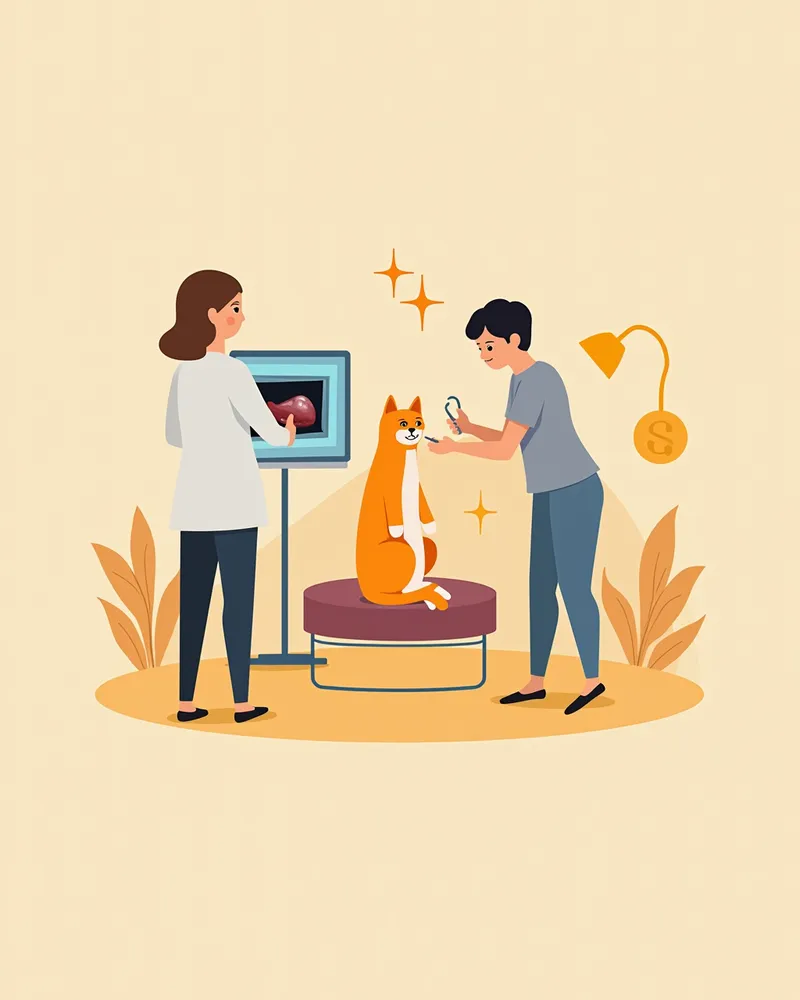
What Are the Treatment and Management Methods?
Comparison of Response Strategies by Symptom Stage
| Item | Mild | Moderate | Severe |
|---|---|---|---|
| Main Symptoms | Slightly decreased appetite, lethargy | Persistent loss of appetite, weight loss | Jaundice, vomiting, decreased consciousness |
| Management | Dietary management, veterinary consultation | Nutritional support, fluid/electrolyte correction, start of medication | Hospitalization, feeding tube nutrition, fluid/electrolyte correction |
| Prognosis | Good (with early management) | Fair (requires consistent management) | Requires caution (recovery possible with aggressive treatment but risky) |
Early intervention before symptoms worsen is important.
Reviewed by a veterinarian

Dr. Tony — Punnawat Phongkittirak
VeterinarianA veterinarian who majored in veterinary medicine at Khon Kaen University, Thailand, and completed the IVSA program at North Carolina State University in the United States. Drawing on clinical experience at animal hospitals, he works in the pet healthcare field and is dedicated to building a digital care environment that connects pet parents with veterinarians.
Reviewed 2026-06-07
Frequently Asked Questions
Is the activation of fat-storing cells exclusive to cats?
Can it occur even without obesity?
Can my pet make a full recovery after treatment?
Can it be prevented?
What should I keep in mind when choosing pet food?
Share
Related Guides

7 Key Symptoms and Management Essentials for Canine Cholecystitis Recommended by Veterinarians

Top 5 Milk Thistle (Silymarin) Liver Supplements for Dogs — A Comparison Guide Based on Silybin Content and Absorption Rates

Top Prescription Diets for Dogs with Liver Disease and Selection Criteria

When Does a Cat’s Heat Cycle Begin? — Key Points on Breeding Timing and Estrus Signs

How to Determine the Optimal Breeding Time for Dogs

The Ultimate Guide to Brain Games for Preventing Canine Dementia

Causes and Correction of Coprophagia (Feces-Eating Behavior) in Dogs

Leash Pulling Correction Method

What to Do When Puppy Baby Teeth Don’t Fall Out

Puppy Dental Structure (Number of Deciduous and Permanent Teeth)
References
[1] Hirose, M. et al. (2020). Hepatic stellate cell activation in cats with chronic liver disease. Journal of Feline Medicine and Surgery, 22(5), 456–464.
[2] Kaneko, J.J. et al. (2018). Nutritional management of feline hepatic lipidosis. Veterinary Clinics of North America: Small Animal Practice, 48(3), 521–538.
[3] Parker, M. et al. (2021). Role of oxidative stress in hepatic stellate cell activation in cats. Veterinary Pathology, 58(2), 234–245.