
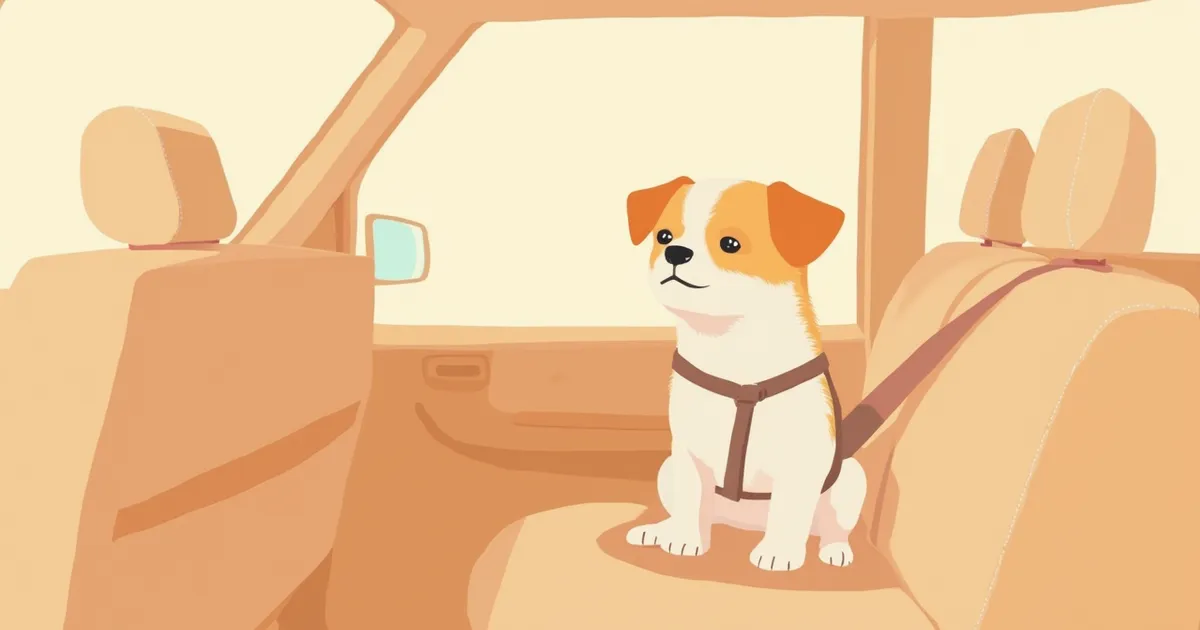
Why Does My Dog Tremble When Riding in the Car? — Step-by-Step Desensitization Training for Motion Sickness and Phobia
If your dog or cat is afraid of car rides or frequently experiences motion sickness, you can reduce their stress response through gradual desensitization and counterconditioning. Here’s a summary of the training steps and when to consult your veterinarian.
What Is Car Phobia?
Is It Motion Sickness or Phobia?
Comparing Symptoms of Motion Sickness vs. Phobia
| Item | Physical Motion Sickness | Psychological Fear |
|---|---|---|
| Main Symptoms | Drooling, vomiting, diarrhea | Trembling, barking, hyperventilation |
| Onset | During or after driving | Even before boarding |
| Age | Individuals with little travel experience | Regardless of age |
| Improvement Method | Motion sickness medication + gradual exposure | Desensitization + counterconditioning |
| Accompanying Symptoms | Body goes limp | Hiding, aggression |
The two types often appear together
Step-by-Step Desensitization Training
Stop Immediately If You See These Signs!
If you notice any of the following signs during training, immediately reduce the intensity and do not proceed until your pet is fully comfortable at that level: excessive drooling, repeated vomiting or diarrhea, persistent whole-body trembling, continuous panting or difficulty breathing, unrelenting barking or howling, or aggressive attempts to bite your hands. If these symptoms recur, behavioral training alone is unlikely to resolve the issue, and consultation with a veterinary behavior specialist is necessary.
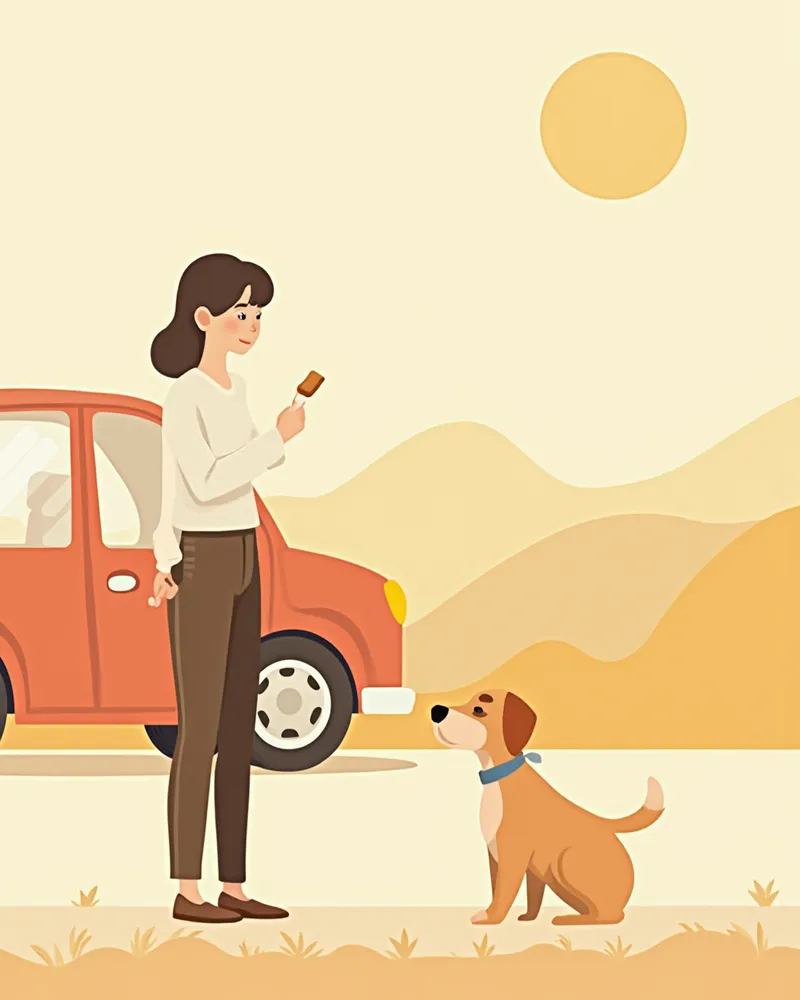
Creating "Car = Good Things" Through Counterconditioning

When to Use Medications and Supplements
How to Approach Car Phobia in Cats
Approaching car anxiety in cats differs from dogs. Cats tend to fear unfamiliar spaces more intensely, so acclimating them to the carrier comes first. Leave the carrier open in your home and make it a safe, inviting spot with treats and a cushion. Spraying a facial pheromone product (Feliway) inside and around the carrier at least 15 minutes before departure can help reduce anxiety. During the car ride, covering the carrier with a towel blocks their view and minimizes external stimuli.
Reviewed by a veterinarian

Dr. Tony — Punnawat Phongkittirak
VeterinarianA veterinarian who majored in veterinary medicine at Khon Kaen University, Thailand, and completed the IVSA program at North Carolina State University in the United States. Drawing on clinical experience at animal hospitals, he works in the pet healthcare field and is dedicated to building a digital care environment that connects pet parents with veterinarians.
Reviewed 2026-04-27
Frequently Asked Questions
How long does it take for training results to become noticeable?
Won’t they get used to it if we force them to go outside more often?
Is it safe to give my pet motion sickness medication every time we travel?
Can I carry my pet in my arms without using a carrier?
Can cats also undergo desensitization training?
Share
Related Guides

7 Behavioral Enrichment Strategies for Mental Stimulation Recommended by Veterinarians

Top 5 Calming Supplements for Dogs and Cats in 2026

L-Theanine Effects and Calming Support

Can Dogs with Heart Disease Get Dental Scaling? — Anesthesia Risks and Pre-procedure Tests

My Dog’s Heart Is Beating Too Slowly — Signs of Bradycardia, AV Block, and Syncope
Fluid in a Dog’s Abdomen — Cardiac Ascites and Abdominocentesis, When to Visit the Vet

Inflammation in Our Cat’s Heart? — Causes of Myocarditis and Emergency Signs You Must Not Miss

What is Canine Uveitis? — Can It Lead to Red Eyes and Blindness?

My Dog’s Pupils Are Different Sizes — Is This a Dangerous Warning Sign?

What Is Corneal Pigmentation in Dogs? — Causes of Dark Film on the Eyes and Management
References
[1] Stellato, A. et al., Effect of a standardized four-week desensitization and counter-conditioning training program on pre-existing veterinary fear in companion dogs, Animals 9(10):767, 2019
[2] Stellato, A.C. et al., Risk-factors associated with veterinary-related fear and aggression in owned domestic dogs, Applied Animal Behaviour Science 241:105374, 2021
[3] Korpivaara, M. et al., Dexmedetomidine oromucosal gel for noise-associated acute anxiety and fear in dogs — a randomised, double-blind, placebo-controlled clinical study, Veterinary Record 180(14):356, 2017
[4] Introduction to Animal Behavior and Veterinary Behavioral Medicine, Chapter 17