
Cat Head Shapes — The Complete Guide to Classification
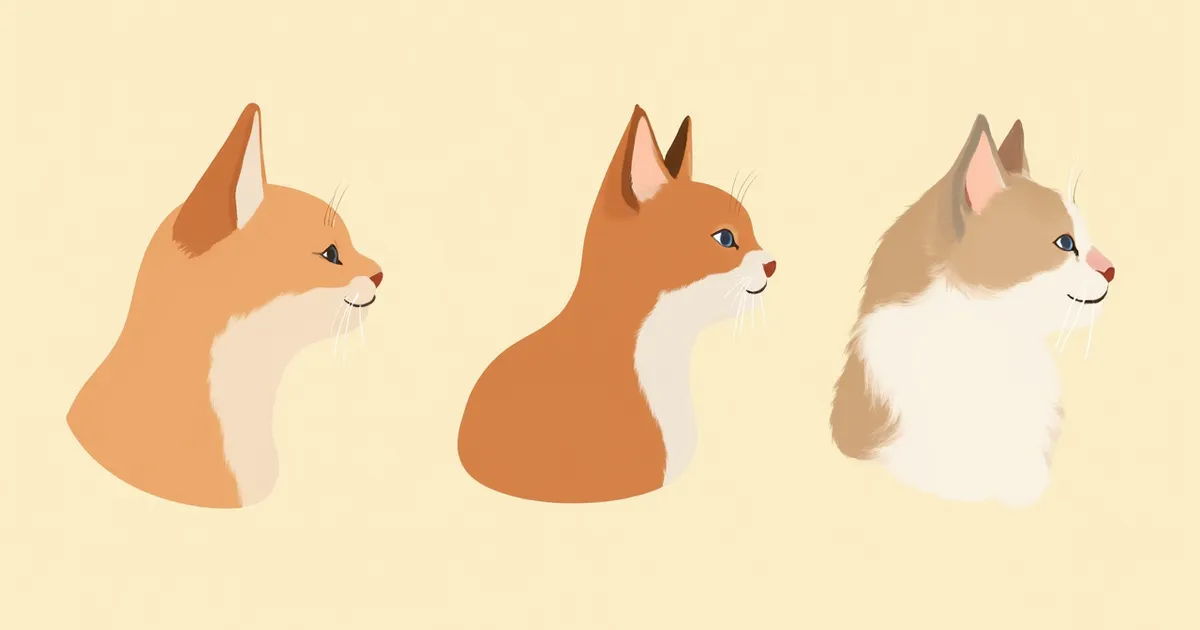
Cat head shapes fall into three categories: dolichocephalic (long-headed), mesocephalic (medium-headed), and brachycephalic (short-headed). Here’s a clear overview of the health risks and care tips for each type.
What Are Cat Head Shapes?
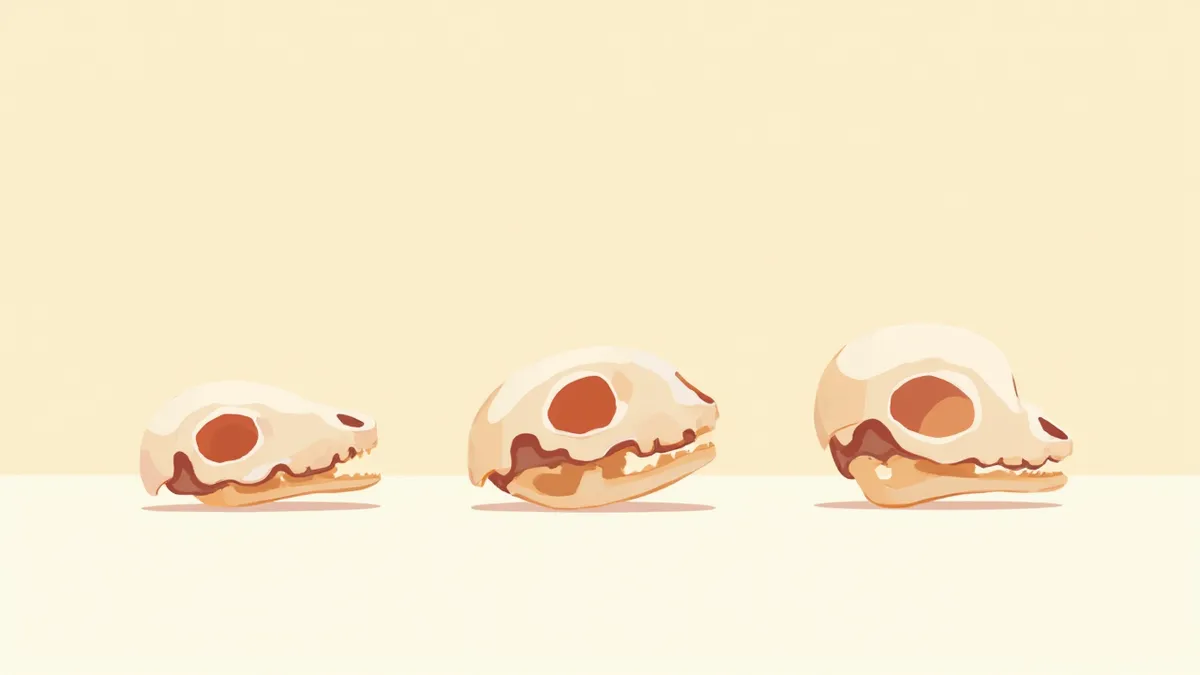
Why Head Shape Is Directly Linked to Health
A Quick Comparison of the Three Head Shapes
| Item | Dolichocephalic | Mesocephalic | Brachycephalic |
|---|---|---|---|
| Representative breeds | Siamese, Oriental Shorthair, Abyssinian | Korean Shorthair, American Shorthair, Russian Blue | Persian, Exotic Shorthair, Himalayan, British Shorthair |
| Facial features | Long narrow face, large ears | Balanced round face | Flat face, pushed-in nose |
| Major health risks | No distinct head-shape-specific risks (routine checks of oral cavity, etc.) | Relatively low (breed-specific genetic diseases checked separately) | Respiratory distress, epiphora (excessive tearing), dental crowding |
| Care difficulty | Moderate | Low | High |
There is variation between individual cats
Characteristics and Care of Dolichocephalic Cats
If Your Brachycephalic Cat Shows These Symptoms, Go to the Vet Immediately
If your brachycephalic cat exhibits any of the following symptoms, it may be a medical emergency: a bluish-purple discoloration of the tongue or gums, severe wheezing or snoring from the nose and throat during breathing, open-mouth panting without prior exertion or excitement, or severely bloodshot eyes with purulent discharge. Seek immediate care at a 24-hour veterinary clinic. Due to their anatomical structure, brachycephalic cats are at risk of rapidly progressing respiratory failure.
Daily Care Points for Brachycephalic Cats

Mesocephalic — The Most Balanced Structure
Head Shape Check Before Adopting a Breed
When adopting a brachycephalic breed, always ask the breeder for videos of the parents’ breathing and their veterinary examination records. If the nostrils are extremely narrow or the eyes protrude beyond the eyelids, lifelong surgical and medical management may be necessary. We recommend consulting with a veterinarian before registering your pet.
Reviewed by a veterinarian

Dr. Tony — Punnawat Phongkittirak
VeterinarianA veterinarian who majored in veterinary medicine at Khon Kaen University, Thailand, and completed the IVSA program at North Carolina State University in the United States. Drawing on clinical experience at animal hospitals, he works in the pet healthcare field and is dedicated to building a digital care environment that connects pet parents with veterinarians.
Reviewed 2026-04-26
Frequently Asked Questions
Do brachycephalic cats always need surgery?
What type of head shape does my Corgi have?
Is brachycephaly hereditary?
For brachycephalic cats, is dental care the only thing I need to focus on?
Should the type of food vary depending on the dog's head shape?
Share
Related Guides

Primary vs. Secondary Veterinary Hospitals: A Comparison

5 Easy-to-Raise Cat Breeds for First-Time Owners — Grooming Difficulty Comparison

Top 7 Short-Legged Dog Breeds

When to Administer SAMe and Milk Thistle for Dogs: Effects and Selection Points

What is Canine Hepatocellular Carcinoma? — Key Points on Benign vs. Malignant, Treatment, and Prognosis

Dog Liver Tumors: Primary vs. Metastatic — Owner Q&A from Diagnosis to Prognosis

Will My Dog’s Bleeding Not Stop If Their Liver Is Bad? — Q&A on Coagulation Abnormality and Bleeding Signs

What Is a Liver Abscess in Dogs? — Key Q&A on Symptoms to Treatment

What is Canine Gallbladder Mucocele? — Symptoms, Diagnosis, and Cholecystectomy

Is the Medicine My Dog Ate Safe for the Liver? — Symptoms and Emergency Response for Drug-Induced Liver Injury
References
[1] Little SE, The Cat: Clinical Medicine and Management, 2nd Edition, Chapter 52 Genetics of Feline Diseases and Traits
[2] Gandolfi B, Alhaddad H, Feline breed conformation and skull morphology, 2018
[3] Schlueter C et al., Brachycephalic feline noses: CT and anatomical study, Journal of Feline Medicine and Surgery, 2009