Like
Share
멍실장
강아지 항부정맥 약물 자주 묻는 질문 Q&A — 보호자가 꼭 알아야 할 핵심

Why Do Dogs Need Antiarrhythmic Medications? — Essential Q&A on Drug Types and Side Effects

HeartQ&AMeongsiljang Veterinary Advisory Board

This Q&A addresses common questions pet owners have about antiarrhythmic medications for dogs. We’ve compiled essential information on everything from choosing the right medication and proper administration to potential side effects and when to visit the vet.

What Are Antiarrhythmic Medications for Dogs?
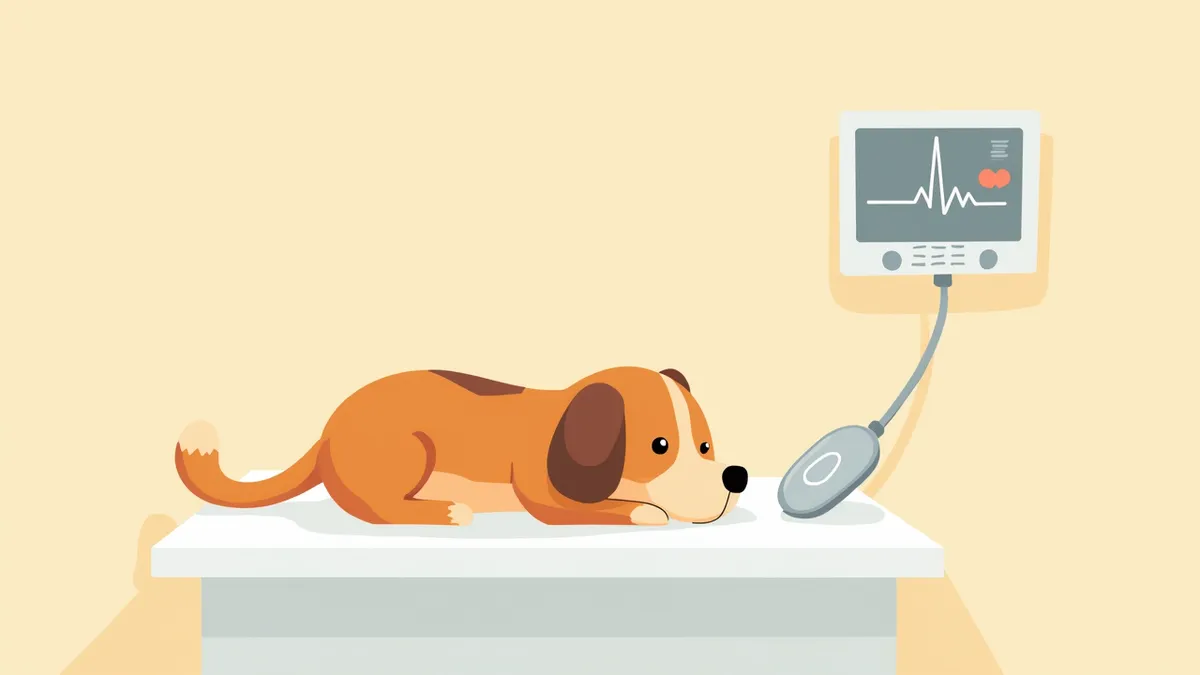
A puppy with an irregular heartbeat undergoing ECG monitoring
Antiarrhythmic medications for dogs are used to treat conditions where the heart rate becomes rapid or irregular. - Regulating Heart Rhythm: These medications help stabilize electrical signals in the heart to maintain a normal heartbeat. - Veterinary Prescription Required: They should only be used after an accurate diagnosis, and self-medication is strictly discouraged. - Individualized Treatment: The type and dosage of medication vary depending on the dog’s specific condition. - Regular Monitoring Needed: During treatment, regular heart and blood tests are necessary to monitor effectiveness and safety. - Watch for Side Effects: If symptoms such as drowsiness, vomiting, or decreased appetite occur, consult your veterinarian immediately.

Main Types of Antiarrhythmic Medications and Their Mechanisms of Action
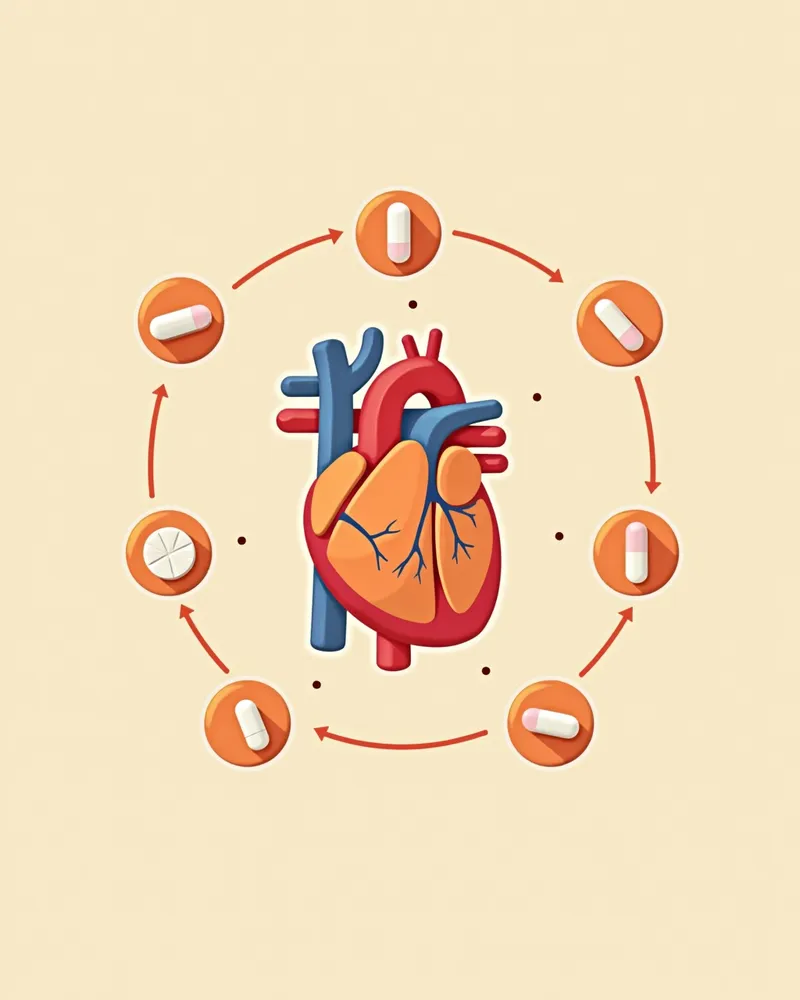
Antiarrhythmic medications are categorized based on how they regulate heart rhythm. - Lidocaine: Effective for acute ventricular arrhythmias, it is primarily administered via intravenous injection in emergency situations and works best when potassium levels are normal. - Amiodarone: Used for ventricular arrhythmias, particularly considered when cardiac contractile function is compromised. - Beta-blockers (e.g., atenolol): Reduce heart rate by suppressing sympathetic nerve stimulation, helping to control conditions such as supraventricular tachycardia. - Calcium channel blockers (e.g., diltiazem): Slow the impulse generation at the sinoatrial node and conduction through the atrioventricular node to manage specific arrhythmias. - Criteria for medication selection: The choice depends on a comprehensive assessment of the dog’s overall health, risk of side effects, and medical history.
Diagram illustrating the mechanism of action of antiarrhythmic drugs that act on the heart

Precautions When Administering Antiarrhythmic Medications
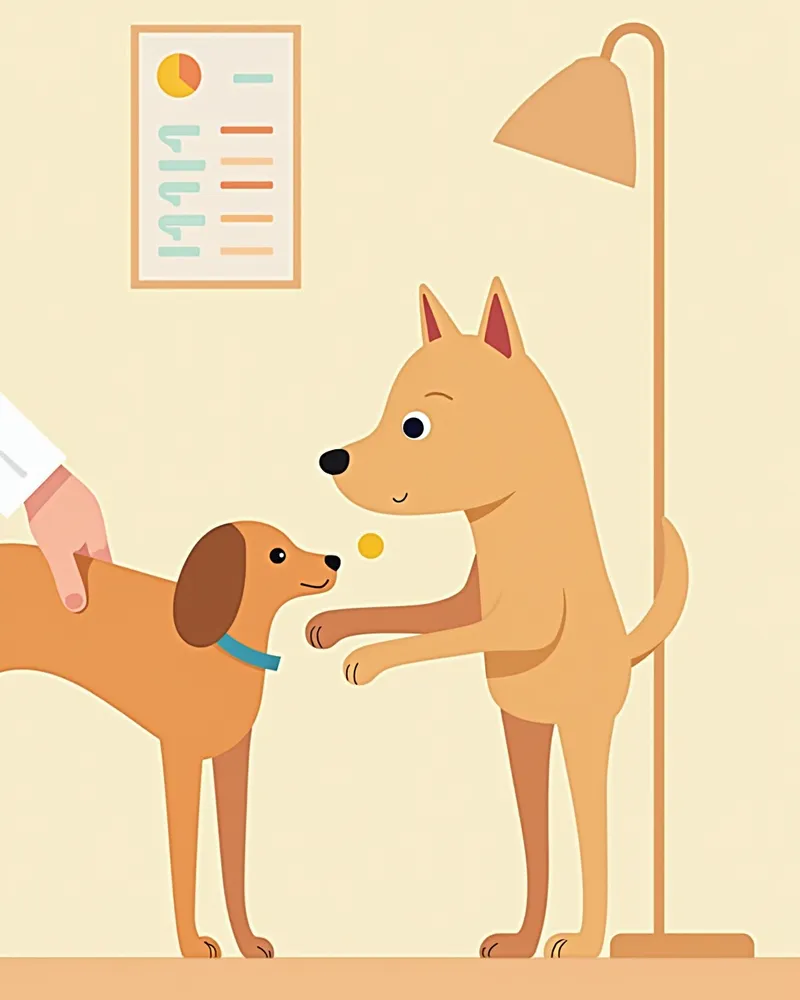
Antiarrhythmic medications require consistent, ongoing management. - Maintain a consistent dosing schedule: Administer the medication at the same time each day to help stabilize your pet’s heart rhythm. - Adhere to regular check-ups: Schedule routine tests, including echocardiograms, electrocardiograms (ECGs), and liver function panels. - Never stop medication abruptly: Suddenly discontinuing the drug can cause the arrhythmia to worsen or lead to serious side effects. - Monitor for side effects: Contact your veterinarian immediately if you notice lethargy, vomiting, decreased appetite, or difficulty breathing. - Keep a medication log: Recording when and how much medication was given will be helpful during veterinary visits.
A puppy taking medicine, with the veterinarian checking in.

Comparison Table of Antiarrhythmic Medication Types

ItemMain ActionMain Side EffectsPrecautions for Use
LidocaineControls acute ventricular arrhythmiasNeurological effects such as drowsiness and dizzinessIntravenous injection in emergencies, maintain normal blood potassium
AmiodaroneControls ventricular arrhythmiasSide effects possible with long-term administrationRegular examinations essential, consider when contractile function is reduced
Beta-blockerReduces heart rateLethargy, decreased appetiteUse caution in cases of hypotension or reduced contractile function

The veterinarian prescribes according to body weight and condition. Beware of drug interactions.

What to Do If Abnormal Symptoms Occur After Taking Antiarrhythmic Medications?
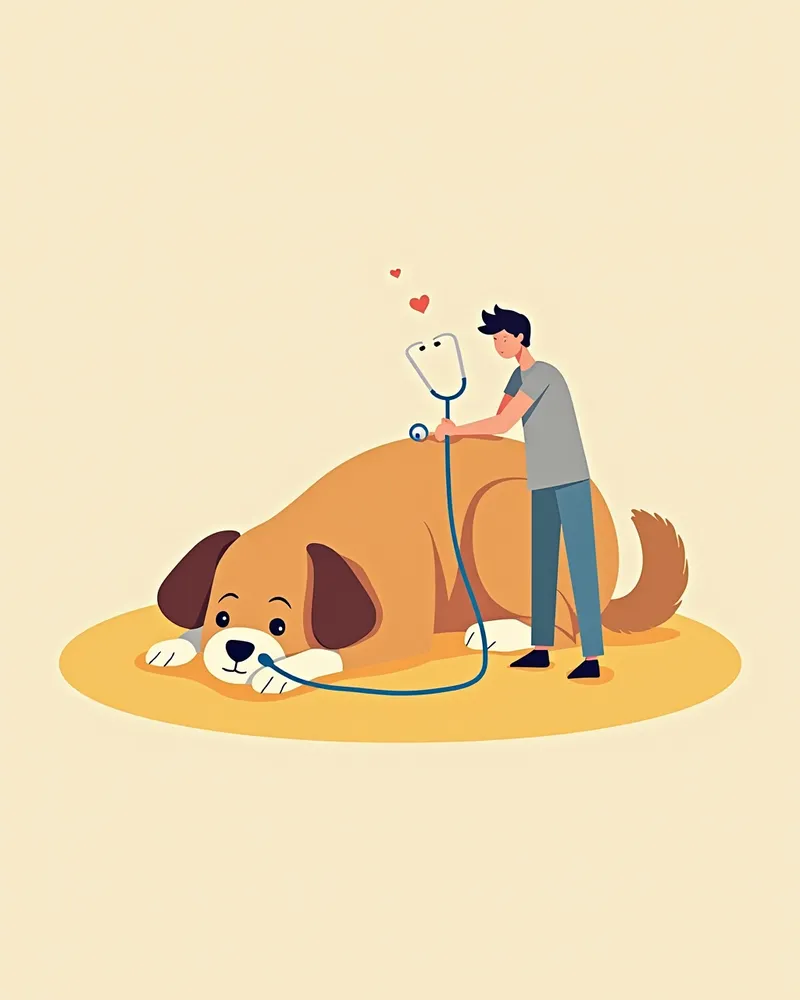
If your pet shows signs such as drowsiness, vomiting, loss of appetite, difficulty breathing, or collapse after taking medication, contact your veterinarian immediately. - Suspected side effects: These symptoms may indicate that the medication is affecting the heart or liver. - Do not stop the medication: Do not discontinue the medication until you have visited the clinic. - Prepare a symptom log: Accurately record when the symptoms started and what specific symptoms were observed. - Be prepared for emergencies: If you notice an extremely rapid heartbeat or a sensation that the heart has stopped, seek immediate veterinary care. - Collaborate with your veterinarian: Depending on the symptoms, medication adjustments or diagnostic tests may be necessary, so maintain open and proactive communication with your vet.
A dog showing signs of breathing difficulty due to medication side effects, being examined by a veterinarian

Symptoms Requiring Immediate Veterinary Visit

If your pet’s heart rate becomes extremely rapid or seems to stop, if they collapse, have difficulty breathing, or their mouth turns blue, seek veterinary care immediately. These are signs of a life-threatening emergency.

Medications That Should Not Be Taken Together With Antiarrhythmic Drugs

Some medications can cause serious side effects when taken together with antiarrhythmic drugs. - Antibiotics: Certain antibiotics may affect heart rhythm. - Pain relievers: Nonsteroidal anti-inflammatory drugs (NSAIDs) can place additional strain on the heart. - Antidepressants: Some antidepressants may interfere with electrical signal conduction in the heart. - Alcohol and supplements: Alcohol consumption or use of dietary supplements may also impact heart rhythm. - Consult your veterinarian: Always inform your vet about all current medications before starting any new treatment.
List of medications that should not be taken together with antiarrhythmic drugs

Caution Regarding Drug Interactions

If your dog is currently taking other medications, combining them with antiarrhythmic drugs can lead to serious side effects. Be sure to inform your veterinarian about all medications your dog is currently using.

Reviewed by a veterinarian

Dr. Tony — Punnawat Phongkittirak

Dr. Tony — Punnawat Phongkittirak

Veterinarian

A veterinarian who majored in veterinary medicine at Khon Kaen University, Thailand, and completed the IVSA program at North Carolina State University in the United States. Drawing on clinical experience at animal hospitals, he works in the pet healthcare field and is dedicated to building a digital care environment that connects pet parents with veterinarians.

Frequently Asked Questions

Do antiarrhythmic medications need to be taken for life?
It depends on the underlying condition and the state of the heart. While some medications may only need to be taken temporarily and then discontinued, most require ongoing management. Please consult with your veterinarian.
Will the arrhythmia return if I stop the medication?
Yes, stopping the medication can cause the heart rhythm to become irregular again. This is especially risky if there are structural abnormalities in the heart. Always follow your veterinarian's instructions regarding discontinuation of the medication.
Can antiarrhythmic medications extend a dog’s lifespan?
It depends on the underlying condition. Stabilizing heart function can improve your pet’s quality of life and, in some cases, help extend their lifespan. Your veterinarian will regularly assess their condition.
Is the timing of medication important?
Yes, it’s important to give the medication at the scheduled times. Maintaining a consistent blood concentration helps maximize effectiveness and minimize side effects. In some cases, the dose is split between morning and evening.
What should I do if I missed a dose of medication?
If you miss a dose, simply give the next one at the regular scheduled time. Do not double up on doses. If you frequently miss doses, please let your veterinarian know, as your pet’s medication schedule may need to be adjusted.

Share

Related Guides

References

[1] Clinical Medicine of the Dog and Cat, 4th Ed. Elsevier, 2020.

[2] Textbook of Cardiovascular Medicine in Dogs and Cats. Wiley-Blackwell, 2018.

[3] Small Animal Critical Care Medicine, 3rd Ed. Elsevier, 2017.

This information is based on veterinary literature and does not replace diagnosis or treatment. Please consult a veterinarian for specific health concerns.

Metapet Co., Ltd. | CEO: Park Sung-yong | Business Reg. No. 417-88-02562 | Seoul, South Korea | Customer Center

Why Do Dogs Need Antiarrhythmic Drugs? Types & Side Effects Q&A | Meongsiljang