Like
Share
멍실장
고양이 폐 청진 소견 자주 묻는 질문 Q&A — 보호자가 꼭 알아야 할 핵심

Frequently Asked Questions About Feline Lung Auscultation Findings — Key Points for Pet Owners

RespiratoryQ&AMeongsiljang Veterinary Advisory Board

Lung auscultation in cats is key to the early detection of respiratory diseases. We’ve compiled the main signs pet owners should know, along with how to respond.

What Are Feline Lung Auscultation Findings?
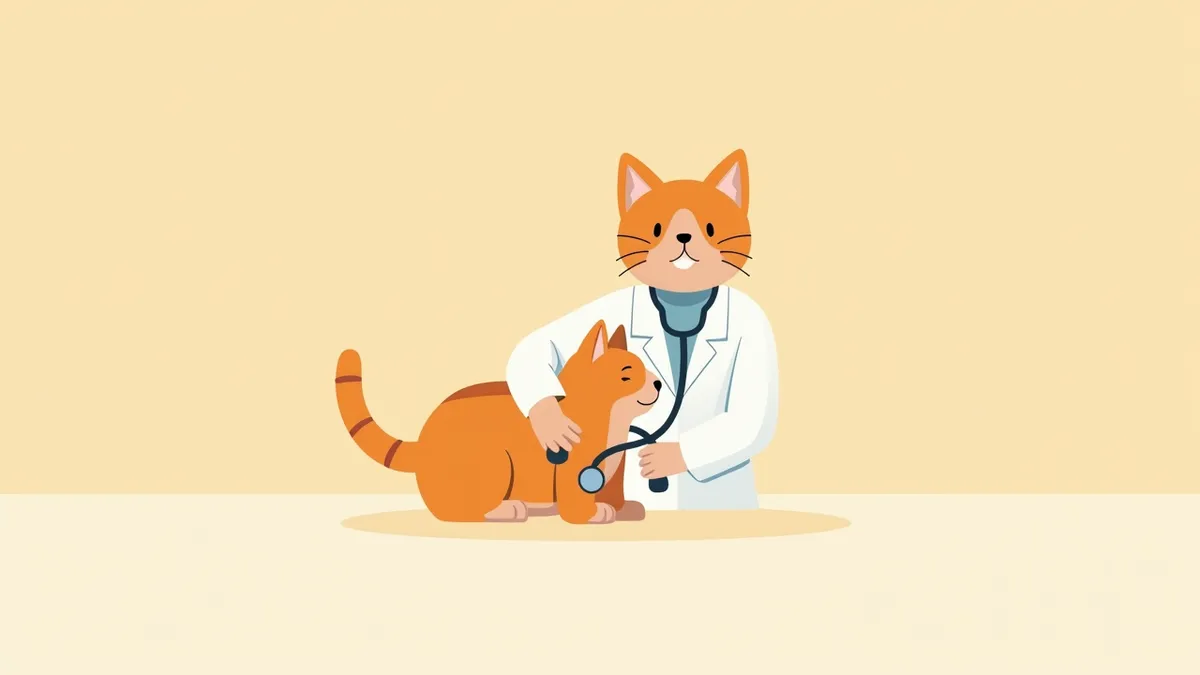
A veterinarian listening to a cat's lungs with a stethoscope
Feline lung auscultation findings refer to the characteristics of breath sounds heard when a veterinarian listens to the chest with a stethoscope. In healthy cats, breath sounds at rest are relatively clear, and no abnormal findings may be detected. However, abnormal sounds associated with coughing, rapid breathing, or respiratory distress can signal underlying disease. - Wheezes: High-pitched sounds produced as air passes through narrowed airways. These are commonly seen in lower airway diseases such as asthma in cats. - Crackles: Sounds resembling popping bubbles, which may be associated with inflammation or secretions in the airways or lungs. - Prolonged expiration: In obstructive lower airway diseases such as asthma, the exhalation phase tends to be prolonged. These findings are important clues for early diagnosis, so carefully review the veterinarian’s auscultation results.

What Are the Main Causes of Abnormal Auscultation Findings?
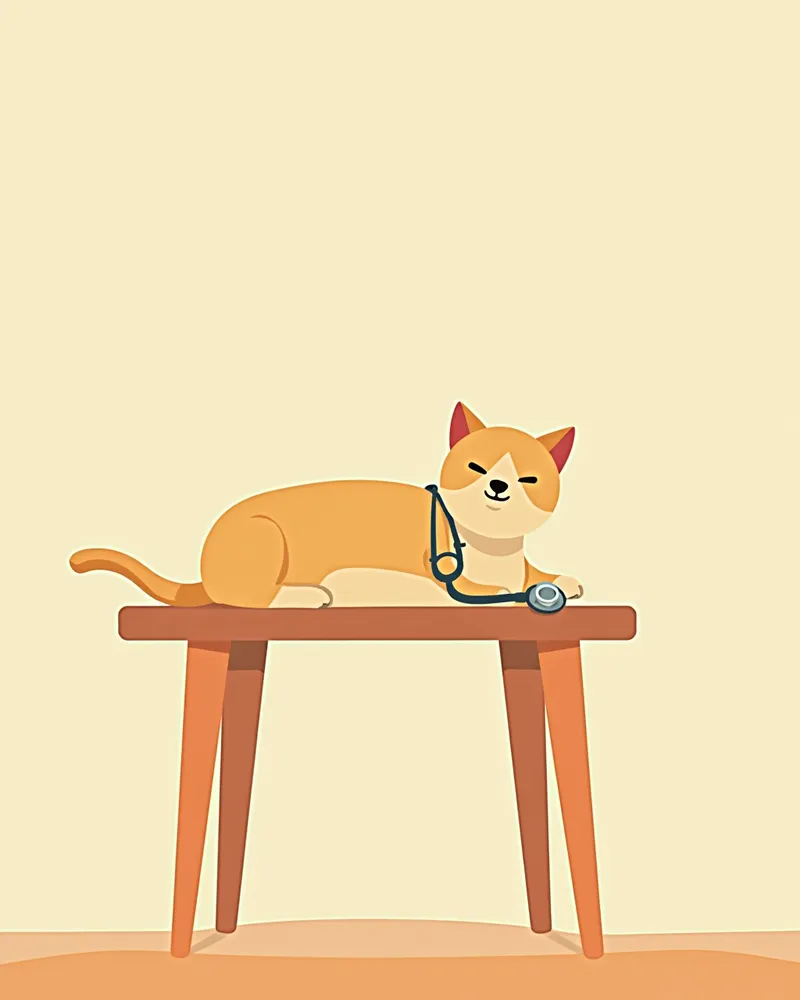
When a cat’s lung auscultation reveals abnormalities, common causes include lower airway diseases such as asthma, pneumonia, heart disease (heart failure), pleural effusion or pulmonary edema, and upper airway diseases. - Lower airway disease (asthma): This is the most common cause of wheezing in cats. Narrowing of the bronchi leads to coughing and difficulty exhaling. - Pneumonia: Inflammation of the lungs causes distinct changes in auscultatory sounds and may be accompanied by a decline in overall condition. - Heart disease: If fluid accumulates in the lungs, causing pulmonary edema, the cat may struggle to breathe, and auscultatory sounds may change. - Upper airway disease: Narrowing of the nose or throat can result in snoring-like sounds or open-mouth breathing. Additional tests, such as chest X-rays or blood work, are necessary to accurately identify the underlying cause.
A cat undergoing auscultation

Signs That Require Immediate Veterinary Care When Auscultation Findings Are Abnormal

If your cat is panting, breathing with its mouth open, has blue or bluish lips or gums, is coughing repeatedly or increasingly, or appears unusually weak, please seek veterinary care immediately. - Difficulty breathing: Your cat may struggle to breathe, leading to open-mouthed breathing or panting. - Color changes: Bluish lips or gums indicate insufficient oxygen supply. - Increased frequency and severity of coughing: Persistent or worsening coughs may signal issues with the lungs or airways. - Decreased activity: Your cat may appear unusually weak or inactive. Early diagnosis improves treatment success rates.
Cats showing signs of respiratory distress

Emergency: When Breathing Sounds Become Severely Altered

If your cat’s breathing suddenly becomes very noisy or labored, seek veterinary care immediately. Respiratory distress is a medical emergency that requires prompt treatment, as it can signal life-threatening conditions such as pulmonary edema, airway obstruction, or heart failure. Delaying care can make treatment more difficult, so head to the nearest emergency or after-hours clinic right away.

What Tests Are Performed at the Clinic for Abnormal Auscultation Findings?
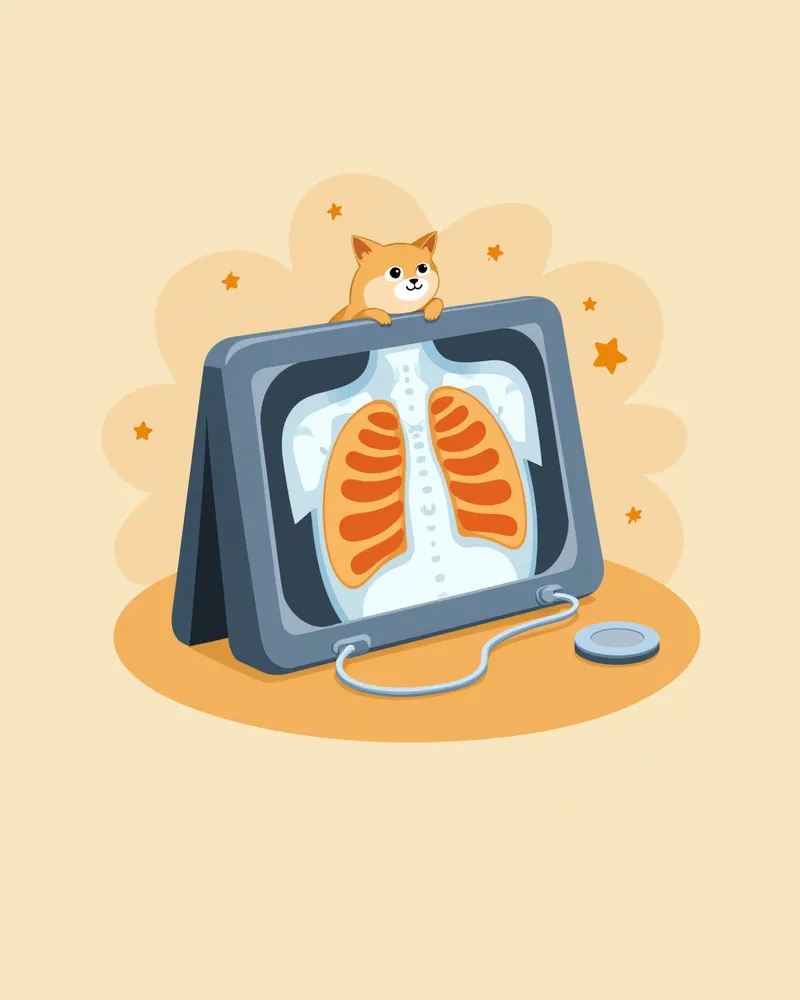
If the veterinarian detects abnormal findings during auscultation, they will proceed with a chest X-ray, blood tests, oxygen saturation measurement, and a thoracic ultrasound. - Chest X-ray: This allows for a visual assessment of the lung condition. However, it is often difficult to definitively determine the cause based on imaging findings alone. - Blood tests: These help identify inflammation, assess overall systemic health, and check for infections. - Oxygen saturation and blood gas analysis: These provide objective numerical values to evaluate the body’s oxygen supply status. - Thoracic ultrasound: This aids in identifying causes of respiratory distress, such as heart abnormalities or pleural effusion. If necessary, bronchoalveolar lavage or bacterial culture may also be performed. A precise diagnosis is then made based on the test results.
A veterinarian examining a cat's chest X-ray

How Are Abnormal Auscultation Findings Treated?

Treatment approaches vary depending on the underlying cause. - Lower respiratory tract disease (asthma): Glucocorticoids (steroids) to reduce inflammation and bronchodilators are used to alleviate coughing and difficulty breathing. Prednisolone is the preferred choice for cats. - Pneumonia: If bacterial infection is the cause, antibiotic therapy is essential, and hospitalization may be required in severe cases. - Heart disease: Medications are used to manage cardiac workload and fluid accumulation in the lungs. - Parasitic infections: Dewormers are administered to eliminate parasites and relieve symptoms. - Difficulty breathing: Oxygen supplementation may be necessary in some cases. Your veterinarian will develop a treatment plan tailored to your pet’s condition.
A veterinarian administering medication to a cat

How to Manage Lung Health at Home

To protect your cat’s lung health, it’s important to manage indoor air quality and avoid smoking. - Air quality management: It’s best to avoid environments with excessive dust, perfumes, or chemicals. - Regular check-ups: Routine health exams with your veterinarian enable early detection of potential issues. - Stress reduction: Provide a quiet environment and a sense of stability in their daily routine. - Encouraging exercise: Regular play helps maintain healthy respiratory function. - Nutritional care: A balanced diet boosts immunity. Healthy lifestyle habits are the most important preventive measure.
A cat room equipped with an air purifier and toys

Caution: Feline Lung Diseases May Have Mild Early Symptoms

Feline lung diseases may show little to no coughing or shortness of breath in the early stages. Subtle changes such as unusual behavior, lethargy, or decreased appetite can easily be overlooked, making regular health check-ups essential. Veterinarians often detect abnormal signs through auscultation. Early detection significantly improves treatment success rates.

Comparison of Responses Based on the Severity of Abnormal Auscultation Findings

ItemMildModerateSevere
Main SymptomsSlight cough, slightly rough breathing soundsRecurrent cough, shortness of breath, weaknessOpen-mouth breathing, bluish lips, collapse
ManagementRegular check-ups, environmental improvementVisit the veterinarian, start medicationVisit the clinic immediately, oxygen supply needed
Need for TestingX-ray recommendedX-ray and blood test essentialAll tests after emergency measures

Because the management approach differs depending on the severity of symptoms, accurate assessment is necessary.

Reviewed by a veterinarian

Dr. Tony — Punnawat Phongkittirak

Dr. Tony — Punnawat Phongkittirak

Veterinarian

A veterinarian who majored in veterinary medicine at Khon Kaen University, Thailand, and completed the IVSA program at North Carolina State University in the United States. Drawing on clinical experience at animal hospitals, he works in the pet healthcare field and is dedicated to building a digital care environment that connects pet parents with veterinarians.

Frequently Asked Questions

My cat is making unusual breathing sounds. Should I take them to the vet?
If your pet has a rough cough or persistent coughing, it’s important to visit the vet. Early diagnosis is key to effective treatment.
If the auscultation findings are abnormal, is an X-ray absolutely necessary?
While chest X-rays are very helpful, imaging alone often isn’t enough to pinpoint the exact cause. Your veterinarian may also recommend blood tests, ultrasound, or oxygen saturation monitoring, and will determine which diagnostic steps are most appropriate for your pet.
If my cat has abnormal lung sounds on auscultation, can I give them medication at home?
Absolutely not. Medications must be prescribed by a veterinarian. Using the wrong medication can worsen the condition.
Is an abnormal auscultation finding related to a cat's age?
It can be related to age. However, lower airway diseases like asthma are also common in young and middle-aged cats, so regular check-ups are important for cats of all ages.
What should I do if abnormal findings on auscultation keep recurring?
Additional tests are needed to accurately identify the cause. You’ll need to work with your veterinarian to develop a management plan.

Share

Related Guides

References

[1] Hoskins, J.D. et al. (2020) Feline Respiratory Disease: Diagnosis and Management. Veterinary Clinics of North America: Small Animal Practice, 50(3), 541–560.

[2] Lloyd, D.H. (2018) Clinical Examination of the Feline Respiratory System. Journal of Feline Medicine and Surgery, 20(1), 5–15.

[3] American College of Veterinary Internal Medicine (ACVIM). (2021) Consensus Statement on Feline Pulmonary Auscultation Guidelines. J Vet Intern Med, 35(4), 1678–1685.

This information is based on veterinary literature and does not replace diagnosis or treatment. Please consult a veterinarian for specific health concerns.

Metapet Co., Ltd. | CEO: Park Sung-yong | Business Reg. No. 417-88-02562 | Seoul, South Korea | Customer Center

Cat Lung Auscultation Findings: 5 Essential Questions for Pet Owners | Meongsiljang