

Frequently Asked Questions About Feline Nebulizer Therapy — Key Information Every Cat Owner Should Know
We’ve compiled the essential information every cat owner should know about using nebulizers to treat feline respiratory diseases, including how they work, their safety and effectiveness, and how to manage treatment at home.
What Is Feline Nebulizer Therapy?

Why Is Nebulizer Therapy Needed for Cats?

What Are the Main Benefits of Nebulizer Therapy?

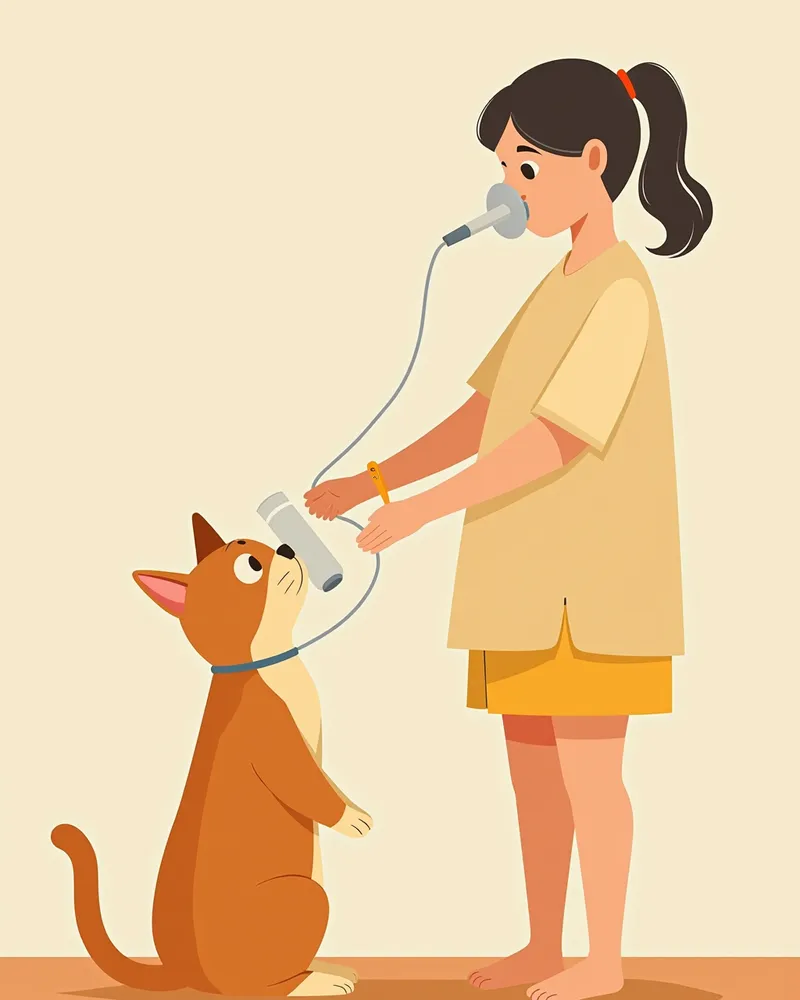
How to Perform Nebulizer Therapy at Home
When to Seek Immediate Veterinary Care
If your pet’s breathing becomes very rapid, their mouth turns blue, coughing worsens, or they appear disoriented, seek veterinary care immediately. Even during nebulizer therapy, any worsening of respiratory symptoms requires urgent intervention. It’s important to discuss emergency response plans with your veterinarian in advance.
Precautions for Nebulizer Therapy

Nebulizer Therapy vs. Oral Medication Administration
| Item | Nebulizer Therapy | Oral Medication Administration |
|---|---|---|
| Drug Delivery Site | Deep in the lungs | Systemic circulation |
| Speed of Effect | Fast | Slow |
| Possibility of Side Effects | Low | High |
| Cat's Cooperation | Moderate to low | High |
| Treatment Consistency | Requires daily regular sessions | Can be taken once daily |
Choose the appropriate method after consulting a veterinarian.
Advantages and Disadvantages of Nebulizer Therapy

Frequently Asked Questions
| Item | 네뷸라이저 치료 | 경구 약물 투여 |
|---|---|---|
| 약물 도달 위치 | 기도와 폐 (원위 기도 도달 0.5–5 μm 입자) | 전신 순환 |
| 효과 속도 | 치료에 반응 시 약 30~45분 이내 호흡 개선 확인 가능 | 전신 순환을 통해 작용 |
| 부작용 가능성 | 낮음 (전신 흡수 제한) | 전신 흡수로 부작용 가능성 있음 |
| 고양이 협조도 | 중간~낮음 (마스크 적응 필요) | 높음 (먹는 습관 존재) |
| 치료 일관성 | 정해진 일정에 반복 필요 (수의사 지시 기준) | 일일 복용 가능 |
수의사와 상의 후 적절한 방법을 선택하세요. 고양이의 상태와 질환 유형에 따라 치료 전략이 달라져야 해요.
Reviewed by a veterinarian

Dr. Tony — Punnawat Phongkittirak
VeterinarianA veterinarian who majored in veterinary medicine at Khon Kaen University, Thailand, and completed the IVSA program at North Carolina State University in the United States. Drawing on clinical experience at animal hospitals, he works in the pet healthcare field and is dedicated to building a digital care environment that connects pet parents with veterinarians.
Reviewed 2026-06-29
Share
Related Guides

Top Recommended Feline Bronchodilators and Selection Criteria: A Complete Guide

Best Recommendations and Selection Criteria for Monitoring Your Cat’s Respiratory Rate (RR) During Sleep for Heart Care

Best Recommendations and Selection Criteria for Monitoring Your Dog’s Respiratory Rate (RR) During Sleep for Heart Care

Dog Airway Foreign Body Aspiration FAQ — Key Information Pet Owners Must Know

Frequently Asked Questions About Feline Pleural Effusion — Key Information for Pet Owners

Cat Nosebleeds (Epistaxis) FAQ — Key Information for Pet Owners

Dog Anal Gland Care FAQ — Key Information Every Pet Owner Should Know

FIV and FeLV Testing in Cats: Frequently Asked Questions — Key Information Every Pet Owner Should Know

Dog Dental Scaling and Tartar Removal FAQ — Key Points Every Pet Owner Should Know

Cat Temporomandibular Joint Dislocation FAQ — Key Information for Pet Owners
References
[1] BSAVA Manual of Canine and Feline Dermatology, 4th Ed, 2020
[2] The Cat, Clinical Medicine and Management, 2nd Edition, 2018
[3] Feline Emergency and Critical Care Medicine, 2nd Ed, 2021