

Dog Dental Scaling: Procedure and Precautions
Dog dental scaling is a procedure that removes tartar using ultrasonic equipment after general anesthesia. We’ve compiled everything from pre-procedure exams to the procedure itself, anesthesia precautions, and post-scaling care, all based on veterinary dental textbooks.
Is Dental Scaling Necessary for Dogs?
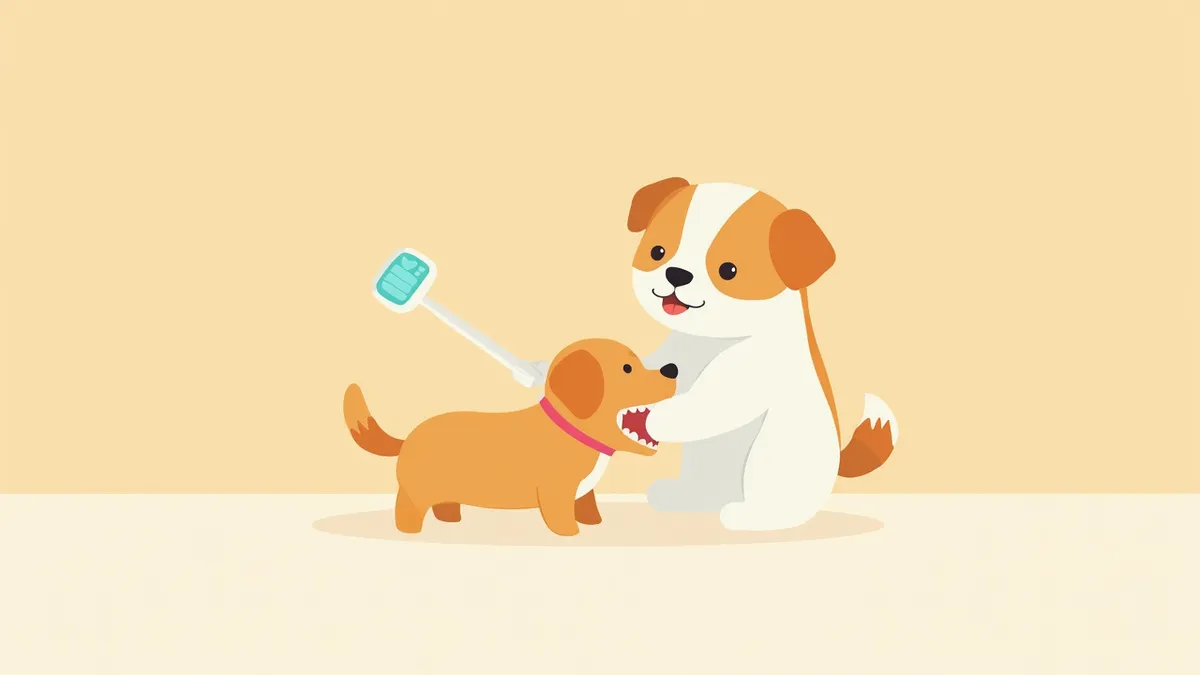
Signs That Indicate a Need for Dental Scaling
Overview of the Entire Dental Scaling Process
| Step | Description | Duration |
|---|---|---|
| Pre-procedure examination | Blood tests and cardiac evaluation to confirm anesthesia safety | 1–7 days before the procedure |
| Fasting | Fasting to prevent vomiting during anesthesia | From the night before the procedure |
| Anesthesia | General anesthesia followed by endotracheal intubation | Approximately 10 minutes |
| Tartar removal | Removal of tartar from tooth surfaces and below the gumline using an ultrasonic scaler | 20–40 minutes |
| Polishing | Smoothing tooth surfaces to prevent tartar from reattaching | Approximately 10 minutes |
| Oral examination | Assessment of dental condition and determination of whether extractions are necessary | Approximately 5 minutes |
| Recovery | Waking up from anesthesia | 30 minutes to 1 hour |
Why Pre-Anesthetic Examinations Are Important

Anesthesia: Special Precautions for These Cases
While the risk of anesthesia complications in healthy dogs is very low, it is relatively higher in certain cases. Senior dogs (8 years or older), dogs with heart, liver, or kidney disease, and brachycephalic breeds (such as Pugs, Bulldogs, and Shih Tzus) require extra attention to airway management during anesthesia due to their shorter airways. Be sure to undergo thorough pre-anesthetic testing and discuss the anesthesia protocol in detail with your veterinarian. If any issues are identified during the pre-anesthetic exam, the dental cleaning schedule can be adjusted or alternative approaches can be explored.
Post-Scaling Care Guidelines
Scaling Frequency and Preventive Care
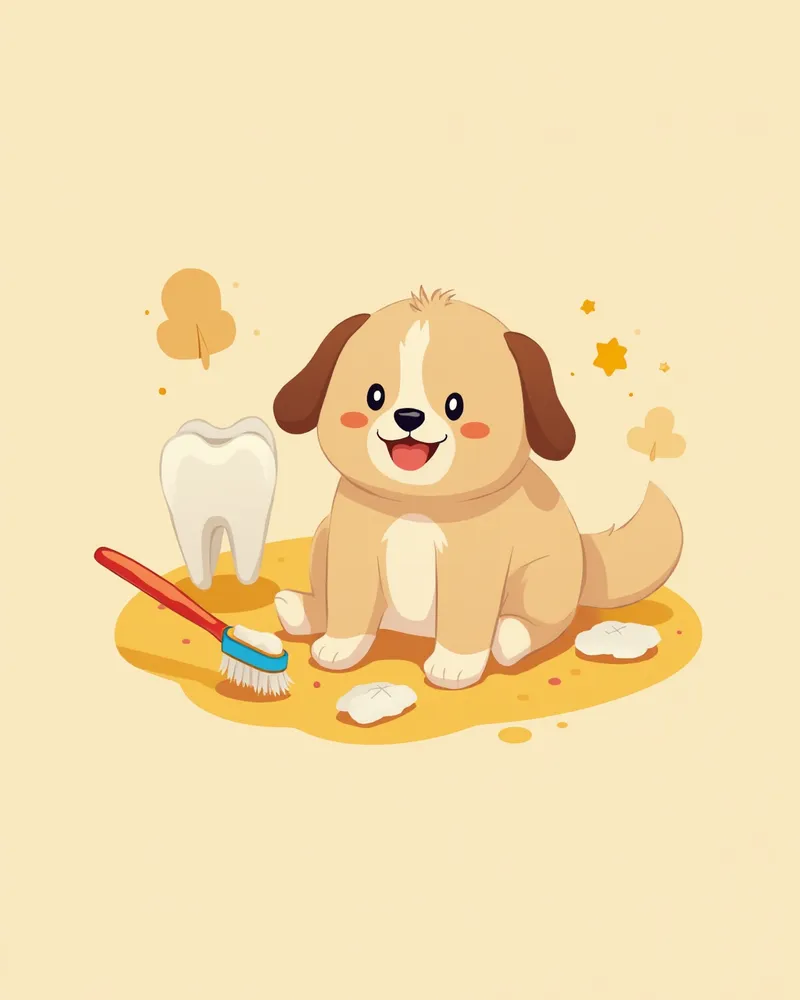
Non-Anesthetic Scaling: What You Need to Know
Non-anesthetic scaling only removes visible tartar above the gumline. Since it cannot eliminate tartar hidden beneath the gums, its effectiveness in preventing periodontal disease is limited. The American Veterinary Dental College (AVDC) also advises against non-anesthetic scaling in its official position statement. While your pet’s teeth may look cleaner with the visible tartar gone, the more serious issues below the gumline can remain untreated. For true oral health, scaling under anesthesia is necessary.
Reviewed by a veterinarian

Dr. Tony — Punnawat Phongkittirak
VeterinarianA veterinarian who majored in veterinary medicine at Khon Kaen University, Thailand, and completed the IVSA program at North Carolina State University in the United States. Drawing on clinical experience at animal hospitals, he works in the pet healthcare field and is dedicated to building a digital care environment that connects pet parents with veterinarians.
Reviewed 2026-04-13
Frequently Asked Questions
How much does dog dental scaling cost?
At what age can pets start receiving dental scaling?
Does scaling weaken teeth?
Can teeth become loose after scaling?
Can senior dogs also get dental scaling?
Share
Related Guides

7 Best Cat Dental Chews for Tartar Prevention Recommended by Veterinarians and Selection Criteria
Top 5 Recommended Dental Treats for Dogs in 2026 — VOHC Certification Criteria

7 Criteria for Choosing Dog Tartar Prevention Dental Chews Recommended by Veterinarians

When to Start Weaning Puppies and Kittens

Meaning of Dog Gaze and Icon-tact

Meaning and Behavioral Signals of the Play Bow

What Is My Cat Feeling Right Now? — Reading Emotional Signals Through Ear Position

What Does a Cat’s Purr Mean? — Meanings and Types by Situation
How to Objectively Assess Your Pet’s Condition Using Quality of Life (QoL) Scales for Dogs and Cats
How to Assist with Grooming Deficits in Senior Cats
References
[1] Small Animal Dental, Oral and Maxillofacial Disease — Niemiec, Chapter 2: Periodontal Disease
[2] Veterinary Dentistry: Principles and Practice — Wiggs & Lobprise, Chapter 10: Periodontal Therapy
[3] BSAVA Manual of Canine and Feline Dentistry and Oral Surgery, 4th Ed — Chapter 12: Professional Periodontal Therapy
[4] Veterinary Dentistry for the General Practitioner — Gorrel, Chapter 5: Dental Cleaning