Like
Share
멍실장
강아지 낯선 사람 공격성 자주 묻는 질문 Q&A — 보호자가 꼭 알아야 할 핵심

Why does my dog bark and bite at strangers? — Causes and when to start correction

Brain & CognitionQ&AMeongsiljang Veterinary Advisory Board

Aggression toward strangers in dogs can stem from fear, protective instincts, or anxiety. Proper handling and behavior modification are key to addressing this issue.

Aggression toward strangers in dogs is a behavior that threatens the relationship with the owner
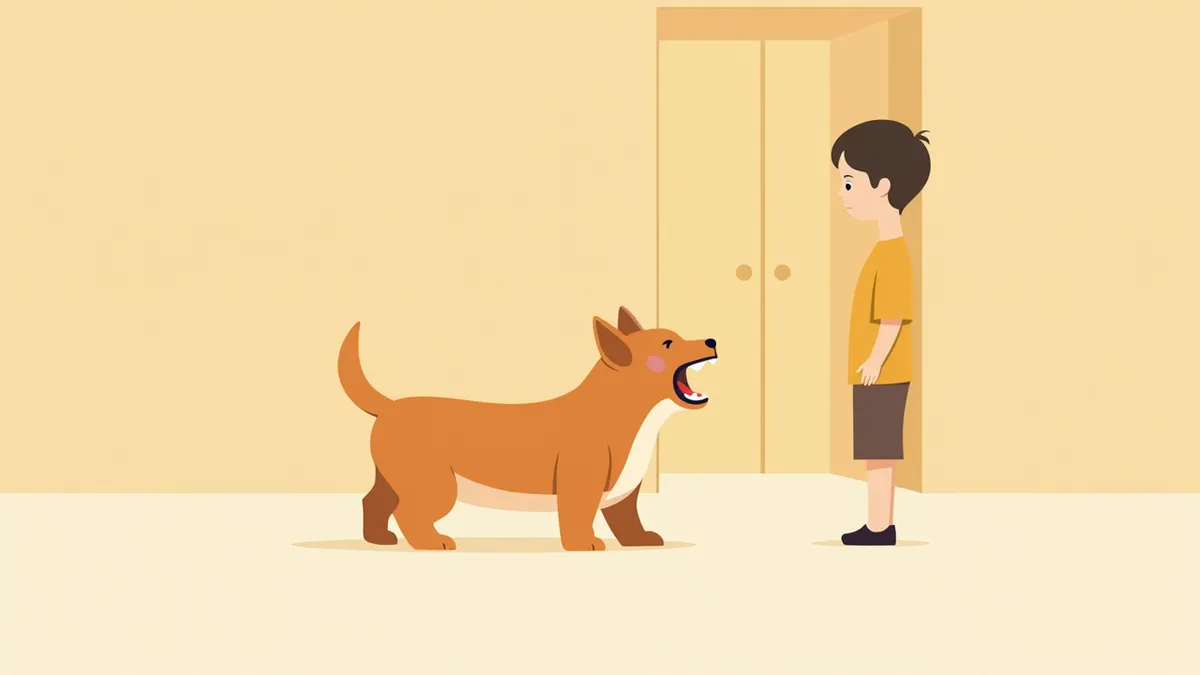
A dog displaying an aggressive posture toward a stranger
Aggression toward strangers in dogs is a behavior characterized by excessive wariness or aggressive reactions to unfamiliar people. This type of aggression is diagnosed based on its underlying motivation, and it often stems from fear or anxiety. Additionally, pain, illness, discomfort, or anxiety can lower the threshold for aggressive responses, causing a dog to react in situations that would normally be fine. Because this behavior can pose risks to both people and animals, it is important to identify the triggering stimuli and intervene early with proper management.

The main causes of aggression are fear and lack of socialization

Understanding the motivation behind a dog’s aggression toward strangers is the most important step. In many cases, this behavior stems from fear or anxiety, and the presence of pain, illness, or discomfort can lower the threshold for aggressive responses. Additionally, using coercive training methods such as threats or physical punishment may only temporarily suppress the behavior while actually intensifying the underlying aggression. Since aggression can be reinforced by negative experiences within the human-animal relationship, identifying the root cause and addressing it with positive reinforcement-based methods offers a promising path toward improvement.
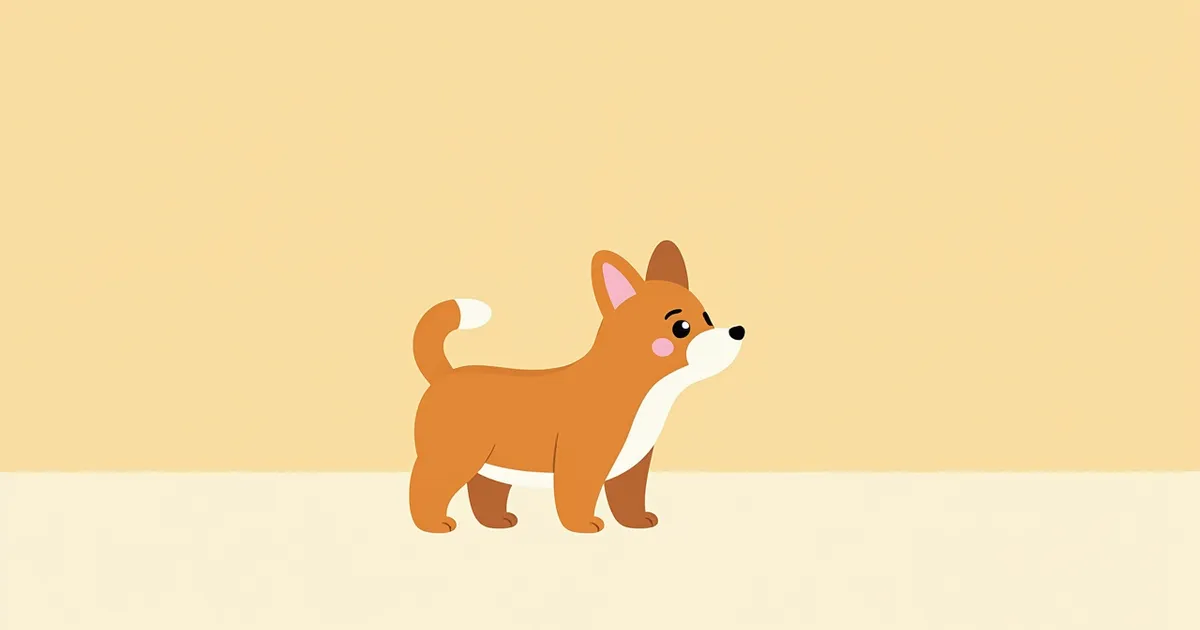
A young puppy cautiously observing a stranger

Identify the situations that trigger aggressive behavior

When your dog reacts aggressively to strangers, keep a record of the specific situations in which this occurs. For example, note whether it happens when you open the door, when a visitor enters, or when a stranger approaches. This information will be essential for developing a behavior modification plan.
Dog Aggression Behavior Log Notes

Start behavior modification in a safe environment
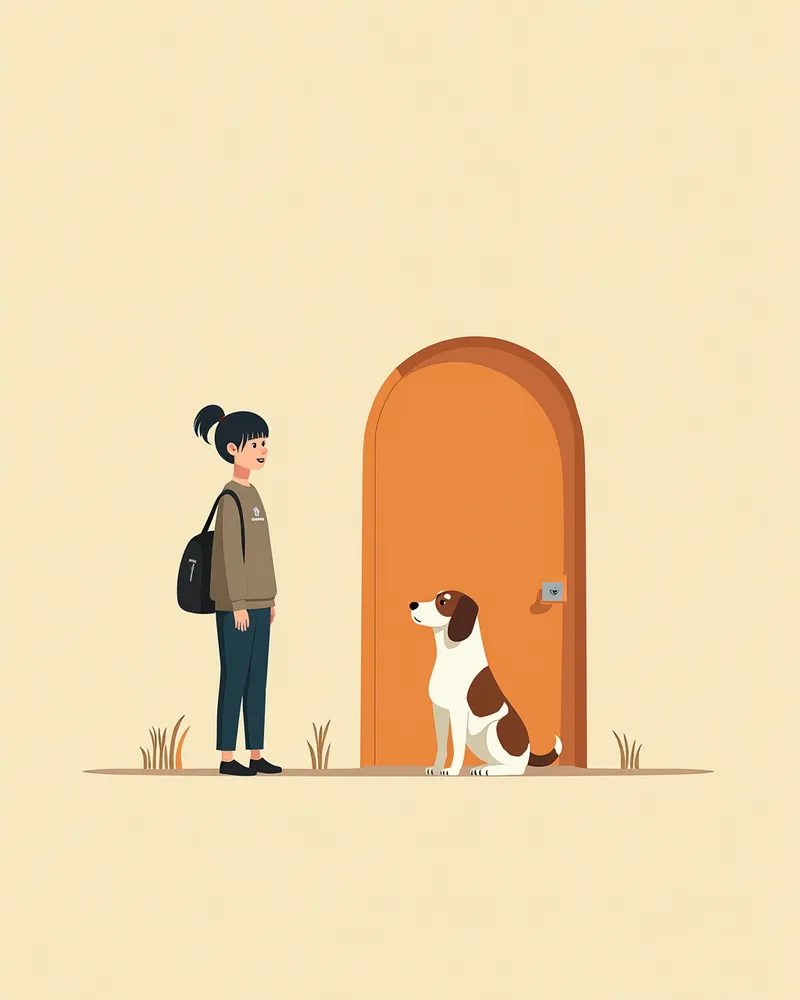
When a dog reacts aggressively to strangers, immediately stopping or punishing the behavior can actually reinforce the aggression. In reality, physical punishment or coercive methods only temporarily suppress the behavior without addressing the root cause. Instead, gradually exposing the dog to the stimulus in a safe environment is more effective. The key is to start at a distance far enough that the dog doesn’t feel scared, and then very slowly help the dog become accustomed to the stimulus while maintaining a calm state.
The sight of a puppy quietly watching a stranger outside the door

If aggressive behavior worsens, consult a veterinarian and behavior specialist immediately

If your dog exhibits dangerous behaviors such as biting strangers or adopting an aggressive stance with its jaws open, seek veterinary care immediately. These actions may indicate more than just a behavioral issue; they could be signs of psychological stress or an underlying medical condition. A veterinarian should first rule out any physical causes and then collaborate with a behavior specialist to develop an appropriate treatment plan.

Behavior modification training should be conducted step by step
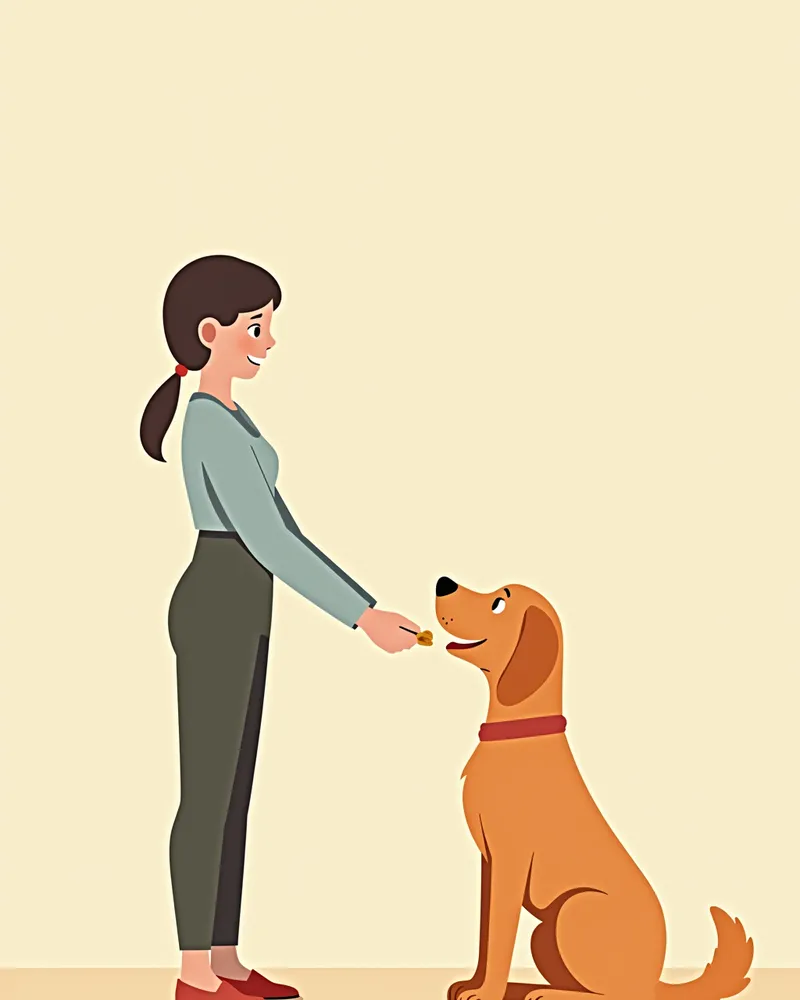
Aggression toward strangers in dogs doesn’t resolve overnight. It’s important to start by maintaining a safe distance from unfamiliar people while building positive experiences. For example, you can create positive associations by rewarding your dog when a stranger approaches. Gradually decrease the distance over time and repeat the training consistently.
A trainer gives a dog treats while keeping a safe distance from strangers.

The owner's attitude has a significant impact on behavior
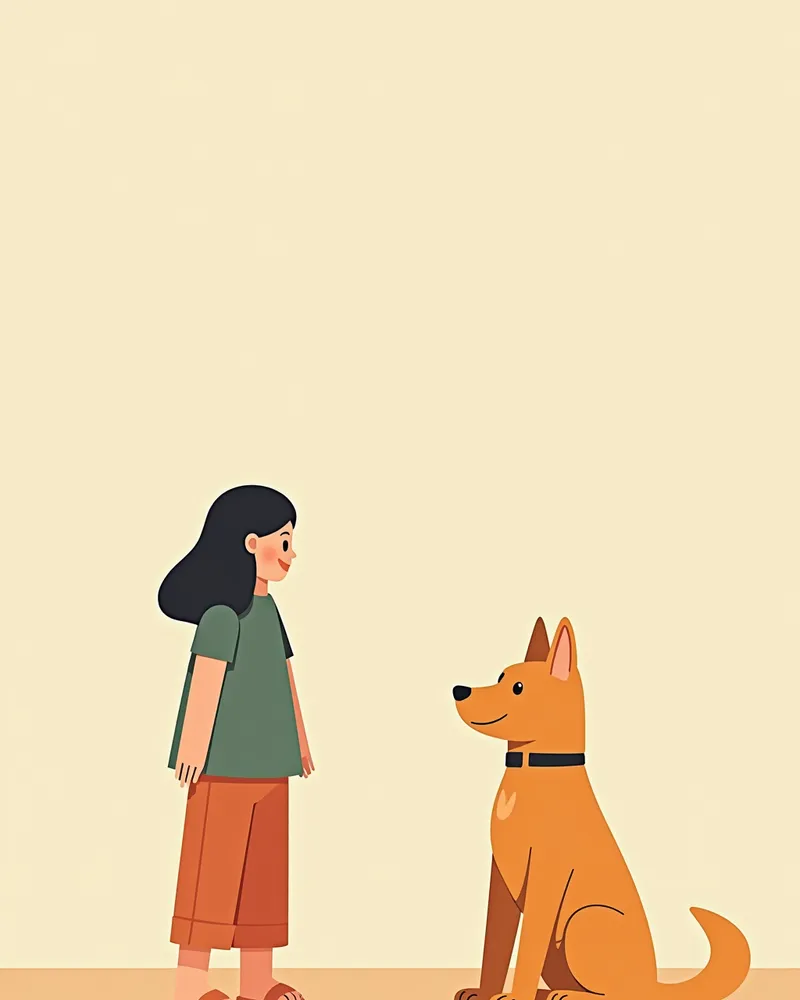
When a dog reacts aggressively toward strangers, it’s important for the owner to remain calm and composed. Behavior modification training, particularly gradual desensitization, is only effective when conducted while the dog is in a relaxed state, free from fear or anxiety. Therefore, owners should closely observe their dog’s body language and carry out training in an environment that helps the dog stay calm and secure.
The owner and their puppy calmly responding to a stranger

Reviewed by a veterinarian

Dr. Tony — Punnawat Phongkittirak

Dr. Tony — Punnawat Phongkittirak

Veterinarian

A veterinarian who majored in veterinary medicine at Khon Kaen University, Thailand, and completed the IVSA program at North Carolina State University in the United States. Drawing on clinical experience at animal hospitals, he works in the pet healthcare field and is dedicated to building a digital care environment that connects pet parents with veterinarians.

Frequently Asked Questions

Can a dog's aggression toward strangers be treated?
Yes, aggression toward strangers in dogs can often be improved by avoiding triggering stimuli and implementing behavior modification techniques such as desensitization and counterconditioning. However, every case is different and requires consistent management; early intervention generally leads to better outcomes.
Can senior dogs also develop aggression toward strangers?
Yes, even older dogs can show aggression toward strangers. In particular, if an elderly dog suddenly displays aggressive behavior that is out of character, there may be an underlying physical cause such as pain or illness. Therefore, it is important to first have a veterinarian examine the dog to rule out any health issues.
Is it a problem if my dog barks at strangers?
Barking itself isn’t necessarily a problem, but if your dog barks repeatedly while displaying aggressive postures, behavior modification is needed. This type of response usually stems from fear or anxiety, and observing your dog’s body language and posture can help you understand the underlying motivation.
Does a dog's aggression toward strangers vary by breed?
It’s more accurate to understand aggression based on the underlying motivation behind the behavior—such as fear, anxiety, or pain—rather than attributing it to the breed itself. Even within the same breed, individual dogs vary widely in their responses to different stimuli, so it’s better to focus on identifying your dog’s specific triggers rather than making assumptions based on breed.
How should I handle it when my dog becomes aggressive toward a stranger?
Instead of immediately stopping the behavior, calmly step back to a safe distance. Once your dog has settled, reward them with positive reinforcement to help build positive associations.

Share

Related Guides

References

[1] Appleby, D., Bradshaw, J., and Casey, R. (2002). Relationship between aggressive and avoidance behaviour by dogs and their experience in the first six months of life. Vet. Rec. 150 (14): 434–438.

[2] Rayment, D., De Groef, B., Peters, R., and Marston, L. (2015). Applied personality assessment in domestic dogs: limitations and caveats. App. Anim. Behav. Sci 163: 1–18.

[3] Shuler, C., DeBess, E., Lapidus, J., and Hedberg, K. (2008). Canine and human factors related to dog bites. J. Am. Vet. Med. Assoc. 232(11): 1647–1652.

This information is based on veterinary literature and does not replace diagnosis or treatment. Please consult a veterinarian for specific health concerns.

Metapet Co., Ltd. | CEO: Park Sung-yong | Business Reg. No. 417-88-02562 | Seoul, South Korea | Customer Center

Why Does My Dog Bark & Bite at Strangers? When to Correct | Meongsiljang