Like
Share
멍실장
고양이 복막염(FIP) 증상과 최신 치료

Feline Infectious Peritonitis (FIP): Symptoms and Latest Treatments

ImmunityQ&AMeongsiljang Veterinary Advisory Board

Feline infectious peritonitis (FIP) has a high mortality rate, but the latest antiviral treatments have opened up the possibility of a cure. We've summarized the symptoms, diagnosis, and treatment methods for both wet and dry forms of peritonitis.

Feline Infectious Peritonitis (FIP) Is Now Treatable

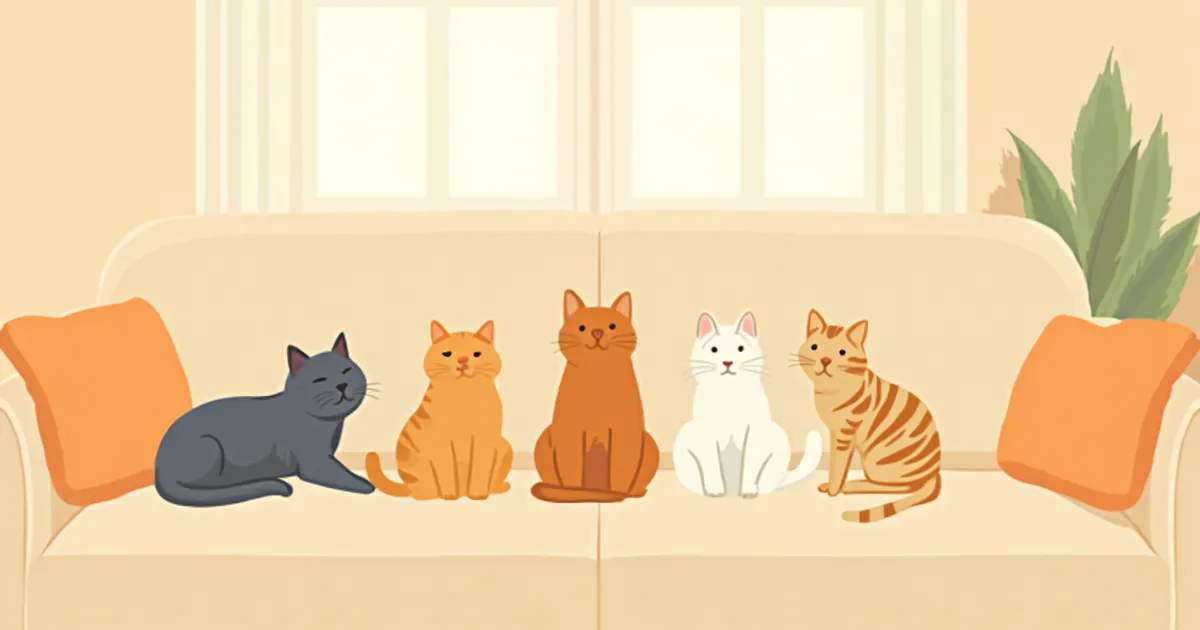
A cat sitting with a hopeful expression
Feline infectious peritonitis (FIP) is a fatal disease caused by a mutation of the coronavirus, but the emergence of antiviral treatments has opened the door to a cure. FIP is a fatal immune-mediated disease that occurs when the feline coronavirus mutates within the body. It manifests in two forms: the wet form, characterized by fluid accumulation in the abdomen, and the dry form, marked by granulomas on organs. Because symptoms are often vague, early detection can be challenging, but the sooner it is diagnosed, the higher the success rate of treatment.

What Causes Peritonitis?

Feline infectious peritonitis is caused by the feline coronavirus. This virus is very common, and it is known that most cats, especially in multi-cat households, are exposed to it at some point. In most cases, the infection passes with mild diarrhea or resolves without any symptoms. The problem arises when the virus occasionally undergoes a mutation within the body. The mutated virus infects white blood cells (macrophages), triggering a systemic inflammatory response, which is what causes peritonitis. Kittens under one year of age with weakened immune systems, cats under significant stress, and those living in overcrowded environments are at higher risk of developing the disease.

Wet vs. Dry Peritonitis

ItemWet (effusive)Dry (non-effusive)
Occurrence rateOccurs more commonlyRelatively less common
Characteristic symptomsFluid accumulation in the abdomen and chestFormation of granulomas (masses) in organs
Change in appearanceAbdomen swells and bulgesNo noticeable change in appearance
Progression speedShows a relatively fast courseTends to show a relatively slow course
Diagnostic difficultyRelatively easy (fluid analysis)Difficult (biopsy required)
Commonly affected organsAbdominal cavity, thoracic cavityEyes, nervous system, liver, kidneys

There is also a mixed form in which wet and dry symptoms appear simultaneously in one cat

Suspect Peritonitis If You See These Symptoms
Peritonitis is easy to miss because its early symptoms resemble those of other conditions. If your pet is showing several of the signs below, please have them examined by a veterinarian.
Persistent fever: A fever that doesn’t respond to antipyretics and lasts for several days.
Decreased appetite and weight loss: Your pet eats poorly and becomes noticeably thin.
Abdominal distension (wet form): The abdomen gradually swells as fluid accumulates.
Ocular abnormalities (dry form): The iris changes color or shows deposits.
Neurological signs (dry form): Your pet walks unsteadily or shows weakness in the hind legs.
Lethargy: Your pet remains inactive in a corner all day.
A cat with key symptoms of peritonitis highlighted

Go to the Hospital Immediately in These Situations

If your cat’s abdomen suddenly swells, their breathing becomes rapid, they pant with an open mouth, or they show signs of seizures, convulsions, or paralysis, it’s an emergency. Peritonitis can progress quickly, so visit an animal hospital immediately upon noticing any abnormal symptoms.

How Is Peritonitis Diagnosed?

Diagnosing peritonitis is rarely straightforward with a single test; instead, we rely on a comprehensive evaluation of multiple findings. This is especially true for the non-effusive (dry) form, which is challenging to diagnose in living patients. In such cases, we carefully consider the cat’s signalment, medical history, clinical signs, physical examination findings, and diagnostic test results together to reach a conclusion.
Blood tests: We suspect peritonitis if globulin levels are elevated (polyclonal gammopathy) and albumin levels are low. While a lower albumin-to-globulin ratio tends to increase the likelihood of the disease, these findings are nonspecific. Therefore, accurate interpretation requires a veterinarian’s holistic assessment.
Fluid analysis (effusive/wet form): We analyze the characteristics of accumulated fluid by draining it. Fluid associated with peritonitis is typically an exudate with high viscosity and specific gravity, containing elevated levels of protein and globulin. It may even clot when exposed to air. A positive result on the Rivalta test, where fluid is dropped into a weakly acidic solution, further raises suspicion.
RT-PCR testing: This is a precise diagnostic test that directly detects viral genetic material in fluid or tissue samples.
Ultimately, your veterinarian will synthesize the clinical signs, blood work, and fluid analysis results to make a final diagnosis.
A cat being examined by a veterinarian

Latest Treatment: Antiviral Medications
Peritonitis has long been known as a disease with no cure, but the emergence of antiviral treatments is changing the landscape.
GS-441524: This is currently the most widely studied antiviral treatment. Clinical studies have reported cases of long-term survival, and its efficacy has been confirmed even in the neurological form of FIP. The treatment duration and dosage are determined by the veterinarian and are generally administered daily over several weeks to several months.
Remdesivir (GS-5734): This drug is related to GS-441524, and positive results have been observed in early clinical case reports. However, the optimal dosage and administration frequency are still under further investigation, and veterinary use may be restricted in some countries.
The treatment duration and dosage are determined by the veterinarian based on whether the disease is the wet or dry form, the presence of neurological involvement, and the patient's body weight.
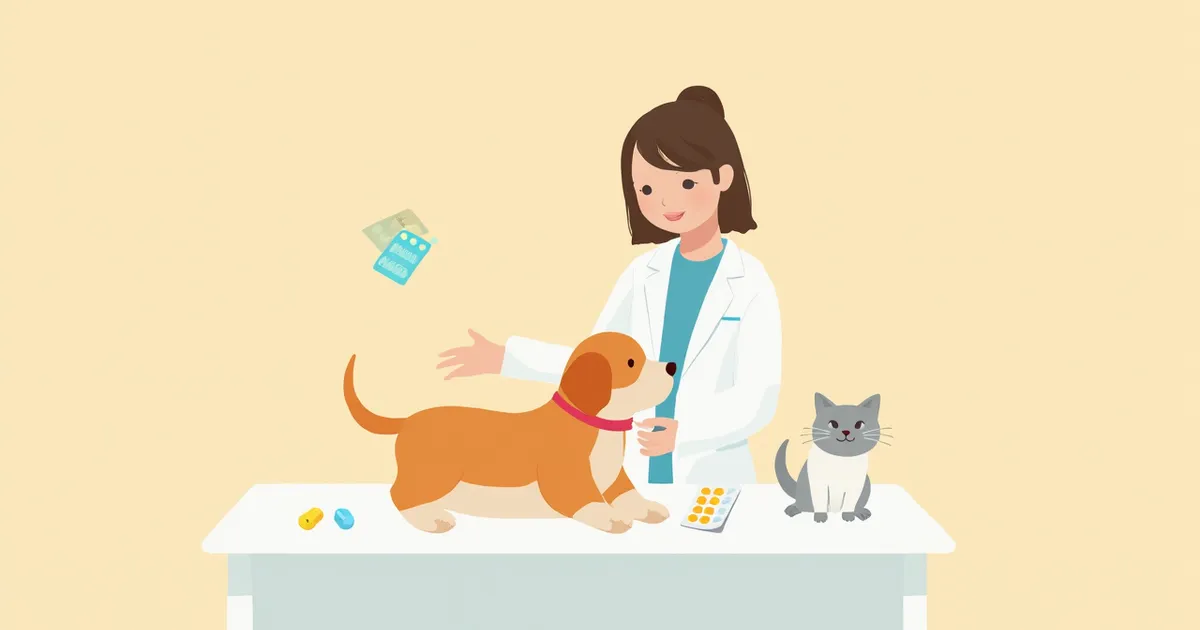
A cat receiving antiviral treatment

Post-Treatment Care and Monitoring for Recurrence

It is essential to monitor for recurrence for an adequate period even after treatment has concluded.
Regular blood tests: Follow your veterinarian’s recommended schedule for periodic testing. The key is to ensure that globulin levels do not rise again.
Monitoring weight and appetite: Record daily food intake and any changes in weight. Contact your veterinarian immediately if your pet’s appetite decreases again.
Minimizing stress: Reduce environmental changes and maintain a quiet, stable living environment.
Long-term survival cases following antiviral therapy are being consistently reported. If a stable condition persists without recurrence, it can be considered nearly a cure; however, consulting with your veterinarian provides the most accurate guidance on monitoring duration and criteria for determining a cure. It is important not to give up until the end.

Essential Information for Multi-Cat Households

Feline coronavirus can spread from an infected cat to others through feces. However, the peritonitis itself is not directly contagious between cats. Provide enough litter boxes (one more than the number of cats) and minimize stress. When bringing in a new cat, it’s safest to quarantine them for at least two weeks before introducing them to your existing cats. If you’re interested in learning about similar immune-related conditions, check out our Feline Immunodeficiency Virus (FIV) Guide.

Reviewed by a veterinarian

Dr. Tony — Punnawat Phongkittirak

Dr. Tony — Punnawat Phongkittirak

Veterinarian

A veterinarian who majored in veterinary medicine at Khon Kaen University, Thailand, and completed the IVSA program at North Carolina State University in the United States. Drawing on clinical experience at animal hospitals, he works in the pet healthcare field and is dedicated to building a digital care environment that connects pet parents with veterinarians.

Frequently Asked Questions

Does a positive antibody test for feline coronavirus mean the cat will develop peritonitis?
Not at all. A positive antibody test simply means the cat has been exposed to the virus; it does not mean the cat has FIP. Most infected cats do not develop FIP, so there is no need to worry too much.
Is there a vaccine to prevent peritonitis?
While intranasal vaccines are available in some countries, their efficacy remains debated, so they are not generally recommended by the veterinary community. The most practical preventive measures are stress management and maintaining a hygienic environment.
How much does it cost to treat peritonitis?
The cost varies significantly depending on your cat's weight, the type of peritonitis (wet, dry, or neurological), and the duration of treatment. For the most accurate estimate, we recommend consulting with your veterinarian.
Can a cat with peritonitis pass it on to other cats?
Peritonitis itself is not directly contagious. However, the underlying cause, coronavirus, can spread through feces. Therefore, it is important to separate litter boxes and maintain good hygiene.
Can peritonitis recur after it has been fully treated?
Even after treatment is complete, it’s important to keep an eye out for any signs of recurrence. Although there are consistent reports of long-term survival following antiviral therapy, regular check-ups are essential to monitor globulin levels and ensure symptoms don’t return. The duration of monitoring and the criteria for declaring a cat fully recovered can vary depending on the individual cat’s condition, so consulting with your veterinarian is the best way to determine the right approach.

Share

Related Guides

References

[1] Pedersen NC et al., Efficacy and safety of the nucleoside analog GS-441524 for treatment of cats with naturally occurring feline infectious peritonitis, Journal of Feline Medicine and Surgery, 2019

[2] Felten S, Hartmann K, Diagnosis of Feline Infectious Peritonitis: A Review of the Current Literature, Viruses, 2019

[3] Addie DD et al., Feline infectious peritonitis. ABCD guidelines on prevention and management, Journal of Feline Medicine and Surgery, 2009

[4] Greene CE, Infectious Diseases of the Dog and Cat, 4th Edition — Chapter 11: Feline Coronavirus Infection, Elsevier, 2012

This information is based on veterinary literature and does not replace diagnosis or treatment. Please consult a veterinarian for specific health concerns.

Metapet Co., Ltd. | CEO: Park Sung-yong | Business Reg. No. 417-88-02562 | Seoul, South Korea | Customer Center

Feline Infectious Peritonitis (FIP): Symptoms & Treatment | Meongsiljang