
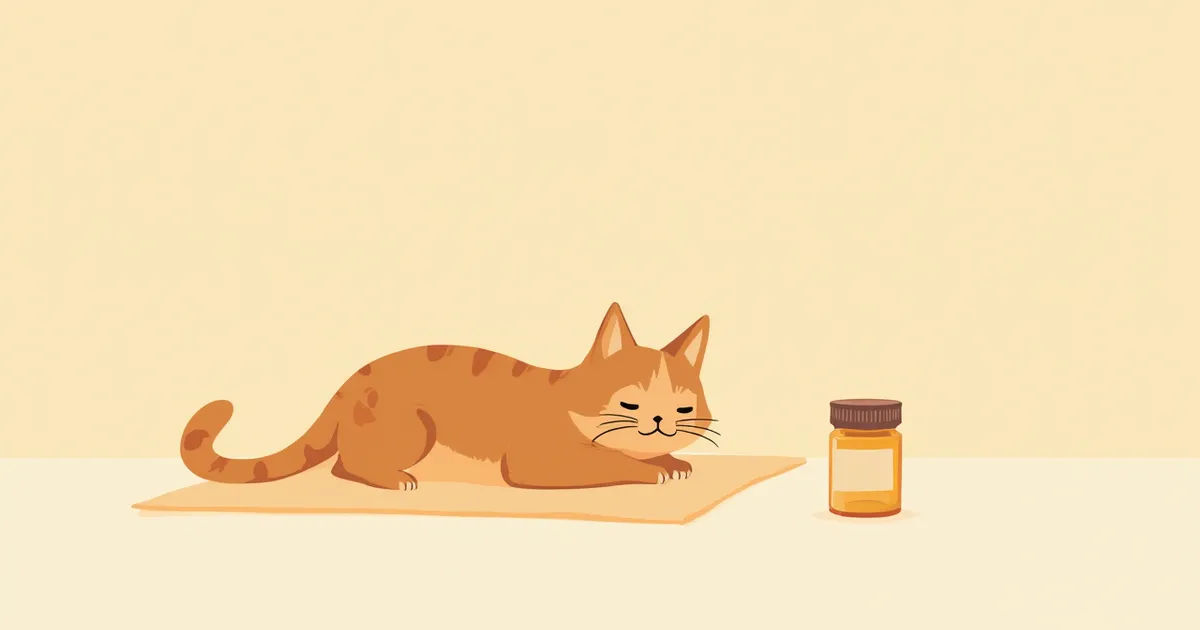
Complete Guide to the Safe Use of NSAIDs in Cats — Key Points for Pet Owners
Cats have a very limited ability to metabolize NSAIDs, so giving them these medications without veterinary guidance can lead to kidney and gastrointestinal damage. We’ve outlined the proper use of veterinarian-prescribed medications and a list of drugs that are strictly prohibited for cats.
What Are Feline NSAIDs?

Why Are Cats More Vulnerable to NSAIDs?
Safety Overview of NSAIDs for Cats at a Glance
| Item | Meloxicam | Carprofen | Ibuprofen | Aspirin |
|---|---|---|---|---|
| Whether it can be used in cats | Short-term use possible with veterinary prescription | Single-dose use only under veterinary judgment (repeated use not recommended) | ❌ Absolutely prohibited | ❌ Prohibited in principle (only exceptions under veterinary management, e.g., antithrombotic purposes) |
| Major risks | Acute kidney failure and death with repeated/long-term use (black box warning) | Gastrointestinal and kidney damage with repeated use | Acute kidney failure, gastrointestinal ulcer/bleeding, death | Toxic accumulation and gastrointestinal bleeding due to slow metabolism |
| Risk level at small doses | Low (within an appropriate prescribed dose) | Moderate | Very high | High |
No pain reliever should be given to a cat without a veterinarian's prescription.
How to Properly Use Veterinarian-Prescribed NSAIDs
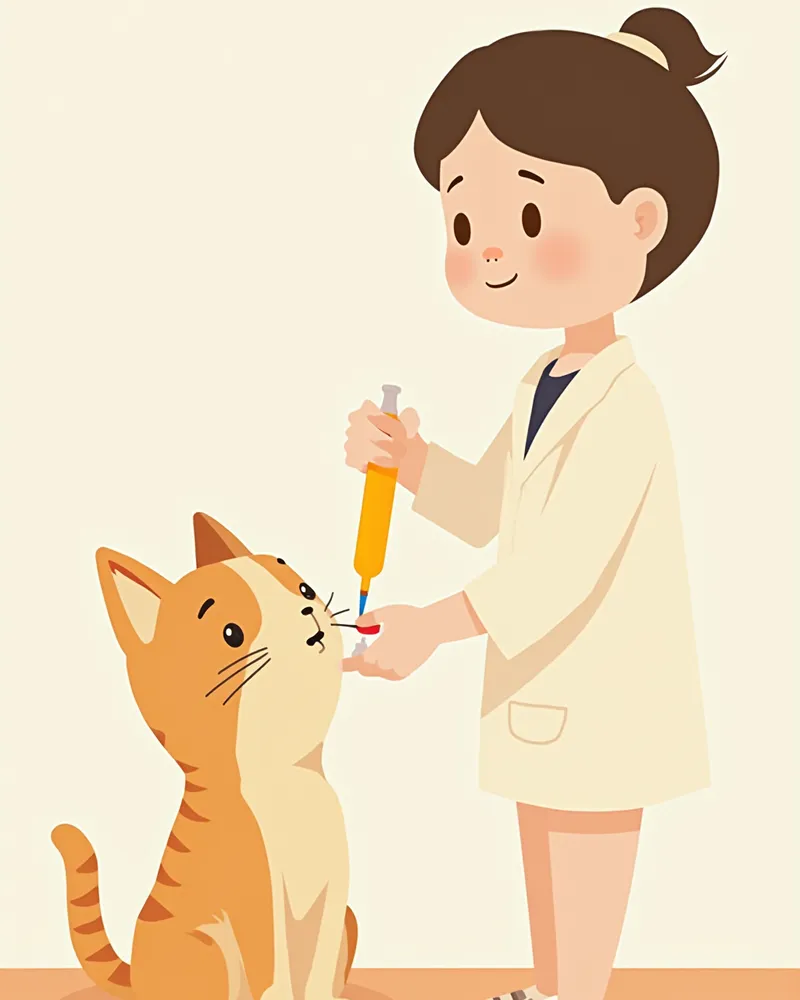
List of Medications That Should Never Be Given to Cats
Even small amounts of ibuprofen (such as Advil), naproxen, or aspirin can cause kidney failure, gastrointestinal bleeding, and death in cats. Carprofen, which is formulated for dogs, should also never be given to cats. Under no circumstances should you give your cat leftover human medications or pain relievers obtained without veterinary guidance.
NSAID Side Effects — Don’t Miss These Signs
Seek Emergency Veterinary Care Immediately for These Symptoms
Seek emergency veterinary care immediately if you notice blood in your pet’s vomit or diarrhea, if they refuse to eat for more than 12 hours, if they stop urinating entirely, or if they suddenly collapse or have seizures. It is highly beneficial for treatment to bring a written record of the medication’s name, dosage, and the time it was administered.
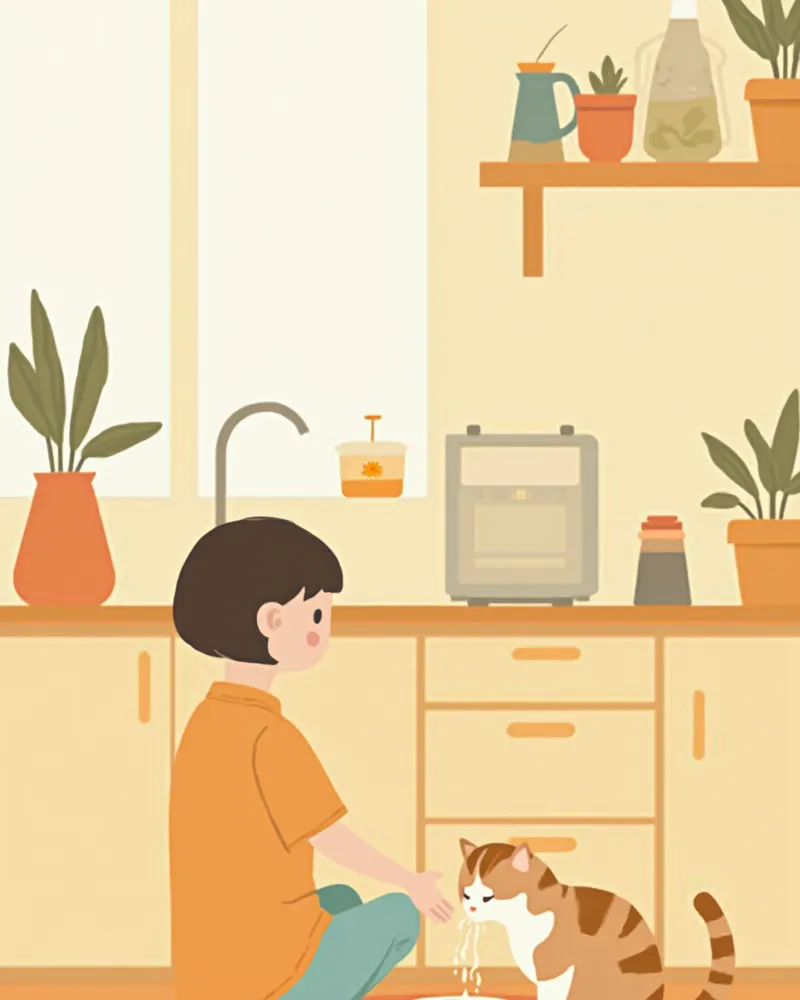
Home Monitoring During Medication
Reviewed by a veterinarian

Dr. Tony — Punnawat Phongkittirak
VeterinarianA veterinarian who majored in veterinary medicine at Khon Kaen University, Thailand, and completed the IVSA program at North Carolina State University in the United States. Drawing on clinical experience at animal hospitals, he works in the pet healthcare field and is dedicated to building a digital care environment that connects pet parents with veterinarians.
Reviewed 2026-05-28
Frequently Asked Questions
Can I give Tylenol (acetaminophen) to my cat?
How long can I safely give my pet meloxicam as prescribed by the vet?
Are there any alternatives to painkillers for cats with arthritis?
My cat accidentally ingested a human painkiller. What should I do?
What’s the first thing a cat owner should do to support their cat’s joint health?
Share
Related Guides

Top 5 Patellar Support Braces for Dogs — Stage-by-Stage Size Guide
Curcumin Efficacy and Anti-inflammatory/Joint Support
Top 5 Recommended Joint Supplements for Dogs in 2026
How to Administer Insulin Injections to Cats — How to Adjust the Dosage

My Cat Keeps Collapsing — Is It a Sign of Hypoglycemia? Causes and Emergency Response
What Is Feline Hypocalcemia — Emergency Signs You Shouldn’t Miss

If Your Cat Is Constantly Losing Weight — Symptoms and Diagnosis of Hyperthyroidism
Feline Hypercalcemia FAQ — Key Information Every Pet Owner Should Know

What is a cat blood glucose curve monitoring? How to measure and interpret it at home

Frequently Asked Questions on Dietary Management for Feline Diabetes — Key Points Every Pet Owner Should Know
References
[1] Means C, et al. Blackwell's Five-Minute Veterinary Consult Clinical Companion: Small Animal Toxicology, 3rd Edition. Wiley-Blackwell, 2019.
[2] Enberg TB, Braun LD, Kuzme AB. Gastrointestinal perforation in five dogs associated with the administration of meloxicam. J Vet Emerg Crit Care. 2006;16(1):34–43.
[3] Lascelles BD, Blikslager AT, Fox SM, Reece D. Gastrointestinal tract perforation in dogs treated with a selective cyclooxygenase-2 inhibitor: 29 cases (2002–2003). J Am Vet Med Assoc. 2005.
[4] Papich MG. Handbook of Veterinary Pharmacology, 2nd Edition. Saunders/Elsevier, 2011.
[5] Schaer M. Clinical Medicine of the Dog and Cat, 4th Edition. CRC Press, 2022.