
Causes and Management of Macular and Retinal Degeneration
Retinal degeneration is a progressive eye disease that gradually leads to vision loss. We’ve outlined the causes, symptoms, early detection methods, and key care points from a pet owner’s perspective.
What is Retinal Degeneration?
What Causes It?
Comparison of Main Types of Retinal Degeneration
| Item | Progressive Retinal Atrophy | Sudden Acquired Retinal Degeneration (SARDS) | Age-related retinal degeneration |
|---|---|---|---|
| Rate of onset | Months to years | Days to weeks | Years |
| Main target | Specific breeds (hereditary) | Dogs (regardless of breed) | Older animals in general |
| Vision loss | Gradual complete blindness | Sudden complete blindness | Gradual decline |
| Cause | Hereditary | Unknown | Aging |
| Treatment | None (management-focused) | None | Supportive management |
Actual differentiation is performed with fundus examination and electroretinography (ERG).
Suspect It If You Notice These Behaviors
When Immediate Veterinary Ophthalmic Care Is Needed
If your pet suddenly loses vision in both eyes within a few days, if both pupils are widely dilated and unresponsive to light, or if the eyes appear cloudy with redness and pain, emergency veterinary ophthalmic care is required. In particular, sudden acquired retinal degenerative syndrome (SARDS) can lead to complete blindness within days, making prompt diagnosis critical. If glaucoma or retinal detachment is present, even remaining vision may be lost.
How Is It Diagnosed?
Are There Treatment and Management Options?
How to Help Your Pet at Home as Vision Declines
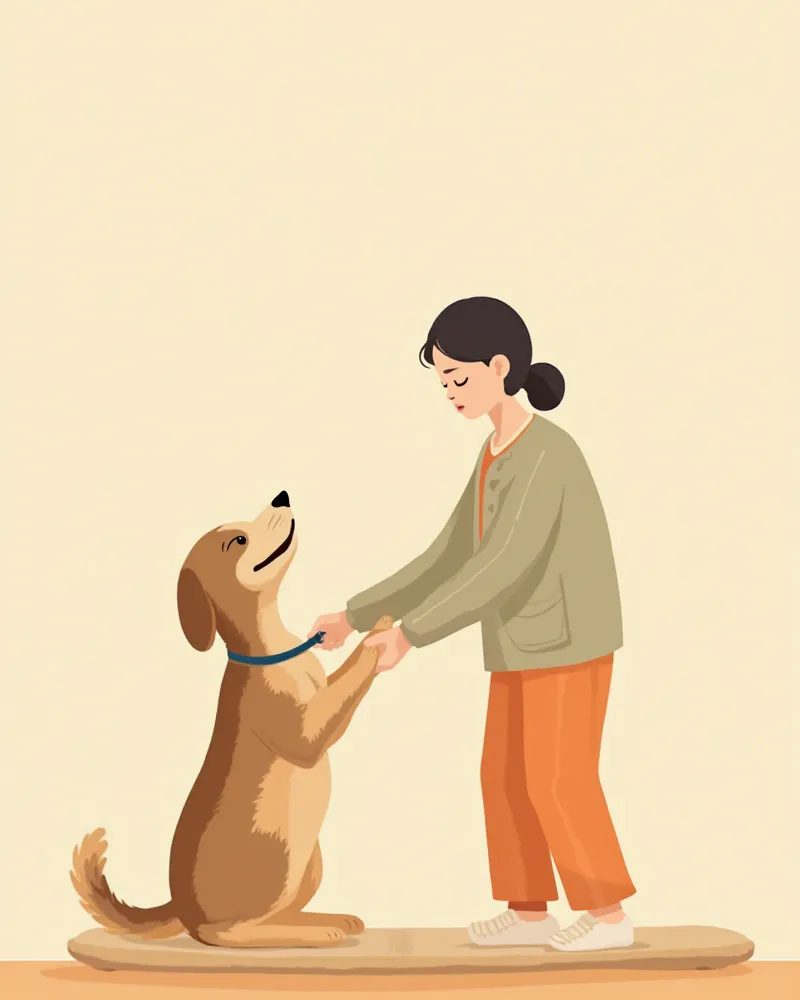
Pay Extra Attention to These Breeds
Hereditary retinal degeneration is commonly reported in many dog breeds, including Miniature Schnauzers, Labrador Retrievers, Golden Retrievers, Irish Setters, Dachshunds, and Collies, and the number of breeds known to be affected continues to grow. Some cat breeds can also develop hereditary retinal degeneration. The age of onset for hereditary retinal atrophy varies significantly depending on its form. Early-onset cases show symptoms as early as 6 weeks to 6 months of age, potentially leading to blindness by 1 to 5 years of age, while late-onset cases typically begin showing symptoms around 3 to 5 years of age, often resulting in complete blindness by 6 to 8 years. Therefore, for high-risk breeds, it is important to begin specialized ophthalmic examinations early in life, tailored to the breed and specific form of the disease, and genetic testing before breeding can help reduce the spread of the condition.
Reviewed by a veterinarian

Dr. Tony — Punnawat Phongkittirak
VeterinarianA veterinarian who majored in veterinary medicine at Khon Kaen University, Thailand, and completed the IVSA program at North Carolina State University in the United States. Drawing on clinical experience at animal hospitals, he works in the pet healthcare field and is dedicated to building a digital care environment that connects pet parents with veterinarians.
Reviewed 2026-04-23
Frequently Asked Questions
Is retinal degeneration curable?
Can a blind pet still live a happy life?
Do lutein and other supplements really work?
If my pet only has night blindness, should I take them to the vet right away?
Can hereditary retinal degeneration be prevented?
Share
Related Guides
Top 5 Dog Tear Supplements Recommended for 2026
What is Lutein? Effects on Dog Eye Health

The Best Canine Uveitis Management Products and Selection Criteria: A Comprehensive Guide

How is a Dog’s Vasectomy Different from Neutering? — A Guide to Hormonal, Reproductive, and Health Differences
Penile Amputation (for Urinary Tract Obstruction)
Anal Sac Excision Procedure

Complete Guide to Urethrotomy Surgery in Dogs
What is ORIF for Dog Fractures? — From Surgery to Recovery
How is cruciate ligament suture surgery performed?
What is femoral head ostectomy (FHO)?
References
[1] Maggs DJ, Miller PE, Ofri R. Slatter's Fundamentals of Veterinary Ophthalmology, 6th Ed, Chapter 17: Retina
[2] Gelatt KN. Veterinary Ophthalmology, 6th Ed, Chapter: The Retinal Atrophies (RAs)
[3] Clinical Atlas of Canine and Feline Ophthalmic Disease, 2nd Ed, Chapter 135: The Retinal Atrophies
[4] Ettinger SJ, Feldman EC, Côté E. Textbook of Veterinary Internal Medicine, 8th Ed