

Canine Hydronephrosis FAQ — Key Information Every Owner Must Know
Canine hydronephrosis is a condition in which urine accumulates in the kidneys, causing them to swell. Early detection and treatment are crucial.
What is Canine Hydronephrosis?
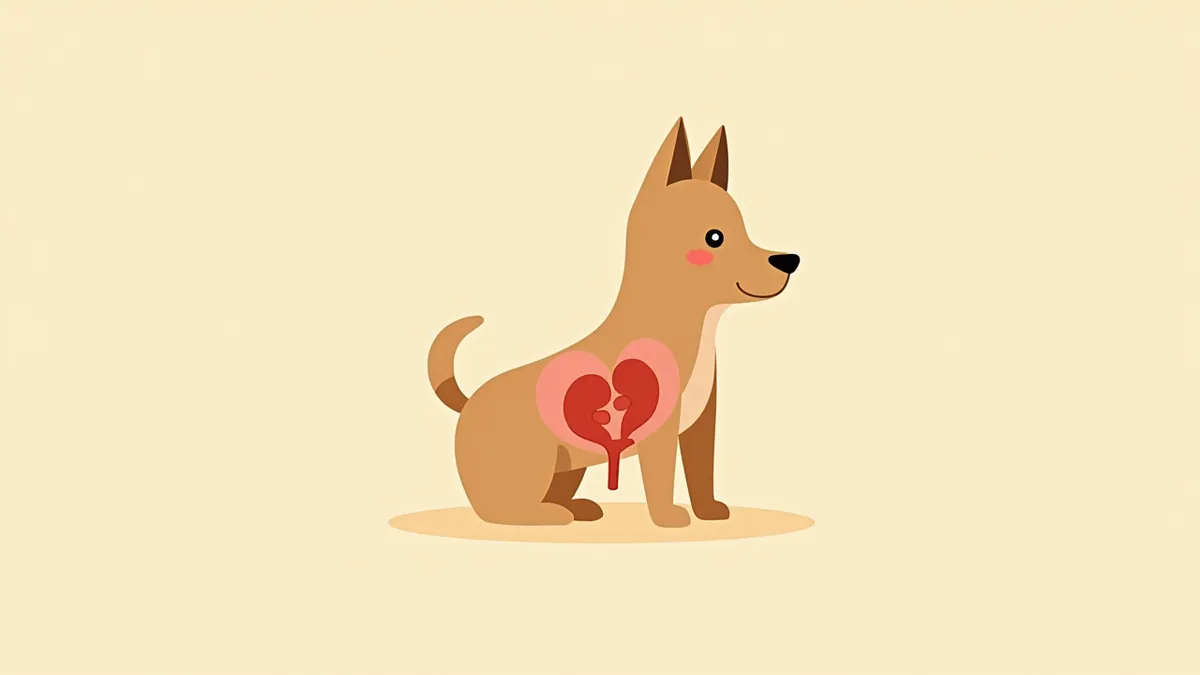
What are the Main Causes of Hydronephrosis?
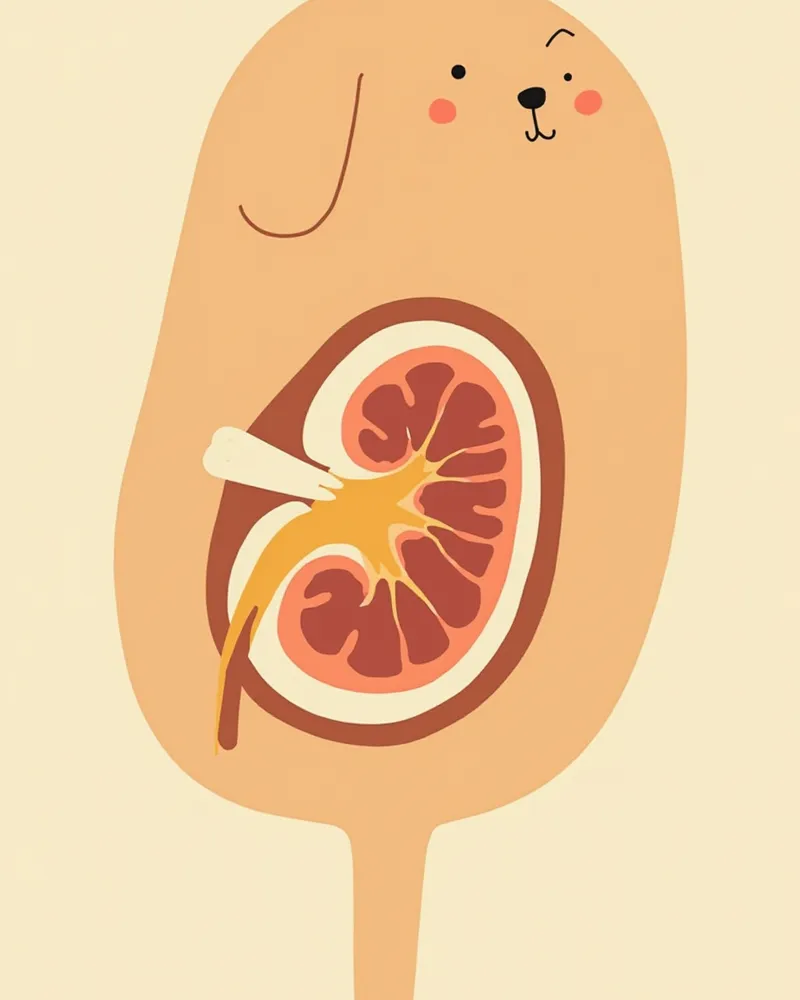
What are the Main Symptoms of Hydronephrosis?

Signs Requiring Immediate Veterinary Visit
If your dog is unable to urinate at all, experiences sudden severe vomiting, has a severely distended abdomen, or becomes lethargic, immediate veterinary care is necessary. These symptoms may indicate that hydronephrosis has progressed significantly and could lead to kidney damage or a deterioration of overall health. Early treatment increases the chances of preventing complications and promoting recovery.
Stage-by-Stage Symptoms of Hydronephrosis and How to Respond
| Item | Main Symptoms | Response Measures |
|---|---|---|
| Mild | Slight decrease in appetite, drowsiness, weight loss | Consult a veterinarian immediately, schedule an emergency examination |
| Moderate | Abdominal swelling, difficulty urinating, frequent urination, vomiting | Perform ultrasound examination, blood and urine tests |
| Severe | Inability to urinate, severe pain, lethargy, anemia | Emergency procedure, urine drainage, antibiotics and fluid supplementation |
Early diagnosis and appropriate response are important for preventing complications and increasing the treatment success rate.
What Tests Are Needed for an Accurate Diagnosis?
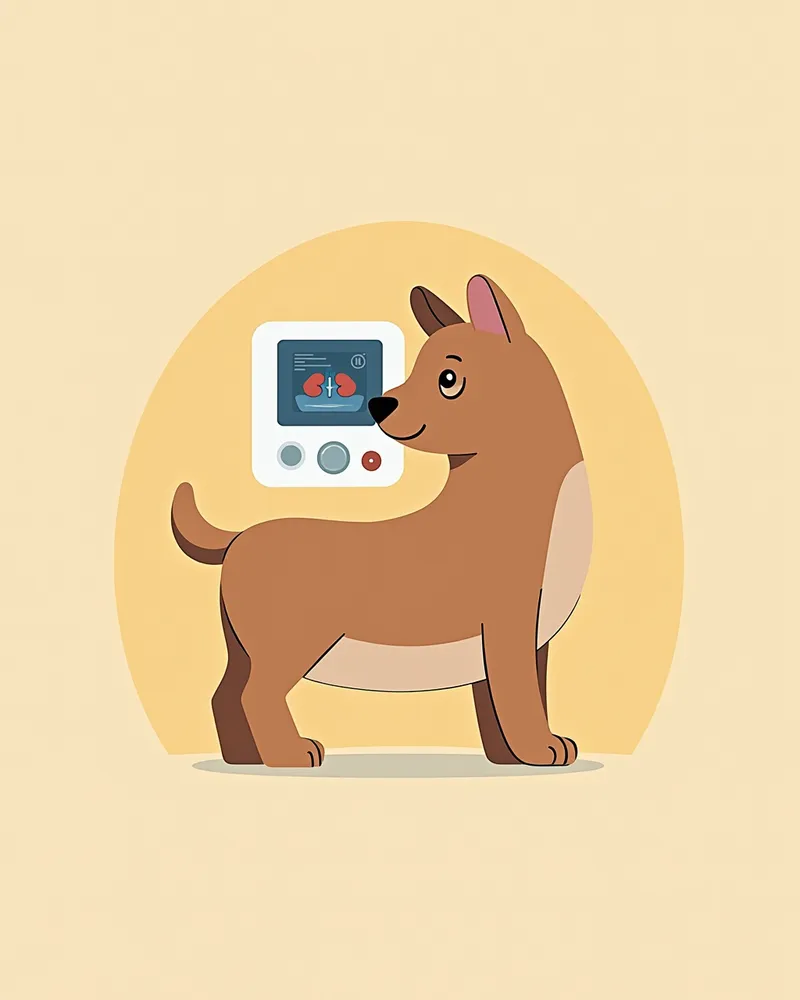
What Are the Treatment Options?

Key Points for Home Care
Reviewed by a veterinarian

Dr. Tony — Punnawat Phongkittirak
VeterinarianA veterinarian who majored in veterinary medicine at Khon Kaen University, Thailand, and completed the IVSA program at North Carolina State University in the United States. Drawing on clinical experience at animal hospitals, he works in the pet healthcare field and is dedicated to building a digital care environment that connects pet parents with veterinarians.
Reviewed 2026-06-29
Frequently Asked Questions
Can a puppy’s hydronephrosis be treated?
Which dogs are more prone to developing obesity?
Can hydrocephalus be completely cured?
How can I prevent hydronephrosis in my pet?
What tests does a veterinarian perform when hydrocephalus is suspected?
Share
Related Guides

Top 5 Prescription Diets for Feline FLUTD — Comparison by Struvite and Calcium Oxalate Stones

Top 7 Prescription Diets for Feline Bladder and Urinary Tract Health Recommended by Veterinarians — Including Selection Criteria

Top 5 Cranberry Urinary Supplements for Dogs — Preventing Cystitis

Kitten Adoption First-Week Adaptation Guide

How to Find a 24-Hour Animal Hospital and Use Emergency Care

What to Prepare for Adopting a Stray Cat — From Pre-Adoption Preparations to New Home Adjustment

Symptoms and Treatment of Canine Fungal Dermatitis

What is Grain-Free Food? Pros, Cons, and Selection Criteria

Cat Dental Scaling: Costs, Procedures, and Precautions Overview

Causes and Treatment of Feline Stomatitis
References
[1] Plumb's Veterinary Drug Handbook, 9th Edition. Wiley-Blackwell, 2021.
[2] Feldman, B. F., & Nelson, R. W. (2013). Canine and Feline Nephrology and Urology. Elsevier Health Sciences.
[3] BSAVA Manual of Canine and Feline Dermatology, 4th Edition. BSAVA Publications, 2018.