Like
Share
멍실장
강아지 노령견 건강검진 항목 자주 묻는 질문 Q&A — 보호자가 꼭 알아야 할 핵심

Senior Dog Health Checkup Items: Frequently Asked Questions — Key Points Every Owner Should Know

Lifestyle & Age CareQ&AMeongsiljang Veterinary Advisory Board

Health checkups for senior dogs are essential for early disease detection and improving their quality of life. Here’s a summary of key questions and answers that every pet owner should know.

Senior Dog Health Checkup Items Are Key to Protecting the Health of Both Owner and Dog
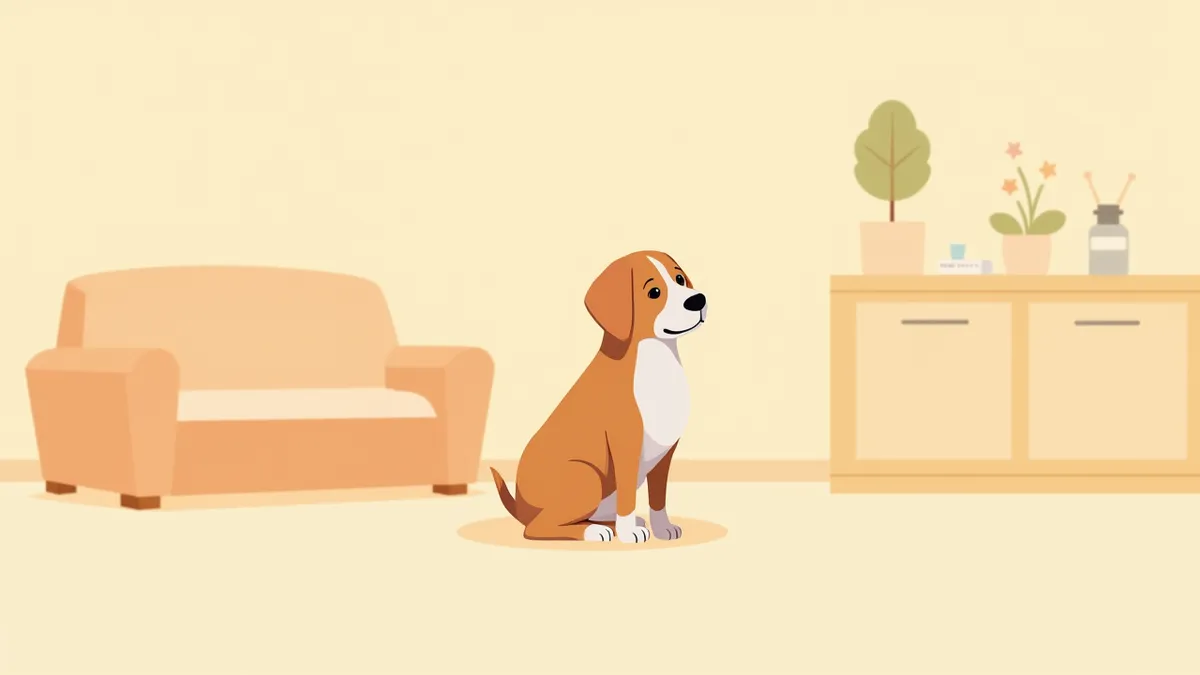
An elderly dog sitting quietly in the veterinary clinic waiting room
Health checkups for senior dogs are essential for the early detection and preventive management of chronic diseases. The definition of "senior" varies by size, but we generally consider dogs around seven years of age to be entering their senior years and recommend regular checkups from this point onward. The frequency of these exams can be adjusted based on your dog's individual health status. To accurately assess functional changes in major organs—particularly the heart, kidneys, liver, and endocrine system—a comprehensive evaluation that integrates multiple tests is necessary, rather than relying on a single examination.

The Core of Senior Dog Health Checkups Is Blood and Urine Tests

While blood and urine tests are the cornerstone of health screenings for senior dogs, a comprehensive approach incorporating multiple diagnostic tools is essential for early disease detection. Blood work evaluates liver and kidney function, checks for anemia, and measures inflammation markers, while urinalysis screens for protein in the urine, diabetes, and urinary tract infections. Performing these tests together helps catch early warning signs of disease, and any abnormal findings should prompt further evaluation.
A veterinarian handling blood samples and urine test strips.

Carefully Review the Main Checkup Items
Senior dog health checkups include a variety of tests. Here are the key items owners should be sure to review:
Blood tests: Assess electrolytes, liver function, kidney function, and hemoglobin levels.
Urinalysis: Check for protein in the urine, diabetes, and urinary tract infections.
Cardiac evaluation: Use electrocardiograms (ECG) or imaging studies to assess heart structure and function.
Blood pressure measurement: Screen for hypertension.
Thyroid testing: Evaluate for thyroid dysfunction.
X-rays: Examine the lungs, bones, and joints.
The specific checkup plan is tailored to each dog’s individual health status and living environment. Early detection can have a positive impact on treatment outcomes and quality of life.
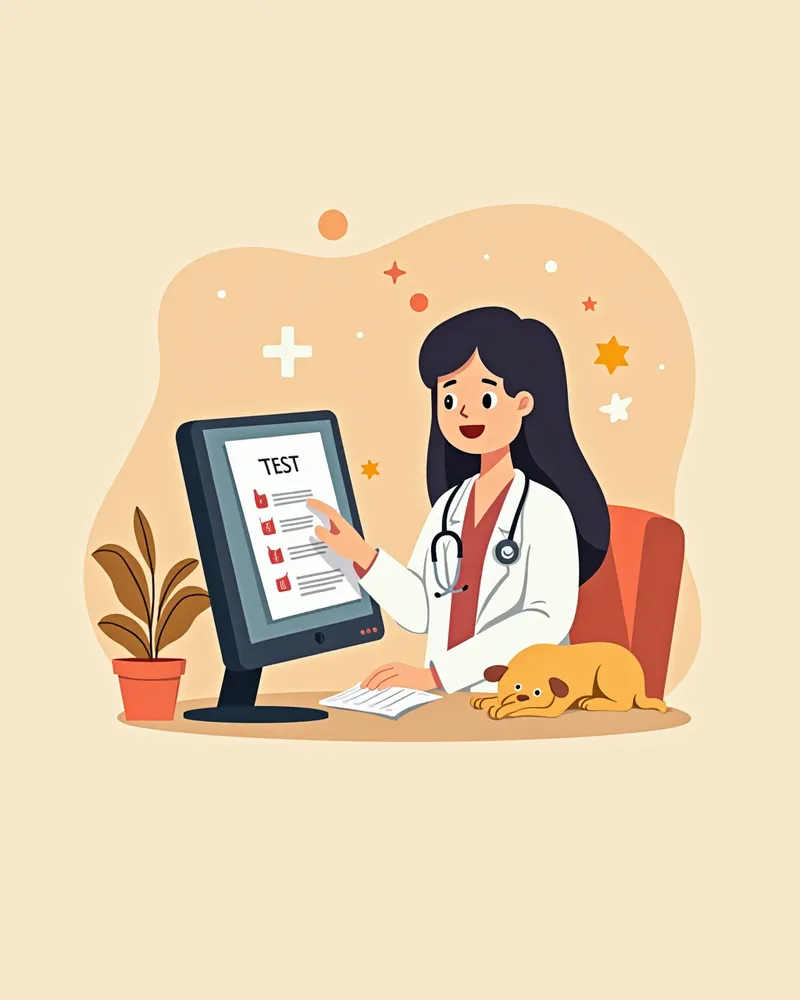
A veterinarian analyzing blood test results on a computer screen

If Checkup Results Are Abnormal, an Immediate Hospital Visit Is Necessary
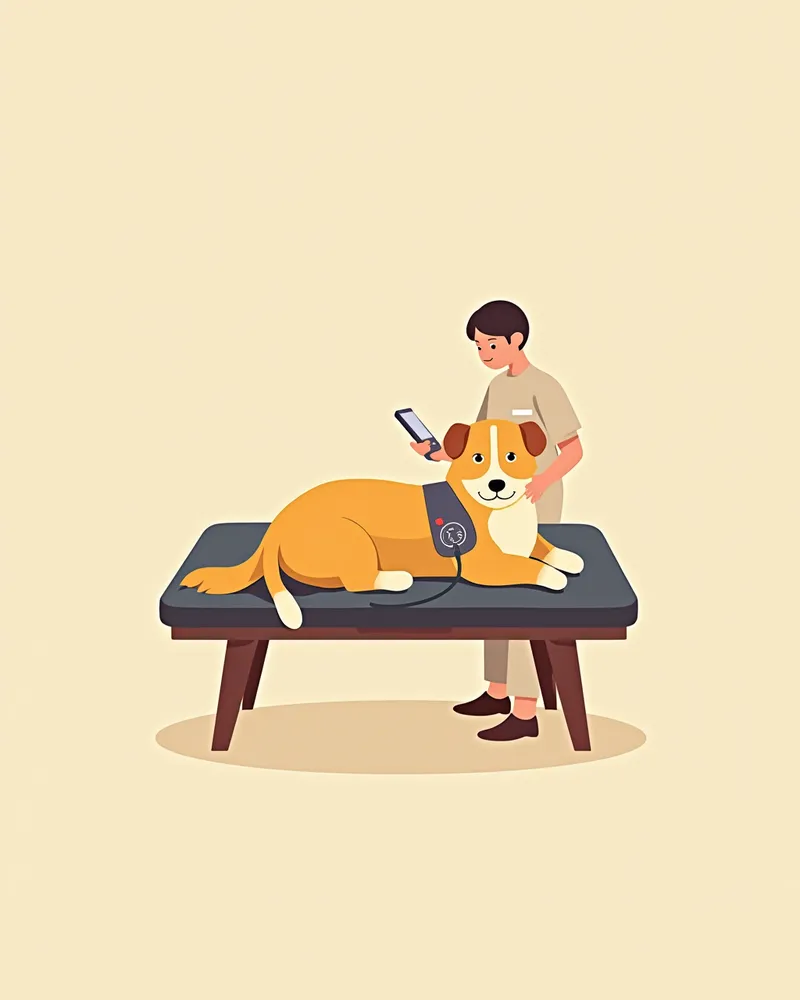
If abnormalities are found during a senior dog’s health checkup, an immediate visit to the hospital isn’t always necessary. In most cases, the cause is identified and a treatment plan is developed through further evaluation and follow-up tests. While early detection of conditions such as decreased kidney function, liver dysfunction, and high blood pressure improves treatment success rates, it’s important to consult with your veterinarian and follow their guidance rather than rushing to a specialized hospital right away.
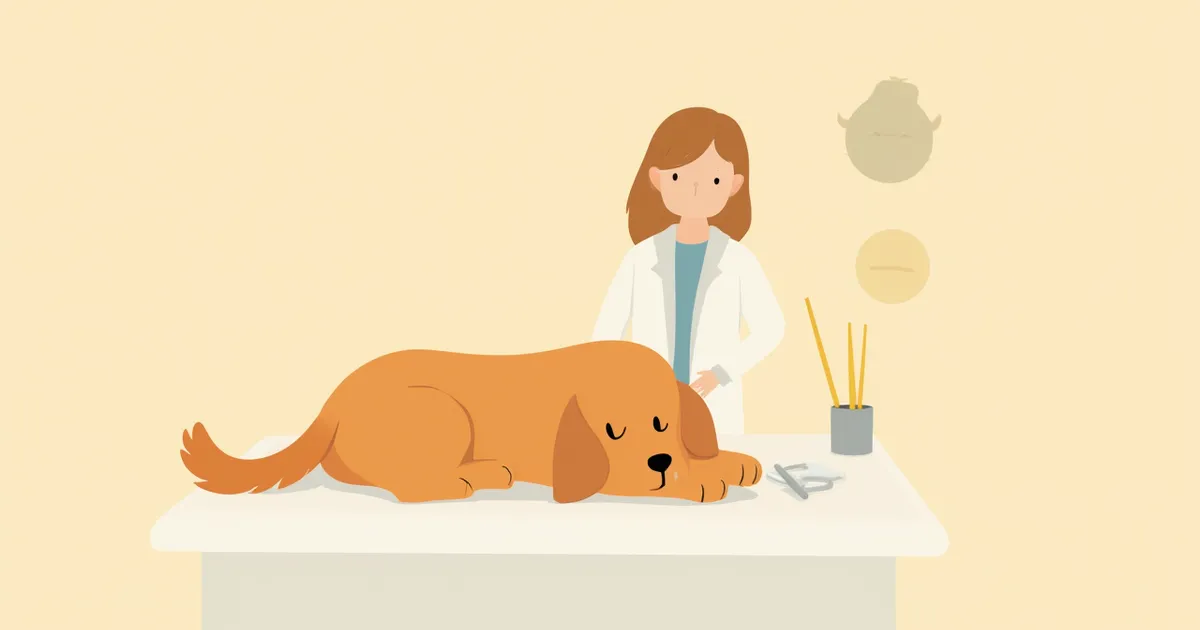
An elderly dog lying on the examination table while a veterinarian measures its blood pressure.

If Checkup Results Are Abnormal, a Hospital Visit Within 72 Hours Is Recommended

If a senior dog’s health checkup reveals issues such as decreased kidney function, abnormal liver function, or high blood pressure, the first step is to have a veterinarian evaluate the results and develop a plan for additional testing or treatment. There is no strict, universal rule like “visit within 72 hours”; instead, follow-up monitoring or immediate intervention is determined based on the dog’s specific condition. Early management helps slow disease progression and maintain quality of life, but it’s important to tailor the approach to each individual dog.

Post-Checkup Management and Lifestyle Improvements Are Important
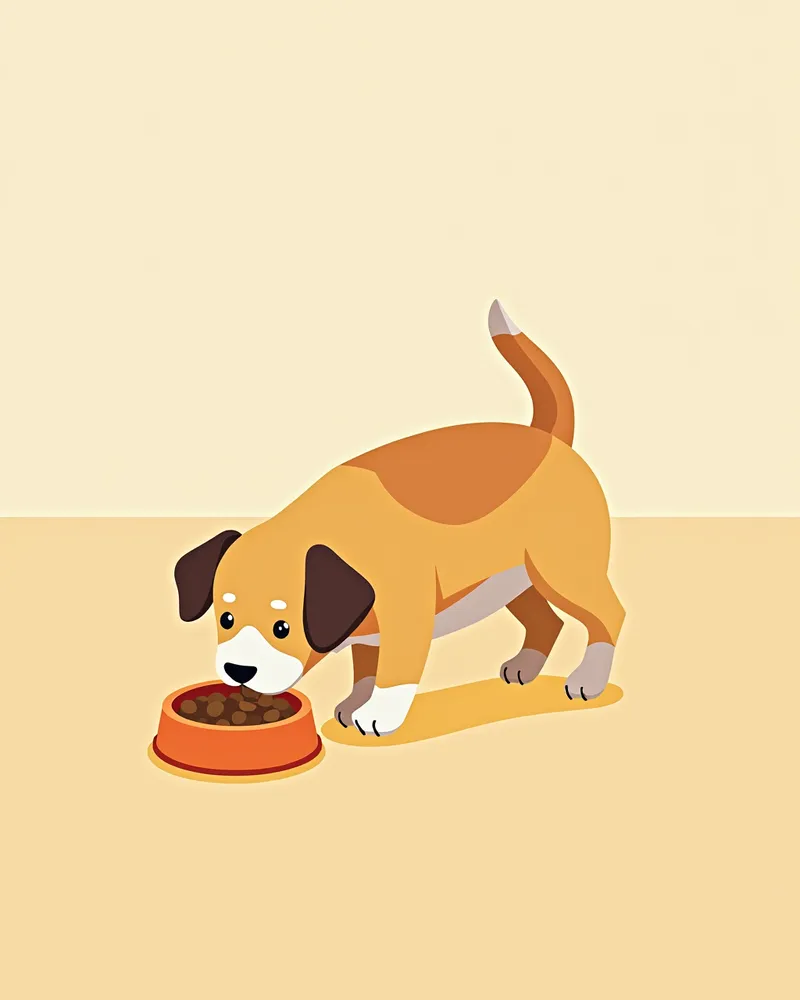
Based on the results of your senior dog’s health checkup, we should establish a tailored care plan. - Dietary Management: If kidney function is declining, a diet with adjusted protein levels may be beneficial. - Exercise Moderation: Excessive exercise can place undue strain on the body, so maintaining an appropriate walking routine is essential. - Medication: Depending on conditions such as hypertension or diabetes, medication may be necessary. - Regular Follow-ups: Monitor your pet’s condition through follow-up examinations at the intervals recommended by your veterinarian. - Environmental Stability: Minimize stress by reducing noise and limiting changes in the environment. Consistent care is a natural extension of the health checkup.
An elderly dog eating specialized food

Frequency and Timing of Senior Dog Health Checkup Items

For senior dogs, health check-ups are recommended at least once a year as they enter their senior stage. However, the specific frequency of check-ups may be adjusted based on the dog's health status, medical history, and whether they are taking any medications. Dogs that are older or have underlying conditions may require more frequent check-ups, but there is no one-size-fits-all schedule that applies to all dogs. It is best to consult with a veterinarian to determine an individualized plan. - Adjusting Check-up Timing: If your dog has a recent medical history or is currently on medication, additional evaluations may be needed beyond regular check-ups. - Importance of Early Detection: Identifying issues before a disease progresses can improve treatment outcomes. - Ongoing Care: A check-up is not a one-time event but the beginning of continuous health management. - Personalized Approach: Adjust the check-up plan according to your dog’s condition and living environment. Early prevention plays a crucial role in maintaining quality of life.
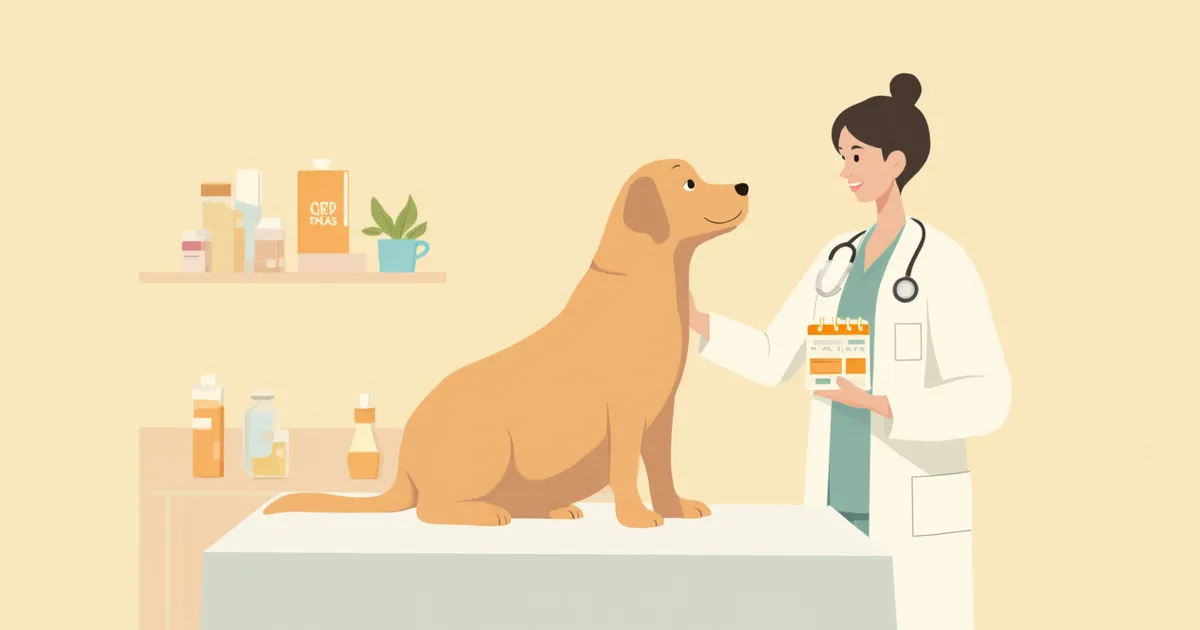
Marking the calendar for senior dog check-ups

Comparison Table of Senior Dog Health Checkup Items

ItemTest PurposeMain Findings Checked
Blood TestAssessment of overall health statusLiver function, kidney function, hemoglobin, electrolyte levels, inflammatory markers, etc.
UrinalysisCheck kidney function and presence of infectionProteinuria, glucosuria, presence of white blood cells, urine volume and concentration, etc.
Cardiac ExaminationAssessment of cardiac structure and functionCheck heart size, heartbeat, valve condition, etc. via electrocardiogram and imaging tests
Blood Pressure MeasurementCheck for hypertensionTrack the risk of organ damage due to hypertension
Thyroid TestIdentify thyroid function abnormalitiesPresence of hyperthyroidism or hypothyroidism

Each test helps comprehensively evaluate the health status of senior dogs. Examinations are adjusted according to each individual's condition, and abnormal findings require diagnosis through additional evaluation.

Reviewed by a veterinarian

Dr. Tony — Punnawat Phongkittirak

Dr. Tony — Punnawat Phongkittirak

Veterinarian

A veterinarian who majored in veterinary medicine at Khon Kaen University, Thailand, and completed the IVSA program at North Carolina State University in the United States. Drawing on clinical experience at animal hospitals, he works in the pet healthcare field and is dedicated to building a digital care environment that connects pet parents with veterinarians.

Frequently Asked Questions

How often should senior dogs undergo health check-ups?
For dogs aged seven and older, we recommend at least one annual wellness exam, though the frequency may be adjusted based on your pet’s health. Older dogs or those with underlying conditions may benefit from more frequent check-ups, but since every dog is different, it’s important to consult your veterinarian to determine the best schedule for your pet.
What tests are included in a senior dog’s health checkup?
Key components of the checkup include blood tests, urinalysis, cardiac evaluation, blood pressure measurement, thyroid testing, and X-rays, though additional tests may be included as needed. The specific screening items are customized based on your dog’s individual health status.
What should I do if the check-up results are abnormal?
An immediate visit to the clinic is not required, but further evaluation or follow-up testing may be necessary after consulting with your veterinarian. Abnormal findings do not necessarily mean immediate treatment is needed; a comprehensive assessment is required.
Are senior dog health checkups expensive?
Checkup costs vary depending on the specific tests and the clinic. However, early detection of diseases can help slow their progression, ultimately reducing the long-term burden of treatment.
What problems can arise if you skip a senior dog health checkup?
If diseases are not detected early, they can worsen, leading to a decline in quality of life and making treatment more difficult. Regular check-ups are essential for continuously managing the health of senior dogs.

Share

Related Guides

References

[1] American Veterinary Medical Association. (2023). Guidelines for Senior Dog Wellness Examinations. AVMA Publications.

[2] Hoskins, J.D. et al. (2022). Early Detection of Canine Chronic Kidney Disease in Senior Dogs. Journal of Veterinary Internal Medicine, 36(4), 1234–1245.

[3] Veterinary Information Network (VIN). (2023). Senior Dog Bloodwork: What to Expect and Why It Matters. VIN Clinical Update.

This information is based on veterinary literature and does not replace diagnosis or treatment. Please consult a veterinarian for specific health concerns.

Metapet Co., Ltd. | CEO: Park Sung-yong | Business Reg. No. 417-88-02562 | Seoul, South Korea | Customer Center

Senior Dog Health Checkup: 5 Essential Items & FAQs | Meongsiljang