Like
Share
멍실장
강아지 여름 더위 관리·열사병 예방 자주 묻는 질문 Q&A — 보호자가 꼭 알아야 할 핵심

Essential Q&A on Managing Summer Heat and Preventing Heatstroke in Dogs — Key Information Every Pet Owner Should Know

Lifestyle & Age CareQ&AMeongsiljang Veterinary Advisory Board

We’ve compiled the essential Q&A on how to prevent heatstroke in dogs during summer and what to do in an emergency—information every pet owner should know.

Managing Summer Heat and Preventing Heatstroke in Dogs is Essential
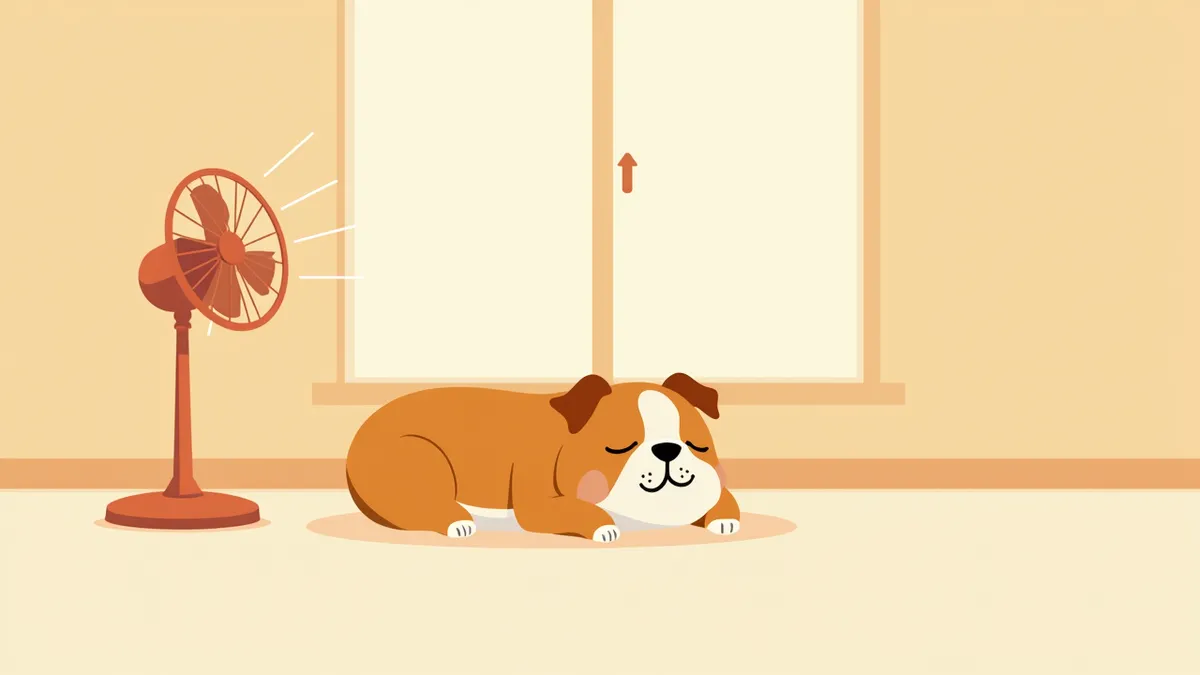
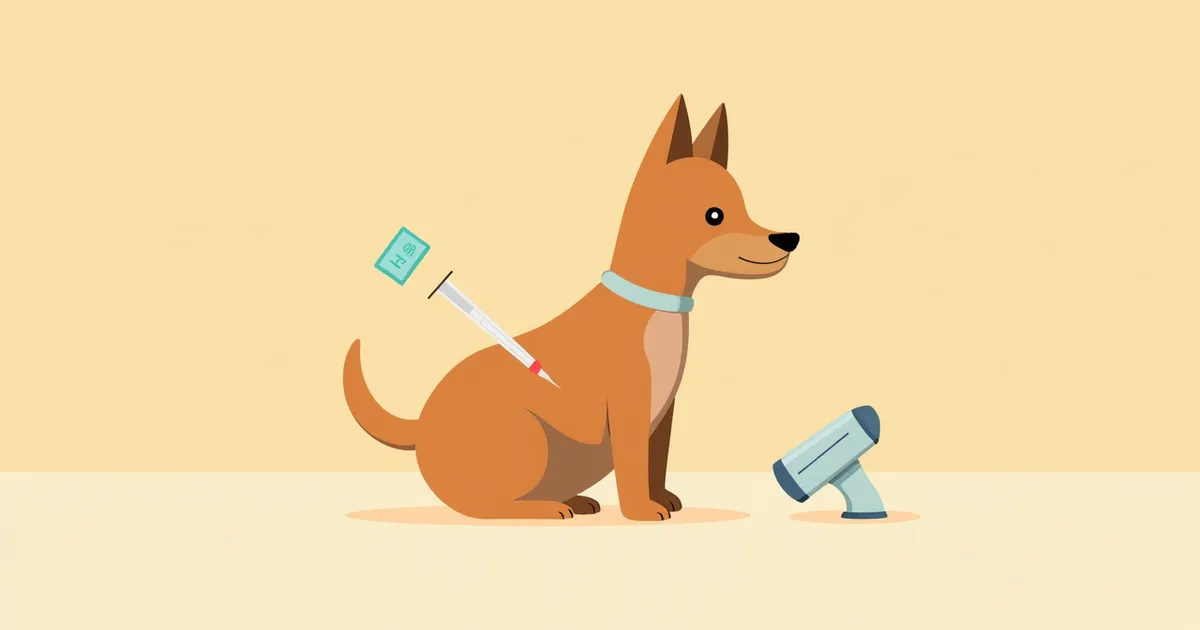
A bulldog, which is vulnerable to heat, resting comfortably indoors.
Managing your dog’s comfort in the summer heat is key to preventing heatstroke. Dogs that struggle to regulate their body temperature can quickly develop hyperthermia in hot weather. Brachycephalic breeds and overweight dogs are especially at risk because they have difficulty dissipating heat. - Control indoor temperature: Use air conditioning or fans to keep indoor temperatures between 24–26°C. - Provide fresh water: Always ensure access to clean water, and refresh the water bowl at least two to three times daily. - Adjust walk times: Keep walks short and brisk, scheduling them before 7 a.m. or after 7 p.m. - Never leave dogs in cars: Under no circumstances should you leave your dog unattended in a vehicle. - Prepare for emergencies: Keep cooling wipes or cold towels on hand in case of heatstroke. These measures can be life-saving.

Why Does Heatstroke Occur?

A dog’s normal body temperature ranges from 38 to 39°C. When the body temperature rises above 41°C, there is a risk of heatstroke. This risk is particularly high after prolonged exposure to hot environments or following intense exercise that causes a rapid spike in body temperature. - Brachycephalic breeds: Dogs with short snouts have difficulty breathing and regulating their body temperature, making them more vulnerable. - Obesity: Excess fat retains heat, causing body temperature to rise more quickly and increasing the risk. - During exercise: Since dogs cannot sweat effectively, their body temperature can spike rapidly during physical activity, posing a danger. - Left alone in a car: The interior temperature of a car can exceed 60°C within just 10 minutes when exposed to sunlight, creating an immediate threat. Preventing such situations is crucial.
A bulldog, vulnerable to heat, catching its breath.

What Are the Main Symptoms of Heatstroke?

The early signs of heatstroke in dogs include excessive panting and a rapid heartbeat. This may be followed by vomiting, diarrhea, decreased consciousness, muscle tremors, and low blood pressure. - Loss of consciousness: If your dog closes its eyes and becomes unresponsive, transport it to a veterinary clinic immediately. - Muscle tremors: Shaking or stiffness can indicate brain damage. - Temperature check: A body temperature above 41°C (105.8°F) is a critical emergency. If you observe these symptoms, an immediate vet visit is essential. Early detection and intervention significantly improve survival rates.
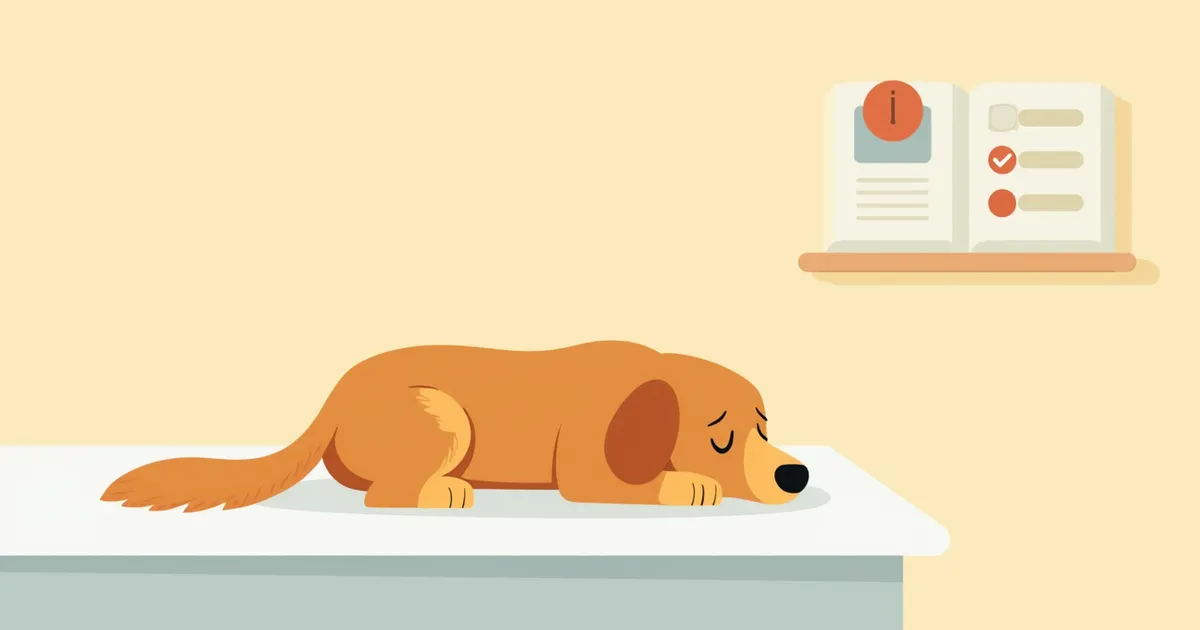
A puppy showing symptoms of heatstroke

Situations Requiring Immediate Veterinary Visit

If your dog loses consciousness, experiences muscle convulsions, or has a body temperature exceeding 40°C, you must seek immediate veterinary care. These are life-threatening emergencies. Even if you attempt cooling measures at home, professional veterinary treatment is essential.

Practical Methods for Preventing Heatstroke
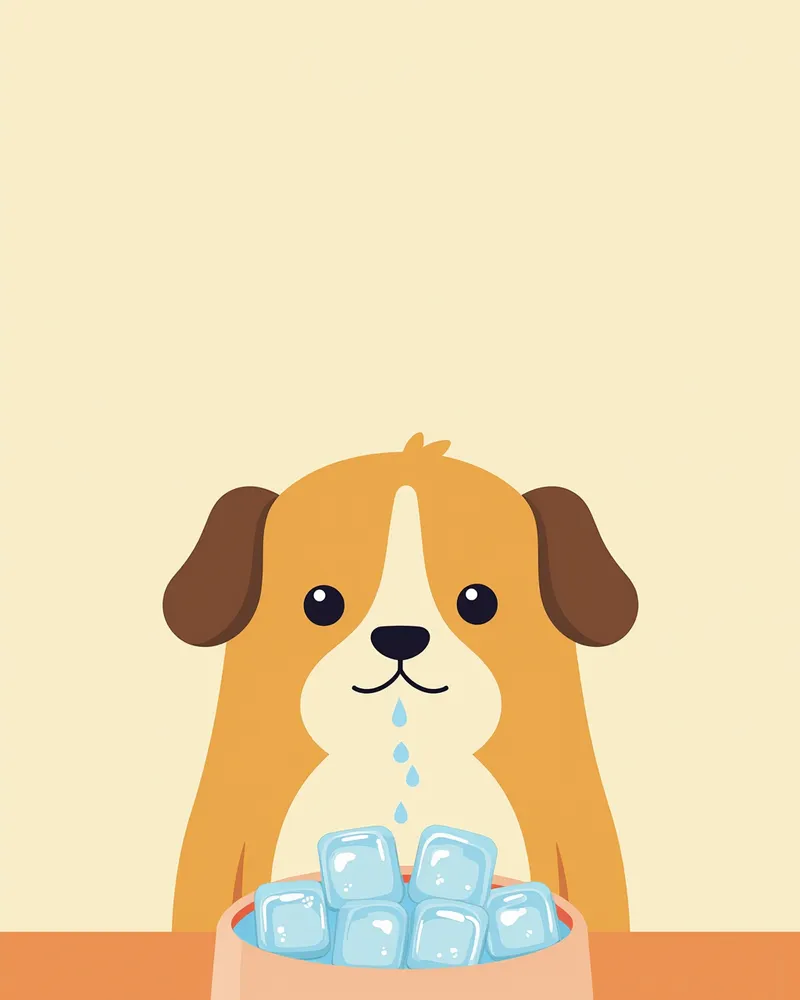
Preventing heatstroke in dogs during the summer starts with daily habits. - Indoor environment management: Use air conditioning or fans to keep indoor temperatures between 24–26°C. - Ensure water supply: Always provide fresh, clean water, and change the water in the bowl at least two to three times a day. - Adjust walking times: Take short, brisk walks before 7 a.m. or after 7 p.m. - Avoid direct sunlight: Walk in the shade and avoid outdoor activities during midday. - Never leave dogs in cars: Under no circumstances should you leave your dog in a car. - Weight management: Obesity increases the risk of heatstroke, so regular exercise and dietary control are essential.
A dog drinking water with ice in it

Comparison of Heatstroke Prevention Methods

ItemEffectivenessPrecautionsSuitability
Indoor Temperature ControlHighAvoid excessive cooling when using air conditioningModerate
Adequate Water SupplyVery highChange the water bowl at least 2–3 times a dayHigh
Walk Time AdjustmentHighRecommended before 7 AM or after 7 PMHigh
No Leaving in the CarVery highBody temperature rises sharply in less than 10 minutesHighest

When the sun shines on a car, the interior temperature can rise above 60°C in less than 10 minutes.

Emergency Response Measures
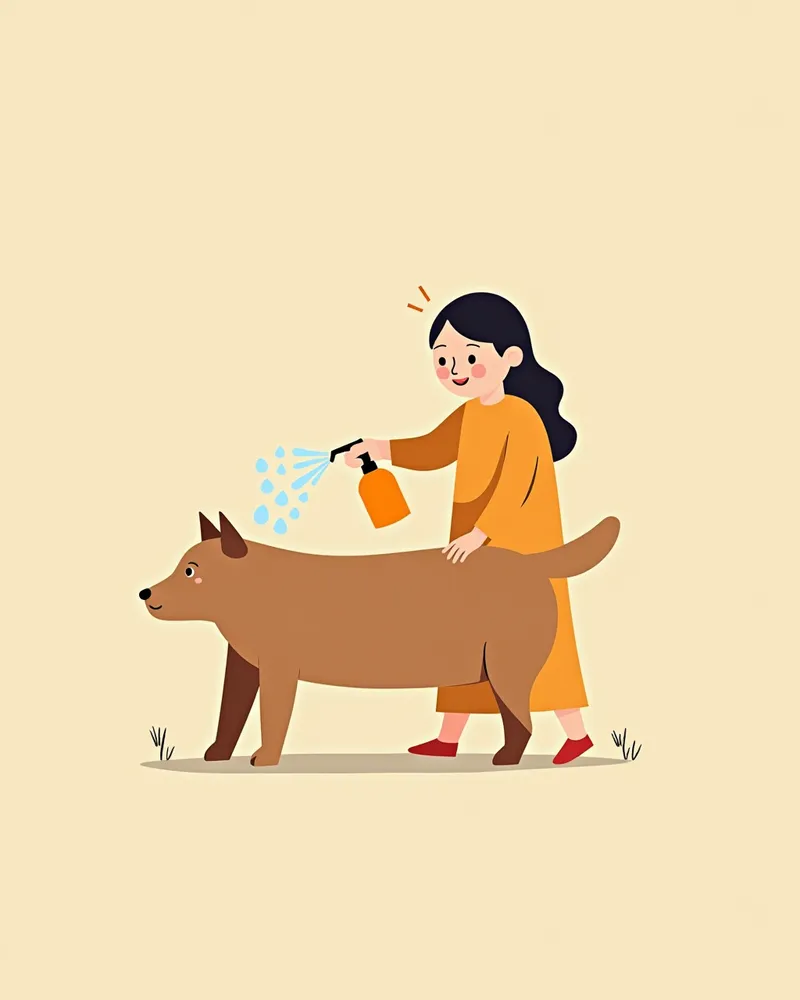
If you suspect heatstroke, begin cooling measures immediately to lower your pet’s body temperature. - Soak with cool water: Thoroughly wet your pet’s entire body with cool water. If possible, immerse them in cool water for effective first aid. - Focus on cooling points: Apply water to areas with high blood flow, such as the ears, neck, armpits, and paw pads, to help dissipate heat quickly. - Monitor temperature while cooling: Check your pet’s body temperature frequently during the cooling process. As it approaches the normal range, reduce the intensity of cooling to prevent hypothermia. - Prioritize transport to the clinic: While cooling your pet, prioritize getting them to a veterinary clinic as quickly as possible. - Inform the veterinary team: Before arriving at the clinic, document and be ready to explain the symptoms and the cooling steps you’ve taken. These actions are critical to saving your pet’s life.
A pet owner sprinkling cold water on their dog

Brachycephalic Breeds Require Special Attention

Brachycephalic (short-nosed) breeds such as Bulldogs, Pugs, and Pekingese have difficulty breathing and are highly vulnerable to heat. On hot days, keep them in a cool indoor environment, and ensure walks are short and brisk. Obesity can worsen airway issues in these breeds, increasing the risk of overheating, so weight management is also important.

Reviewed by a veterinarian

Dr. Tony — Punnawat Phongkittirak

Dr. Tony — Punnawat Phongkittirak

Veterinarian

A veterinarian who majored in veterinary medicine at Khon Kaen University, Thailand, and completed the IVSA program at North Carolina State University in the United States. Drawing on clinical experience at animal hospitals, he works in the pet healthcare field and is dedicated to building a digital care environment that connects pet parents with veterinarians.

Frequently Asked Questions

If my dog frequently collapses on hot days, could it be heatstroke?
Frequent collapsing can be a sign of heatstroke, but it may also stem from other causes such as hypoglycemia or heart disease, so a definitive diagnosis isn’t possible without further evaluation. Immediate cooling measures followed by a prompt veterinary visit are essential.
Is it dangerous to leave my pet in the car for just 10 minutes?
Yes, when sunlight hits the car, the interior temperature can rise above 60°C in less than 10 minutes. A dog’s body temperature can increase rapidly, which may become life-threatening.
Is it okay to only walk my dog in the morning?
Morning walks are great, but evening strolls after 6 p.m. are also perfectly fine. Just be sure to avoid the hottest part of the day. You can also help by increasing indoor playtime.
Should I change my pet’s water every day?
Yes, it’s best to change the water in your pet’s bowl at least two to three times a day. On hot days, we especially recommend providing fresh, cool water.
How long does it take to recover from heatstroke?
The recovery period varies depending on the severity of symptoms. In severe cases, organ damage can occur. Regular veterinary check-ups are essential.

Share

Related Guides

References

[1] Kenneth J. Drobatz, DVM, MSCE, DACVIM, DACVECC. Heat Stroke in Dogs. In: Small Animal Critical Care Medicine, 3rd Ed. 2017.

[2] The Dog Care Handbook, Things I Wish My Vet Had Told Me. 2023.

[3] Blackwell's Five-Minute Veterinary Consult Clinical Companion, Small Animal Toxicology, 3rd Edition. 2021.

This information is based on veterinary literature and does not replace diagnosis or treatment. Please consult a veterinarian for specific health concerns.

Metapet Co., Ltd. | CEO: Park Sung-yong | Business Reg. No. 417-88-02562 | Seoul, South Korea | Customer Center

Dog Summer Heat & Heatstroke Prevention: Key Q&A | Meongsiljang