Like
Share
멍실장
고양이 과도한 울음 자주 묻는 질문 Q&A — 보호자가 꼭 알아야 할 핵심

My Cat Keeps Meowing — Is Excessive Meowing Normal?

Brain & CognitionQ&AMeongsiljang Veterinary Advisory Board

We’ve compiled a Q&A guide on why cats may suddenly or repeatedly meow excessively, along with how to respond. By distinguishing between medical causes and behavioral issues, you can find the right approach to help your cat.

What Is Excessive Meowing in Cats? — Key Causes and Responses
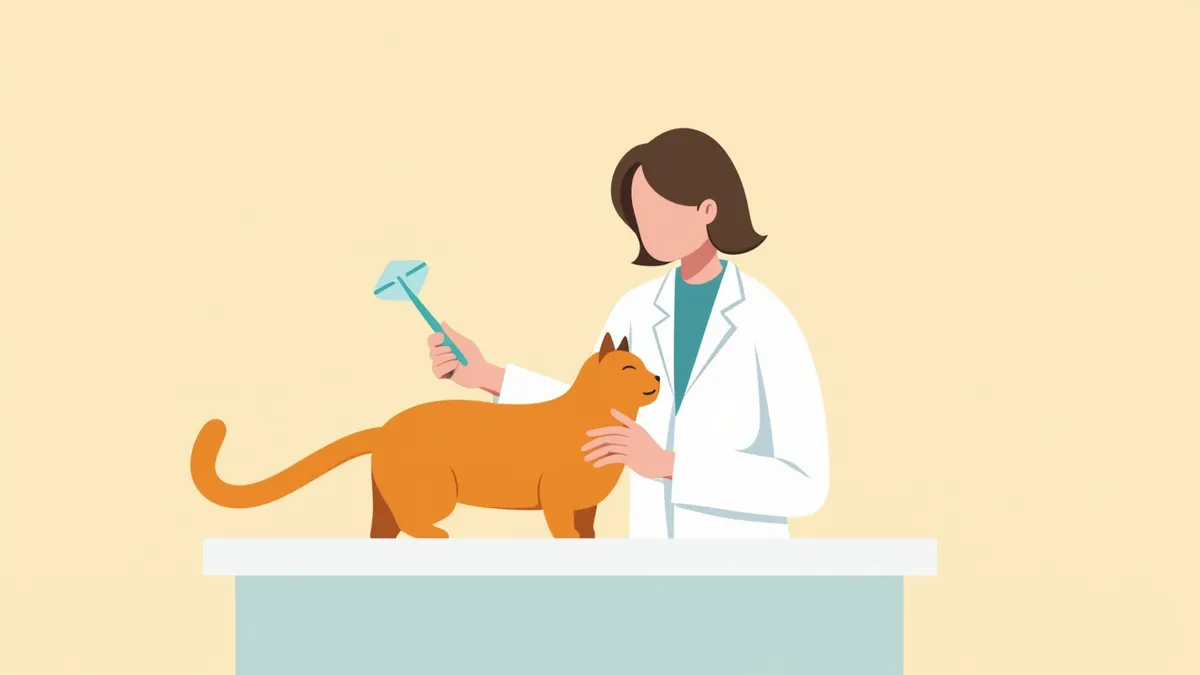
A cat crying while being examined at the animal hospital
Excessive meowing in cats refers to vocalizations that are more frequent or louder than normal, often signaling an underlying medical issue or behavioral need. The key is to identify when the meowing started and in what contexts it occurs. If it began suddenly, medical causes such as pain, hyperthyroidism, or high blood pressure should be considered first. If it has been ongoing for a long time, it is more likely related to stress or an attempt to communicate a need.

Medical Causes — When to Visit the Vet First

If your cat’s meowing has suddenly become more frequent or intense, consider these medical causes first.
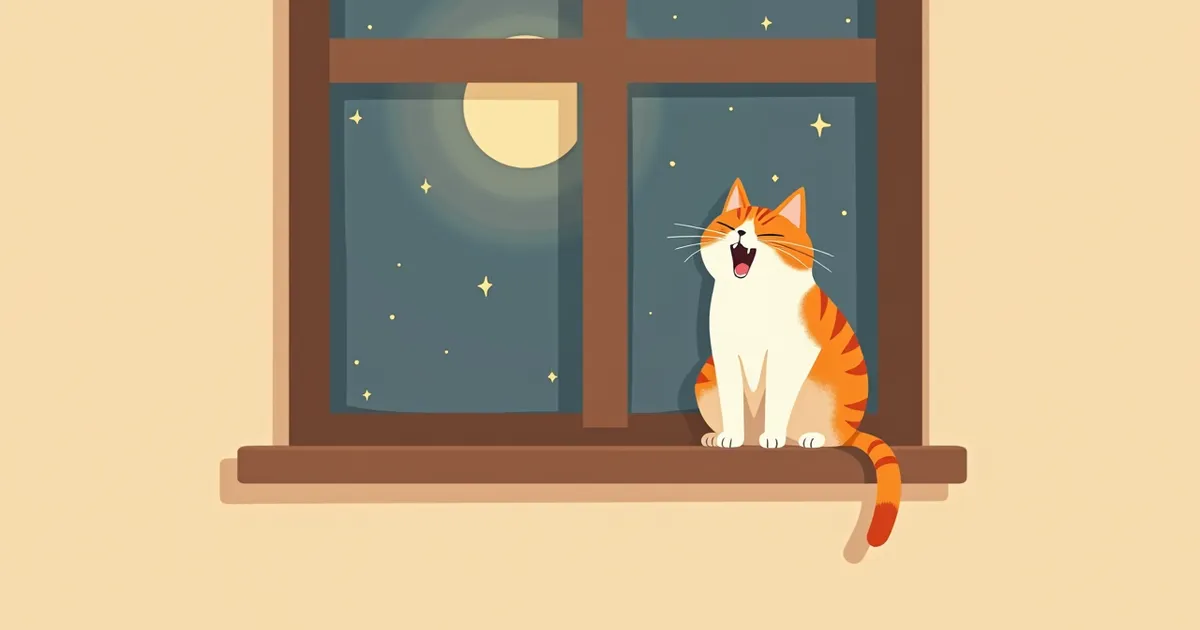
Hyperthyroidism: A common endocrine disorder in middle-aged and senior cats, often accompanied by increased appetite, restlessness, and hyperactivity (excitability), with meowing that tends to worsen at night.
Hypertension: May present with meowing alongside confusion and disorientation (wandering). If neurological symptoms are present, prompt veterinary evaluation is essential.
Pain: Conditions such as arthritis, oral pain, or internal discomfort can cause not only increased meowing but also frequent nighttime waking and changes in litter box habits.
Cognitive dysfunction: In senior cats around 10 years of age, this may manifest as nighttime vocalization and disorientation (wandering).
Urinary tract issues: If your cat meows while using the litter box, visits it frequently, or excessively grooms its genital area, suspect cystitis or urinary obstruction.

Behavioral Causes — Stress and Expression of Needs
If the health checkup reveals no abnormalities, we should look into behavioral causes.
Hunger or meal requests: This pattern involves repeated meowing before scheduled feeding times.
Attention or play needs: This is a signal to get your attention when play or physical affection is lacking.
Estrus behavior: Unspayed cats tend to meow loudly and repeatedly during their heat cycles.
Stress from environmental changes: Meowing may increase after events such as moving, adding a new family member, or adopting another pet.
Separation anxiety: This occurs when the cat meows continuously right after you leave the house.
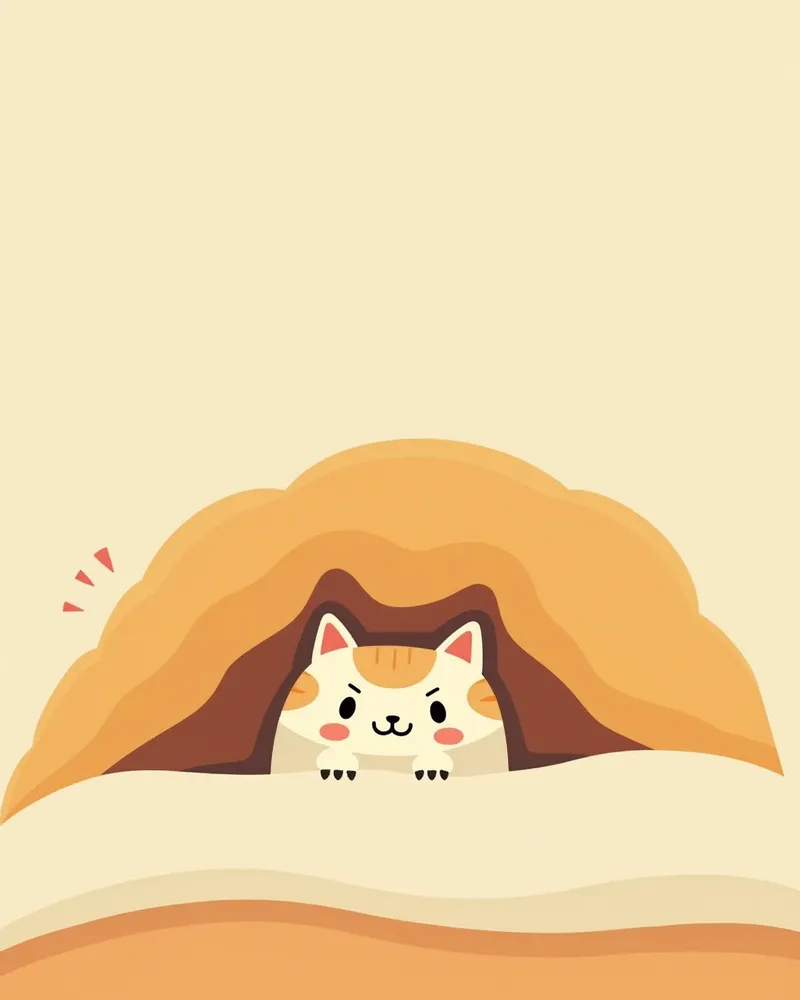
A cat hiding under the bed, feeling anxious

Urgent Checklist: When to Visit the Vet Immediately
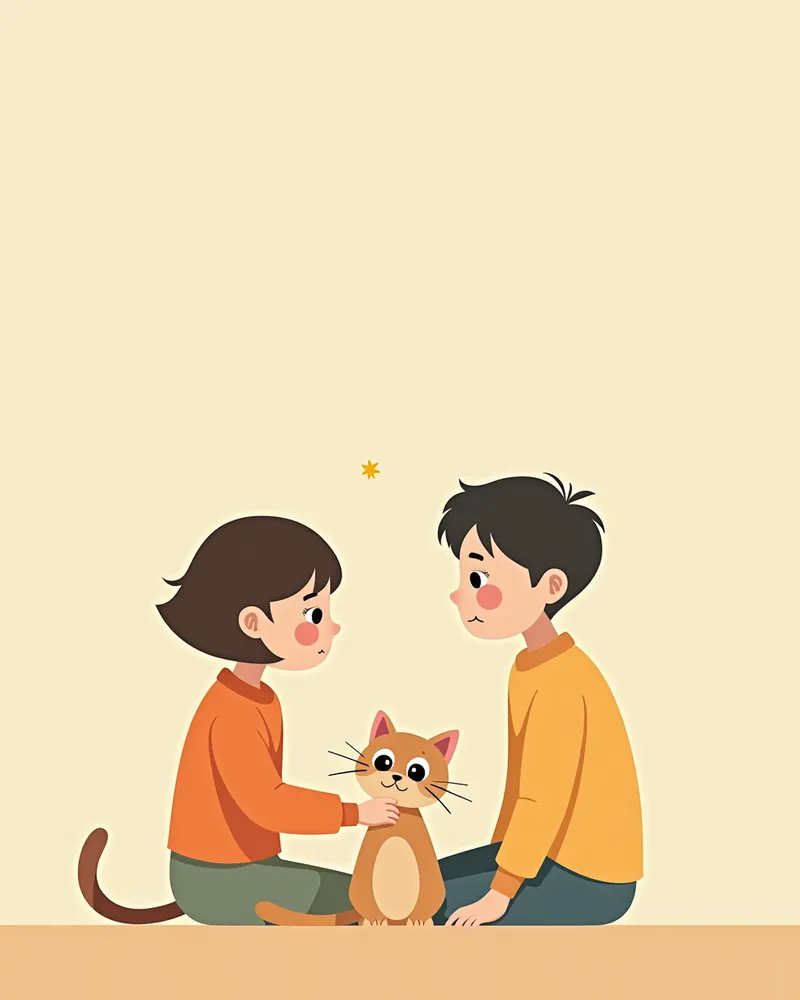
If your cat shows any of the following symptoms, a visit to the vet within 24 hours is essential: - Sudden, intense crying accompanied by a loss of appetite - Attempting to use the litter box but unable to urinate (possible urinary obstruction) - Crying along with stumbling or nystagmus (involuntary eye movements) - Crying repeatedly at night while appearing dull or disoriented during the day (possible cognitive dysfunction in senior cats) - Crying or avoiding contact when touched If any of these apply, do not wait to see if the condition improves on its own.
A worried pet owner carefully observing their cat

Immediate Emergency Care Is Required in These Situations

If your pet stops urinating entirely and cries out, stumbles or collapses, or suddenly becomes unable to use its hind legs and cries, take it to an emergency animal hospital immediately. Urinary tract obstruction can be life-threatening if not treated within 24 hours.

Management Strategies You Can Do at Home
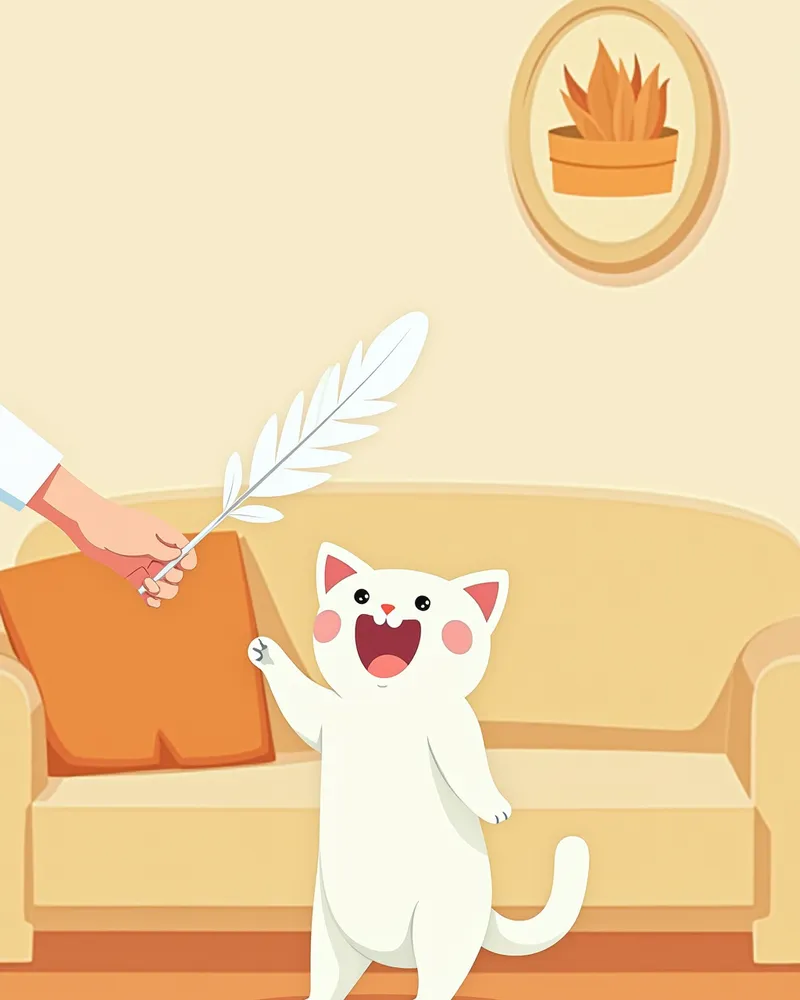
If medical causes have been ruled out, you can manage the behavior with the following strategies:
Maintain a consistent routine: Keeping feeding, play, and sleep times regular helps reduce anxiety.
Ensure adequate playtime: Allow at least 10–15 minutes of hunting-style play daily to help your cat burn off energy.
Ignore vocalizations: Responding to meowing reinforces the behavior. Wait until your cat is quiet before giving attention.
Enrich the environment: Provide stimulation by adding cat trees, window perches, and spaces for exploration.
Consider spaying or neutering: If the behavior is driven by mating instincts, sterilization is an effective solution.
A cat and its owner having fun playing with toys

Nighttime Meowing in Senior Cats — Cognitive Dysfunction Management Points

If a cat around 10 years old cries repeatedly at night, it may be a sign of cognitive dysfunction (feline dementia). Since other age-related diseases or organ dysfunction may also be present, first have a veterinarian perform a comprehensive clinical examination to rule out other causes and receive a diagnosis before trying the following: - Keeping a dim light on at night can help maintain their sense of direction. - Place the sleeping area near the litter box, water, and food bowls to help them easily find familiar resources. - It is important not to change the environment suddenly, as this reduces confusion and anxiety related to disorientation. - Nutritional and dietary management can be helpful, so consult with your veterinarian to decide on supplements rather than using them arbitrarily. If symptoms are severe, additional care may be necessary, so be sure to consult with your veterinarian.

Be Sure to Check This Before Ignoring the Meowing

Before using the method of ignoring meowing for behavior modification, you must completely rule out any medical causes. Ignoring meowing when there is pain or illness can worsen the condition. A health checkup confirming "no abnormalities" should come first.

Reviewed by a veterinarian

Dr. Tony — Punnawat Phongkittirak

Dr. Tony — Punnawat Phongkittirak

Veterinarian

A veterinarian who majored in veterinary medicine at Khon Kaen University, Thailand, and completed the IVSA program at North Carolina State University in the United States. Drawing on clinical experience at animal hospitals, he works in the pet healthcare field and is dedicated to building a digital care environment that connects pet parents with veterinarians.

Frequently Asked Questions

Why does my cat meow excessively only at night?
If your cat is quiet during the day but cries only at night, consider two main possibilities: heat-related behavior in unspayed females, or cognitive dysfunction in senior cats. Both conditions require a veterinary examination. For cognitive dysfunction, once other medical issues have been ruled out, symptoms can often be managed through environmental adjustments—such as maintaining familiar resources—and ongoing veterinary care.
It seems like giving treats every time my dog cries has made the behavior worse. What should I do?
Your pet has learned that crying earns treats. To break this pattern, ignore the crying completely and reward quiet behavior instead. Initially, you may experience an "extinction burst," where the crying temporarily intensifies, but it usually subsides within one to two weeks if you remain consistent. However, before implementing this approach, ensure that there are no underlying medical causes, such as pain or illness.
My cat suddenly started meowing a lot. Should I take it to the vet right away?
Sudden onset of vocalization is likely due to a medical cause. If accompanied by changes in appetite, abnormal elimination, confusion, pacing, or unsteadiness, prompt veterinary evaluation is necessary. If increased vocalization occurs without other symptoms, monitor for 2–3 days and visit the clinic if it persists.
Will neutering reduce excessive vocalization?
If the behavior is driven by hormonal cycles, it usually resolves after spaying or neutering. However, if it stems from other causes such as stress, pain, or cognitive dysfunction, sterilization won’t help. It’s important to identify the underlying cause first.
Is your cat only meowing in front of its food bowl because it’s running low on food?
Even when there’s plenty of food, some cats may cry at their bowl. This can happen if the bowl is dirty, the location is uncomfortable, or in multi-cat households, if another cat feels threatening. Rather than increasing the amount of food, first check the cleanliness of the bowl, its location, and the dynamics in multi-cat environments.

Share

Related Guides

References

[1] Amat M, Camps T, Manteca X. Stress in owned cats: Behavioural changes and welfare implications. Journal of Feline Medicine and Surgery. 2015;18(8):577-586.

[2] Bowen J, Heath S. Behaviour Problems in Small Animals: Practical Advice for the Veterinary Team. Elsevier Saunders; 2005.

[3] Buffington CAT. Pandora Syndrome in Cats: Diagnosis and Treatment. Today's Veterinary Practice. 2023.

[4] Carney HC et al. AAFP and ISFM Guidelines for Diagnosing and Solving House-Soiling Behavior in Cats. Journal of Feline Medicine and Surgery. 2014.

This information is based on veterinary literature and does not replace diagnosis or treatment. Please consult a veterinarian for specific health concerns.

Metapet Co., Ltd. | CEO: Park Sung-yong | Business Reg. No. 417-88-02562 | Seoul, South Korea | Customer Center

Why Does My Cat Keep Meowing? Is Excessive Meowing Normal? | Meongsiljang