Like
Share
멍실장
고양이 발치 후 관리 총정리 — 보호자가 알아야 할 핵심

Complete Guide to Post-Tooth Extraction Care for Cats — Key Points for Owners

Oral HealthQ&AMeongsiljang Veterinary Advisory Board

Let’s explore the proper recovery care for cats after tooth extraction surgery. We’ve summarized the essentials, from post-surgery day care and food selection to administering prescribed medications and recognizing signs that require an immediate vet visit.

The First 48 Hours Are Critical for Recovery After Cat Tooth Extraction
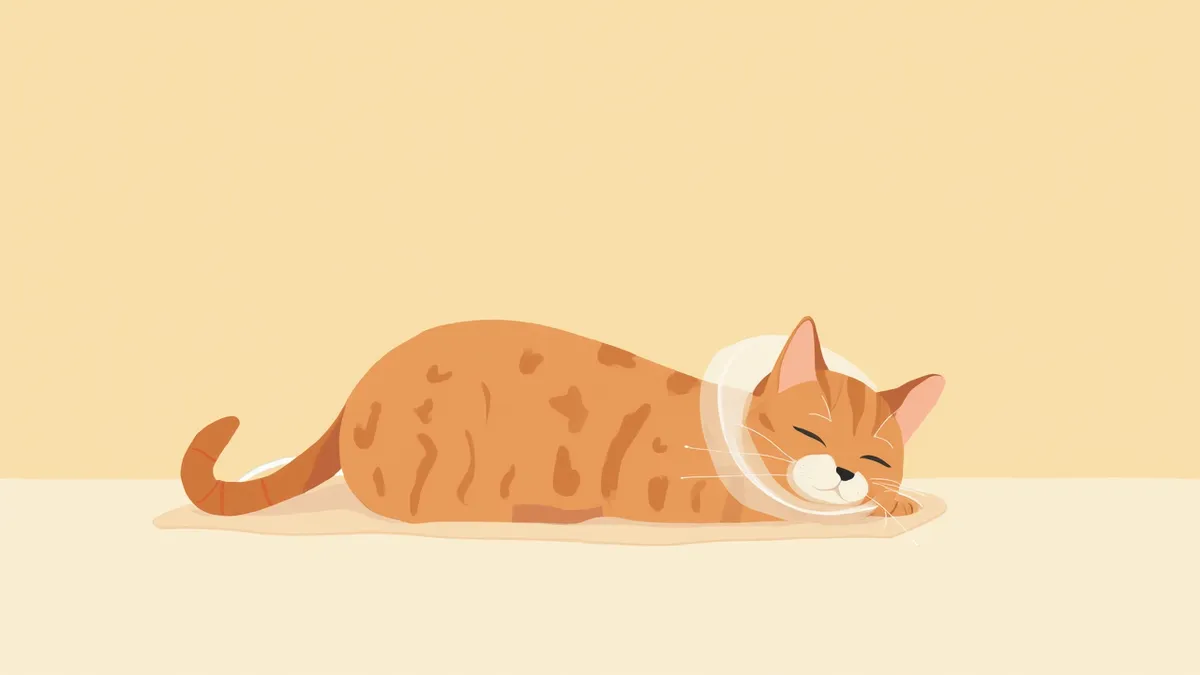
A cat resting at home wearing an Elizabethan collar after tooth extraction surgery.
Feline tooth extraction is an oral surgery that involves the surgical removal of teeth severely damaged by periodontitis, tooth resorption lesions, or stomatitis. For teeth with multiple roots, the roots are sectioned before removal, so the procedure includes careful handling of the gums and alveolar bone. Fortunately, oral tissues tend to heal relatively quickly after extraction, but postoperative care is just as important as the surgery itself. The key is to consistently follow your veterinarian’s instructions for pain management and dietary adjustments during the first few days of recovery. Be sure to adhere strictly to the prescribed medications and veterinary guidelines provided at discharge, and provide a quiet, warm environment at home.

How Long Does Recovery Take After Tooth Extraction?

The recovery period after tooth extraction varies depending on the individual cat and the extent of the extraction. Recovery from a single tooth extraction is generally relatively short, while procedures involving multiple extractions or requiring gum sutures may take longer. Please prioritize following the specific guidance provided by your attending veterinarian.
Day of Surgery: Your cat may be unsteady or lethargic as they emerge from anesthesia. Provide a quiet space for them to rest comfortably.
Early Recovery: This is a period when pain may be present. It is essential to administer the pain medication prescribed by your veterinarian exactly as directed.
Mid-Recovery: As the oral tissues heal, your cat’s appetite and activity levels will gradually return to normal.
If Sutures Are Present: Return for a follow-up examination at the time specified by your veterinarian to check the healing status of the wound.

One-Week Post-Tooth Extraction Care Checklist

Please refer to the table below for step-by-step care guidance. Always prioritize your veterinarian’s specific instructions regarding timing and methods.
ItemDay of SurgeryEarly RecoveryMid-Recovery
FoodOffer food only after your pet has fully recovered from anesthesia, following your veterinarian’s guidanceSoft wet foodGradually transition to regular diet
WaterStart with small amounts once alertFree accessFree access
Pain medicationFollow prescribed dosage and scheduleFollow prescribed dosage and scheduleAdminister as needed
ActivityNo going outside or jumpingNo jumping or vigorous playGradually return to normal activity
E-collarKeep in placeKeep in placeRemove only after veterinary assessment

How to Feed Your Cat After Tooth Extraction

In the early stages of recovery after surgery, your pet needs soft food that won’t irritate the gums or suture sites. The duration of the soft diet depends on their recovery progress, so please follow your veterinarian’s guidance.
Recommended foods: Pouch-style wet food, canned food lightly moistened with water, puréed puppy/kitten formula
Foods to avoid: Hard dry treats, large chunky snacks, rigid chew toys
Temperature: Food that is too cold or too hot can irritate the wound—room temperature or body temperature is ideal.
Hydration: Place water bowls in multiple locations to ensure easy access and adequate intake. Proper hydration is especially important during the recovery period.
A cat eating soft wet food after tooth extraction

Go to the Vet Immediately If You See These Symptoms

Contact an emergency veterinary clinic immediately if you notice any of the following signs after a tooth extraction: - Bright red bleeding that does not stop after 30 minutes - Repeated vomiting or refusal to eat for more than two days - Noticeable swelling in the face, jaw, or neck area - High fever, lethargy, or confusion - Signs of severe pain despite administering prescribed pain medication

Continue Prescribed Medications Until Finished, Even If Symptoms Improve
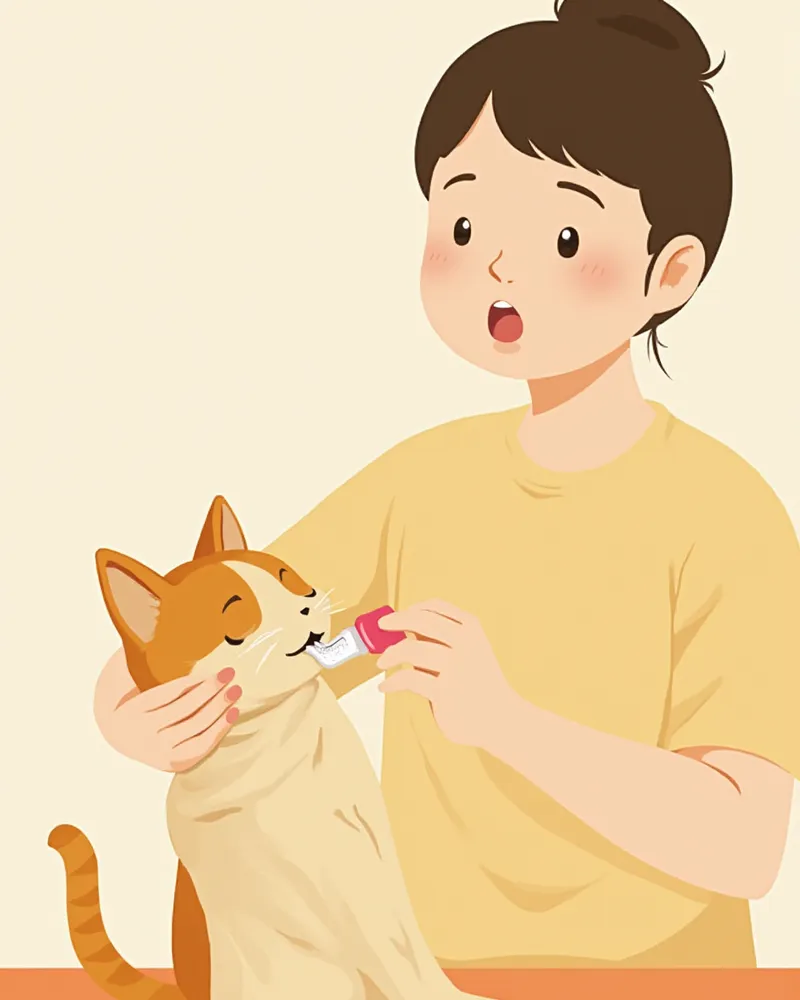
After tooth extraction, the medications prescribed by your veterinarian are typically pain relievers and antibiotics. Even if your cat appears to be doing well, stopping these medications prematurely can disrupt pain and infection management, so please follow the prescribed dosage and duration exactly as directed.
Pain relievers: Administer these regularly at the times specified by your veterinarian to ensure consistent pain management.
Antibiotics: Continue giving post-surgical antibiotics without missing any doses until the full prescribed course is completed, even if symptoms have disappeared.
If your cat refuses medication: Try hiding the medication in wet food or using pill-hiding treats.
Adverse reactions: Contact your veterinarian immediately if you observe severe vomiting, diarrhea, or lethargy.
A cat owner administering prescribed medication to their pet

When Can You Resume Brushing Your Cat’s Teeth?

Brushing your pet’s teeth before the extraction site has fully healed can irritate the sutures or wound. The timing for resuming brushing depends on whether sutures were used and how well your pet is recovering, so be sure to get your veterinarian’s approval before starting again. Good oral hygiene after recovery is essential for maintaining the health of the remaining teeth. Without consistent care like regular brushing, the benefits of scaling or extractions won’t last long. Start by gently wiping the gums with gauze wrapped around your finger, then gradually introduce a soft cat toothbrush and pet-specific toothpaste to help your pet get used to the routine.

Recovery Takes Longer for Multiple or Full-Mouth Extractions

In cats that have undergone full-mouth extractions for stomatitis, the gums take longer to heal completely than they do after routine extractions. Because recovery times vary from cat to cat, please follow your veterinarian’s guidance. For stomatitis, extraction is considered the most effective long-term treatment strategy, as it removes the tooth surfaces that trigger inflammation. During this period, maintain a soft diet and do not miss any scheduled recheck appointments. Many cats adapt well after full-mouth extractions, learning to chew food with their gums and eat normally.

Reviewed by a veterinarian

Dr. Tony — Punnawat Phongkittirak

Dr. Tony — Punnawat Phongkittirak

Veterinarian

A veterinarian who majored in veterinary medicine at Khon Kaen University, Thailand, and completed the IVSA program at North Carolina State University in the United States. Drawing on clinical experience at animal hospitals, he works in the pet healthcare field and is dedicated to building a digital care environment that connects pet parents with veterinarians.

Frequently Asked Questions

My cat isn’t eating after having its teeth pulled. How long should I wait?
It’s common for cats to have a reduced appetite on the day of surgery due to the aftereffects of anesthesia. Most cats will start eating small amounts during the early recovery period, but if your cat shows no interest in food at all as time goes on, please contact your veterinary clinic. Cats can suffer serious health complications if they go without food for too long, so if your cat’s appetite doesn’t return, consult your veterinarian to develop an appropriate feeding plan.
A little bit of blood has come from the surgical site. Is this normal?
Slightly pink-tinged saliva immediately after a tooth extraction can be within the normal range. However, if bright red bleeding persists for an extended period or if blood clots continue to appear, you should seek veterinary care immediately.
My pet really hates wearing an e-collar. Is it absolutely necessary?
The neck collar prevents your cat from scratching or licking the surgical site. Since preventing infection is crucial, it’s best to keep it on for at least 3 to 5 days. If a rigid plastic collar causes excessive stress, switching to a soft donut-style (bubble) collar is a good alternative.
When should I schedule a follow-up visit?
If your pet has stitches, return for a follow-up visit at the time recommended by your veterinarian to have the wound checked and determine whether the sutures need to be removed. Even if absorbable sutures (which dissolve on their own) were used, you still need to bring your pet in for a follow-up examination to monitor healing.
My pet’s bad breath got worse after the tooth extraction. Why is that?
It’s normal for a slight odor to be present in the days immediately following surgery as the gums heal. However, if the smell persists or becomes strong, or if you notice yellow or green discharge, it could indicate an infection, so please have your pet checked at the clinic.

Share

Related Guides

References

[1] Little S. (Ed.), The Cat: Clinical Medicine and Management, 2nd Edition, Elsevier, 2012

[2] Bohling MW et al., Techniques in Small Animal Wound Management, Wiley, 2021

[3] Reiter AM, Gracis M (Eds.), BSAVA Manual of Canine and Feline Dentistry and Oral Surgery, 4th Edition, British Small Animal Veterinary Association, 2018

This information is based on veterinary literature and does not replace diagnosis or treatment. Please consult a veterinarian for specific health concerns.

Metapet Co., Ltd. | CEO: Park Sung-yong | Business Reg. No. 417-88-02562 | Seoul, South Korea | Customer Center

Cat Tooth Extraction Aftercare: Recovery, Food & Warning Signs | Meongsiljang