

Dog Malocclusion FAQ — Key Information Every Pet Owner Should Know
Malocclusion in dogs is a condition where the teeth are misaligned, which can affect eating and oral health. Here’s a summary of key information every pet owner should know.
Malocclusion in Dogs Is a Condition Where the Teeth Are Misaligned

The Main Causes of Malocclusion Are Genetics and Growth
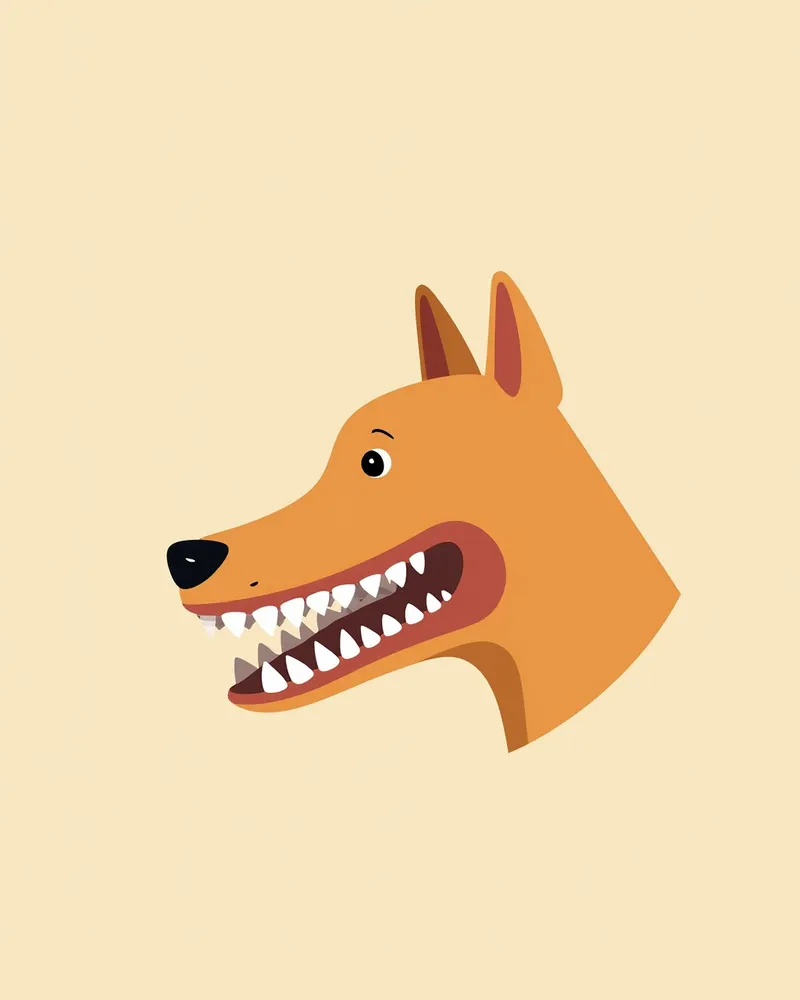
Check for the Main Signs of Malocclusion

If the Mouth Frequently Stays Open or Chewing Is Difficult, Visit the Vet Immediately
If your dog frequently keeps its mouth open or has trouble chewing food, it may indicate that a malocclusion has worsened. If left untreated, this can lead to tooth damage or oral infections. Please consult your veterinarian right away.
How Is Malocclusion Diagnosed?
There Are Various Treatment Options for Malocclusion

Comparison Table of Malocclusion Treatment Methods
| Item | Suitable Timing | Effectiveness Level | Precautions |
|---|---|---|---|
| Use of Orthodontic Appliance | Infancy to adolescence | Moderate | An adaptation period is needed, and veterinary monitoring is required |
| Tooth Extraction | After adulthood or early if necessary | High | Accurate evaluation before surgery required |
| Surgical Correction | Severe cases, after adulthood | Very high | Consultation with a specialist veterinarian essential |
Treatment methods vary depending on the dog's age, degree of malocclusion, and breed. Decide after consulting a veterinarian.
Be Careful to Prevent Food from Getting Trapped While Wearing Orthodontic Appliances
While your pet is wearing the brace, be careful to prevent food from getting trapped between the teeth, as leftover food can decay and lead to oral infections. Clean the area daily and follow the feeding methods recommended by your veterinarian.
Reviewed by a veterinarian

Dr. Tony — Punnawat Phongkittirak
VeterinarianA veterinarian who majored in veterinary medicine at Khon Kaen University, Thailand, and completed the IVSA program at North Carolina State University in the United States. Drawing on clinical experience at animal hospitals, he works in the pet healthcare field and is dedicated to building a digital care environment that connects pet parents with veterinarians.
Reviewed 2026-06-29
Frequently Asked Questions
Can malocclusion be genetic?
Does malocclusion always require treatment?
Will wearing a brace be uncomfortable for my dog?
Does malocclusion improve naturally as pets age?
What kind of diet should a dog with malocclusion have?
Share
Related Guides
7 Best Cat Dental Chews for Tartar Prevention Recommended by Veterinarians and Selection Criteria
Top 5 Recommended Dental Treats for Dogs in 2026 — VOHC Certification Criteria
7 Criteria for Choosing Dog Tartar Prevention Dental Chews Recommended by Veterinarians
My Cat Keeps Licking Themselves — Is Excessive Grooming Normal?

Cats Keep Fighting — Causes and Intervention Timing for Multi-Cat Household Conflicts

What is feline pheromone therapy? — Does it really work? A guide to its effects and usage

What is feline cognitive dysfunction? — Early signs of feline dementia
Why Is My Cat Suddenly Aggressive? — Causes and Management of Fear-Based Aggression

My Cat Keeps Meowing — Is Excessive Meowing Normal?

If Your Cat Has Changed After the Move — Is Environmental Change Stress Normal?
References
[1] Asher, L. et al. (2009) Inherited defects in pedigree dogs. Part 1: Disorders related to breed standards. Veterinary Journal, 182, 402–411.
[2] Plumb's Veterinary Drug Handbook, 9th Edition. Wiley-Blackwell, 2022.
[3] Clinical Medicine of the Dog and Cat, 4th Ed. Elsevier, 2021.