
Like
Share
멍실장
강아지 급성 신부전(AKI) 자주 묻는 질문 Q&A — 보호자가 꼭 알아야 할 핵심

My Dog Suddenly Stopped Urinating — Acute Kidney Injury (AKI) Q&A

KidneyQ&AMeongsiljang Veterinary Advisory Board

Acute kidney injury (AKI) in dogs is a sudden decline in kidney function that can be life-threatening. Here’s a summary of the symptoms, causes, and management strategies that pet owners should know.

Acute Kidney Injury (AKI) in Dogs Is a Sudden Decline in Kidney Function
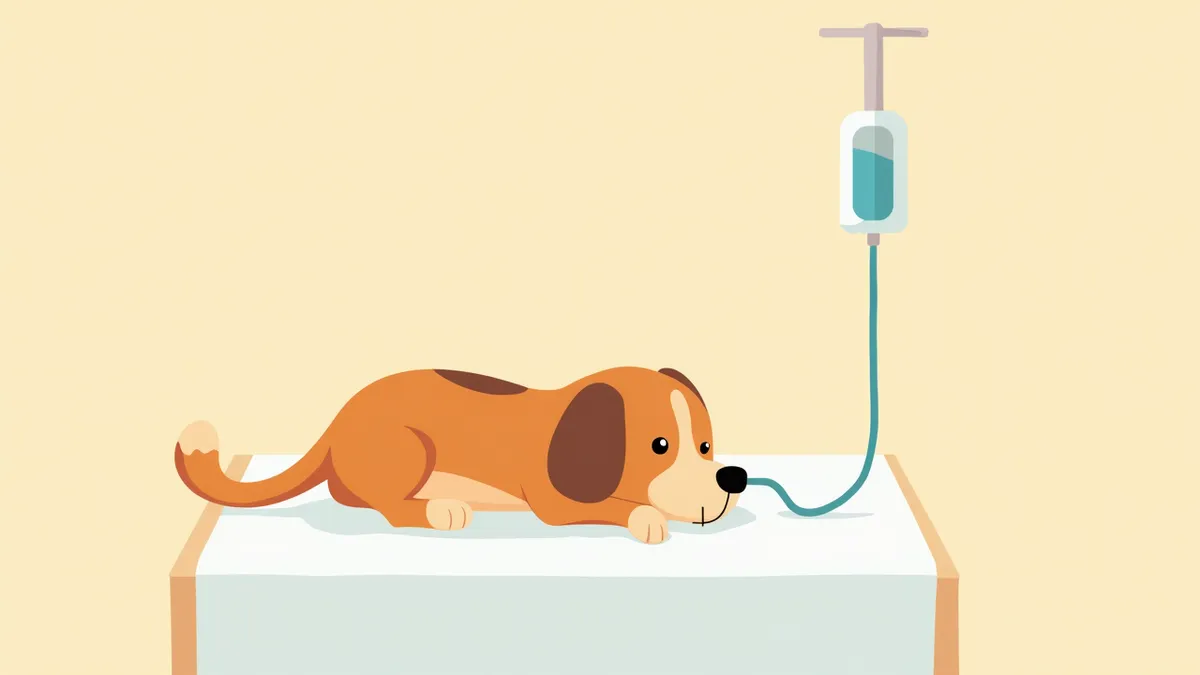
Dogs suspected of having acute kidney failure need immediate veterinary care.
Acute kidney injury (AKI) in dogs is a dangerous condition in which kidney function declines rapidly over a matter of hours to days. It is most commonly caused by ingestion of toxic substances, reduced blood flow to the kidneys (such as from severe dehydration), or infection. Because early signs are often subtle, close observation by pet owners is crucial. If the underlying cause is identified and treated promptly, recovery is possible; however, if the damage is severe or treatment is delayed, the risk of death rises significantly (reported mortality rates are as high as approximately 50%). Immediate veterinary care and intravenous fluid therapy are essential to save your dog’s life. As kidney function declines, waste products such as uremic toxins are not properly eliminated, leading to a rapid deterioration of overall health.

Identifying the Main Causes of AKI Is the First Step to Treatment

Acute kidney injury (AKI) in dogs is most commonly caused by toxic substances and infections that directly damage the kidneys. Grapes, antifreeze (ethylene glycol), certain antibiotics (aminoglycosides), NSAIDs, and jerky-style treats can all cause severe kidney damage. Kidney function can also decline when the kidneys don’t receive adequate blood flow due to dehydration or low blood pressure (prerenal causes). Severe infections, bleeding, heart failure, and side effects from medications like NSAIDs are also important causes. It’s very helpful for pet owners to accurately recall what their dog has recently eaten or been exposed to. The sooner the cause is identified, the clearer the treatment plan becomes, and the easier it is to assess the prognosis.
Toxic plants and substances that dogs can ingest

Be Sure to Check These 5 Main Symptoms of Acute Kidney Injury

The early signs of acute kidney injury (AKI) in dogs often begin with subtle changes. Missing these signs can delay treatment. The main symptoms include:
Loss of appetite: Your dog may suddenly refuse food or eat very little.
Vomiting: Nausea and repeated vomiting may occur.
Changes in urine output: Urine volume may drop sharply or stop completely, or it may increase.
Lethargy and weakness: Your dog may lack energy, move less, and appear dull or disoriented.
Bad breath and gum changes: An ammonia-like uremic odor may be present, and the gums may become pale due to anemia.
If you notice any of these signs, seek veterinary care immediately.
Suspected symptoms of acute kidney failure: vomiting, decreased urination, and shock in a puppy

Emergency Signs Requiring Immediate Veterinary Visit

If your dog stops urinating altogether (anuria), experiences repeated vomiting, shows a sudden drop in energy, or has pale gums, these are emergency signs that require immediate veterinary care. Anuria and oliguria (reduced urine output) can lead to the buildup of uremic toxins and hyperkalemia, which may cause life-threatening arrhythmias. Prompt emergency treatment is essential.

Tests Performed at the Clinic for Diagnosis
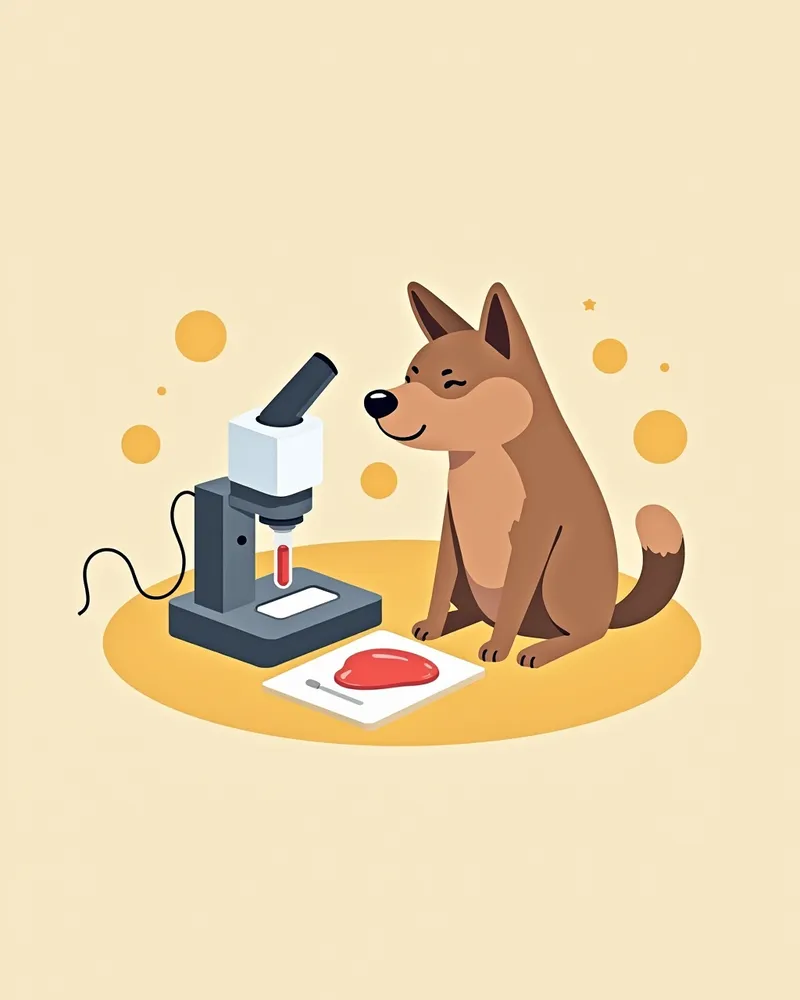
Acute kidney injury (AKI) in dogs is diagnosed through blood and urine tests. Elevated creatinine and blood urea nitrogen (BUN) levels in the blood raise suspicion of AKI. Urinalysis checks for low urine specific gravity (USG) and the presence of protein, cells, or casts, which is crucial for distinguishing between prerenal and intrinsic renal causes. Ultrasound imaging helps identify the underlying cause by evaluating kidney size, structure, and perfusion. However, the degree of elevation in BUN alone does not determine prognosis in AKI; whether urine production resumes with fluid therapy is a more critical indicator. An accurate diagnosis forms the foundation for developing an appropriate treatment plan.
Blood and urine testing procedures for diagnosing acute kidney failure in dogs

Treatment Focuses on Removing the Underlying Cause and Restoring Function
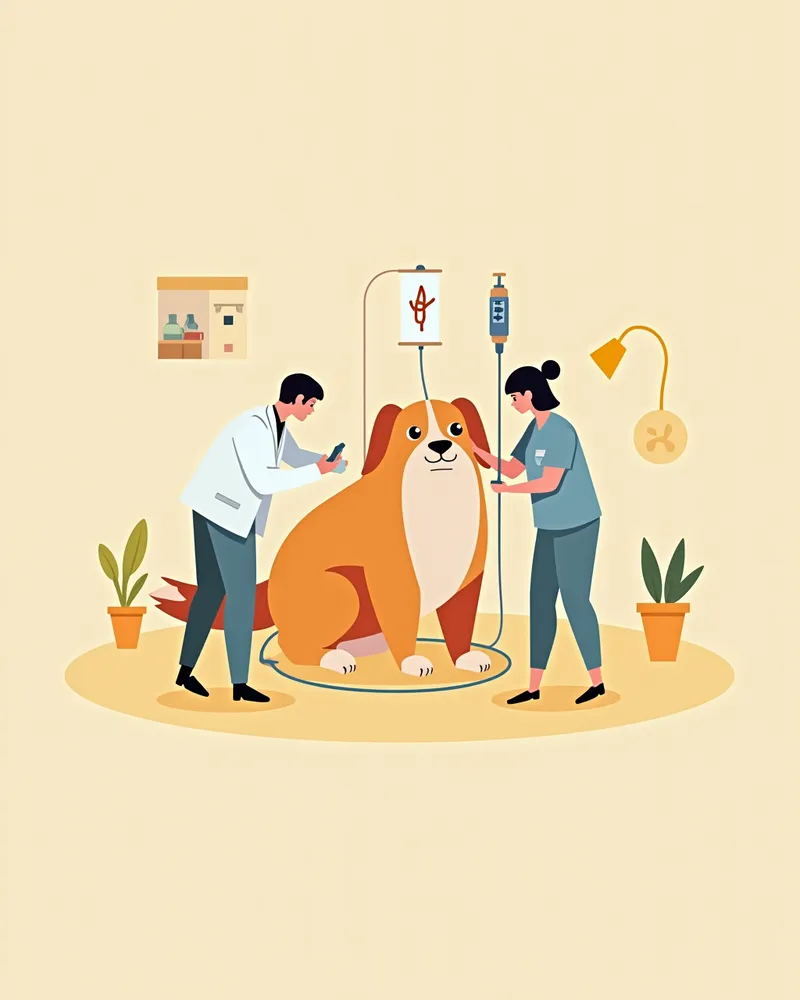
Treating acute kidney injury (AKI) in dogs centers on removing the underlying cause and administering intravenous fluid therapy. Fluid therapy is the cornerstone of treatment, aimed at restoring blood flow to the kidneys while closely monitoring urine output. If the dog has been exposed to a toxin, immediate steps must be taken to remove the offending substance as quickly as possible. If electrolyte or acid-base imbalances are severe or do not respond to medication, renal replacement therapies such as hemodialysis may be considered. Recovery time varies depending on the cause and severity of the damage; while prerenal causes often resolve relatively quickly, damage to the kidney tissue itself can take weeks to months to heal. Early initiation of treatment significantly improves the chances of recovering kidney function.
A scene of intravenous therapy during the treatment of acute kidney failure in a puppy

4 Practical Tips for Home Care

Even after completing treatment at the clinic, careful home care is essential. Please be sure to follow these guidelines:
Hydration: Provide fresh water frequently. If your pet does not drink on its own, administer fluids as directed by your veterinarian.
Dietary Management: Use the kidney-support prescription diet recommended by your veterinarian, and do not change the food without professional advice.
Activity Restriction: Avoid excessive exercise during recovery and allow your pet to rest in a comfortable environment.
Regular Check-ups: Schedule regular blood and urine tests to monitor kidney function and electrolyte levels, particularly potassium.
Managing Your Dog’s Recovery from Acute Kidney Failure: Hydration and Rest

Comparison Table: Acute Kidney Injury (AKI) vs. Chronic Kidney Disease (CKD)

ItemAcute Kidney Injury (AKI)Chronic Kidney Disease (CKD)
Onset SpeedRapidly within hours to daysGradually over months to years
CauseToxins, dehydration (reduced blood flow), infectionAging, genetics, inflammation
Possibility of RecoveryRecovery possible with early treatment, but mortality is highDifficult to cure; management-focused
Main SymptomsLoss of appetite, vomiting, decreased urinationWeight loss, bad breath, frequent urination

For AKI, early detection and treatment are decisive for survival. CKD requires long-term management.

Reviewed by a veterinarian

Dr. Tony — Punnawat Phongkittirak

Dr. Tony — Punnawat Phongkittirak

Veterinarian

A veterinarian who majored in veterinary medicine at Khon Kaen University, Thailand, and completed the IVSA program at North Carolina State University in the United States. Drawing on clinical experience at animal hospitals, he works in the pet healthcare field and is dedicated to building a digital care environment that connects pet parents with veterinarians.

Frequently Asked Questions

If your dog suddenly stops drinking water, could it be AKI?
Loss of appetite and lethargy can be early signs of acute kidney injury (AKI). Additionally, dehydration reduces blood flow to the kidneys, which can impair or worsen kidney function. If you notice any changes from your pet’s normal behavior, please visit a veterinary clinic immediately.
Can my pet recover and regain health after treatment for acute kidney injury (AKI)?
If the underlying cause is identified and removed early, and appropriate treatment is provided, recovery is possible. However, acute kidney injury (AKI) carries a high mortality rate of approximately 50%, and in cases of severe kidney damage, recovery may take several weeks to months, or the condition may progress to chronic kidney disease, requiring long-term management.
How can we prevent acute kidney injury?
Keep toxic substances—such as plants, medications, and certain foods—out of your dog’s reach, provide plenty of fresh water, and schedule regular veterinary check-ups to catch any issues early.
What tests does a veterinarian perform when acute kidney injury (AKI) occurs?
We assess kidney function through blood tests (creatinine, BUN), urinalysis (specific gravity, protein, sediment), and ultrasound. Identifying the underlying cause is key to effective treatment.
How much does treatment for AKI cost?
Costs vary depending on the treatment duration and your pet’s condition, but expect to spend around $400 to $1,000 for IV fluids, diagnostic tests, and medications. Pet insurance can help offset these expenses.

Share

Related Guides

References

[1] Notes on Canine Internal Medicine, 4th Ed, 2023

[2] Urinalysis in the Dog and Cat, 2022

[3] Clinical Medicine of the Dog and Cat, 4th Ed, 2021

This information is based on veterinary literature and does not replace diagnosis or treatment. Please consult a veterinarian for specific health concerns.

Metapet Co., Ltd. | CEO: Park Sung-yong | Business Reg. No. 417-88-02562 | Seoul, South Korea | Customer Center

My Dog Suddenly Can't Pee: Acute Kidney Injury (AKI) Q&A | Meongsiljang