
Stage-by-Stage Symptoms and Treatment Options for Feline Megacolon
Here’s a clear overview of the stage-by-stage symptoms and treatment options for feline megacolon. Learn how it differs from constipation, and get a quick look at dietary, medication, and surgical treatment guidelines.
What is Feline Megacolon?
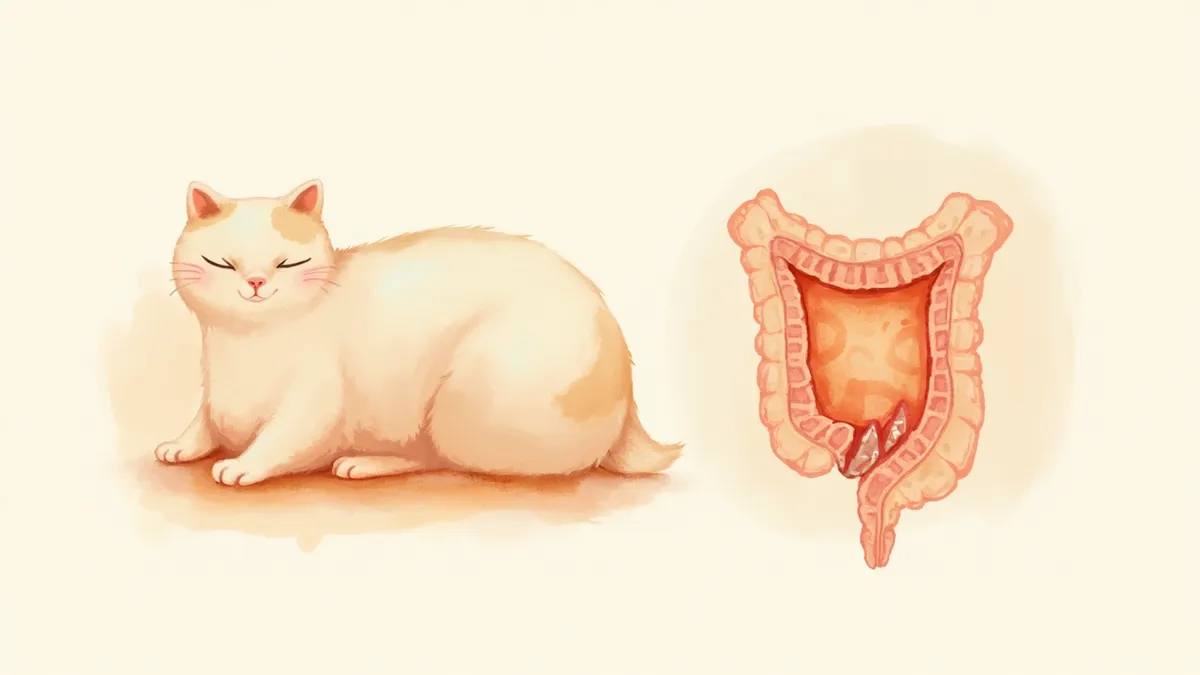
How Does It Differ from Simple Constipation?
Stage-by-Stage Symptoms and Treatment Directions for Megacolon
| Item | Stage 1 (early) | Stage 2 (intermediate) | Stage 3 (advanced) | Stage 4 (terminal) |
|---|---|---|---|---|
| Defecation frequency | Slightly prolonged defecation intervals, occasional difficulty defecating | Markedly prolonged intervals, frequent straining | Voluntary defecation very difficult and infrequent | Self-defecation nearly impossible |
| Colon condition | Slight dilation | Marked dilation | Severe stretching | Permanent dilation·atony |
| Main treatment | Dietary management | Diet + laxatives | Laxatives + prokinetics | Surgery (colectomy) |
| Recovery potential | High | Medium | Low | Difficult without surgery |
This is a general classification by severity. No textbook standard defining defecation frequency numerically by stage has been confirmed, and accurate severity assessment is made through a veterinarian's X-ray and examination.
Suspect Megacolon If You Notice These Symptoms

When to Seek Immediate Veterinary Care
If you notice any of the following signs, it could be an emergency. If your pet hasn’t had a bowel movement for more than three days, or if they’re experiencing repeated vomiting, lethargy, or complete loss of appetite, seek veterinary care immediately. Constipation often occurs alongside dehydration, and prolonged blockage can quickly lead to dehydration and electrolyte imbalances. Never administer human laxatives or enemas at home without veterinary guidance. Some medications carry risks such as aspiration into the lungs if used improperly, and only a veterinarian should determine the appropriate medication and dosage. Please avoid giving any medication on your own and consult your vet first.
How Is Megacolon Diagnosed?
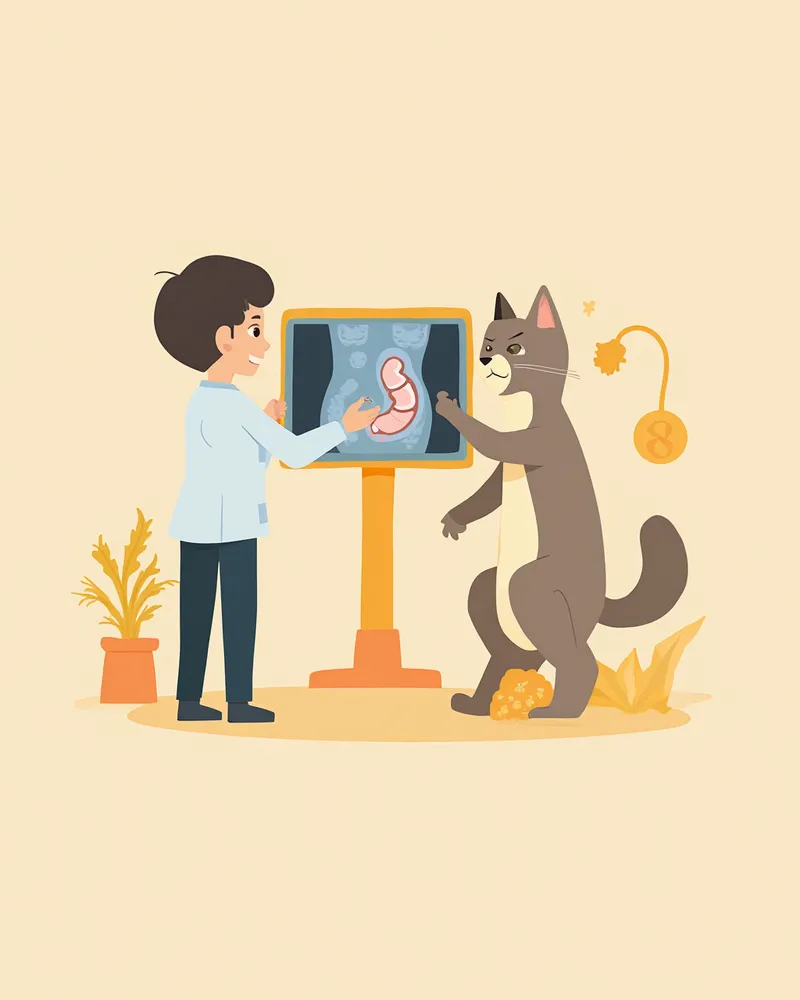
Treatment Varies by Stage
Key Management Points to Monitor at Home
Proper hydration is half the battle in managing megacolon. Increase the proportion of wet food in your cat’s diet, place multiple water bowls around the house, or use a fountain-style water dispenser. We recommend having at least one more litter box than the number of cats you own, and choosing a soft, fine-grained litter. Insufficient exercise can slow down intestinal motility, so engage your cat in 10 to 15 minutes of hunting-style play daily. Do not stop prescribed medications on your own; keeping a bowel movement log to share with your veterinarian will help us quickly adjust the treatment plan.
Preventing Recurrence and Long-Term Management

Reviewed by a veterinarian

Dr. Tony — Punnawat Phongkittirak
VeterinarianA veterinarian who majored in veterinary medicine at Khon Kaen University, Thailand, and completed the IVSA program at North Carolina State University in the United States. Drawing on clinical experience at animal hospitals, he works in the pet healthcare field and is dedicated to building a digital care environment that connects pet parents with veterinarians.
Reviewed 2026-04-26
Frequently Asked Questions
Can megacolon be cured?
Can I give my cat human laxatives?
Is it true that pets will have diarrhea for the rest of their lives after surgery?
Which cats are more prone to getting it?
Will feeding more dietary fiber help?
Share
Related Guides

My Senior Cat Won’t Eat — A Complete Guide to Choosing Food for Cats with Weak Digestion

Top 5 Prescription Diets for Feline Pancreatitis Recommended by Veterinarians — Low-Fat, Highly Digestible Food Guide

Royal Canin vs Hill’s vs Purina vs Orijen — Which Brand Is Right for Your Pet, According to Veterinarians?
The Ultimate Guide to Pet Pain Assessment Scales

When to Use Heparin Anticoagulant: A Guide to Timing and Side Effect Precautions

Tramadol Analgesic Effects and Precautions

How to Read White Blood Cell Distribution Results

Interpreting SDMA and Creatinine Kidney Values
What Are Pet Tumor Marker Tests? — From Types to Result Interpretation

What is Allergy IgE Testing for Dogs and Cats? — Differences by Type and How to Choose
References
[1] Ettinger SJ, Feldman EC, Côté E. Textbook of Veterinary Internal Medicine: Diseases of the Dog and the Cat. 8th ed. Elsevier, 2017.
[2] Clinical Medicine of the Dog and Cat, 4th Edition — Chapter on Large Intestinal Disorders
[3] 100 Top Consultations in Small Animal General Practice — Chapter 45: Constipation and Megacolon
[4] Tilley LP, Smith FWK. The 5-Minute Veterinary Consult: Canine and Feline. 6th ed.