Like
Share
멍실장
ACTH 자극 시험 (쿠싱 진단)

ACTH Stimulation Test (Cushing’s Diagnosis)

WeightQ&AMeongsiljang Veterinary Advisory Board

The ACTH stimulation test is a primary blood test used to evaluate adrenal function and diagnose Cushing’s disease. Here’s a summary of the procedure and how to interpret the results.

What is the ACTH Stimulation Test?
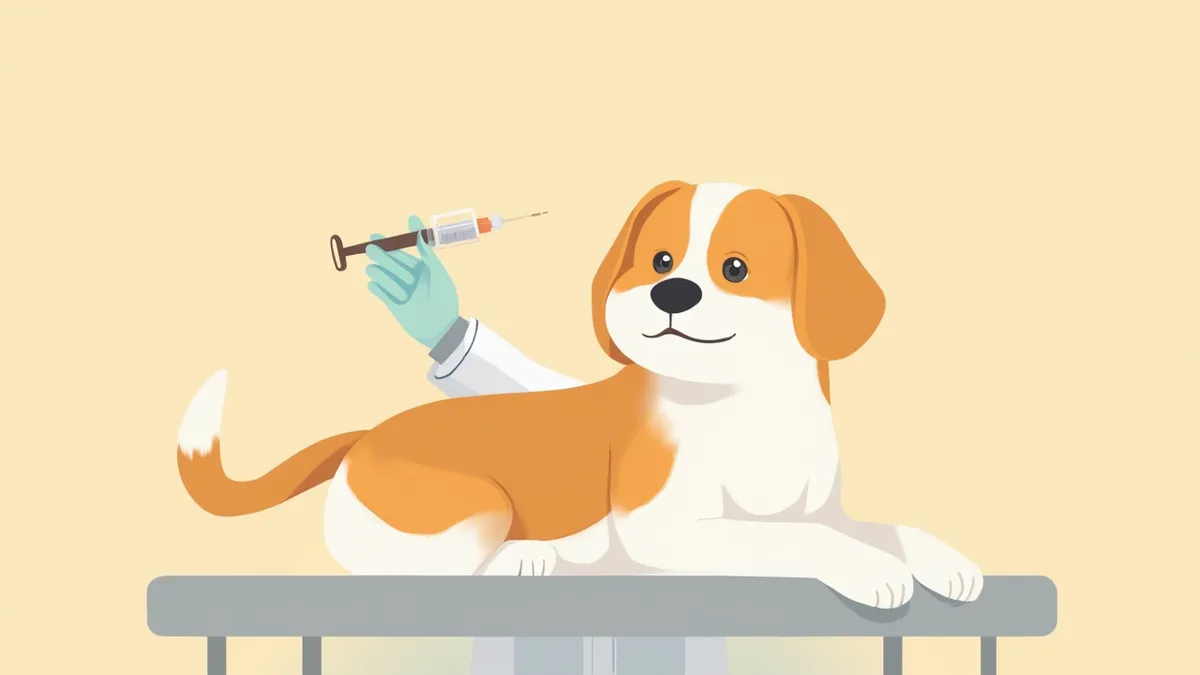
A veterinarian and a puppy preparing for an ACTH stimulation test
The ACTH stimulation test is a blood test used to diagnose Cushing’s disease by injecting synthetic ACTH to stimulate the adrenal glands and then measuring the resulting change in cortisol levels. Accurate differentiation is key. This test is performed at the confirmatory stage, after basic blood and urine tests, when symptoms suggestive of Cushing’s—such as excessive thirst, a distended abdomen, and hair loss—are present. While applicable to both dogs and cats, it is more commonly used in dogs.

Why Perform the ACTH Test?

Cushing’s syndrome is a condition caused by excessive cortisol secretion from the adrenal glands, leading to increased thirst, increased urine output, a distended abdomen, and symmetrical hair loss on both sides of the body. A definitive diagnosis is difficult with blood tests alone. The ACTH stimulation test directly assesses how the adrenal glands respond to stimulation, making it useful for both diagnosing Cushing’s syndrome and monitoring response to medication during treatment. Veterinary internal medicine textbooks also note its utility in distinguishing iatrogenic (steroid-induced) Cushing’s syndrome.

What is the Test Procedure?

The ACTH stimulation test requires two blood draws, so you’ll typically need to leave your pet at the clinic for about half a day.
StepDescriptionTime Required
1. Pre-test PreparationConfirm fasting requirements with your veterinarian in advance; water is allowed freely.Day of test
2. Baseline Blood DrawMeasure baseline cortisol levels before stimulation.0 minutes
3. ACTH InjectionAdminister synthetic ACTH (cosyntropin) via intravenous injection (or ACTH gel via intramuscular injection).0 minutes
4. Post-Stimulation Blood DrawRe-measure cortisol levels 1 hour (60 minutes) after injection.60 minutes
5. Result InterpretationCompare the two values to determine the diagnosis.1–3 days
This protocol applies to both dogs and cats. While the ACTH stimulation test itself can begin at any time of day, fasting may be required depending on other concurrent blood tests, so please confirm with your veterinarian beforehand.

How to Interpret the Results?

If cortisol levels after stimulation are higher than the laboratory reference range (upper limit), it suggests an exaggerated response from the adrenal glands, raising suspicion of Cushing's disease. Conversely, if there is almost no response or levels drop below the lower limit of the reference range, Addison's disease (adrenal insufficiency) or iatrogenic (steroid-induced) Cushing's disease may be suspected. - Normal response: Cortisol levels after stimulation fall within the laboratory reference interval. - Suspected Cushing's: Cortisol levels after stimulation show an exaggerated response exceeding the upper limit of the reference range. - Suspected Addison's: Cortisol levels before and after stimulation remain below the lower limit of the reference range, indicating an insufficient response. Cortisol level standards can vary slightly depending on the measurement equipment and laboratory (assay) used, so the reference range provided with the results and the final interpretation by your veterinarian are the most important factors.
A veterinarian holding two blood sample tubes

Important Information to Share Before the Test

If your pet has used any steroid medications—such as prednisolone or dexamethasone—in the past month, whether in the form of topical creams, eye drops, or oral tablets, please be sure to inform your veterinarian. Steroids can interfere with ACTH stimulation test results, potentially leading to a missed diagnosis of Cushing’s disease or an overdiagnosis. Since steroids may also be present in skin creams and ear cleaners, please don’t assume that “no medications were used” without checking; instead, share a complete history of all products applied or administered.

Test Cost and Duration
The cost of an ACTH stimulation test varies depending on the veterinary clinic, location, and the type of synthetic ACTH preparation used. While the test itself takes about an hour, a half-day hospital stay is typical to account for preparation and waiting time. Results are usually available within 1–3 days. Since pets with Cushing’s disease often require retesting every 3–6 months after diagnosis to monitor their response to medication, it’s a good idea to discuss long-term management costs as well.
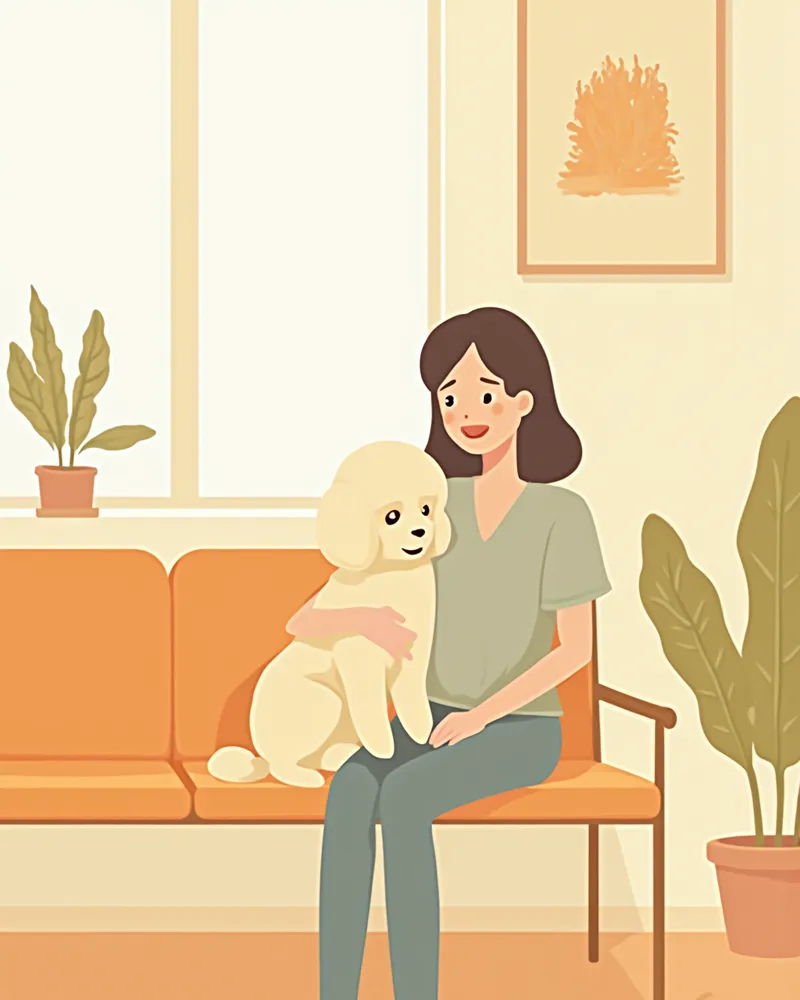
A pet owner waiting with their dog in the veterinary clinic’s waiting room

Owner Preparation Tips for Test Day

Be sure to check with your vet in advance about whether fasting is required. While the ACTH stimulation test itself can be started at any time of day, fasting may be necessary depending on the routine blood tests performed alongside it. For dogs with diabetes, you must coordinate the fasting period and insulin injection timing with your veterinarian in advance to prevent hypoglycemia. - Fasting requirements: Follow your vet’s instructions (confirm in advance before the test) - List of current medications: Include everything, such as heart, joint, and skin medications - Recent steroid use history: Note all forms, including ointments and eye drops - Onset of symptoms: When excessive drinking or hair loss began - Travel comfort: Bring a carrier, blanket, and treats (for after the test)

The ACTH Test Is Not the Final Step

The ACTH stimulation test is a key tool for diagnosing Cushing’s disease, but it cannot provide a definitive diagnosis on its own. Depending on the results, additional tests such as a low-dose dexamethasone suppression test, abdominal ultrasound, or CT scan may be necessary. In particular, imaging studies are almost essential to differentiate between an adrenal tumor and pituitary-dependent Cushing’s disease. If your veterinarian recommends further testing, ask them to explain why it’s needed first.

Reviewed by a veterinarian

Dr. Tony — Punnawat Phongkittirak

Dr. Tony — Punnawat Phongkittirak

Veterinarian

A veterinarian who majored in veterinary medicine at Khon Kaen University, Thailand, and completed the IVSA program at North Carolina State University in the United States. Drawing on clinical experience at animal hospitals, he works in the pet healthcare field and is dedicated to building a digital care environment that connects pet parents with veterinarians.

Frequently Asked Questions

Does the ACTH test need to be done on an empty stomach?
The ACTH stimulation test can be started at any time of day. However, depending on the routine blood tests performed alongside it, fasting may be required, so be sure to confirm with your veterinarian whether fasting is necessary the day before the test. Your pet can drink water as usual.
Will my pet feel pain or discomfort during the examination?
The procedure involves only two blood draws and one injection, so the discomfort is minimal. However, sensitive pets may experience stress, so bringing a blanket or a familiar treat can help keep them calm.
What should I do if the results fall into an ambiguous “gray area”?
If the levels return to near-normal after stimulation, we’ll follow up with a low-dose dexamethasone suppression test. We’ll make the final diagnosis by considering the symptoms and ultrasound findings together.
Do cats also undergo ACTH testing?
Yes, it is possible, but Cushing’s disease is much rarer in cats than in dogs. The standard protocol for cats is the same as for dogs: a baseline blood sample is taken before stimulation, followed by an intravenous injection of synthetic ACTH (tetracosactrin or cosyntropin), and another blood sample is drawn one hour (60 minutes) later to measure cortisol levels.
Do I need to repeat the ACTH test while my pet is taking medication after the initial examination?
Yes. If your pet is taking a Cushing’s disease medication such as trilostane, follow-up tests are typically performed every three to six months to adjust the dosage. The precise timing of these monitoring tests—specifically, how many hours after medication administration the test should be conducted—varies depending on the clinic’s protocol, so please confirm the details with your veterinarian in advance.

Share

Related Guides

References

[1] Feldman EC, Nelson RW, Reusch CE, Scott-Moncrieff JC. Canine and Feline Endocrinology, 4th Edition, Saunders, 2015

[2] Ettinger SJ, Feldman EC, Cote E. Textbook of Veterinary Internal Medicine, 8th Edition, Elsevier, 2017

[3] Behrend EN, et al. Diagnosis of spontaneous canine hyperadrenocorticism: 2012 ACVIM Consensus Statement. J Vet Intern Med, 2013

This information is based on veterinary literature and does not replace diagnosis or treatment. Please consult a veterinarian for specific health concerns.

Metapet Co., Ltd. | CEO: Park Sung-yong | Business Reg. No. 417-88-02562 | Seoul, South Korea | Customer Center

ACTH Stimulation Test: Diagnosing Cushing's in Dogs & Cats | Meongsiljang