Like
Share
멍실장
인슐린 글루카곤 자극 시험이 뭔가요? 검사 과정과 주의사항

What is the insulin-glucagon stimulation test for dogs — procedure and precautions?

WeightQ&AMeongsiljang Veterinary Advisory Board

The insulin-glucagon stimulation test is a precise blood test used to evaluate the pancreas’s ability to secrete insulin. We’ve summarized the purpose, procedure, and important precautions in a way that’s easy for pet owners to understand.

What is the insulin-glucagon stimulation test?
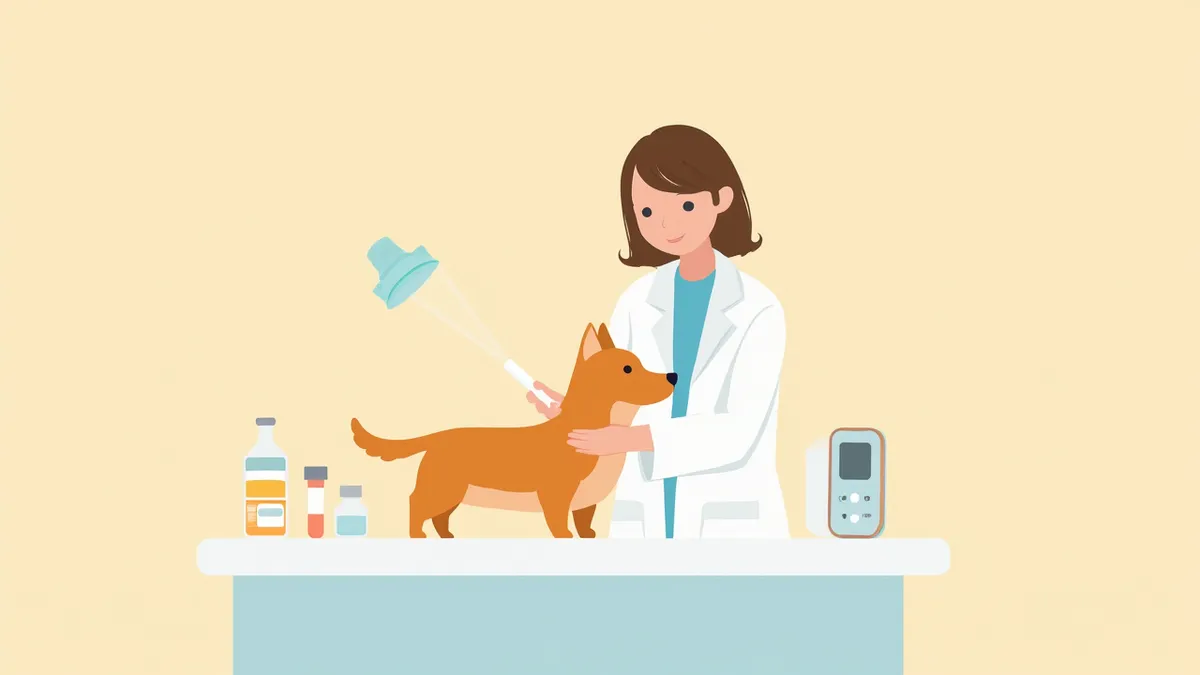
A veterinarian preparing to draw a blood sample from a puppy.
The insulin-glucagon stimulation test is a precise endocrine evaluation that measures how much insulin the pancreatic beta cells secrete over time after administering glucagon, a hormone that regulates blood sugar. Because glucagon stimulates insulin release, this test allows us to directly assess insulin secretion function, which cannot be determined by blood glucose levels alone. This is especially important when an insulinoma—a tumor of the pancreatic beta cells that secretes insulin—is suspected due to recurrent hypoglycemia. The test helps confirm whether insulin is being inappropriately overproduced relative to blood glucose levels.

Why is this test performed?

A routine blood glucose test only tells you the current glucose level. It doesn’t reveal whether the pancreas’s beta cells are responding appropriately to changes in blood sugar by secreting insulin. The insulin-glucagon stimulation test temporarily raises blood glucose with glucagon to stimulate the pancreatic beta cells, then tracks insulin secretion over time to see if it’s occurring normally. - Diagnosis of insulinoma: Determines whether recurrent hypoglycemia is caused by excessive insulin secretion. - Assessment of insulin secretion function: Checks whether insulin levels are inappropriately high relative to blood glucose. - Assessment of insulin resistance: Evaluates the response pattern when the influence of hormones that cause insulin resistance, such as growth hormone or cortisol, is suspected. These are the three primary uses of this test.

Who should get this test — recommended cases

According to veterinary internal medicine textbooks, this test is considered when the following symptoms recur or when the cause remains unclear despite routine examinations. - Recurrent hypoglycemia: When the pet repeatedly experiences an inability to stand, seizures, or collapse. - Polydipsia and polyuria: When the pet drinks excessive amounts of water and produces large volumes of urine, yet blood glucose levels are inconclusive. - Sudden weight changes: When the pet loses weight or gains it abnormally despite maintaining a normal appetite. - Ambiguous fasting blood glucose: When blood glucose levels fall in the borderline range between normal and diabetic. This test is used to rule out insulinoma in dogs and cats exhibiting recurrent hypoglycemic symptoms or borderline blood glucose readings.
A middle-aged dog that looks tired

Routine blood glucose test vs. insulin-glucagon stimulation test

ItemRoutine blood glucose testInsulin-glucagon stimulation test
Measured itemSingle blood glucose valueInsulin + blood glucose at multiple time points
Time requiredAround 10 minutes1–2 hours
Fasting required4 hours or more8–12 hours or more
Main purposeBlood glucose screeningDetailed evaluation of pancreatic function
Differentiation of insulinomaFalseTrue
Cost levelLowModerate to high

The actual test items and protocols differ between hospitals.

What to check before the test

Because this test artificially stimulates blood sugar levels, inadequate preparation can skew the results or even pose a risk of hypoglycemic shock. Fasting for at least 8 to 12 hours is essential. Water is generally allowed, but you should follow your clinic's specific instructions. Be sure to inform your veterinarian in advance about any medications your pet is currently taking, such as steroids or diuretics. Since the decision to proceed with the test depends on your pet's overall health and any underlying conditions, it is important to discuss this thoroughly with your veterinarian beforehand.

How is the test performed?
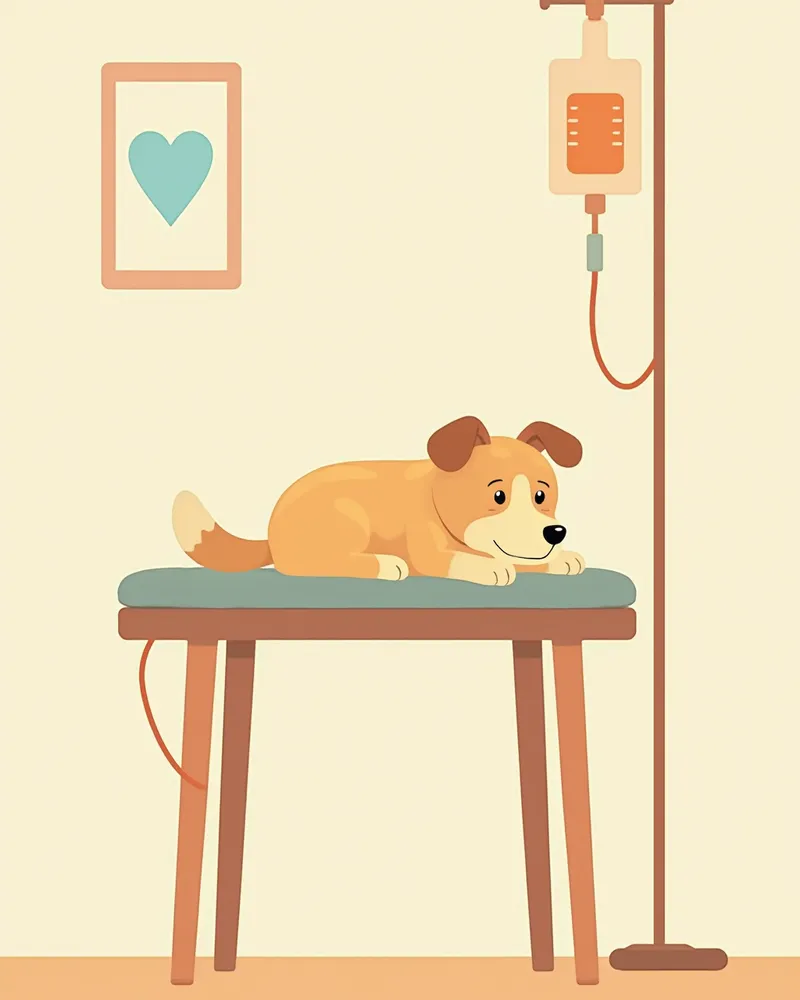
We begin by measuring baseline blood glucose and insulin levels from a blood sample taken after fasting. Next, we administer glucagon intravenously at a dose tailored to your pet’s body weight, then collect several blood samples at regular intervals to monitor changes in blood glucose and insulin. Your veterinarian will determine the precise dosage and timing based on your pet’s weight. Because hypoglycemia can occur during the test, our veterinary team will closely monitor your pet throughout the procedure. The entire process typically requires 1 to 2 hours at the clinic.
A puppy being monitored during the examination

How are the results interpreted?

The results are interpreted using an "insulin response curve." - Normal response: Insulin levels rise quickly after glucagon injection and then gradually decline. - Suspected insulinoma: Baseline insulin is already elevated, and insulin secretion remains disproportionately high relative to blood glucose levels even after stimulation. - Suspected impaired insulin secretion: Blood glucose rises, but the insulin response is blunted or nearly absent, suggesting reduced beta-cell function. - Cushing’s-related insulin resistance: Insulin is secreted, but blood glucose levels do not decrease effectively. Interpretation of these values must always be made by your veterinarian in conjunction with other diagnostic tests.

Caution for hypoglycemia after the test

Reactive hypoglycemia may occur after glucagon stimulation. If your pet appears unusually lethargic, unsteady, or shows signs of seizures immediately after the test, contact the clinic right away. The clinic will typically allow a rest period after the test and provide a small meal. After returning home, avoid normal activity levels for the rest of the day and ensure your pet gets plenty of rest. Cats may also experience stress-induced hyperglycemia, so a calm environment is especially important.

Post-test care and additional tests

The insulin-glucagon stimulation test is not a standalone diagnostic tool for definitive diagnosis. Depending on the results, additional specialized tests may be required. - If an insulinoma is suspected: Abdominal ultrasound or pancreatic CT scan to locate the tumor. - If diabetes is suspected: Fructosamine test (a marker for long-term blood glucose levels) and urinalysis. - If Cushing’s disease is suspected: ACTH stimulation test or low-dose dexamethasone suppression test. Owners can greatly assist the diagnostic process by recording any changes in symptoms, as well as food and water intake, before and after the tests.
Pet owners who keep track of their dog’s condition at home

Reviewed by a veterinarian

Dr. Tony — Punnawat Phongkittirak

Dr. Tony — Punnawat Phongkittirak

Veterinarian

A veterinarian who majored in veterinary medicine at Khon Kaen University, Thailand, and completed the IVSA program at North Carolina State University in the United States. Drawing on clinical experience at animal hospitals, he works in the pet healthcare field and is dedicated to building a digital care environment that connects pet parents with veterinarians.

Frequently asked questions

Is the insulin-glucagon stimulation test painful?
Although intravenous injections and multiple blood draws are required, the procedure is generally not very painful. However, because repeated blood sampling is necessary, an indwelling catheter (IV line) is often placed in advance.
How much does the test cost?
Costs vary widely depending on the clinic and location, and insulin tests are often sent out to external laboratories. For an accurate price, please contact your vet directly before the test.
Does the process work the same way for cats?
Yes, the basic principle is the same. However, since stress-induced hyperglycemia can affect the results in cats, the test should be conducted in a quiet environment, and the interpretation criteria differ slightly from those for dogs.
Is there an alternative to this test?
We can also screen for diabetes by simply measuring fasting insulin and blood glucose levels at the same time. However, stimulation tests are often recommended because they provide more accurate information for differentiating insulinomas or confirming borderline diabetes cases.
When will the test results be available?
The test itself takes about 1 to 2 hours, but if the insulin levels are sent to an external lab, it usually takes around 3 to 7 days. The clinic will provide you with a specific schedule.

Share

Related Guides

References

[1] Fundamentals of Veterinary Clinical Pathology, 3rd Edition - Chapter on Endocrine Function Tests

[2] Notes on Canine Internal Medicine, 4th Edition - Pancreatic Endocrine Disorders

[3] Advanced Monitoring for Small Animal Emergency and Critical Care, 2nd Edition

This information is based on veterinary literature and does not replace diagnosis or treatment. Please consult a veterinarian for specific health concerns.

Metapet Co., Ltd. | CEO: Park Sung-yong | Business Reg. No. 417-88-02562 | Seoul, South Korea | Customer Center

Insulin-Glucagon Stimulation Test in Dogs: Steps & Precautions | Meongsiljang