Like
Share
멍실장
삼색 고양이(캘리코) 유전과 특징 — 왜 거의 암컷일까?

Calico Cat Genetics and Characteristics — Why Are They Almost Always Female?

ImmunityQ&AMeongsiljang Veterinary Advisory Board

The unique coat color of calico cats is determined by X-chromosome genetics. We’ve summarized why nearly all calicos are female, why male calicos are so rare, and their health characteristics.

What Is a Calico Cat?
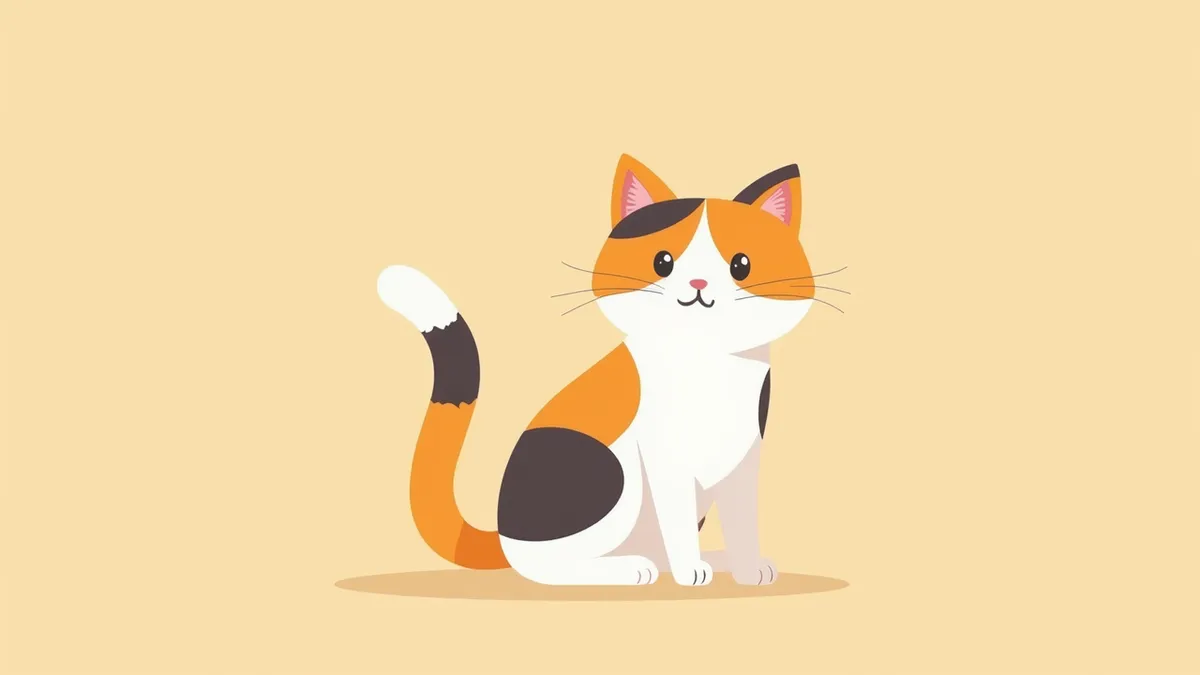
A calico cat with distinct white, orange, and black fur colors.
Calico cats have a distinctive coat pattern featuring clearly defined patches of white, black, and orange fur. The most important thing to know is that this unique color combination is determined by the "orange" gene located on the X chromosome, which is why nearly all calico cats are female. Veterinary textbooks explain that orange is the only coat color trait linked to the X chromosome. Male calico cats are rare but are occasionally seen in clinical practice; most have special genetic mechanisms such as an XXY chromosome composition, mosaicism, or chimerism. Let’s go through why your calico is likely female, along with their health characteristics, one by one.

The Secret of the Calico Pattern: X-Chromosome Inactivation

The only coat color gene located on the X chromosome in cats is the orange (ginger) gene. Veterinary textbooks confirm that orange is the sole coat color trait linked to the X chromosome. When this orange gene is active, the fur grows orange; when it is inactive, the fur grows in the default black-based colors. In other words, black isn’t determined by a separate gene on the X chromosome—it’s simply the result of the orange gene not being expressed. Female cats have two X chromosomes. During embryonic development, one X chromosome is randomly switched off in each cell. This process is called X-chromosome inactivation. - Cells with the orange allele active: The fur in those areas grows orange. - Cells with the orange allele inactive (default color): The fur in those areas grows in black-based shades. - White patches: These occur when a separate white gene (KIT) affects pigment-producing cells, preventing pigment from forming. Because the active X chromosome varies by region within a single cat, and white patches are added into the mix, the unique, irregular patchwork pattern of calico cats emerges.

Calico vs. Tortoiseshell: What’s the Difference?

When looking for calico cats, you may also come across the term “tortoiseshell.” Both coat patterns result from X-chromosome inactivation, but there are distinct differences.
Calico: White, black, and orange appear as large, clearly defined patches. The white areas are extensive, and the boundaries between colors are sharp.
Tortoiseshell: Black and orange are finely intermingled, with little to no white. The hallmark is a mottled pattern where the two colors blend together.
Although the underlying genetics are the same, the extent of white-spotting gene expression determines whether a cat becomes a calico or a tortoiseshell. Like calicos, tortoiseshells are also predominantly female.
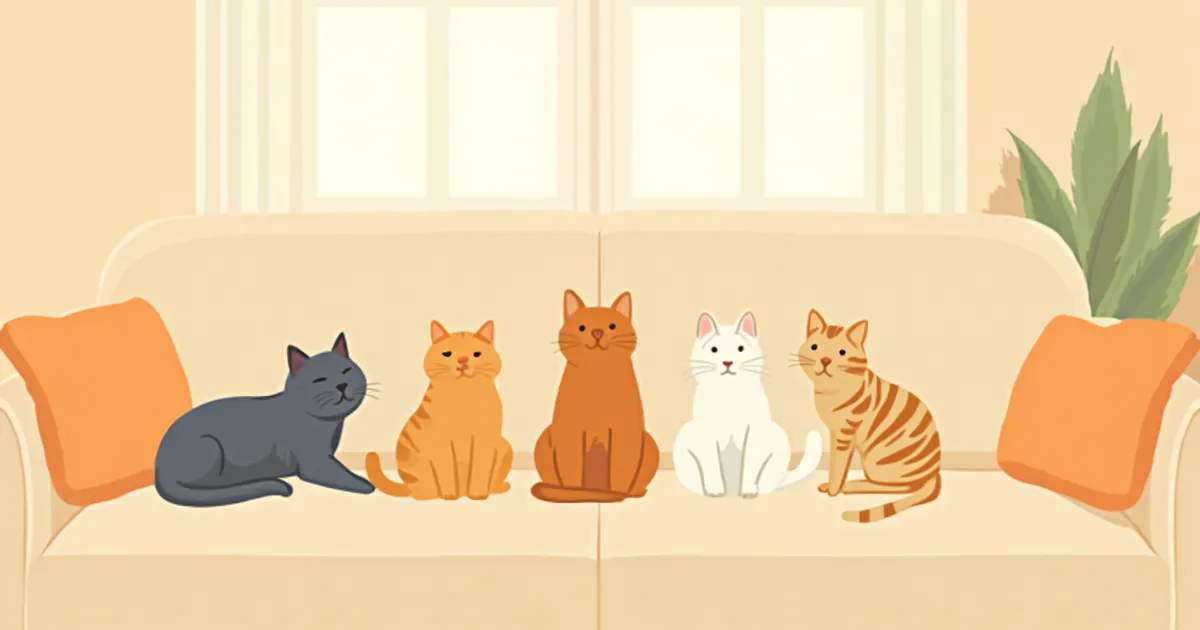
Comparing the coat color patterns of calico and tortoiseshell cats

Why Are Male Calico Cats So Rare?

Male cats have only one X chromosome (XY). With just a single X chromosome, they can express only one of the two colors—orange or black. To display both colors simultaneously, two X chromosomes are required. Therefore, for a male cat to be born with a calico or tortoiseshell coat, he must possess two or more X chromosomes. This can occur through several mechanisms: ① an XXY chromosomal composition (similar in principle to Klinefelter syndrome in humans), ② mosaicism (where cells with different genotypes arise from a single fertilized egg), or ③ chimerism (where two different fertilized eggs fuse, resulting in the coexistence of cells with two or more distinct genotypes). Because male calico and tortoiseshell cats require these special genetic mechanisms, they are not common. However, veterinary textbooks note that they are encountered more frequently in clinical practice than one might expect. Most of these males are infertile, largely because many are chimeras formed from the fusion of different fertilized eggs. In some cultures, their rarity has led them to be regarded as symbols of good luck.
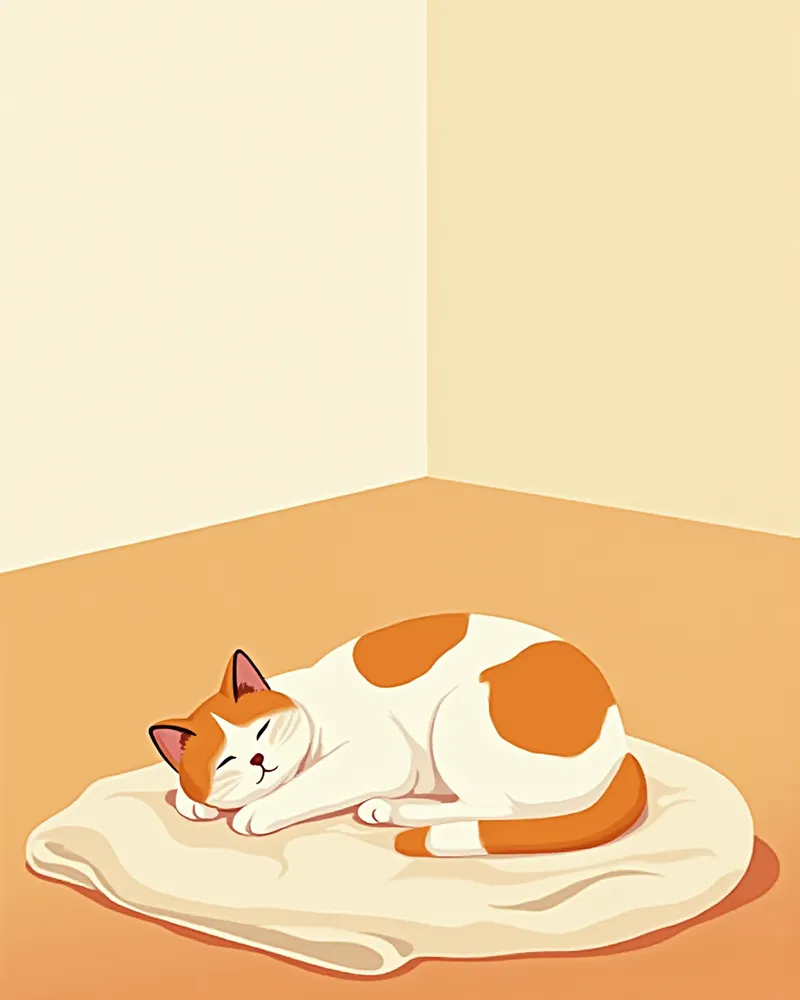
A rare male calico cat resting on a blanket

Male Calico Cats Require Health Checks

Male calico cats can arise from various genetic mechanisms, such as an XXY chromosome composition, mosaicism, or chimerism. As a result, they are often infertile and may experience related hormonal issues. If you have a male calico cat, it’s a good idea to have your veterinarian check the specific genetic mechanism and overall health status in advance.

Calico Cat Personalities: Are They Really Prickly?

You’ve probably heard the claim that calico cats have prickly personalities. There has been much discussion about the link between coat color and temperament. However, according to veterinary behavior literature, a cat’s temperament is shaped by a complex interplay of genetic predispositions, environmental experiences beginning even before birth, and accumulated experiences throughout its life. Coat color itself does not directly determine personality. Even among calicos, temperament can vary widely depending on their upbringing, socialization experiences, and individual traits. If your calico seems particularly difficult, look first for environmental stressors rather than blaming the coat color.
A calico cat with a unique expression sitting by the window

Health Care Points for Calico Cats

The calico coat pattern itself isn’t linked to any specific diseases. Being calico doesn’t make a cat inherently more prone to illness or particularly healthier. However, there are a few key points to keep in mind.
Skin care: There’s no evidence that the calico pattern increases the risk of any specific skin conditions. Still, it’s a good idea to regularly check your cat’s coat and skin, and consult a veterinarian if you notice any abnormalities.
Weight management: After spaying, calorie needs decrease, making weight gain more likely. Monitor your cat’s weight and body condition score (BCS) consistently, and provide appropriate dietary management.
Regular check-ups: While the risk of specific genetic disorders isn’t notably high, annual or biannual health check-ups are essential.

Calico Is Not a Breed

Calico isn’t a specific breed, but rather a coat color pattern. This tri-color pattern can appear in various breeds, including Korean Shorthairs, Persians, Munchkins, Japanese Bobtails, and Turkish Vans. Since breed-specific genetic conditions are unrelated to coat color, please refer to the health guide for your cat’s particular breed.

Reviewed by a veterinarian

Dr. Tony — Punnawat Phongkittirak

Dr. Tony — Punnawat Phongkittirak

Veterinarian

A veterinarian who majored in veterinary medicine at Khon Kaen University, Thailand, and completed the IVSA program at North Carolina State University in the United States. Drawing on clinical experience at animal hospitals, he works in the pet healthcare field and is dedicated to building a digital care environment that connects pet parents with veterinarians.

Frequently Asked Questions

Are all calico cats female?
Almost all calico cats are female. The orange gene that determines the calico pattern is located on the X chromosome, so it is typically expressed only in females, who have two X chromosomes. Male calico cats can only occur in rare cases involving special genetic mechanisms, such as an XXY chromosome composition, mosaicism, or chimerism.
Are calico cats and tortoiseshell cats the same thing?
The underlying genetics are the same, but the coat patterns differ. Calico cats have large patches of white, black, and orange, while tortoiseshell cats have a finely mixed pattern of black and orange with little to no white.
Can male calico cats reproduce?
In most cases, it’s not possible. Male calico cats occur due to genetic variations such as an XXY chromosome composition, mosaicism, or chimerism, and these variations often result in infertility. Although there are extremely rare reports of fertile males, these are highly exceptional cases.
Is it true that calico cats are particularly grumpy?
A cat's temperament is shaped by a combination of genetic predispositions and environmental experiences. While coat color doesn't directly determine personality, factors like the growing environment, socialization, and individual differences have a much greater impact on their character.
Are there any diseases that only calico cats are prone to?
The calico coat pattern itself doesn’t increase the risk of any specific diseases. However, male calico cats may have hormonal issues due to conditions such as XXY syndrome, mosaicism, or chimerism, so we recommend consulting with a veterinarian.

Share

Related Guides

References

[1] Little SE. The Cat: Clinical Medicine and Management, 2nd Edition. Elsevier, 2020

[2] Lyons LA. Feline Genetics: Clinical Applications and Genetic Testing. Topics in Companion Animal Medicine, 2010;25(4):203-212

[3] Centerwall WR, Benirschke K. An animal model for the XXY Klinefelter's syndrome in man: tortoiseshell and calico male cats. American Journal of Veterinary Research, 1975;36(9):1275-1280

[4] Stelow EA, Bain MJ, Kass PH. The Relationship Between Coat Color and Aggressive Behaviors in the Domestic Cat. Journal of Applied Animal Welfare Science, 2016;19(1):1-15

This information is based on veterinary literature and does not replace diagnosis or treatment. Please consult a veterinarian for specific health concerns.

Metapet Co., Ltd. | CEO: Park Sung-yong | Business Reg. No. 417-88-02562 | Seoul, South Korea | Customer Center

Calico Cat Genetics: Why Are They Almost Always Female? | Meongsiljang