Like
Share
멍실장
처방전 약어 의미 가이드 — SID·BID·PRN 뜻 한 번에

Guide to Prescription Abbreviations — Meanings of SID, BID, and PRN at a Glance

ImmunityQ&AMeongsiljang Veterinary Advisory Board

We’ve put together a clear guide to the exact meanings of common prescription abbreviations like SID, BID, TID, PO, and PRN, along with tips to help you avoid mistakes when giving your pet medication at home.

What Exactly Are Prescription Abbreviations?

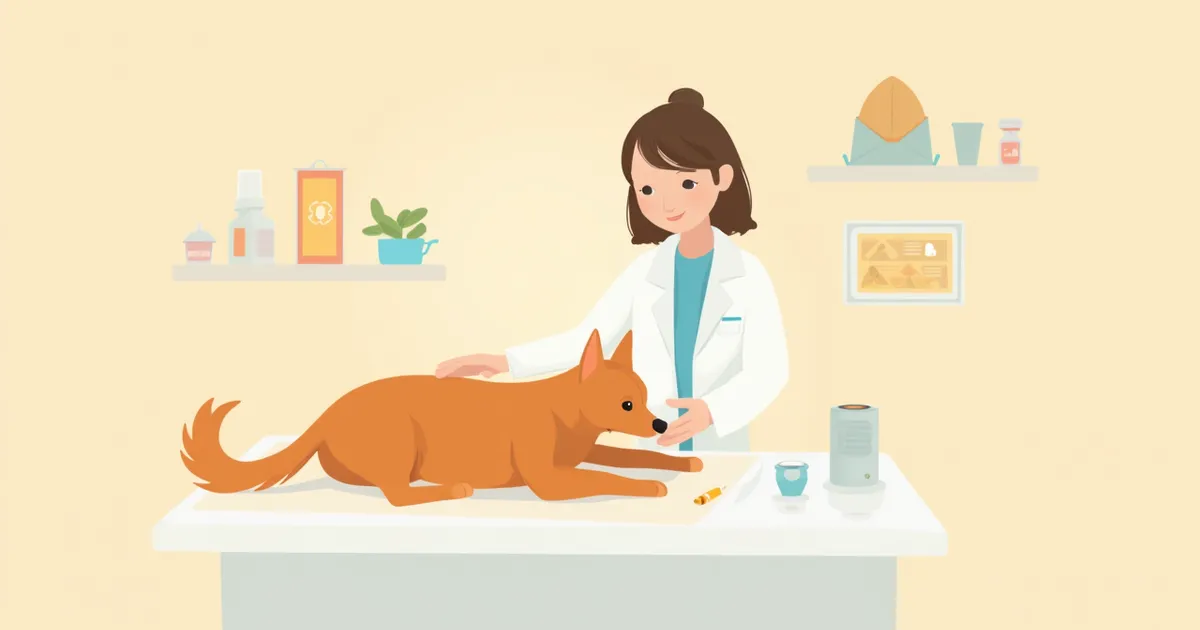
A veterinarian explaining a prescription to a pet owner.
Prescription abbreviations are Latin-based shorthand veterinarians use to quickly indicate how often, by what route, and when a medication should be given. Knowing just three—SID (once daily), BID (twice daily), and TID (three times daily)—can help you understand most prescriptions. However, because these abbreviations look similar, they can be easily misread, and misinterpreting them may lead to dosing errors such as overdoses or missed doses. In fact, medication safety organizations recommend writing out instructions in full, such as “once daily,” instead of using abbreviations. Therefore, when you receive a prescription, always double-check with the pharmacist or veterinarian by asking, “How many times a day, when, and how should I give this?” and, if possible, keep a copy of the dosing instructions written out in plain Korean.

Why Use Abbreviations?

Prescription abbreviations are Latin notations that have been commonly used in medicine and veterinary medicine worldwide for hundreds of years. For example, SID comes from semel in die (once a day), and BID comes from bis in die (twice a day), using the first letters of the Latin phrases. Using abbreviations has the advantage of standardizing terminology with international textbooks and research papers. However, the idea that "shorter writing reduces ambiguity" is not true. In fact, short abbreviations increase the risk of medication errors due to misreading, so the International Society for Medication Safety (ISMP) and accreditation bodies like JCAHO recommend using plain language such as "once daily" or "every 24 hours" instead of easily confused abbreviations like SID, QD, QOD, and QID. Therefore, more hospitals are now including Korean descriptions (e.g., twice daily, every 12 hours) alongside the abbreviations on prescriptions.

Frequency Abbreviations at a Glance

ItemLatin OriginalEnglish Meaning
SID (q24h)semel in dieOnce a day (every 24 hours)
BID (q12h)bis in dieTwice a day (every 12 hours)
TID (q8h)ter in dieThree times a day (every 8 hours)
QID (q6h)quater in dieFour times a day (every 6 hours)
EOD / QODevery other dayOnce every other day (alternate days)
PRNpro re nataOnly as needed
STATstatimImmediately (single dose)

The number h after q means hour. Example: q8h = every 8 hours.

Route of Administration Abbreviations — How to Give or Inject
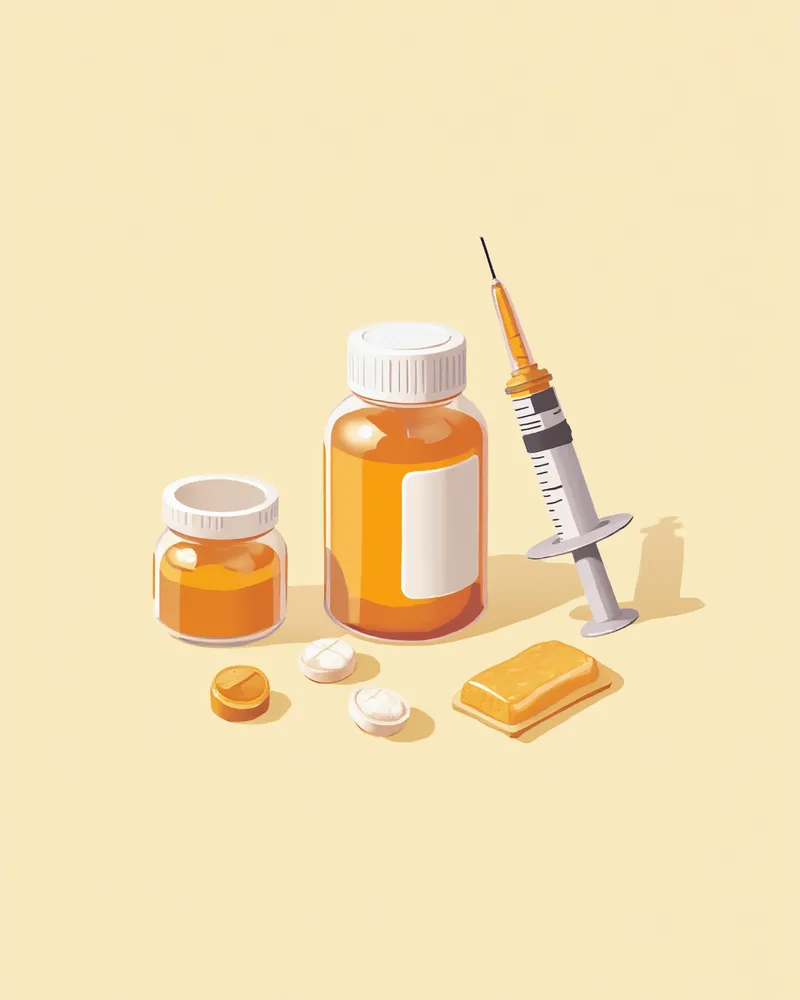
The route of administration refers to where the medication is given. The most common is PO (per os), which means oral administration. Injections are also distinguished by abbreviations: SC/SQ (subcutaneous) for subcutaneous injection, IM (intramuscular) for intramuscular injection, and IV (intravenous) for intravenous injection. Additionally, IN refers to nasal mucosa, PR to rectal, and TOP to topical skin application. Since changing the route can alter the drug's effectiveness and side effects, never change it without consulting your veterinarian.
Various forms of medication for different routes of administration, such as oral medications, syrups, injections, and topical preparations

Commonly Confused Abbreviations: Be Sure to Distinguish Them

- BID and QD: BID means twice a day, while QD (or SID) means once a day. A single letter difference can double the dosage. - QD and QID: QD means once a day, whereas QID means four times a day. If you mistake “QID” for “QD” on a prescription, the insufficient dosage could lead to treatment failure. - EOD and BID: EOD means every other day, while BID means twice a day. If the writing is unclear or you’re unsure, always call the clinic to double-check.

Time and Meal-Related Abbreviations
Timing is just as important as the medication itself when it comes to effectiveness. Here are some common abbreviations you might see: - ac (ante cibum): Before meals - pc (post cibum): After meals - hs (hora somni): Before bedtime - am: Morning - pm: Afternoon/evening - q8h: Every 8 hours For example, "Amoxicillin 250mg PO BID pc" means "Administer 250mg of Amoxicillin orally, twice a day, after meals." Medications that can irritate the stomach should be given after meals, while those that are better absorbed on an empty stomach should be given before meals.
A daily routine of administering medication in sync with the clock and meal times.

Know Dosage and Unit Abbreviations Too

Abbreviations are commonly used on dosage labels. - mg: milligram (1/1000 of a gram), - mcg/μg: microgram (1/1000 of a milligram), - mL/cc: milliliter (volume for syrups and injectables), - tab: tablet, - cap: capsule, - gtt: drop (used for eye drops). "0.5 tab PO BID" means "half a tablet by mouth twice daily." Since liquid medications are easy for pet owners to misread, we recommend using a dedicated syringe with clear markings.

Tips to Prevent Medication Errors

When you receive the prescription, please check the following three items right away at home: - Frequency: Double-check whether it says SID (once daily) or BID (twice daily). - Route: Note clearly whether it’s PO (oral administration) or SC (subcutaneous injection) to avoid confusion. - Duration: Confirm how many days’ supply is prescribed and whether it’s okay to stop midway. Setting reminders on your phone for each dose can significantly reduce missed administrations. If you forget a dose, do not double the next one—simply continue with the original schedule.
A pet owner managing medication times with phone alarms

Contact the Clinic Immediately in These Situations

If you can’t tell whether the abbreviation means SID or BID, if your pet vomits or spits out the medication so you’re unsure how much was actually ingested, or if the prescription only says “PRN (as needed)” without clear guidelines, don’t guess—call the prescribing clinic right away to confirm. This is especially important with heart medications, diabetes medications, and steroids, where dosing errors can be dangerous.

Reviewed by a veterinarian

Dr. Tony — Punnawat Phongkittirak

Dr. Tony — Punnawat Phongkittirak

Veterinarian

A veterinarian who majored in veterinary medicine at Khon Kaen University, Thailand, and completed the IVSA program at North Carolina State University in the United States. Drawing on clinical experience at animal hospitals, he works in the pet healthcare field and is dedicated to building a digital care environment that connects pet parents with veterinarians.

Frequently Asked Questions

Are SID and QD the same thing?
Yes, both mean “once daily.” In veterinary medicine, SID (semel in die) is more commonly used, while in human medicine, QD is more frequently seen. However, QD can be confused with QID (four times daily), and SID can be mistaken for BID or QID, so both are classified as “error-prone abbreviations.” Therefore, medication safety organizations such as the ISMP recommend writing out “once daily” or “every 24 hours” instead of using SID or QD. If only an abbreviation appears on a prescription, it’s safest to contact the clinic to confirm the exact frequency.
I was prescribed this medication PRN (as needed). How should I administer it to my pet?
PRN stands for "pro re nata," meaning "as needed." It typically indicates that the medication should only be given when symptoms such as pain, vomiting, or diarrhea occur. However, there is often a minimum dosing interval (e.g., at least 8 hours between doses). Be sure to confirm with your prescribing veterinarian exactly when and at what intervals the medication should be administered.
I was prescribed BID (twice daily), but what should I do if I forget a dose?
If you remember and there are still more than six hours until the next scheduled dose, give the missed dose right away and then continue with the regular dosing interval. If it’s close to the next scheduled time, skip the missed dose and stick to the original schedule. Never give two doses at once.
Are q12h and BID exactly the same?
They’re nearly the same, but there’s a subtle difference. BID means “twice a day,” so you just need to give the medication in the morning and evening. q12h, on the other hand, requires dosing at exact 12-hour intervals. Medications like antibiotics and anticonvulsants, where maintaining consistent blood levels is crucial, are often prescribed using the q12h schedule.
Do cats use the same abbreviations as dogs?
Yes, prescription abbreviations (SID, BID, PO, SC, etc.) are the same across species. However, as the saying goes, "a cat is not a small dog." Cats have different metabolisms than dogs and are highly sensitive to certain medications and foods, so even with the same abbreviations, the dosage and type of medication will be completely different. Never give dog medications to cats without veterinary guidance.

Share

Related Guides

References

[1] Plumb's Veterinary Drug Handbook, 10th Edition — Dosing Abbreviations and Prescription Writing

[2] Handbook of Veterinary Pharmacology — Prescription Writing and Abbreviations Chapter

[3] The Cat, Clinical Medicine and Management, 2nd Edition — Therapeutic Drug Administration

This information is based on veterinary literature and does not replace diagnosis or treatment. Please consult a veterinarian for specific health concerns.

Metapet Co., Ltd. | CEO: Park Sung-yong | Business Reg. No. 417-88-02562 | Seoul, South Korea | Customer Center

Prescription Abbreviations: SID, BID & PRN Explained | Meongsiljang