
Like
Share
멍실장
응급 환자 마취 protocol, 일반 마취와 뭐가 달라요?

How is emergency anesthesia different from routine anesthesia? Risks and precautions pet owners need to know

ImmunityQ&AMeongsiljang Veterinary Advisory Board

Emergency anesthesia is a high-risk procedure that must be carried out quickly, without the luxury of time. We’ve put together a clear overview of pre-anesthetic assessment, drug selection, and monitoring standards from the pet owner’s perspective.

What is emergency anesthesia? How does it differ from routine anesthesia?

A puppy being prepared for emergency anesthesia, along with monitoring equipment
Emergency anesthesia is a high-risk procedure performed to save a patient’s life when there’s no time to fully stabilize their condition. The most critical aspects are thorough preparation and enhanced monitoring. While routine anesthesia follows a planned approach involving fasting, blood tests, and stabilization, emergency anesthesia is initiated immediately in urgent situations such as hemorrhage, respiratory distress, or intestinal obstruction. In these cases, veterinarians assess the level of risk based on minimal diagnostic tests and follow a protocol that includes close observation throughout the recovery period.

Typical situations requiring emergency anesthesia

Emergency anesthesia isn’t used in every emergency case. It’s reserved for situations where treatment is impossible without anesthesia or when the patient is in severe distress. Typical examples include a ruptured pyometra, gastric dilatation-volvulus (GDV), airway foreign bodies causing respiratory distress, internal bleeding from trauma, emergency cesarean sections, and severe seizures that are difficult to control. In these cases, there’s no time to delay surgery, so veterinarians carefully weigh the risks and proceed with anesthesia.

Routine anesthesia vs. emergency anesthesia

ItemGeneral anesthesiaEmergency anesthesia
Fasting time8–12 hours securedAlmost impossible to secure
Pre-procedure testsBlood tests, imaging, cardiac evaluationMinimal blood tests, quick imaging
StabilizationDays to hoursWithin tens of minutes
ASA gradeMainly grades 1–2Mainly grades 3–5
Death riskRelatively low baseline riskSharply increases with higher ASA grade (cats ASA 3+ about 4.8 times)

The risk is based on a meta-analysis (Portier and Ida 2018) showing that cats of ASA grade 3 or higher have about a 4.83 times risk of death within 72 hours after anesthesia.

What is the ASA grade? Risk classification criteria

This is the American Society of Anesthesiologists (ASA) Physical Status Classification System. Veterinarians quickly assign an ASA grade before emergency anesthesia to determine the appropriate drugs and protocols. - ASA 1: Healthy, normal patient (e.g., spay/neuter for vaccination purposes) - ASA 2: Mild to moderate, well-controlled systemic disease (e.g., obesity, early-stage heart disease) - ASA 3: Severe systemic disease that is still active or poorly controlled (e.g., difficult-to-manage diabetes) - ASA 4: Severe, life-threatening systemic disease (e.g., pre-shock, unable to perform activities) - ASA 5: Moribund patient unlikely to survive without anesthesia Most patients requiring emergency anesthesia are ASA grade 3 or higher. In fact, studies show that cats with an ASA grade of 3 or higher have approximately 4.8 times the risk of death within 72 hours after anesthesia compared to those with lower grades.
A veterinarian quickly assessing the condition of an emergency patient

Explanations pet owners must receive before emergency anesthesia

When a veterinarian hands you an emergency anesthesia consent form, do not rush to sign it. Be sure to verify the following points: 1. The current ASA grade and estimated risk level 2. The risks of waiting without anesthesia versus the risks of proceeding with anesthesia now 3. The scope of pre-anesthetic testing (specifically, which items were omitted due to time constraints) 4. Whether preparations for blood transfusions, intravenous fluids, and mechanical ventilation are in place 5. An honest explanation of the possibility of failed recovery If a clinic skips these explanations, it may be wise to seek out another emergency center.

Step-by-step emergency anesthesia protocol
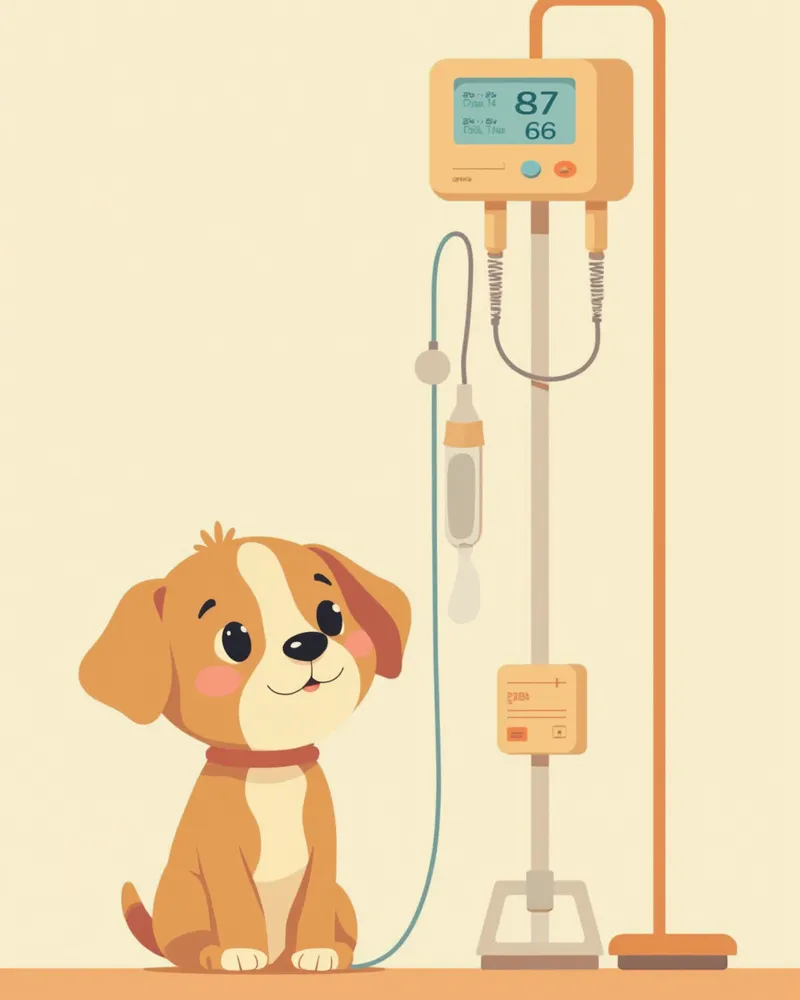
Veterinarians typically follow this sequence for emergency anesthesia: - Step 1: Pre-stabilization: Correct shock with fluids, oxygen, and analgesics (stabilize as much as possible before induction) - Step 2: Premedication: Combine sedation and analgesia to minimize the main anesthetic dose - Step 3: Induction: Administer intravenous agents such as propofol slowly, titrating to effect, until the patient falls asleep - Step 4: Intubation: Secure the airway, then maintain anesthesia with an inhalant agent (isoflurane) - Step 5: Maintenance and Monitoring: Continuously monitor blood pressure, oxygen saturation, and electrocardiogram in real time - Step 6: Recovery Observation: Provide focused care until body temperature, consciousness, and respiration have returned to normal According to anesthesia textbooks, balanced, multimodal protocols that include premedication (sedatives and analgesics) reduce the required dose of the primary anesthetic agents (induction and inhalant anesthetics), thereby lowering risk. For example, studies have shown that co-administering midazolam before propofol induction reduces the required induction dose of propofol.
Real-time monitoring equipment during anesthesia

Why the recovery period is truly dangerous

Many pet owners assume that once surgery is over, they can relax. However, veterinary textbooks emphasize that the recovery period is one of the most dangerous phases of anesthesia. During this time, close monitoring and immediate intervention are essential. Cats, in particular, are known to have a higher risk of complications before, during, and after anesthesia, including the recovery phase. This is because issues such as hypothermia, airway aspiration, and bradycardia can arise suddenly. Therefore, reputable hospitals maintain intensive monitoring until consciousness is fully restored, and do not discontinue the use of blankets, heating pads, or oxygen supplementation.

High-risk groups: Cases with increased risk

Please inform your veterinarian of any of the following factors before emergency anesthesia: - Advanced age: As cats age, their myocardial contractility decreases and autonomic nervous system regulation changes, increasing the risk of hypotension during anesthesia. - Extra-small cats (under 2 kg): Risk of hypothermia and drug overdose. - Brachycephalic breeds (Bulldogs, Pekingese, Persians): Difficulty in securing the airway. - History of heart or kidney disease - Recent vomiting or feeding history: Risk of aspiration pneumonia. - Collie-type breeds: Possible MDR1 gene mutation causing drug sensitivity. Providing this information in advance allows your veterinarian to adjust medication choices accordingly.

Observation points at home for 24–48 hours after emergency anesthesia

Anesthesia effects can linger for 24 to 48 hours after discharge. Please monitor your pet at home for the following signs: - Level of consciousness: Responsiveness to their name should gradually become clearer. - Respiratory rate: A normal range is 10–30 breaths per minute; rates that are too slow or too rapid indicate a problem. - Body temperature: Normal is 38–39.2°C; be alert for hypothermia if the temperature drops below 37°C. - Gait: Staggering should improve within 12 hours. - Appetite and urination: Your pet should drink water and urinate within 12–24 hours. If any of these signs remain abnormal for more than 48 hours, please return to the emergency clinic immediately.
A puppy recovering at home after emergency surgery

Reviewed by a veterinarian

Dr. Tony — Punnawat Phongkittirak

Dr. Tony — Punnawat Phongkittirak

Veterinarian

A veterinarian who majored in veterinary medicine at Khon Kaen University, Thailand, and completed the IVSA program at North Carolina State University in the United States. Drawing on clinical experience at animal hospitals, he works in the pet healthcare field and is dedicated to building a digital care environment that connects pet parents with veterinarians.

Frequently asked questions

How many times more dangerous is emergency anesthesia compared to routine anesthesia?
It depends on the ASA physical status classification. A study (Portier and Ida, 2018) found that cats with an ASA grade of 3 or higher have approximately 4.8 times the risk of death within 72 hours after anesthesia compared to those with lower grades. The risk increases further with higher grades, but if the risk of not undergoing anesthesia is greater, proceeding with the procedure is the right choice.
Is it okay to proceed with emergency anesthesia even if the pet hasn’t been fasted?
When a pet hasn’t been fasted, the stomach contains more material, which increases the risk of aspiration pneumonia. However, veterinarians can reduce this risk by using a technique called rapid sequence induction (RSI), where they administer an induction agent and quickly perform endotracheal intubation while inflating the cuff. It’s not always dangerous.
I kept postponing anesthesia for my senior dog, but now an emergency has arisen.
What matters more than age itself is whether underlying conditions are well controlled. Anesthesia plans are tailored to the severity of the disease, so senior pets can safely undergo anesthesia if their heart and kidney function are good, while even young pets are at risk if they have uncontrolled heart disease. We assess this through blood tests and an echocardiogram.
Can a pet wake up during emergency anesthesia?
Although rare, shock patients may experience rapid drug elimination, leading to intraoperative awareness. Therefore, the veterinarian continuously monitors the depth of anesthesia in real time and adjusts the dosage accordingly.
My pet’s personality changed after emergency anesthesia. Is this normal?
Temporary grogginess and irritability within 48 hours are common. However, if symptoms persist for more than a week, or if seizures or disorientation occur, there may be a risk of post-anesthesia cognitive decline, and a neurological evaluation is necessary.

Share

Related Guides

References

[1] Pypendop BH, Ilkiw JE. Drugs and Techniques in Feline Anesthesia. The Cat: Clinical Medicine and Management, 2nd Edition

[2] Brodbelt D. Perioperative mortality in small animal anaesthesia. Vet J. 2009;182:152-161

[3] Brodbelt DC, Blissitt KJ, Hammond RA, et al. The risk of death: The confidential enquiry into perioperative small animal fatalities

[4] Ovbey DH, Wilson DV, Bednarski RM, et al. Prevalence and risk factors for canine post-anesthetic aspiration pneumonia (1999-2009). Vet Anaesth Analg. 2014;41(2):127-36

This information is based on veterinary literature and does not replace diagnosis or treatment. Please consult a veterinarian for specific health concerns.

Metapet Co., Ltd. | CEO: Park Sung-yong | Business Reg. No. 417-88-02562 | Seoul, South Korea | Customer Center

Emergency vs. Routine Anesthesia: Risks & Precautions | Meongsiljang