
Are Cat Water Fountains Really Effective? How to Increase Water Intake for Cats That Don’t Drink Water
Cat water fountains and drinking fountains are tools designed to increase daily water intake, supporting urinary and kidney health. Here’s a summary of their benefits, along with tips for choosing and maintaining the right one.
What Is a Cat Fountain?
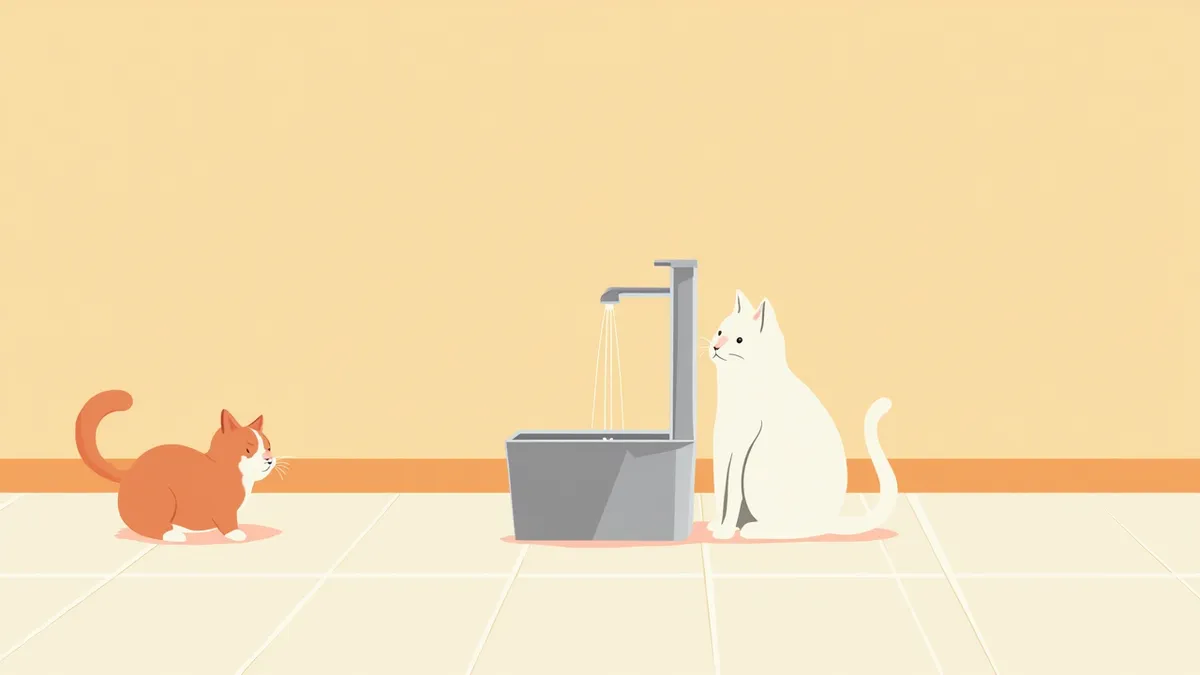
Why Don’t Cats Drink Water Well?
What Problems Arise From Insufficient Water Intake?
Comparison of Associated Conditions in Cases of Dehydration
| Item | Main Symptoms | Effect of Increased Water Intake |
|---|---|---|
| Idiopathic Cystitis | Hematuria, frequent urination, dysuria | Urine concentration↓ recurrence rate↓ |
| Urolithiasis (Struvite/Oxalate) | Difficulty urinating, hematuria | Stone formation risk↓ |
| Chronic Kidney Disease (CKD) | Polydipsia/polyuria, weight loss | Supportive management of dehydration |
| Constipation | Longer intervals between defecation, pain | Stool moisture content↑ |
General classification based on veterinary internal medicine textbooks
Differences Between Types of Water Fountains
Important Points to Note When Using a Water Fountain
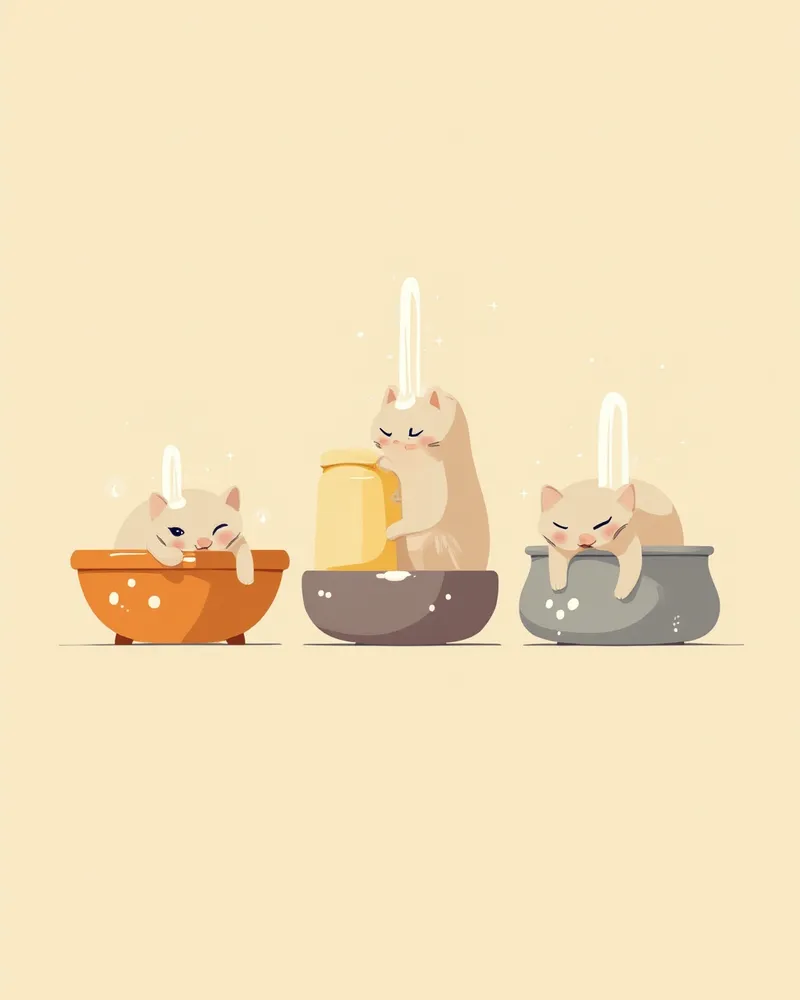
Neglecting to replace and clean the filter can allow bacteria and biofilm to proliferate inside the water fountain, making the water potentially dirtier than that in a stationary bowl. Replace the activated carbon filter every two to four weeks, as recommended by the manufacturer, and disassemble the motor and impeller at least once a week to clean them with a soft brush. We also recommend not completely replacing your existing water bowls with just one fountain; instead, place stainless steel bowls in other areas of your home, such as the bedroom and living room. Providing one more bowl than the number of cats you have can help encourage them to drink more frequently.
How to Help Your Cat Adapt to a Water Fountain

Supplementary Strategies to Further Increase Water Intake
If You See These Signs, Visit the Vet Before Relying on a Water Fountain
A sudden, noticeable increase in water intake (polydipsia), a sharp rise in urine output (polyuria), and weight loss may signal kidney disease, diabetes, or hyperthyroidism. Conversely, a male cat that strains in the litter box but produces little to no urine is experiencing a urethral obstruction, which is a medical emergency. In such cases, seeking veterinary care takes priority over adjusting the water bowl.
Reviewed by a veterinarian

Dr. Tony — Punnawat Phongkittirak
VeterinarianA veterinarian who majored in veterinary medicine at Khon Kaen University, Thailand, and completed the IVSA program at North Carolina State University in the United States. Drawing on clinical experience at animal hospitals, he works in the pet healthcare field and is dedicated to building a digital care environment that connects pet parents with veterinarians.
Reviewed 2026-04-27
Frequently Asked Questions
Does the cat fountain work for all cats?
Is it really necessary to replace the water fountain filter?
Which is better, a plastic water bowl or a stainless steel one?
What should I do if my pet still doesn’t drink enough water even with a water fountain?
How often should you change the water in your pet’s water bowl?
Share
Related Guides
My Senior Cat Won’t Eat — A Complete Guide to Choosing Food for Cats with Weak Digestion
Top 5 Prescription Diets for Feline Pancreatitis Recommended by Veterinarians — Low-Fat, Highly Digestible Food Guide

Royal Canin vs Hill’s vs Purina vs Orijen — Which Brand Is Right for Your Pet, According to Veterinarians?
8 Signs of Suspected Cancer in Senior Cats — Early Detection Through Behavioral Changes
Dog Skin Tumor Types — Benign vs. Malignant Checklist
Tylenol is Strictly Prohibited for Cats — Why Even Small Amounts Are Fatal and Emergency Response
Why You Should Never Give Tylenol (Acetaminophen) to Dogs — A Complete Guide to Poisoning Symptoms and Emergency Response
Can Dogs Drink Coffee? — Caffeine Poisoning Symptoms and Weight-Based Dangerous Dosages
My Dog Ate Grapes or Raisins — Risk of Kidney Failure and the Emergency Golden Window

What Happens If a Dog Eats Onions? Symptoms and Emergency Response
References
[1] The Cat, Clinical Medicine and Management, 2nd Edition — Feline Lower Urinary Tract Disease
[2] Small Animal Critical Care Medicine, 3rd Ed — Fluid Balance in Cats
[3] Feline Emergency and Critical Care Medicine, 2nd Ed — Hydration Assessment